Elk Zones Reachable From Twin Falls
For anyone living in south-central Idaho, especially around Twin Falls, the idea of chasing elk can feel a bit daunting. It often seems like all the "good" hunting is way up north or deep into the eastern mountains, requiring massive time commitments and travel. It's easy to get bogged down in maps and regulations, wondering if there are actually viable elk hunting options closer to home that don't demand an epic expedition. This guide is here to untangle that complexity, helping you identify the elk zones realistically within reach of Twin Falls, detailing what makes each one unique, the challenges you might face, and how to best prepare for a successful hunt.
Pinpointing Elk Zones Realistically Reachable from Twin Falls
The first step in planning any elk hunt from Twin Falls is figuring out where you can actually go without dedicating an entire day just to driving. Idaho is a big state, and while technically all elk zones are "reachable," we're talking about zones where you can reasonably drive, hunt, and return without feeling like you've spent more time in the truck than in the timber. South-central Idaho offers a fantastic variety, from rugged mountains to rolling sagebrush hills, all within a few hours' drive of Twin Falls. Understanding these zones and their general characteristics is paramount before you even think about tags. For a broader perspective on how these areas fit into the larger hunting picture, you might want to read Idaho Elk Zones Explained.
Mapping Out Your Options: A South-Central Idaho Perspective
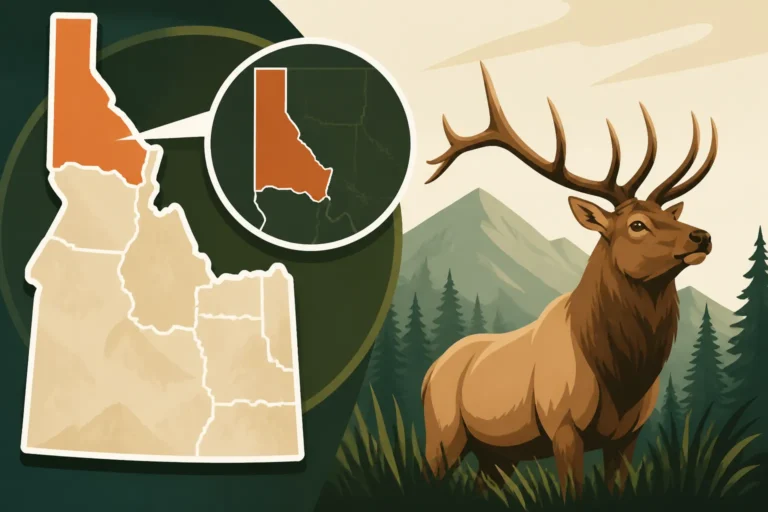
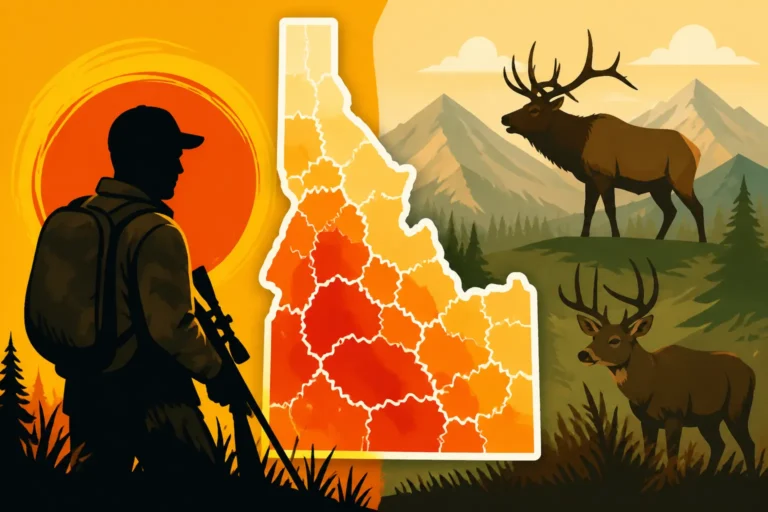
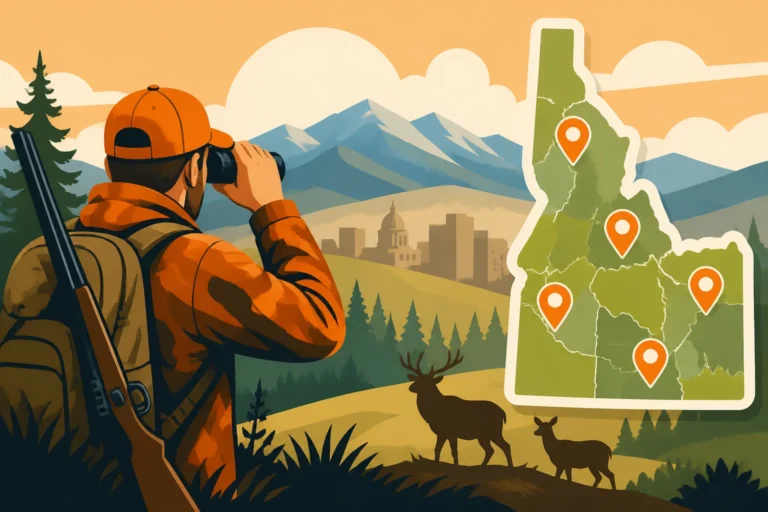
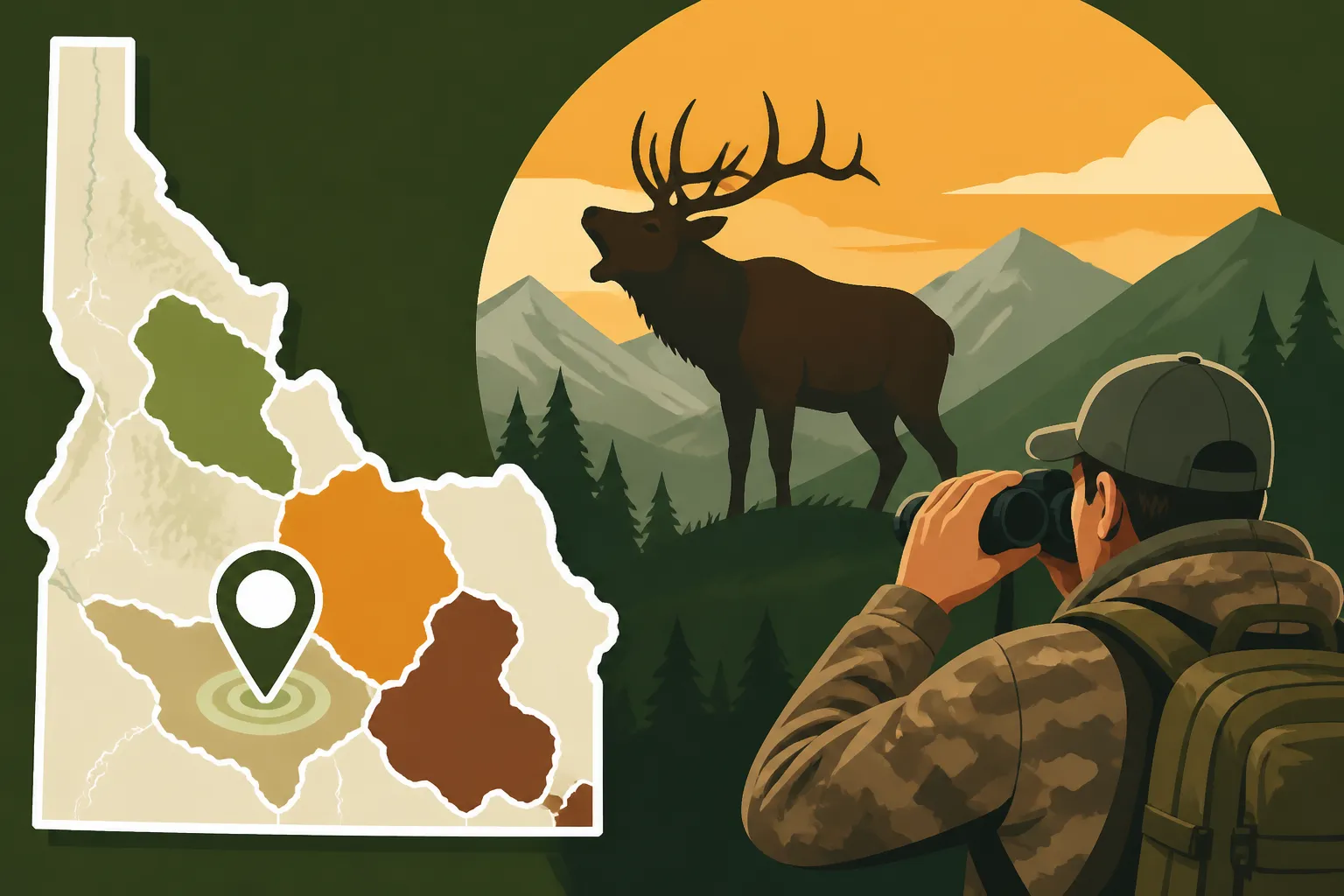
When you pull up a map of Idaho's elk zones, you'll see a patchwork of areas, each with its own quirks. From Twin Falls, your most immediate neighbors are the South Hills zone to the south, and as you head north, you'll quickly encounter parts of the Pioneer and Smoky-Bennett zones. Venture a bit further east, and the vastness of the Big Desert zone and the more timbered Island Park and Kilgore zones come into play. What's crucial to understand is that these "zones" are broad management areas, often encompassing multiple smaller game management units (GMUs), each with its own specific regulations and terrain. So, while you might be in the Pioneer Zone, the experience in one unit can be vastly different from another. It's not just about drawing a line on a map; it's about understanding the specific contours and regulations of the land within that zone. Looking at How Idaho Elk Zones Sit on Top of the Units can really clarify this concept.
These zones typically represent distinct ecosystems and therefore distinct elk behaviors and hunting styles. For instance, the high, rugged mountains of the Pioneer zone demand a different approach than the more accessible, mixed terrain of the Smoky-Bennett. Plotting these out on a physical or digital map is a great starting point. Consider drawing a radius of a 2-3 hour drive from Twin Falls and see which zones fall predominantly within that circle. This initial visual sweep will help narrow down your focus dramatically and make the task feel much less overwhelming.
The Pioneer Zone: Rugged Backcountry and High-Elevation Elk
Just north of Twin Falls, requiring a drive up US-93 towards Hailey and Ketchum, lies the Pioneer Zone. This zone is a true gem for those who love high-country hunting. We're talking about some seriously rugged mountains, high alpine basins, and dense timber pockets that hold elk. Access can be challenging, with many areas requiring significant hiking, horseback riding, or even backpacking into true wilderness. It's the kind of country that humbles you, offering stunning views and solitude if you're willing to work for it.
The elk in the Pioneer Zone often follow distinct migration patterns, moving from high summer ranges to lower wintering grounds as the snow flies. Hunting here typically means glassing vast open slopes, stalking through thick timber, and being prepared for rapid weather changes. Success often hinges on physical conditioning and the ability to navigate steep, unforgiving terrain. It's not a place for the faint of heart or those looking for an easy roadside hunt. But for those who embrace the challenge, the rewards can be incredible. It's important to research specific units within this zone, as some might offer easier access points or different elk densities than others.
The Smoky-Bennett Zone: Diverse Landscapes
To the northeast of Twin Falls, accessible via routes like US-20 towards Fairfield and Soldier, is the Smoky-Bennett Zone. This zone offers a much more diverse hunting landscape compared to the Pioneers. You'll find a mix of forested mountains, often less steep than the Pioneers, intermingled with expansive sagebrush foothills and agricultural lands. This diversity means elk can be found in a wider variety of habitats, and hunting strategies can vary dramatically depending on the specific area you choose.
The Smoky-Bennett is known for its general season opportunities and can be a fantastic option for hunters who prefer a more accessible experience without sacrificing the chance at a good bull. You might be still-hunting timbered draws in the morning and then glassing open sage flats for feeding elk in the evening. The road systems here are often more developed than in the Pioneer Zone, offering more entry points for hunters. However, more access often means more hunter pressure, especially during the early archery and opening rifle seasons. Understanding the Idaho Elk Herd Distribution by Zone for this area can give you a leg up on where to focus your efforts, particularly regarding where elk tend to congregate during different parts of the season.
The South Hills Zone: A Closer Look at Local Opportunity
Right on Twin Falls' doorstep, to the immediate south, are the South Hills. This zone is a local treasure and perhaps the most "reachable" in terms of sheer driving time. Characterized by juniper and mahogany stands, steep canyons, and large expanses of sagebrush, the South Hills offer a unique hunting experience. While not known for the massive, vast herds of some other zones, the South Hills can hold pockets of elk, especially in the deeper, more secluded canyons and north-facing slopes.
Hunting the South Hills often involves a lot of footwork, navigating steep, broken terrain that can be surprisingly challenging despite its proximity to population centers. Elk here can be resident animals, wise to hunter pressure, and often stick to the thickest cover. Success in the South Hills usually comes down to intimate knowledge of specific areas, quiet movement, and patience. It's a great option for a day trip or a shorter weekend hunt, allowing you to scout frequently and learn the habits of local elk. Many opportunities here are also tied into controlled hunts, so checking those regulations carefully is key.
Further Afield but Still Accessible: Island Park and Kilgore
While a bit further of a drive (typically 3-4 hours east of Twin Falls), the Island Park and Kilgore zones are still very much "reachable" for a multi-day hunt and offer different experiences. These zones are often characterized by vast timber, volcanic rock formations, and, in the case of Island Park, proximity to Yellowstone National Park, influencing elk movements. Kilgore offers a mix of timber and sagebrush, often seeing elk moving through during migration periods.
These zones are known for having high elk densities, but with that comes significant hunter pressure, especially in general seasons. Success often hinges on getting away from roads or hitting migration routes at the right time. They are popular spots, and drawing a general tag here usually means competing with many other hunters. For more detailed information on tags, you'll want to differentiate between the two primary general season types by looking at What an Idaho A Tag Allows and What an Idaho B Tag Allows. Despite the pressure, the sheer number of elk in these areas makes them attractive, and skilled hunters willing to put in the effort can find success.
Understanding the Hunting Landscape in These Zones
Once you've got a mental map of the accessible elk zones from Twin Falls, the next critical step is to dive deeper into what hunting actually looks like in each one. It's not just about elk numbers; it's about the season structures, the lay of the land, and how much company you'll have in the field. Ignoring these details is a surefire way to set yourself up for frustration.
General Seasons and Tag Availability: A vs. B Tags
Idaho's elk hunting regulations can feel like a labyrinth, particularly when it comes to "A" tags and "B" tags. In the zones reachable from Twin Falls, you'll encounter both, and understanding the difference is fundamental to your hunt planning. Generally, "A" tags tend to favor archery and muzzleloader hunters with earlier seasons, or later general rifle seasons with antler point restrictions (like "spike only" or "4-point or better"). "B" tags, on the other hand, usually offer longer general rifle seasons and often "any-bull" opportunities, meaning they generally cater to centerfire rifle hunters. However, this is a very broad generalization, and specific unit regulations within each zone can change everything.
For instance, a unit in the Smoky-Bennett Zone might offer an "A" tag general rifle season with specific dates and antler restrictions, while a nearby unit in the same zone might have different rules. Some of these zones, especially the South Hills, Island Park, and Kilgore, also have significant controlled hunt opportunities, which require drawing a specific tag in a lottery. These controlled hunts often offer higher success rates or unique season dates but are much harder to draw. Before you get too far along, take some time to really understand How to Pick Between an Idaho A Tag and a B Tag because that decision will shape your entire season.
Public Land Access, Terrain, and Travel
Idaho is blessed with vast amounts of public land, a hunter's paradise. However, simply knowing a zone has "public land" isn't enough. You need to understand the type of public land, how accessible it is, and what the terrain truly entails. In the Pioneer Zone, much of the public land is designated wilderness or very remote National Forest land, meaning few roads and maximum hiking. This translates to incredibly rugged, steep, and timbered country that can be brutal on the legs but offers solitude. In contrast, the Smoky-Bennett Zone has a mix of National Forest and BLM ground, often with more developed road systems, especially in the foothills. This means more accessible terrain, but also more vehicle traffic and potential for motorized hunting restrictions. For a better understanding of land distribution in your area, exploring Public Land Opportunity in Southern Idaho can be very insightful.
The South Hills, being closer to Twin Falls, also has a mix of BLM, National Forest, and state lands, interspersed with private property. Navigating this checkerboard can be tricky, requiring careful map reading to ensure you're on public ground. Terrain here is typically steep, brushy canyons that can be surprisingly tough to traverse. Access often means driving up canyon roads and then hiking. No matter which zone you choose, expect to put miles on your boots. Elk thrive in difficult-to-reach places, and the more willing you are to go where others aren't, the better your chances.
Elk Populations, Harvest Success, and Pressure Considerations
Let's be realistic: no one wants to hunt where there are no elk, or where the success rates are abysmal year after year. While Idaho generally has healthy elk populations across the state, the density and overall numbers can vary significantly between zones and even within specific units. The Pioneer and Island Park zones, for example, are known for their strong elk numbers, but they also attract a lot of hunters. This means that while there are plenty of animals, the competition can be fierce. Understanding historical harvest success rates can give you a realistic expectation, but remember, those are averages, and individual success always depends on effort, skill, and a little bit of luck.
Hunter pressure is another huge factor. During general rifle seasons, especially opening weekends, popular trailheads and accessible areas in zones like Smoky-Bennett or Island Park can feel like small towns. This pressure pushes elk into thicker cover, makes them more nocturnal, and generally harder to find. If you're looking for a more solitary experience, you'll likely need to venture deeper into the backcountry (like parts of the Pioneer Zone) or hunt during less popular times (like mid-week or later in the season if tags allow). It's also worth noting how factors like wolf populations might influence elk movements and availability in certain units, something long-term observations or local knowledge can help with.
Leveraging Tools and Data for Your Hunt Planning
In today's hunting world, having the right digital tools and knowing how to interpret data can give you a significant edge, especially when trying to scout new areas remotely from Twin Falls. Gone are the days of relying solely on paper maps and word-of-mouth. Now, you can dissect a unit from your living room, dramatically increasing the effectiveness of your pre-season preparation.
Digital Scouting Power: onX Hunt and GoHunt
For any serious elk hunter, digital mapping apps like onX Hunt are indispensable. These platforms layer crucial information onto satellite imagery and topo maps, showing you public and private land boundaries, roads, trails, wilderness areas, and even historical burn scars. From Twin Falls, you can spend hours zooming in on potential hunting units in the Pioneer or Smoky-Bennett zones, identifying potential bedding areas, water sources, natural funnels, and escape routes. You can drop pins on promising spots, measure distances for stalks, and plan your approach routes before you ever set foot on the ground.
Similarly, resources like GoHunt provide invaluable data and insights, often consolidating drawing odds, harvest statistics, and unit-specific details that are hard to find elsewhere. While onX Hunt excels at the visual, boots-on-the-ground planning, GoHunt is fantastic for the high-level research, helping you decide which unit or zone to even focus on in the first place. You can use these tools to identify areas that match your hunting style – perhaps looking for units with higher public land percentages, or those with less motorized access if you prefer solitude.
Decoding Idaho Fish and Game's Hunt Planner and Statistics
The Idaho Fish and Game (IDFG) website is your official source for regulations, unit boundaries, and crucial statistics. Their online Hunt Planner tool is incredibly powerful, allowing you to filter by species, weapon type, and season dates. It's where you'll find the specific rules for each unit within the elk zones we've discussed. You can access detailed maps, read the exact legal description of unit boundaries (which are critical to staying legal!), and see what tags are available. You should absolutely make The Idaho Hunt Planner Is the Tool to Start With your first stop.
Beyond the regulations, IDFG publishes harvest statistics that are a goldmine of information. These reports break down hunter numbers, harvest totals, and success rates by unit and sometimes even by weapon type. By analyzing these statistics, you can see historical trends: which units consistently produce more bulls, which have higher overall success, or where hunter numbers are particularly high. This data, combined with your digital mapping, paints a much clearer picture of what to expect. Learning to interpret Reading an Idaho Harvest Statistics Report will empower your hunt planning like nothing else.
Navigating Motorized Access and Road Closures
Idaho's vast public lands come with a complex network of roads and trails, but not all of them are open to motorized vehicles, especially during hunting season. The state has strict rules regarding motorized hunting, often prohibiting driving off established roads and setting specific dates for closures. For example, Idaho's Motorized Hunting Rule Keeps You on the Road runs for several months each year, typically from late summer into early winter. This means that while a map might show a dense network of roads, many might be gated, closed, or restricted to non-motorized use during your hunt.
It's absolutely essential to consult current motor vehicle use maps (MVUMs) for National Forest and BLM lands. These maps explicitly show which roads are open, which are closed seasonally, and which are permanently non-motorized. Ignoring these can lead to fines, damage to habitat, and frustration. When you're scouting potential areas in the Pioneer or Smoky-Bennett zones, use onX Hunt or the IDFG maps to identify trailhead parking and plan your foot or horse travel beyond the motorized access points. Understanding these rules is not just about avoiding a ticket; it's about respecting the land and ensuring a quality experience for everyone.
Making Your Best Zone Decision from Twin Falls
Alright, you've got the lay of the land, you understand the tags, and you're armed with digital scouting tools. Now comes the exciting part: making the call on where to commit your precious time and resources. This isn't a decision to take lightly, as it will shape your entire hunting season. It’s a balance of logistics, personal ability, and your hunting aspirations.
Balancing Travel Time with Hunting Opportunity
The convenience of a shorter drive from Twin Falls to a zone like the South Hills is undeniable. It means more time actually hunting and less time behind the wheel, more opportunities for quick scouting trips, and less fuel burned. However, you need to weigh that convenience against the type of hunting opportunity available. The South Hills might be close, but perhaps the elk numbers are lower, or the country is exceptionally steep and brushy, making for a tougher hunt than you're looking for.
Conversely, driving an extra hour or two to the Pioneer or a prime area of the Smoky-Bennett might seem like a burden, but if those zones offer higher elk densities, more expansive public land, or a better chance at the type of bull you're seeking, that extra travel could be a worthwhile investment. Sometimes, an extra hour of driving can put you into an area with significantly less pressure or better success rates. Think about your total available time for the hunt: if you only have a long weekend, a closer zone might be best to maximize hunting hours. If you have a full week, the added travel to a more remote or productive zone could pay off handsomely.
Matching Your Physicality and Skill Set to the Terrain
Be brutally honest with yourself about your physical conditioning and hunting skills. The Pioneer Zone, with its steep, high-elevation terrain, is going to demand a lot from you. If you're not accustomed to hiking miles with a heavy pack in mountainous country, that zone might be an exercise in frustration. It's better to choose a zone that aligns with your current capabilities rather than setting yourself up for an unsafe or unsuccessful hunt. The Smoky-Bennett, with its mixed terrain, might offer a more forgiving entry into elk hunting, with options for both aggressive backcountry pushes and more accessible, front-country hunting.
Consider your weapon of choice. An archery hunter needs to get much closer to elk than a rifle hunter, which might influence which types of terrain are most advantageous. For example, dense timber pockets that are ideal for archery stalking might not be the easiest for long-range rifle shots. Furthermore, if you're targeting specific behaviors, like Bugling Elk in Idaho's Timbered Zones, you'll need to seek out areas with the right habitat and timing. Think about how your preferred hunting style (still-hunting, glassing, calling, etc.) will play out in the chosen landscape. There's no shame in starting with a more accessible area and working your way up to the more rigorous hunts.
The Non-Negotiable Value of Boots-on-the-Ground Scouting
Even with all the digital maps, satellite imagery, and harvest data at your fingertips, nothing—and I mean nothing—replaces boots-on-the-ground scouting. If you're serious about hunting any of these zones from Twin Falls, especially a new-to-you area, you need to make at least one, if not several, pre-season trips. These trips don't have to be full-blown hunting expeditions; they can be day trips or overnight stays focused purely on learning the landscape. Drive the roads, hike into some drainages, identify water sources, observe game trails, and look for fresh sign.
Scouting allows you to verify what you've seen on the maps, find hidden access points, and get a feel for the terrain that a 2D image simply can't convey. It also gives you a chance to identify potential camping spots and understand travel times on actual dirt roads. You'll learn where the elk actually are compared to where the maps suggest they might be. Even a quick weekend trip can provide invaluable insights that will drastically increase your confidence and chances of success when the season finally opens. Remember, elk are why most hunters come to Idaho, and putting in the effort beforehand is a critical step towards realizing that dream.
Disclaimer
This article is for general informational purposes only and does not constitute professional advice. Laws, prices and regulations vary by location and change over time. Consult a qualified professional for guidance on your specific situation.