Do You Need Permission on an Access Yes Parcel?
It’s a common frustration for hunters in Idaho: finding quality ground that isn't already locked up by private landowners, crowded with other sportsmen, or so remote it requires a multi-day pack string just to reach. The Idaho Access Yes program aims to bridge that gap, opening up thousands of acres of private land for public hunting, fishing, and trapping. But with this fantastic opportunity comes a natural question that trips up many a hunter: once you've located an Access Yes parcel, do you still need to knock on the farmhouse door and ask for permission? This guide is here to tell you exactly how this innovative program works, so you can confidently hunt these lands without worry.
Demystifying Idaho's Access Yes Program
The Access Yes program is one of the brightest stars in Idaho's efforts to increase public hunting opportunities. It’s a vital tool in a state where private property can often checkerboard with public lands, creating frustrating access challenges. Understanding the core philosophy and how these parcels are designated is key to leveraging them effectively.
The Philosophy Behind Access Yes
At its heart, Access Yes is a brilliant solution to a perennial problem: how to expand huntable areas for the public while also respecting private property rights and incentivizing landowners. For years, hunters have struggled to find places to go, often encountering "No Trespassing" signs that shut down vast swaths of prime habitat. Meanwhile, landowners often deal with trespassing issues, property damage, and the constant hassle of managing who is on their land.
This program steps in as a mediator. Idaho Fish and Game (IDFG) partners with private landowners, offering them compensation, habitat improvement projects, or other benefits in exchange for opening their private property to specific public recreational uses. It's a fantastic win-win, really. Landowners get financial incentives and a reduction in unmanaged trespass, and we, as hunters, gain access to lands we might otherwise never be able to step foot on. These aren't just random fields; they're often areas with crucial wildlife habitat, critical winter range, or vital corridors that link otherwise isolated public land segments. The program validates the very real frustration of landlocked public ground and offers a direct, tangible solution.
How Access Yes Parcels Are Designated
The process for designating an Access Yes parcel is quite deliberate. IDFG staff work closely with landowners, evaluating properties for their potential to provide valuable hunting or fishing access. Once an agreement is reached, the parcel becomes officially part of the program, and this status is communicated to the public in several distinct ways.
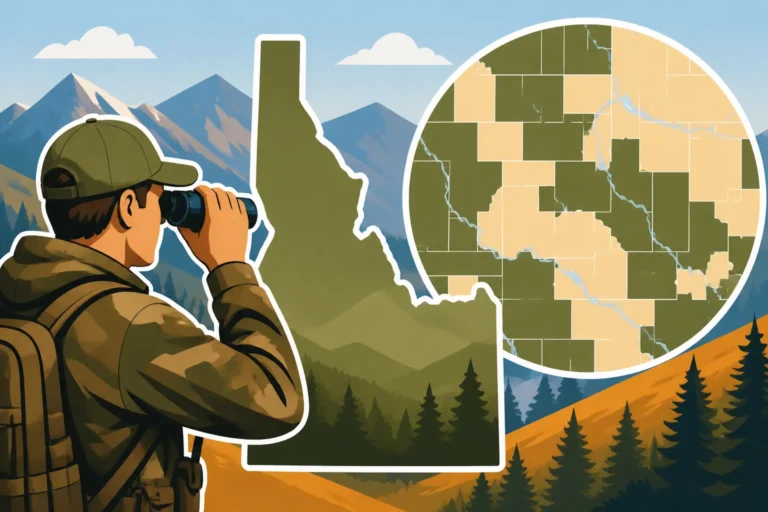
First and foremost, you'll see physical signage. These are typically bright yellow or green signs, clearly marked with the "Access Yes!" logo and often detailing the specific rules for that particular parcel. These signs are your official notification that access has been granted for specific activities and under certain conditions. They'll be posted at common entry points, along fence lines, and at key junctions. Second, and increasingly important in our digital age, these properties are integrated into mapping systems. Digital mapping tools like onX Hunt and GoHunt are absolutely invaluable here. They often feature a layer that clearly highlights Access Yes parcels, displaying their boundaries, designated parking areas, and entry points. This digital integration allows you to scout these areas from your couch, plan your approach, and confirm boundaries before you even set foot on the ground. For more on this, you might find Finding Access Yes Properties on a Map particularly helpful.
The Core Question: Is Separate Permission Needed?
This is the big one, and it's where most of the confusion arises. Let's get straight to it: No, you do not need separate, additional permission from the landowner for an Access Yes parcel. The agreement between the landowner and Idaho Fish and Game, formalized by the posted signs and listed on official maps, is the permission. This is the cornerstone of the Access Yes program and its greatest benefit to us as hunters.
When you see those distinctive Access Yes signs, you can confidently proceed, knowing that you are legally on private land with the express permission of the landowner, facilitated by the state. Attempting to contact the landowner for further permission is usually unnecessary and, in some cases, might even be an annoyance for them, as they’ve already granted their consent through the program. The beauty of Access Yes is that it removes the often-awkward and time-consuming process of cold-calling or door-knocking landowners for permission. You're already good to go, provided you follow the posted rules. This stands in stark contrast to other private lands where Getting Landowner Permission in Idaho is an absolute prerequisite before you can even think about setting foot on the property.
Deciphering the Specifics of Access Yes Rules
While the Access Yes program grants broad access, it's crucial to understand that "access" isn't a blanket term. Each parcel often comes with its own unique set of specific rules and regulations that must be meticulously followed. Ignoring these can quickly turn a legal hunt into an illegal one.
Understanding Posted Regulations on Each Parcel
You might think that once you see an "Access Yes" sign, you're free to roam as you please, but that's a common misconception that can lead to big problems. Each Access Yes property typically has its own specific set of rules, clearly posted on signs at entry points and along the boundaries. These aren't mere suggestions; they are legally binding conditions of your access. It's your responsibility as a hunter to read, understand, and adhere to every single one of them.
These rules often dictate key aspects of your visit. For instance, many parcels are designated "Walk-In Only," meaning no motorized vehicles are allowed beyond a certain point. You might find "Designated Parking Area Only" signs, indicating exactly where you can leave your truck without impeding agricultural operations or blocking access for others. Other common restrictions include "No Target Shooting," "No Littering," "Gates Must Remain Closed," or specific dates and times when access is permitted. The landowners establish these rules in collaboration with IDFG to protect their property, livestock, and other interests, and to ensure the program remains viable. Disregarding them not only puts your hunt at risk but also jeopardizes the entire Access Yes program for everyone else. For a detailed rundown on these expectations, check out Access Yes Rules Hunters Must Follow.
Using Digital Tools for Pre-Scouting and Navigation
In today's hunting landscape, technology is your best friend, especially when it comes to navigating the intricacies of Access Yes lands. Before you ever hit the road, make it a habit to fire up your preferred mapping application, like onX Hunt or GoHunt. These apps are specifically designed to help you understand land ownership and access, making them indispensable for utilizing Access Yes parcels.
When you view a potential hunting area on one of these apps, you'll notice different color overlays indicating land ownership—public, private, and often a distinct color for Access Yes properties. Zoom in closely on these designated parcels. The best apps will not only show you the boundaries but might also display specific access points, recommended parking areas, and sometimes even a summary of the parcel's unique rules directly on the map. This capability allows you to pre-scout the terrain, identify entry and exit strategies, and mentally prepare for any access limitations (like walk-in only sections). By using these tools effectively, you can avoid unknowingly crossing onto restricted private land and make the most of the access provided. Understanding Reading a Land Ownership Layer Correctly is a skill every hunter needs, particularly when dealing with mixed land ownership.
The Risks of Disregarding Access Yes Guidelines
It’s easy to get excited about new hunting ground, but letting that excitement override common sense or a careful reading of the rules can have severe repercussions. Disregarding the posted guidelines on an Access Yes parcel isn't just a minor infraction; it's a serious violation of the landowner agreement and can lead to legal trouble. Since the posted signs are the permission, violating their terms is essentially a form of trespassing.
The consequences can range from a verbal warning from a landowner or IDFG official to being cited for trespassing, which could involve significant fines, potential loss of hunting privileges, and even confiscation of your equipment. Beyond the legal ramifications for you personally, there's a broader, more impactful consequence: the very future of the Access Yes program. When landowners experience repeated rule violations, property damage, or disrespect from hunters, they often choose to withdraw their land from the program. This reduces the overall amount of huntable acreage available to everyone, penalizing responsible hunters because of the actions of a few. Every hunter utilizing Access Yes lands becomes an ambassador for the program, and upholding good ethics and strict adherence to the rules is crucial for its continued success. For insights on navigating private land in general, consider familiarizing yourself with Trespass Law on Posted Idaho Property.
Maximizing Your Opportunities on Access Yes Land
With a clear understanding of what Access Yes is and how to properly use it, you can now strategically incorporate these parcels into your hunting plans. These lands often represent unique opportunities that can be overlooked or underestimated by other hunters.
Strategic Considerations for Hunting Access Yes Parcels
Don't just view Access Yes parcels as simply "more land to hunt." Think of them strategically. Many of these properties are chosen by IDFG because they serve as vital connectors, providing access to public lands that might otherwise be completely landlocked. Imagine having a significant block of National Forest or BLM ground that’s inaccessible due to surrounding private property; an Access Yes parcel could be your golden ticket in. This means you might use the Access Yes land primarily as a thoroughfare to reach deeper, less pressured public ground.
Consider also the timing and potential hunter pressure. While Access Yes opens land to the public, this can sometimes mean higher hunter density, especially on easily accessible parcels during opening weekends. However, some walk-in only properties, or those requiring a longer hike, might offer a surprisingly solitary experience once you get away from the immediate entry points. Adapt your hunting style to the specific parcel and species. A brushy Access Yes property might be perfect for still-hunting whitetails, while a more open, hilly one could be ideal for glassing mule deer. Knowing the type of terrain and typical game behavior in the region will help you decide if it's best for still-hunting, setting up a blind, or more mobile tactics.
How Access Yes Differs from Other Public and Private Lands
Access Yes truly operates in a unique space, being neither fully public land nor traditional, permission-required private land. It's a fantastic hybrid model that offers distinct advantages, but also requires a nuanced understanding of its operational framework compared to other land types. On standard public lands, like National Forests or BLM ground, the general expectation is open access for hunting (with adherence to state and federal regulations), but these areas can be vast and often heavily pressured or difficult to reach. Hunting Idaho's National Forests and BLM Ground provides a great overview of these traditional public access areas.
In contrast, typical private land demands direct, explicit permission from the owner every time you wish to enter. This can be a time-consuming and often fruitless endeavor, as many landowners are hesitant to grant access. Access Yes sidesteps this barrier by front-loading the permission process through an agreement with the state. It's also different from leased private ground, where a landowner enters into a private contract with an outfitter or a group of hunters, effectively closing that land to everyone else. Access Yes is specifically designed for broad public recreational use, including hunting, making it a democratizing force in land access. These parcels often hold resident game or serve as critical transition zones for animals moving between various habitats, making them excellent places to intercept wildlife.
Contributing to the Program's Success
The longevity and expansion of the Access Yes program rely heavily on the collective conduct of every hunter who utilizes it. Think of every visit as an interview for the program's future. By consistently demonstrating respect for the land and the landowner's rules, we build trust and encourage continued participation. Always pack out more than you pack in, leave gates as you found them (open or closed), and report any observed violations to IDFG. This helps law enforcement maintain the integrity of the program and holds accountable those who might jeopardize it for others.
Furthermore, consider actively engaging with IDFG. If you have an exceptionally positive experience on an Access Yes parcel, or if you identify an area where improvements could be made, providing constructive feedback is invaluable. Your input can help the department refine the program, identify successful partnerships, and address challenges. Ultimately, your hunting license and tag fees directly contribute to funding initiatives like Access Yes. Understanding that your investment helps create and maintain these crucial access opportunities fosters a sense of stewardship and encourages continued support for conservation efforts that directly benefit all hunters. For a deeper dive into the program, be sure to read The Idaho Access Yes Program Explained.
| Feature | Access Yes Parcel | Regular Private Land | Public Land (e.g., National Forest, BLM) |
|---|---|---|---|
| Permission Needed? | No additional permission if rules are followed | Yes, direct permission from landowner is mandatory | No, generally open to public (check local rules) |
| Cost to Hunter? | No direct fee beyond license/tag | Varies: often free with permission, sometimes leased | No direct fee beyond license/tag |
| Rules & Limits | Specific to parcel, posted on signs, must follow | Set by landowner, agreed upon during permission request | General state & federal regulations, sometimes local rules |
| Boundaries | Clearly marked with Access Yes signs, use mapping apps like onX Hunt or GoHunt | Often posted "No Trespassing," rely on maps & local knowledge | Usually well-defined, use mapping apps to confirm |
| Enforcement | IDFG & landowners | Landowner, local law enforcement | IDFG, Forest Service, BLM, local law enforcement |
| Hunter Impact | Critical for program longevity, respect rules | Direct relationship with landowner, build trust | Follow all regulations, leave no trace |
Disclaimer
This article is for general informational purposes only and does not constitute professional advice. Laws, prices and regulations vary by location and change over time. Consult a qualified professional for guidance on your specific situation.