Two-Bear Limits in Some Idaho Units
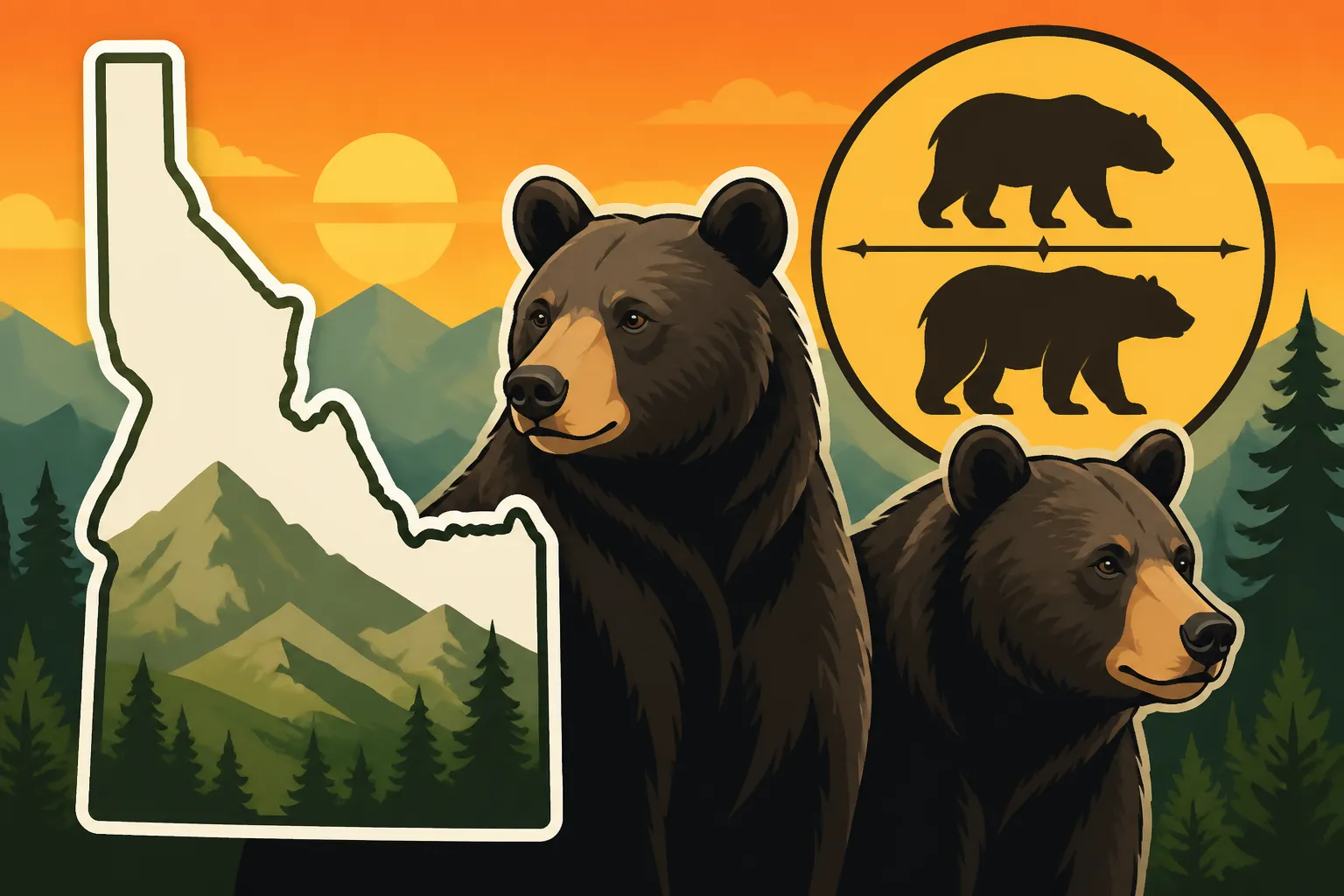
For many hunters, the idea of bagging a bear is a once-in-a-season dream, and often, regulations across the West limit you to just one. So, when you hear whispers of a "two-bear limit" in Idaho, it can feel a little confusing, even contradictory to what you've come to expect. This guide will walk you through exactly where and how Idaho's unique two-bear limits apply, helping you understand this exciting opportunity and plan your hunt accordingly.
Understanding Idaho's Black Bear Regulations
Idaho is a special place for bear hunting, with healthy populations and diverse landscapes. However, like any game management, the rules are designed to maintain that balance, and sometimes that means offering more opportunity where the bear numbers can sustain it.
The General One-Bear Rule
Typically, when you apply for or purchase a black bear tag in Idaho, it's for a single animal. This is the common understanding for bear hunters across many states and is usually the default setting on your license and tag. Most hunters, when they head into the timber or set a bait site, are doing so with the intention of harvesting one bear for the season, carefully selecting their animal and making the most of that single opportunity. It’s a standard approach that ensures sustainable harvest rates while still providing ample hunting experiences. The cost of a bear tag usually reflects this single-harvest opportunity, and it's what most people budget for when planning their hunt.
Why Some Units Deviate
So, why would Idaho allow a two-bear limit in certain units? It boils down to careful biological management and specific population dynamics within those areas. Idaho Fish and Game biologists continually monitor bear populations, habitat conditions, and harvest success rates. In units where bear numbers are particularly robust, where there's ample forage, and where the population growth is strong, the state can afford to offer additional harvest opportunities without impacting the long-term health of the bear population. Sometimes, this can also be a proactive measure to manage potential depredation issues in areas where bears might come into conflict with livestock or agricultural interests. These units are often characterized by dense timber, abundant food sources like huckleberries, and plenty of remote, wild country for bears to thrive. It’s a testament to the success of Idaho's wildlife management that they can offer these expanded opportunities, truly a bonus for dedicated bear hunters.
Identifying Units with Two-Bear Limits
Finding these special units isn't always as simple as a blanket statement across the entire state. Idaho's regulations are highly localized, and what applies in one game management unit might be completely different just a few miles down the road.
How to Find the Specific Units
The absolute best and most crucial resource for identifying units with two-bear limits is the current year's Idaho Big Game Regulations. These are available both online through the Idaho Fish and Game website and as physical booklets at license vendors across the state. You absolutely cannot rely on last year's regulations or hearsay, as these specific unit regulations can and do change annually based on biological assessments. When you open the regulations, pay close attention to the black bear sections, specifically looking for tables or text that denote a "second bear tag" or "additional bear tag" opportunity within particular game management units or zones.
Beyond the official state regulations, resources like GoHunt can be invaluable. These platforms often aggregate and present this complex regulatory information in a more user-friendly format, complete with mapping tools that can overlay unit boundaries and highlight special regulations. While third-party sites are excellent for planning and initial research, always cross-reference with the official Idaho Fish and Game regulations to ensure you have the most up-to-date and accurate information before you commit to a hunt. The Idaho Hunt Planner Is the Tool to Start With as it allows you to dive deep into unit-specific rules and season dates.
Examples of Units
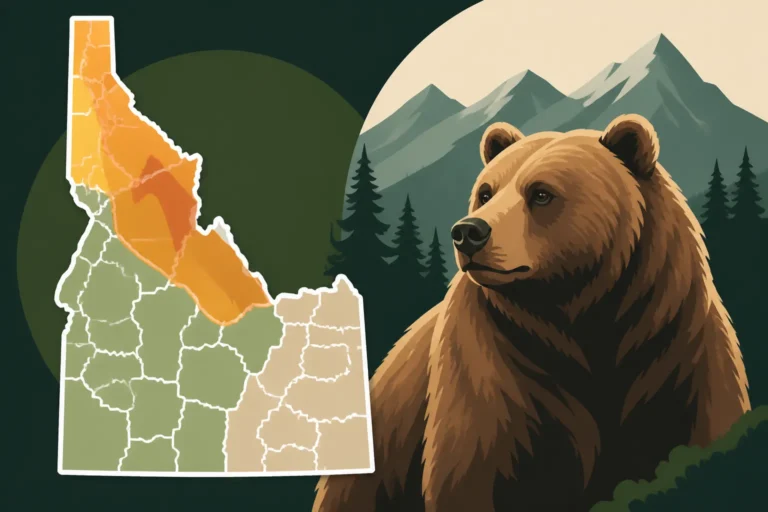
While I can't provide current unit numbers (as those can change with each new regulation cycle), I can describe the types of units that historically or hypothetically might offer two-bear limits. Often, you'll find these opportunities in the expansive, heavily timbered regions of northern Idaho, particularly within the Panhandle or Clearwater zones. These areas are characterized by vast tracts of public land, abundant natural food sources, and significant wilderness areas, all contributing to healthy bear populations. For instance, imagine a unit deep in the Clearwater National Forest, known for its dense stands of conifer and a strong huckleberry crop. In such a unit, with a high Idaho Black Bear Population and Density, the state might decide that two bears per hunter is sustainable. Another example could be units bordering agricultural areas or private timber lands, where increased bear numbers might lead to nuisance issues, and a higher harvest limit helps mitigate those conflicts. Hunters might find these opportunities available during both Idaho Spring Bear Runs From April Into Summer and fall seasons, though the specifics will always be detailed in the annual regulations. Always double-check the exact unit boundaries and regulations to confirm, as a unit adjacent to a two-bear unit might still only allow one.
Navigating the Two-Bear Hunt
Once you've identified a unit with a two-bear limit and decided to pursue this unique opportunity, there are some practical steps and strategic considerations to keep in mind. It's more than just buying another tag; it's about planning a hunt that maximizes your chances and adheres to all the rules.
Securing Your Second Bear Tag
It's critical to understand that the "two-bear limit" doesn't automatically mean you get two tags for the price of one, or that your initial tag magically covers two animals. In almost all cases, if a unit allows for a second bear, you will need to purchase a second physical bear tag. This is an additional expense beyond your initial hunting license and first bear tag, so make sure to factor that into your hunt budget. You can usually purchase these second tags online through the GoOutdoorsIdaho system or from any authorized Idaho Fish and Game license vendor. Don't wait until you've got one bear on the ground to think about the second tag; have it in your pocket, fully signed and validated, before you head out for your hunt. Missing this crucial step could lead to significant legal trouble.
Strategies for a Two-Bear Opportunity
Having the option for a second bear can profoundly influence your hunting strategy. If you're planning a trip to one of these units, you might consider extending your hunt duration or diversifying your tactics. For example, some hunters might choose to focus on Baited Against Spot and Stalk Bear Hunting, setting up a legal bait station for their first bear, and then transitioning to a spot-and-stalk approach in different terrain for their second. This allows you to capitalize on different hunting styles and the various habits of bears. Perhaps you harvest your first bear early in the season, during the initial green-up in spring, and then return later in the Idaho Fall Black Bear Controlled Hunt Timing to target a different area. Remember, baiting requires specific permits and registration of your site, so be sure to read up on Registering a Bear Bait Site in Idaho well in advance. Having a second tag can also encourage you to be more selective with your first bear, perhaps holding out for a larger boar, knowing you have another chance for a different animal later. However, harvesting two bears is a physically demanding endeavor. You need to consider the logistics of field dressing, packing out, and processing two large animals, especially if you're deep in the backcountry.
Important Considerations and Best Practices
Successful bear hunting, especially when pursuing a two-bear limit, requires meticulous planning, adherence to regulations, and a commitment to ethical practices. It's about being prepared for every eventuality.
Season Dates and Weapon Restrictions
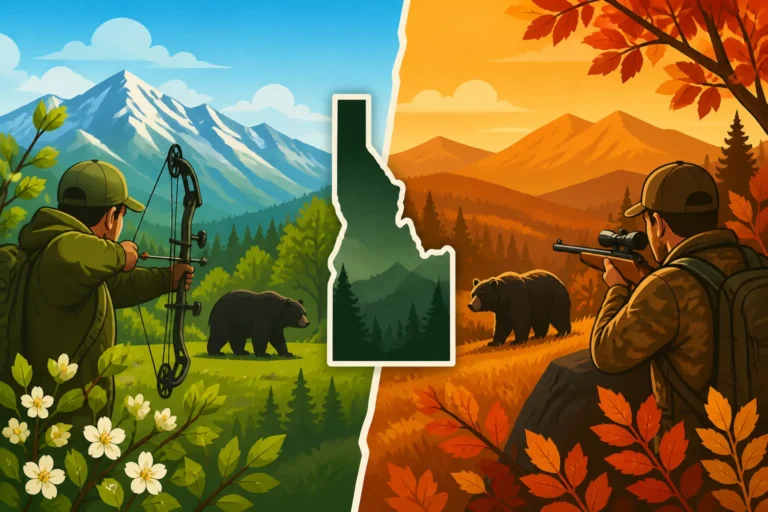
Just because a unit has a two-bear limit doesn't mean the season dates are consistent across the entire season or even between different units. Always check the specific open and close dates for bear season in your chosen unit. Spring bear seasons, for example, often run from April into early summer, while fall seasons typically kick off in late August or September and can extend through October or November, but these vary by unit. Spring Against Fall Bear Hunting Compared reveals different bear behaviors and therefore different hunting tactics. Beyond dates, pay close attention to any weapon restrictions. Some areas might have archery-only periods, while others permit general weapons like rifles or muzzleloaders throughout the season. Ensure your chosen weapon is legal for the specific season and unit you're hunting. Ethical hunting also means being proficient with your weapon and understanding bear anatomy for clean, quick harvests. Shot placement is paramount, especially on bears, to avoid wounding an animal that could then escape into thick cover.
Reporting and Tagging Requirements
Idaho has very clear and strict rules for harvest reporting and tagging, and these are particularly important for bears. Immediately after harvesting an animal, you must validate and attach your tag to the carcass as specified in the regulations. This usually means filling out the date, time, and unit of kill, and attaching it to the ear or leg of the bear. Furthermore, bears often require mandatory reporting to Idaho Fish and Game within a certain timeframe, sometimes within a matter of days. This might involve an online report or physically bringing the skull and hide to a regional Fish and Game office for inspection. These inspections are crucial for biologists to collect important data on age, sex, and health, which in turn informs future management decisions, including whether two-bear limits can continue. Ignoring these requirements can lead to citations and penalties, so read the regulations thoroughly.
Beyond the Harvest
Harvesting a bear, or two, is a significant undertaking that extends beyond the moment of the shot. Idaho law includes meat salvage requirements for big game, meaning you must make every reasonable effort to retrieve and care for the edible portions of the animal. This means having a plan for proper field dressing and cooling the meat, especially in warmer spring temperatures. If you're hoping for a rug or a skull mount, proper hide care is essential immediately after the kill. This includes skinning the bear carefully and preserving the hide to prevent hair slippage. Consider bringing a separate game bag specifically for the hide to keep it clean and protected. Also, be intensely aware of your surroundings, especially if you're in an area where grizzlies might roam. Knowing Grizzly Identification for Idaho Bear Hunters is not just good practice, it's a legal and safety imperative. Understanding the differences between black bears and grizzlies is critical, as grizzlies are federally protected, and harvesting one mistakenly would lead to severe legal consequences. For further planning, remember that information from resources like GoHunt can provide valuable insights into typical bear behavior and habitat use, helping you prepare for all aspects of your hunt.
Hypothetical Comparison of Bear Hunting Units
To illustrate how varied the regulations can be, here's a hypothetical table comparing two different units that might exist within Idaho's extensive bear country. Remember, these are illustrative examples, and current regulations must always be consulted.
| Feature | Hypothetical Unit A (Single Bear Limit) | Hypothetical Unit B (Two-Bear Limit) |
|---|---|---|
| Location | Central Idaho, mountainous terrain | Northern Panhandle, dense timber |
| Primary Habitat | Mixed conifer, open slopes | Heavy conifer, huckleberry thickets |
| Bear Population Density | Moderate to High | Very High |
| Season Length | Standard (e.g., 6 weeks spring) | Extended (e.g., 8 weeks spring, plus fall) |
| Additional Tag Cost | Not applicable | Required for second bear |
| Hunting Pressure | Moderate | Higher in accessible areas |
| Likely Rationale | Stable population, general management | Robust population, potential for growth |
This table helps visualize the differences that prompt Idaho Fish and Game to implement varying limits. Units like "Unit B" often have a Where Black Bear Density Runs Highest, allowing for these expanded opportunities. Planning your trip with these differences in mind will significantly enhance your hunting experience and success.
Disclaimer
This article is for general informational purposes only and does not constitute professional advice. Laws, prices and regulations vary by location and change over time. Consult a qualified professional for guidance on your specific situation.