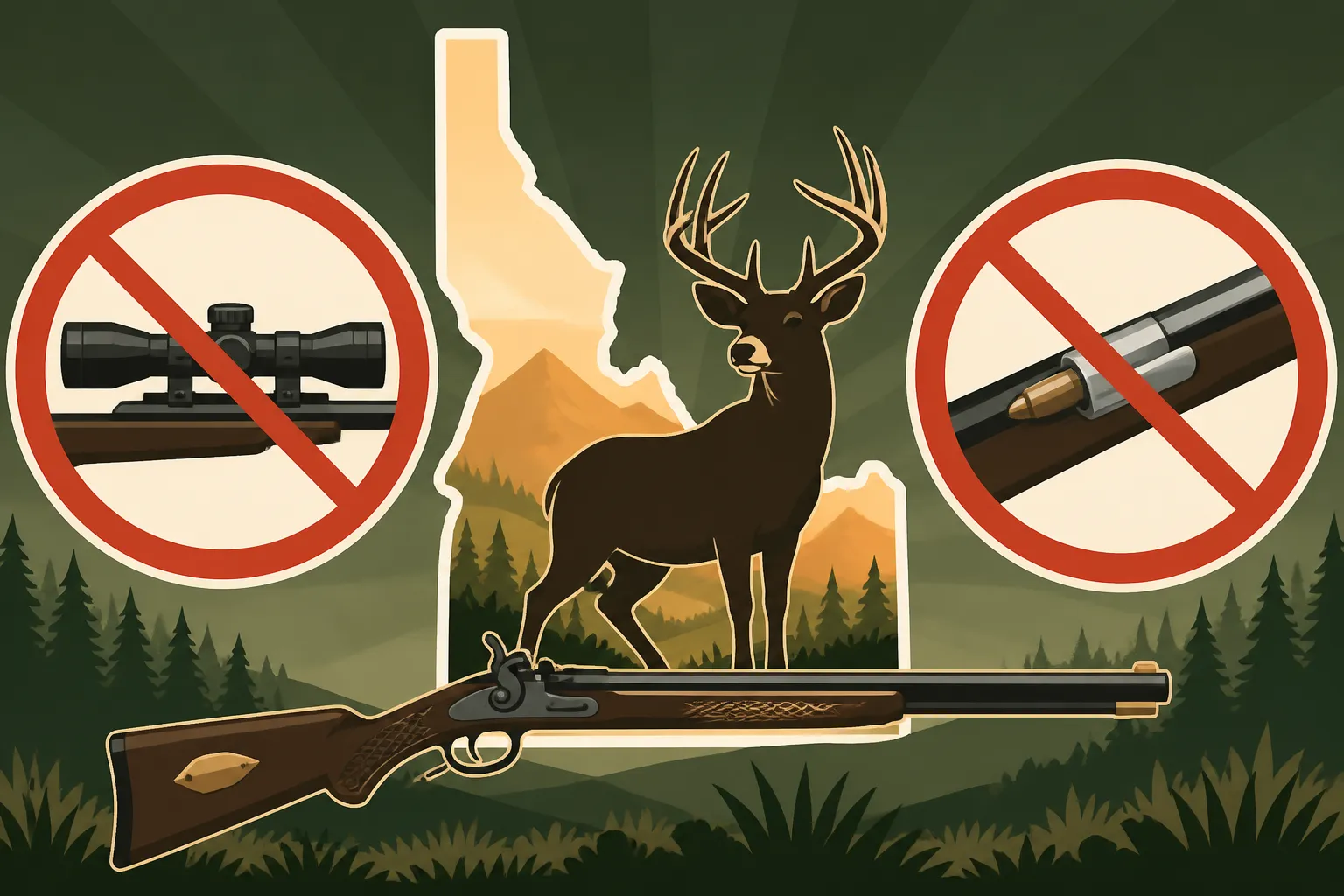
Why Idaho Muzzleloader-Only Hunts Ban Scopes and Inline Ignition
It can be incredibly frustrating to dive into Idaho's hunting regulations, especially when you're trying to understand the nuances of a specific weapon season. You've got your heart set on a muzzleloader hunt, imagining those crisp fall mornings, only to be met with a rulebook that feels like it's written in another language, banning things like scopes and inline ignition for "muzzleloader-only" hunts. It feels counterintuitive, doesn't it? This guide will cut through the confusion, explaining precisely why Idaho has these specific rules, what they mean for you in the field, and how to embrace the unique challenge they present.
Understanding the Spirit of Muzzleloader Hunting in Idaho
When Idaho Fish and Game lays down regulations for "muzzleloader-only" seasons, they're not just throwing darts at a board. There's a deeply rooted philosophy, a dedication to a particular kind of hunting experience, that informs these choices. It’s about more than just harvesting an animal; it's about how you do it, the skills you employ, and the challenge you accept. This distinct approach sets these seasons apart from the broader "any weapon" opportunities.
A Nod to Tradition and Skill
At its core, Idaho's approach to muzzleloader-only seasons is a heartfelt nod to tradition. Imagine the early frontiersmen, relying on simple, effective firearms to put food on the table. Their rifles didn't have high-powered optics or enclosed ignition systems that shrugged off the elements. They were rudimentary, and they demanded a higher level of skill, patience, and woodsmanship from the hunter. This historical context is vital to grasping the intent behind the rules.
These regulations are designed to recreate a hunting scenario that tests a hunter's fundamental skills. It's about stalking closer, reading the wind more precisely, and understanding animal behavior intimately because your effective range is dramatically reduced. The challenge isn't just in finding the animal, but in closing the distance to make a clean, ethical shot with less technological assistance. It forces hunters to slow down, to observe more, and to become truly immersed in the landscape, echoing the methods of hunters from generations past. It’s a pursuit where the journey and the skills honed are as important as the outcome.
Why "Muzzleloader Only" Is Different from "Any Weapon"
It's easy to get confused because Idaho does allow modern inline muzzleloaders with scopes in general "any weapon" seasons, or even in some specific "muzzleloader" seasons that aren't designated as "muzzleloader-only." This distinction is absolutely crucial. An "any weapon" season is exactly what it sounds like: if it's a legal firearm for big game, you can likely use it. This includes modern muzzleloaders with all their contemporary bells and whistles, like telescopic sights and sealed breach plugs.
However, when you see a season explicitly labeled "muzzleloader-only," that's Idaho Fish and Game drawing a clear line in the sand. This specific designation signals a return to a more primitive weapon type, restricting features that significantly enhance range, accuracy, and reliability in adverse conditions. The intent here is not to outlaw modern muzzleloaders altogether, but to create a specialized hunting opportunity that honors the traditional challenges and rewards of true primitive weapon hunting. It's a way to provide diverse opportunities for hunters, ensuring that those who seek a more demanding, traditional experience have seasons tailored just for them.
The Rules on Scopes: Keeping It Old School
One of the first things that trips up modern hunters transitioning to muzzleloader-only seasons is the outright ban on scopes. In an age where high-powered optics are commonplace on almost every hunting rifle, reverting to iron or peep sights can feel like a significant handicap. But this restriction is entirely intentional, directly serving the ethos of traditional muzzleloading.
The Challenge of Open and Peep Sights
For those accustomed to looking through 3-9x or even 12x magnification, switching to open or peep sights is a completely different ballgame. Open sights, often consisting of a rear notch and a front post, require careful alignment and a clear understanding of your rifle's point of impact at various distances. They’re simple, rugged, and effective, but demand precise technique. Peep sights, on the other hand, use a small aperture at the rear that you look through, naturally centering the front sight post. Many traditionalists find peep sights faster and more accurate than open sights, especially as their eyes age.
The real challenge with both types of sights comes down to target acquisition and precision beyond relatively short distances. A deer at 150 yards looks much smaller through a peep sight than through a magnified optic. This means you, as the hunter, have to actively work to get closer to your quarry. It forces you to refine your stalking skills, to utilize cover more effectively, and to become a more patient and strategic hunter. It's not about making a difficult shot from afar, but about executing a precise shot up close. If you're looking for an in-depth dive into these optics, our guide on Open and Peep Sights Only in Muzzleloader-Only Hunts offers a great resource.
Why Magnification Is Banned for These Specific Seasons
The reason Idaho explicitly bans telescopic or magnified sights in muzzleloader-only seasons boils down to maintaining the primitive weapon aspect and ensuring fair chase. A magnified optic dramatically extends a hunter's effective range and greatly increases the ease of target identification, especially in thick timber or at dawn and dusk. By removing this technological advantage, the playing field is leveled, and the hunt becomes more about the hunter's woods skills than the equipment’s capability.
Imagine a dense lodgepole pine forest. With a 9x scope, you might be able to pick out the details of a deer standing 200 yards away, making an informed shot decision. With iron sights, that same deer is a blurry shape, requiring you to close the distance significantly to ensure a clean, ethical kill. This restriction forces hunters to engage in closer-range encounters, which often means more intense stalks, more physical exertion, and a deeper understanding of the animal's habits. It reduces the likelihood of long-range shots where precise bullet placement becomes increasingly difficult with slower-moving muzzleloader projectiles, thus promoting more ethical hunting.
Navigating Low Light and Long Shots Without Modern Optics
Hunting conditions are rarely perfect, especially in the rugged terrain of Idaho. Low light, whether at first light or last light, can make acquiring a clear sight picture with open or peep sights incredibly difficult. The small aperture of a peep sight or the fine front post of an open sight can become almost invisible against a dark background or in deep shadows. This means hunters must adjust their strategies, focusing their efforts during prime light conditions or opting for areas with more open visibility.
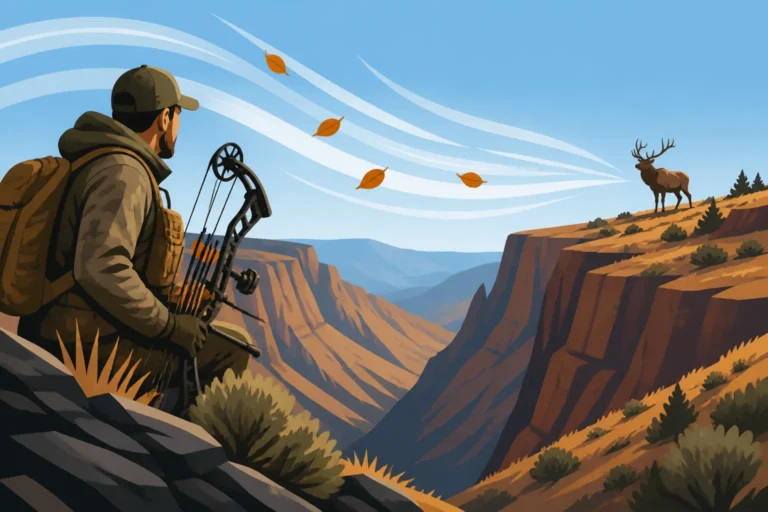
Similarly, "long shots" take on an entirely different meaning with traditional muzzleloaders. While a modern centerfire rifle might be effective out to 400 or 500 yards or more, a traditional muzzleloader with open sights is typically most effective within 100-150 yards, often much closer for reliable ethical kills on big game like elk. This necessitates a fundamental shift in hunting tactics. You can't just spot an animal across a canyon and set up for a shot; you have to plan a meticulous stalk that brings you within the effective range of your chosen setup. This focus on close-quarters hunting reduces the chances of wounding an animal and increases the likelihood of a clean, humane harvest, aligning with conservation principles.
Inline Ignition: A Modern Advancement Deemed Too Efficient
Beyond the scope debate, the ban on inline ignition systems is another key differentiator for Idaho's muzzleloader-only hunts. This regulation directly addresses the reliability and ease of use that modern inline muzzleloaders offer, contrasting them with the more rudimentary exposed-cap systems of traditional black powder firearms.
Exposed Cap vs. Enclosed Primer Systems
To understand this rule, you need to know the difference between the ignition systems. Traditional muzzleloaders, whether flintlock or percussion, typically use an "exposed cap" system. For percussion rifles, this means a small percussion cap is placed on an exposed nipple, which the hammer strikes to ignite the powder charge. For flintlocks, it’s a flash pan and flint that creates a spark. Both are susceptible to the elements. Rain, snow, or even heavy fog can quickly compromise an exposed cap, leading to misfires or hangfires—a hunter's nightmare in the field. This requirement is central to the rule, and our piece on The Exposed-Cap Ignition Rule Idaho Enforces explains it in great detail.
Modern inline muzzleloaders, however, employ an "enclosed primer system." These systems use a 209 shotshell primer, which is more powerful and, critically, much better sealed against moisture. The primer is typically housed within the breech plug, protected from the external environment. This significantly increases reliability, especially in wet conditions, making misfires much less common. Idaho's rule specifically targets this enhanced reliability, ensuring that hunters in muzzleloader-only seasons face the same ignition challenges as their historical counterparts.
The Reliability and Speed of Inline Ignitions
The advancements in inline ignition systems aren't just about weather resistance; they're also about speed and consistency of ignition. The powerful 209 primer, combined with a direct path to the powder charge, ensures a much faster and more consistent ignition compared to an exposed percussion cap or flintlock. This translates to less lock time (the time between the hammer falling and the projectile leaving the barrel), which can marginally improve accuracy and reduce the chance of flinching.
This added reliability and speed, while a boon for general hunting, is seen by Idaho Fish and Game as moving too far away from the "primitive" nature intended for these specialized seasons. The goal is to retain a certain level of inherent challenge and unpredictability that comes with older firearm technologies. Misfires and hangfires, while frustrating, are part of the traditional muzzleloading experience, demanding careful preparation, proper maintenance, and a deeper understanding of your firearm's nuances. It keeps hunters engaged in the process of ensuring their weapon is truly ready for the moment of truth.
Maintaining the "Primitive" Aspect of the Hunt
The decision to ban inline ignition systems directly supports the core objective of maintaining the "primitive" aspect of muzzleloader-only hunts. Modern inline muzzleloaders, with their sealed primers, synthetic stocks, and sometimes even interchangeable barrels, bear little resemblance to the traditional black powder rifles of yesteryear. They are, in many respects, highly efficient, purpose-built hunting machines that bridge the gap between historical muzzleloaders and modern centerfire rifles.
By stipulating exposed cap ignition, Idaho ensures that the hunter must contend with the realities that early frontiersmen faced: the meticulous care of their firearm to prevent moisture ingress, the critical importance of a dry cap, and the possibility of an unforeseen ignition failure. This adds a layer of challenge and skill requirement that elevates the hunt beyond simply pulling a trigger. It's about being prepared for all contingencies, understanding your equipment thoroughly, and accepting that the hunt itself is designed to be more demanding due to the limitations of the chosen weapon. It’s a deliberate choice to preserve a specific kind of hunting heritage and experience.
The Rationale Behind Idaho's Muzzleloader Regulations
Understanding the specific rules is one thing, but truly grasping the "why" behind them makes all the difference. Idaho's muzzleloader-only regulations are not arbitrary; they are carefully crafted tools used by Idaho Fish and Game to achieve several important conservation and management goals, all while providing unique hunting opportunities.
Promoting Fair Chase and Hunter Opportunity
A cornerstone of ethical hunting is the principle of fair chase, which essentially means giving the animal a reasonable chance to escape. By limiting technology, such as scopes and modern ignition systems, Idaho's muzzleloader-only seasons inherently promote fair chase. Hunters must rely more on their tracking, stalking, and woodsmanship skills to get within close, ethical range of an animal. This means the animal isn't easily picked off from extreme distances or in conditions where a modern rifle would offer a distinct advantage.
Furthermore, these regulations create distinct hunting opportunities. If all muzzleloader seasons allowed scopes and inline ignitions, they would essentially become just another "any weapon" season, often competing directly with modern rifle seasons. By imposing these traditional restrictions, Idaho provides a unique niche for hunters who seek a different kind of challenge. This helps diversify the hunting landscape, offering experiences that appeal to different preferences and skill sets, and in turn, spreads out hunting pressure. It's a way to ensure that the heritage of primitive hunting isn't lost in the march of technological advancement.
Managing Pressure and Harvest Rates
Wildlife management is a delicate balance, and hunting regulations are one of the primary levers Idaho Fish and Game uses to maintain healthy game populations. Muzzleloader-only seasons, with their inherent limitations, naturally result in lower hunter success rates compared to general rifle seasons. This lower success rate can be a critical tool in managing hunting pressure and harvest rates in specific units or zones.
For areas where elk or deer populations might need a bit of a break from intense pressure, or where managers want to ensure a healthy age structure in the herd, a muzzleloader-only season with traditional weapon restrictions can be an ideal solution. Because hunters must get closer and are less likely to make long-range shots in challenging conditions, the overall harvest is typically more controlled. This allows for additional hunting opportunities (more days in the field, or hunting in areas that are otherwise closed) without unduly impacting the population goals. It's a smart strategy to offer more chances to hunt while maintaining sustainable wildlife numbers. Using tools like GoHunt can help you assess the historic success rates in various units for these types of seasons, giving you a realistic expectation of the challenge ahead.
The Conservation Philosophy at Play
Beyond fair chase and harvest management, there's a broader conservation philosophy underpinning Idaho's muzzleloader rules. This philosophy values the tradition of hunting, the skills it cultivates, and the deeper connection to nature it fosters when practiced with rudimentary tools. It's about preserving a specific cultural heritage that is intertwined with wildlife conservation. When hunters embrace these traditional methods, they often develop a profound respect for the game and the landscape that goes beyond the trophy.
By emphasizing these more challenging methods, Idaho Fish and Game encourages a style of hunting that inherently places a higher value on ethical engagement and deep woodsmanship. This, in turn, contributes to a positive public image of hunting as a conservation tool, showcasing hunters as skilled, responsible participants in wildlife management. It's a way of saying that hunting isn't just about the kill; it's about the entire experience, the effort, and the respect shown to the wild places and their inhabitants. This long-term view strengthens the foundation for future hunting opportunities and robust wildlife populations.
Practical Implications for Idaho Muzzleloader Hunters
So, you've understood the "why" behind the rules, but what does it all mean when you're standing in the crisp Idaho air, muzzleloader in hand? These regulations have very real, practical implications for how you prepare, what gear you choose, and how you hunt. It's not just about compliance; it's about adapting your entire approach to succeed.
Gear Considerations for the Traditionalist
First and foremost, your gear list for an Idaho muzzleloader-only hunt will look different. Forget about that fancy scope you use on your rifle. You'll be relying on the iron or peep sights that come standard with your traditional muzzleloader. This means ensuring your sights are zeroed precisely for the distances you intend to shoot and that you're comfortable with them. Many experienced traditional muzzleloader hunters will swap out factory sights for higher-quality aftermarket options, like those from Williams Gun Sight Company or Lyman, which can offer better visibility and adjustability.
Beyond sights, consider the "exposed cap" rule. This means your inline muzzleloader (if you even considered one that might be adapted) is out. You'll need a traditional percussion or flintlock muzzleloader. This also changes your powder choice; stick with true black powder or black powder substitutes that are designed for exposed cap ignition, such as Pyrodex or Triple Seven. Our guide on Measuring Blackpowder Substitutes by Volume, Not Weight provides crucial details for safe and effective loading. You'll also need to carry spare percussion caps in a waterproof container and a reliable capper. When you're thinking about the kind of traditional muzzleloader that fits the bill, a classic .50 caliber rifle is a popular and effective choice for big game in Idaho, keeping in mind the Minimum Muzzleloader Caliber for Idaho Deer and Minimum Muzzleloader Caliber for Idaho Elk.
Developing Sharpshooting Skills with Basic Sights
This is where the rubber meets the road. Shooting accurately with open or peep sights requires practice, and lots of it. Your focus should shift from reaching out to extreme distances to achieving pinpoint accuracy at closer ranges. Spend significant time at the shooting range, practicing from various field positions: standing unsupported, kneeling, sitting, and prone. Simulate real hunting scenarios, perhaps by drawing your rifle quickly and acquiring a target, or practicing quick follow-up shots (though follow-up shots with a muzzleloader are certainly not "quick" compared to a repeater!).
Understanding your projectile's trajectory with your specific load and sights is paramount. Muzzleloader projectiles drop much faster than modern rifle bullets. You need to know your rifle's point of impact at 25, 50, 75, and 100 yards, especially since you won't have the luxury of a ballistic reticle or turret adjustments. Consider carrying a small rangefinder to confirm distances, but remember, the ultimate goal is to get close enough that range estimation becomes less critical and your traditional sights are more than sufficient for the shot. Don't underestimate the mental game; confidence in your ability to shoot accurately with open sights is just as important as the physical skill itself.
Scouting and Strategy for Close-Range Encounters
Since you're committed to close-range hunting, your scouting and in-field strategy need to adapt accordingly. You can't rely on spotting an animal a quarter-mile away and planning a leisurely stalk. Instead, think about pinch points, thick cover, and natural funnels where animals are likely to pass within 100 yards. Focus on finding fresh sign – tracks, rubs, scrapes, and droppings – in areas that offer good cover for a stalk. This means spending more time on the ground, less time behind high-powered spotting scopes from afar.
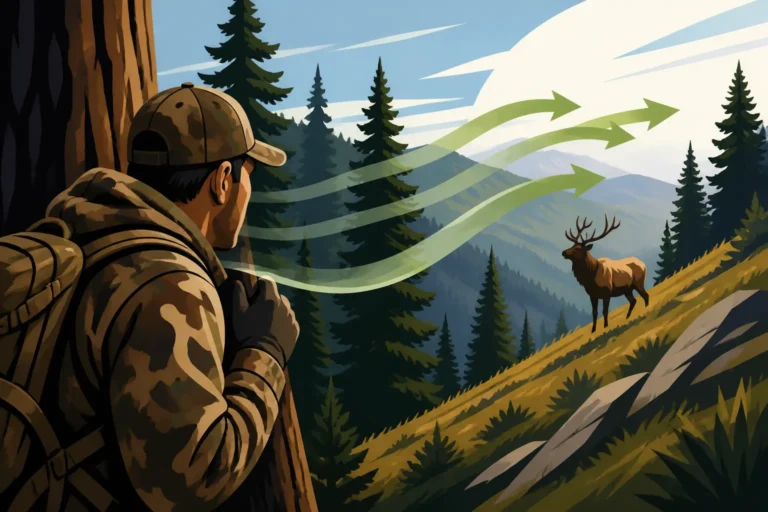
During the hunt, patience and stealth become your best friends. Still-hunting through dense timber, taking a few quiet steps and then stopping to listen and look, is a highly effective tactic. Utilize natural terrain features to break up your silhouette and mask your movements. Reading the wind direction is even more critical when you need to get close, as a swirling wind can bust your stalk instantly. This emphasis on intimate knowledge of the terrain and animal behavior makes the hunt incredibly rewarding. Planning with resources like the Idaho Hunt Planner Is the Tool to Start With can provide unit-specific insights, and for non-residents, understanding that A Tags Favor Archery and Muzzleloader Hunters can help align your tag choice with your hunting method.
Navigating Idaho's Broader Muzzleloader Rules
While the ban on scopes and inline ignition for muzzleloader-only seasons is a big one, it's just one piece of the larger regulatory puzzle in Idaho. To be a fully compliant and responsible hunter, you need to understand the other rules that govern muzzleloaders, especially regarding caliber and validation requirements.
Minimum Caliber Requirements for Big Game
Idaho isn't just concerned with how your muzzleloader ignites; it's also concerned with what it shoots. The state has specific minimum caliber requirements for hunting big game with a muzzleloader, designed to ensure humane and ethical kills. For deer, the minimum caliber is typically .45. If you're chasing elk, moose, or bighorn sheep, the minimum jumps to .50 caliber. This means your chosen muzzleloader must meet or exceed these requirements for the species you are hunting.
Using a muzzleloader that is too small for the animal you're pursuing significantly increases the risk of wounding without delivering a quick, ethical kill. The larger calibers are chosen for their greater energy transfer and ability to create a sufficient wound channel to dispatch large game efficiently. Always double-check the latest regulations from Idaho Fish and Game, as rules can occasionally be updated. Our detailed articles on the Minimum Muzzleloader Caliber for Idaho Deer and Minimum Muzzleloader Caliber for Idaho Elk offer more specific guidance. It's not enough to just have the right ignition system; you need to be delivering enough punch to get the job done right.
When a Muzzleloader Validation is Needed (or Not)
Another area that can cause confusion is the "muzzleloader validation." This is an additional stamp or endorsement on your hunting license that is required for certain muzzleloader seasons. The general rule of thumb is this: if you're hunting in a season explicitly designated as a "muzzleloader-only" hunt, you will need a muzzleloader validation. This validation signifies that you are aware of and agree to abide by the specific rules of those primitive weapon seasons, including the scope and inline ignition bans.
However, if you're using a muzzleloader during a general "any weapon" season, you typically do not need a muzzleloader validation. In these seasons, your muzzleloader is simply considered another legal firearm, much like a rifle or shotgun. You can use modern inline muzzleloaders with scopes and all the modern amenities. It’s critical to scrutinize the season regulations for your chosen unit and species. Don't assume. Always confirm whether that "MV" (Muzzleloader Validation) is required. Our post on When No Muzzleloader Validation Is Needed can help clear up some of the grey areas here, and understanding Using a Muzzleloader in Any-Weapon Season is also key.
Recapping Legal Muzzleloader Choices for Idaho
Let's quickly recap what a legal muzzleloader for Idaho's muzzleloader-only seasons looks like:
- Ignition: Must be an exposed cap system (percussion) or flintlock. Inline ignition (enclosed 209 primers) is generally prohibited.
- Sights: Must be open sights or peep sights. Telescopic, magnified, or fiber optic sights with magnification are forbidden.
- Caliber: Minimum .45 caliber for deer, .50 caliber for elk, moose, bighorn sheep.
- Powder: True black powder or approved black powder substitutes.
- Projectile: Typically patched round balls or conical bullets. Sabots are usually allowed.
- Loading: Must be loaded from the muzzle.
- Propellant: Must be loaded with loose powder. Pellets are often allowed, but check specific regulations as some traditionalists would argue against them.
It's a very specific list, and it's designed to ensure that the spirit of the hunt remains consistent with its primitive weapon designation. Always check the current Idaho Fish and Game regulations for any last-minute changes or unit-specific exceptions. A useful tool for looking up these detailed regulations and planning your hunt is GoHunt, which often aggregates state-specific rules and data, helping you to stay informed.
| Feature | Traditional Muzzleloader (Muzzleloader-Only Season) | Modern Muzzleloader (Any Weapon Season) |
|---|---|---|
| Ignition System | Exposed Percussion Cap / Flintlock | Enclosed 209 Primer (Inline) |
| Sights | Open sights or Peep Sights | Telescopic Scopes, Fiber Optics, Red Dots allowed |
| Caliber | .45 min. for deer; .50 min. for elk, moose, sheep | .45 min. for deer; .50 min. for elk, moose, sheep |
| Powder | Black Powder or approved substitutes (loose) | Black Powder, substitutes (loose or pelletized) |
| Loading | Muzzleloaded | Muzzleloaded |
| Reliability | Susceptible to moisture, more prone to misfires | High reliability, weather resistant |
| Challenge Level | High, requires closer approach and precise skill | Moderate, extended range and easier target ID |
| Validation | Muzzleloader Validation required | No Muzzleloader Validation required |
Embracing the Challenge: The Rewarding Aspect of Traditional Muzzleloading
At this point, you might be thinking that Idaho's muzzleloader-only rules sound like a lot of hassle. And yes, they do present a significant challenge. But for many hunters, this challenge is precisely the appeal. It transforms the hunt into something deeper, more personal, and ultimately, far more rewarding.
The Unique Thrill of a Hard-Earned Harvest
There's a feeling of profound accomplishment that comes with successfully harvesting an animal under these traditional restrictions. When you spend days meticulously scouting, master your open sights, endure the elements, and finally execute a perfect stalk to get within 75 yards of a bull elk, the satisfaction is immense. It's a testament to your personal skill, patience, and dedication, rather than just the capability of your gear.
This isn't to say that rifle or archery hunts aren't challenging, but the muzzleloader-only regulations add a distinct layer of difficulty that elevates the entire experience. Every successful hunt becomes a story of triumph over both the wilderness and the self-imposed limitations. You'll remember the details of that stalk, the sight picture, and the moment the smoke cleared, long after the meat is in the freezer. It truly is a hard-earned reward that resonates on a deeper level.
Connecting with Hunting Heritage
Hunting is more than just a sport; it's a tradition, a heritage passed down through generations. By embracing traditional muzzleloading, you're not just participating in a hunt; you're connecting with that heritage in a tangible way. You're walking in the footsteps of those who came before, experiencing a small taste of the challenges they faced and the skills they relied upon. This connection can be incredibly powerful, grounding you in a rich history.
Many traditional muzzleloader hunters speak of feeling a sense of timelessness in the field. The smell of black powder, the simple action of loading from the muzzle, the reliance on basic iron sights – these elements transport you back to an era when hunting was a fundamental part of survival and deeply intertwined with the land. It fosters a respect not only for the animal but for the entire lineage of hunters who have practiced this pursuit. It’s a powerful way to honor and perpetuate the hunting traditions that are so vital to our culture and conservation efforts.
Building Confidence and Expertise
Finally, taking on the challenge of a muzzleloader-only hunt is an incredible way to build your confidence and expertise as a hunter. When you can consistently hit targets with open sights, effectively stalk game in difficult terrain, and navigate the nuances of a traditional firearm, your overall hunting prowess improves exponentially. These skills are transferable to any other hunting method.
Think about it: if you can get within 100 yards of an elk with a muzzleloader and make an ethical shot, imagine how much more confident you'll feel with a modern rifle or even a bow when those opportunities arise. The lessons learned in patience, stealth, shot placement, and understanding animal behavior are universal. It pushes you beyond your comfort zone, forcing you to learn and adapt, and in doing so, you become a more capable, well-rounded, and resilient hunter. And that, my friend, is a reward that lasts long after the season ends.
Disclaimer
Please remember that hunting regulations, seasons, and requirements can change. While I strive to provide the most current and accurate information, it is always your responsibility as a hunter to consult the official Idaho Fish and Game regulations directly before planning any hunt. This guide is for informational purposes only and should not be considered a substitute for the official rulebook.