Why a Guide License Depends on an Outfitter
Many aspiring hunting guides in Idaho often wonder why they can't simply hang out a shingle and start leading clients into the backcountry. The truth is, Idaho's system is structured in a very specific way, meaning your ability to operate as a professional guide is intrinsically tied to a licensed outfitter. This guide will help clarify why this is the case, walking you through the intricate relationship between guides and outfitters, and what it means for anyone looking to hunt with a professional in the Gem State.
The Legal Framework: Why Idaho Structures It This Way
Idaho has a robust system in place for regulating the outfitting and guiding industry, a system designed primarily to ensure public safety, protect natural resources, and maintain a high standard of professionalism. This isn't just about collecting fees; it's about creating a framework of accountability that benefits both the hunters and the wild landscapes we all cherish. The state recognized early on that without proper oversight, the industry could become a free-for-all, leading to unsafe practices, resource degradation, and a general decline in the quality of guided experiences.
Understanding the Idaho Outfitters and Guides Licensing Board
At the heart of this regulatory system is The Idaho Outfitters and Guides Licensing Board Explained. This isn't just some bureaucratic office; it's the specific entity tasked with overseeing the entire industry. The Board sets the rules, evaluates applications, issues licenses, and handles any complaints that arise. Their mission is to safeguard the public's interest in wilderness adventures, while also promoting the responsible growth of the outfitting and guiding sector. Think of them as the gatekeepers, ensuring that anyone who takes money to lead a hunt or other outdoor excursion meets specific criteria.
Their authority extends to defining who can operate as an outfitter and, crucially, under what conditions a guide can work. Without this central authority, the standards would vary wildly, making it incredibly difficult for hunters to trust that they are hiring a legitimate and competent professional. This centralized oversight is fundamental to how the system functions.
The Concept of "Responsible Charge"
A cornerstone of Idaho's licensing philosophy is the concept of "responsible charge." Simply put, the outfitter is considered to be in "responsible charge" of all operations, including the actions of their guides. This means that when you book a hunt with an outfitter, they are legally accountable for the entire experience, from the moment you sign up until you depart. This accountability is precisely why guides cannot operate independently.
Imagine a situation where a guide, working without outfitter oversight, makes a critical error – perhaps they fail to properly secure game meat from bears, leading to a dangerous encounter, or they trespass on private land because they didn't have proper mapping. Without an outfitter in responsible charge, who is held accountable? Who ensures they have the proper insurance, permits, and training? This concept solidifies the outfitter as the primary legal and operational entity, with guides serving as their representatives in the field.
Protecting Public Lands and Resources
Hunting in Idaho often involves operating on vast tracts of public land, including national forests and BLM ground. These lands are managed by federal agencies, which issue specific permits for commercial activities like guided hunting. An individual guide cannot simply obtain these permits on their own. Instead, outfitters acquire these special use permits from agencies like the Forest Service or Bureau of Land Management.
These permits come with stringent requirements regarding environmental impact, safety, and operational standards. By centralizing this permit acquisition through licensed outfitters, Idaho and federal agencies can better monitor and manage the commercial use of public lands. This helps prevent overcrowding, resource damage, and ensures that guided activities adhere to the rules set forth by land managers, benefiting all users of these wild spaces. It's a collaborative effort to ensure sustainability and preservation for future generations of hunters and outdoor enthusiasts.
What an Outfitter Actually Does in Idaho
An outfitter in Idaho is far more than just a person who hires guides; they are the business entity that orchestrates the entire hunting or outdoor adventure experience. They handle all the intricate logistics, regulatory compliance, and business management that allow guides to focus on what they do best: leading clients in the field. Without a licensed outfitter, the infrastructure simply wouldn't exist for a guide to legally or practically operate.
Permits, Insurance, and Logistics
Consider the sheer volume of permits and legal documentation required for a hunting operation. A licensed outfitter needs to secure a state outfitter license from the Idaho Outfitters and Guides Licensing Board. Beyond that, if they operate on public land, they must obtain special use permits from the Forest Service or BLM for specific areas and activities. These permits dictate everything from camp locations to group sizes and often require detailed operating plans. How Outfitters Get a Forest Service Permit is a complex process involving environmental reviews and detailed proposals.
Then there's the critical matter of insurance. Any reputable outfitter carries substantial liability insurance to protect both their business and their clients in the event of an accident or unforeseen incident. This isn't something an individual guide can easily acquire or afford on their own. Outfitters also manage the logistical nightmares: securing transportation, arranging pack stock or jet boat access, sourcing food and gear, and ensuring all equipment meets safety standards. They are the backbone of the operation, providing the framework within which a guide can safely and legally work.
Marketing, Client Acquisition, and Trip Planning
Outfitters are also responsible for the business side of things – getting clients in the door. This involves extensive marketing efforts, whether through their own websites, social media, or advertising on platforms like BookYourHunt. They build a brand, showcase their expertise, and handle all client communications, from initial inquiries to booking confirmations. They establish the trip itineraries, discuss expectations with hunters, and ensure that clients are prepared for the physical and mental demands of an Idaho hunt.
This process involves a lot of direct communication, answering questions about licenses, tags, and what gear to bring. For example, a client might call an outfitter to ask about What a Fully Guided Idaho Elk Hunt Includes or details on Booking Around the Idaho Draw Calendar. The outfitter handles all these pre-trip preparations, ensuring a smooth transition from booking to the actual hunt. Without an outfitter taking on this considerable workload, individual guides would struggle immensely to fill their schedules and manage the administrative burden.
Managing Staff and Resources
An outfitter is a small business owner, responsible for hiring, training, and managing their entire team of guides, cooks, wranglers, and camp staff. They ensure that their guides meet Idaho's experience requirements, such as The Ten-Day Area Experience Guides Must Have in the specific hunting area. They also ensure guides have any specialized skills needed, like Horsemanship Requirements for Idaho Guides if packing in with horses.
This management role extends to equipment maintenance, vehicle upkeep, and ensuring there are enough resources – from tents and sleeping bags to first-aid supplies and satellite communication devices – for every trip. If a guide needs new rope for a bear bag or a repair on a saddle, the outfitter is the one who provides it. This centralized management ensures consistency, quality control, and the necessary financial backing to run a professional, safe, and successful operation.
The Guide's Role: Under the Outfitter's Umbrella
While the outfitter handles the overarching business and legal framework, the guide is the one who brings the adventure to life in the field. They are the face of the operation, the one sharing knowledge, ensuring safety, and working tirelessly to help clients achieve their hunting goals. However, all of this happens firmly under the outfitter's license and operational umbrella. A guide is an employee or contractor of the outfitter, not an independent operator.
Direct Client Interaction and Safety
A guide's primary role is to lead hunters directly in the field. This means navigating difficult terrain, making critical decisions in rapidly changing conditions, and ensuring the safety of their clients above all else. They are responsible for things like proper bear safety in grizzly country, safe handling of firearms, and knowing how to respond to emergencies. Whether it's a first-time hunter or a seasoned veteran, the guide is there to teach, advise, and physically lead them through the experience.
For instance, if a client is trying to glass a distant hillside for mule deer, the guide will be there to show them the ropes, helping them understand Glassing Breaks and Benches for Mule Deer or setting up a tripod for optimal viewing. They are constantly assessing the situation, from weather changes to wildlife behavior, and making real-time adjustments to keep everyone safe and on track. This direct, hands-on role is what most people imagine when they think of a hunting guide, and it's a demanding job that requires immense dedication and skill.
Specialized Skills and Local Knowledge
Good guides possess an intimate knowledge of the areas they hunt – not just the trails, but the nuanced behaviors of the game animals, the best spots for calling elk, or where a big mule deer buck might bed down. They spend countless hours scouting, learning the terrain, the water sources, and the local animal patterns. This is invaluable expertise that enhances the client's experience tremendously. They might know the best time for Bugle and Cow Call Timing Through September or how to find fresh sign in dark timber.
Beyond local knowledge, guides often bring specialized skills. This could be expert horsemanship for packing into remote wilderness camps, advanced tracking abilities, or proficiency in calling various game species. They are often masters of woodcraft, capable of setting up comfortable camps, cooking hearty meals, and navigating challenging conditions. These are the skills that transform a basic hunting trip into a memorable adventure, and outfitters rely on their guides to provide this level of expertise.
The Employer-Employee Relationship
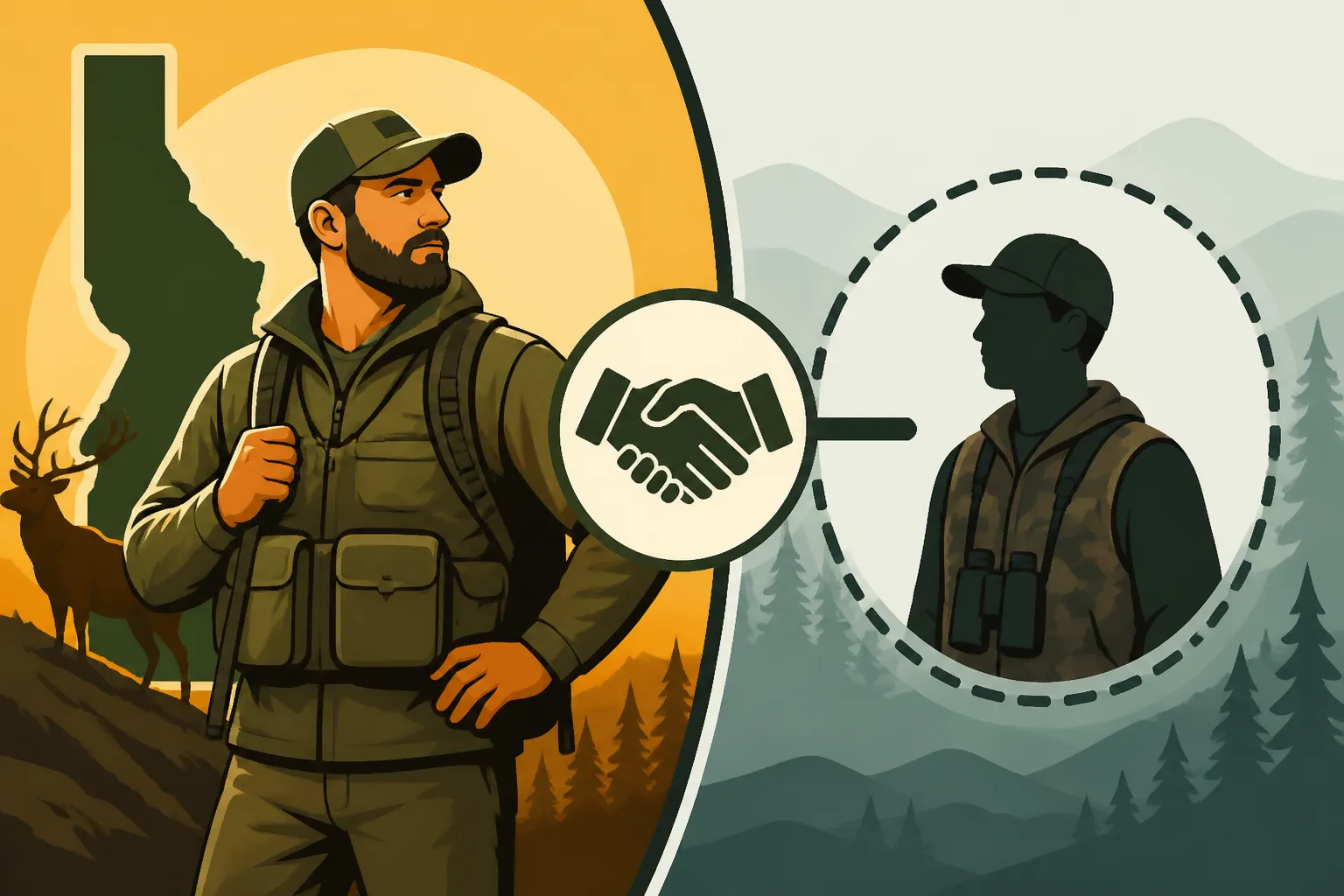
Crucially, in Idaho, a hunting guide operates as an employee or independent contractor under a licensed outfitter. This is not a casual arrangement; it's a formal employer-employee relationship that carries legal obligations. The outfitter is responsible for verifying the guide's qualifications, providing necessary training, ensuring they adhere to all regulations, and often supplying much of the gear. If a guide faces an issue in the field, they report to their outfitter, who ultimately holds the license and responsibility.
This structure also impacts how guides are compensated and how issues are resolved. Should a serious problem arise, it's the outfitter who faces the ultimate consequences from The Idaho Outfitters and Guides Licensing Board Explained, not just the individual guide. This reinforces the idea that the guide is an extension of the outfitter's licensed business, ensuring a clear chain of command and accountability.
The Licensing Process: Steps for Outfitters and Guides
The licensing process in Idaho clearly delineates the roles and responsibilities of outfitters and guides, emphasizing the dependent relationship. It's not a simple one-and-done application; it involves rigorous requirements designed to ensure that all professionals operating in the field meet specific standards of experience, safety, and business acumen.
Outfitter Licensing Requirements
Becoming a licensed outfitter in Idaho is a significant undertaking. Applicants must demonstrate extensive experience in the field, often proving years of guiding experience or operational management in similar outdoor businesses. They need to submit a comprehensive business plan, proof of adequate liability insurance, and detailed descriptions of the services they intend to offer. This includes specifying the geographic areas they will operate in and the types of hunts or trips they will conduct.
Furthermore, outfitters who operate on public lands must have the necessary federal land use permits already in place or demonstrate their ability to acquire them. The application often involves background checks and a review by the Idaho Outfitters and Guides Licensing Board. They want to see that the applicant has the financial stability, operational knowledge, and ethical grounding to run a responsible and safe business. It's a testament to the comprehensive nature of the outfitter's role that the requirements are so thorough.
Guide Licensing Under an Outfitter
For guides, the process is streamlined because they operate under an outfitter's license. An individual cannot apply for a guide license without first being sponsored by a licensed Idaho outfitter. The outfitter submits the guide's application, affirming that the guide meets the state's requirements. These typically include being at least 18 years old, holding a valid first-aid certification, and passing a background check.
Crucially, the guide must also demonstrate significant field experience, often including The Ten-Day Area Experience Guides Must Have in the specific area they will be guiding. This is why it's essential for aspiring guides to seek out and secure employment with an outfitter first. The outfitter essentially vouches for the guide's competency and takes responsibility for their actions while they are employed. The guide's license is thus a direct extension of the outfitter's authority and responsibility.
Annual Renewals and Compliance
Both outfitter and guide licenses require annual renewal, ensuring that standards are continuously met. Outfitters must update their insurance, permits, and any other relevant business information. They also need to maintain records of their guides' certifications and ensure they are all current. This ongoing compliance ensures that the business remains legitimate and adheres to all state and federal regulations.
For guides, renewal typically involves updating their first-aid certifications and ensuring they are still employed by a licensed outfitter. If a guide leaves one outfitter to work for another, the new outfitter must essentially "re-sponsor" them, ensuring the proper legal connection is maintained. This continuous cycle of renewal and verification is a critical part of maintaining the high standards of the Idaho outfitting and guiding industry.
The Benefits of This System for Hunters
While the layered licensing system might seem complex, it offers significant advantages for hunters who choose to hire a professional guide or outfitter in Idaho. The structure is specifically designed to provide a layer of protection and assurance that might be absent in states with less rigorous oversight. Knowing these benefits can help hunters make more informed decisions when planning their trips.
Ensuring Accountability and Professionalism
One of the most significant benefits is the accountability it creates. When you hire an outfitter, you're not just hiring an individual; you're engaging with a legally recognized business that is subject to state oversight. If something goes wrong, there's a clear entity to hold responsible. This encourages outfitters to maintain high standards, employ competent guides, and adhere to ethical practices. Filing a Complaint Against an Idaho Outfitter is a formal process precisely because the state wants to ensure these issues are addressed.
This system essentially filters out individuals who might not have the experience, ethics, or financial stability to run a safe and effective operation. It compels outfitters to invest in proper training, equipment, and client care, fostering a professional environment where quality service is paramount. As a hunter, this means you can expect a higher degree of professionalism and a greater likelihood of a well-organized and ethical hunt.
Standardized Safety and Ethical Practices
The state's oversight, through the Outfitters and Guides Licensing Board, mandates certain safety standards and ethical guidelines that all licensed operations must follow. This includes requirements for first aid, emergency preparedness, and responsible game handling. For example, knowing that your guide has current first-aid certification and operates under an outfitter who carries liability insurance provides immense peace of mind, especially when you're deep in the Idaho backcountry.
Moreover, the system helps uphold ethical hunting practices. Outfitters and their guides are expected to abide by all hunting laws and regulations, setting an example for their clients. This includes adhering to bag limits, season dates, and fair chase principles. This standardization helps protect Idaho's wildlife resources and ensures that the guided hunting industry operates in a manner that respects both the animals and the land.
Consumer Confidence and Protection
Ultimately, this entire framework is about building consumer confidence. As a hunter, you're making a significant investment, both financially and in terms of time and effort, when you book a guided hunt. You want to be sure that your money is well spent and that you're in capable hands. The Idaho licensing system provides a degree of assurance that the outfitter and their guides have met specific state-mandated qualifications.
Before booking, you can even take steps to Verifying an Idaho Outfitter License to confirm their legitimacy. This transparency allows you to vet potential operations thoroughly. In essence, the state's oversight acts as a consumer protection mechanism, giving you confidence that you're working with a legitimate, accountable, and professional service provider, rather than taking a gamble on an unverified individual. This allows you to focus more on the excitement of the hunt and less on worrying about the credibility of your guide.
Navigating the System as an Aspiring Guide or Hunter
Understanding Idaho's outfitter-guide relationship is crucial, whether you dream of leading hunts yourself or are planning your next big adventure. The system, while structured, offers clear pathways and reliable resources to help you engage with the industry responsibly.
For Aspiring Guides: Finding the Right Outfitter
If you're an aspiring guide, the path is clear: you must secure employment or a contractor relationship with a licensed Idaho outfitter. Your first step should be to gain as much relevant experience as possible – hiking, camping, hunting, mastering outdoor skills, and acquiring deep knowledge of Idaho's diverse terrain and wildlife. Volunteer to help other hunters, learn land navigation, and hone your communication skills.
Once you have a solid foundation, start reaching out to outfitters whose operations align with your interests and desired guiding areas. Attend hunting expos, network with current guides, and search online for reputable outfits. When you connect with an outfitter, highlight your experience, your passion for the outdoors, and your willingness to learn and adhere to their standards. They will be looking for reliable, skilled individuals they can trust to represent their business and operate safely under their license. It's a competitive field, so demonstrating your commitment and specific skills, like those mentioned in Horsemanship Requirements for Idaho Guides if packing, will set you apart.
For Hunters: Vetting Outfitters and Guides
As a hunter, your responsibility is to do your homework. Start by researching outfitters who operate in the areas you're interested in and for the species you want to hunt. Use online resources like GoHunt or BookYourHunt to find and compare different operations. Look for testimonials, reviews, and detailed descriptions of their services.
Once you have a shortlist, engage in direct communication. Don't be afraid to ask detailed questions about their experience, their guides' qualifications, their safety protocols, and what is included in the hunt price. Questions to Ask an Idaho Outfitter should cover everything from their insurance to their success rates and what happens in an emergency. Be wary of any Red Flags When Booking a Hunt, such as an outfitter who can't provide license verification, is vague about their services, or demands full payment upfront with no clear refund policy. Always confirm that both the outfitter and their guides are properly licensed through the Idaho Outfitters and Guides Licensing Board.
The Role of Booking Platforms
Online booking platforms and informational resources like BookYourHunt and GoHunt play a valuable role in connecting hunters with licensed Idaho outfitters. These platforms often list multiple outfitters, providing a centralized place to compare services, read reviews, and get a feel for different operations. They can streamline the initial research phase, helping hunters narrow down their choices.
However, it's crucial to remember that while these platforms facilitate connections, they don't replace your due diligence. Always cross-reference information found on these sites with direct communication with the outfitter and, if possible, check their licensing status directly with the Idaho Outfitters and Guides Licensing Board. Use these tools as a starting point to discover reputable outfitters who operate within Idaho's legal framework, ensuring you make an informed decision for your guided hunt. These platforms can offer insights into Outfitter Success Rates in Idaho and client experiences, which are invaluable for planning.
Disclaimer
This article is for general informational purposes only and does not constitute professional advice. Laws, prices and regulations vary by location and change over time. Consult a qualified professional for guidance on your specific situation.