Wilderness Pack Trips Built for Hunters
The call of Idaho's vast wilderness often comes with a distinct challenge: how do you truly access those deep, untrammeled areas that hold the biggest, least-pressured game? For many hunters, the thought of packing in all their gear, setting up a comfortable camp, and then packing out an animal from miles deep in the backcountry feels like an insurmountable hurdle. This guide is all about wilderness pack trips, a hunting adventure designed to help you conquer those logistical mountains and dive headfirst into Idaho's most remote hunting opportunities.
What Makes a Wilderness Pack Trip Unique for Hunters?
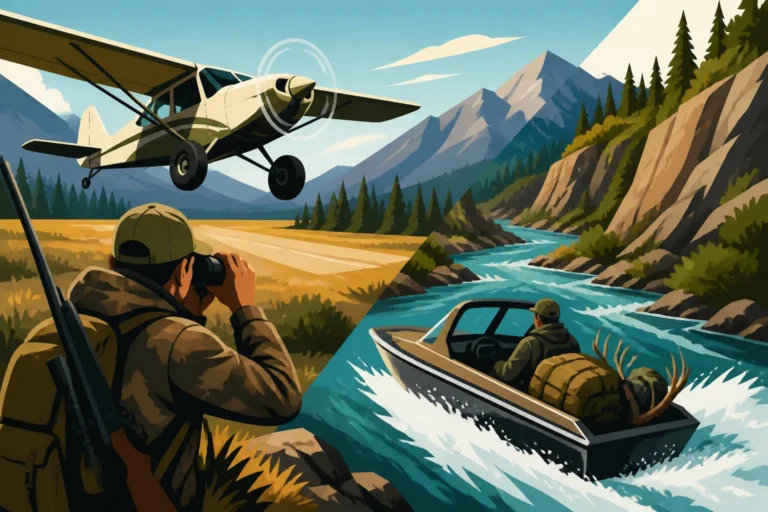
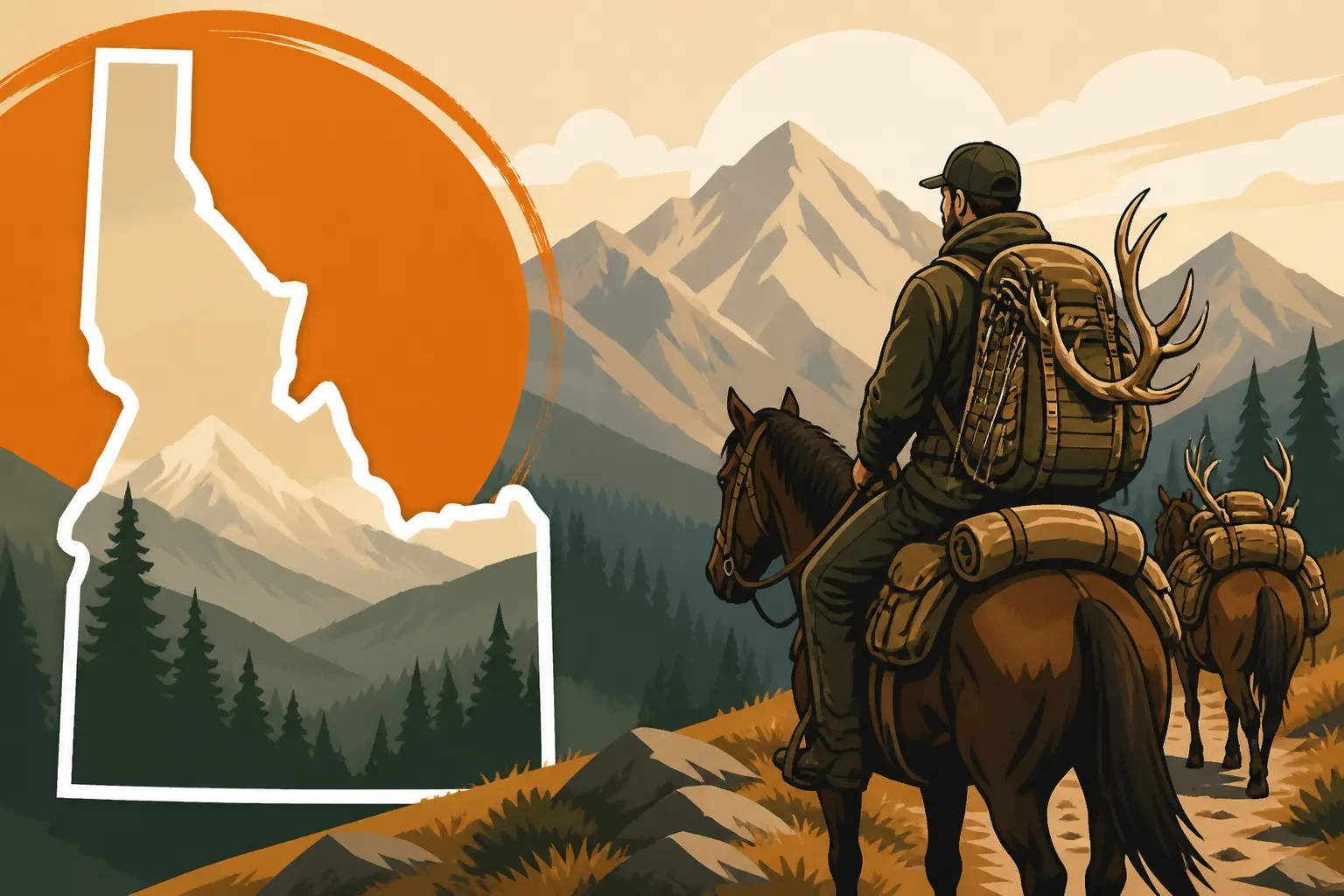
When you dream of hunting deep in Idaho's wilderness, far from the road hunters and the crowds, a pack trip immediately becomes the most viable and often the most rewarding option. It’s about leveraging the age-old tradition of horse and mule power to reach places that would otherwise be impossible to hunt effectively. This isn't just a scenic ride; it's a strategic move to unlock untouched hunting grounds and enhance your entire backcountry experience.
Deep Access Beyond the Trailhead
Imagine staring at a topographical map, tracing ridgelines and drainages, and spotting that perfect basin miles from any motorized vehicle access. You know that basin holds elk, perhaps even a monster mule deer, because it's simply too far for most hunters to reach on foot with a heavy pack. This is precisely where a wilderness pack trip shines. Outfitters, with their strings of sturdy mules and horses, can carry you and your entire camp into these truly remote areas, often 10 to 15 miles or more from the nearest trailhead. This deep penetration means you're hunting animals that see significantly less pressure, animals that have settled into their natural routines without constant human disturbance.
For hunters who have attempted DIY backpacking hunts, they understand the brutal reality of carrying everything on their back. Water filters, sleep systems, food for a week, optics, rifle, ammunition – it all adds up fast. While backpacking offers incredible solitude, it severely limits how much gear you can bring, impacting comfort, safety, and even the type of hunting you can sustain over multiple days. A pack string, however, effortlessly transports you past those initial miles of crowded trail, depositing you and your robust camp right in the heart of prime, unpressured habitat. It changes the entire dynamic, transforming a grueling suffer-fest into a strategic deployment into wild country.
Think about the sheer advantage: instead of grinding out six miles and setting up a minimalist bivy camp, hoping to find a spike elk on the fringes, you could be dropped off twelve miles in, with a comfortable wall tent, a wood stove, and enough food for two weeks. This allows you to hunt smarter, harder, and longer, without constantly worrying about your physical limitations or the dwindling supplies in your pack. It opens up expansive areas like the Frank Church River of No Return Wilderness or parts of the Selway-Bitterroot, where the scale of the landscape truly demands a different approach.
The Gear and Logistics Advantage
One of the most immediate and tangible benefits of a wilderness pack trip is the sheer volume of gear that can be transported. If you’ve ever tried to fit a week's worth of hunting essentials into a backpack, you know the compromises involved. Every ounce counts, and luxuries like a roomy tent, a folding chair, or even enough fresh food for diverse meals are often sacrificed. A pack string, however, laughs in the face of such limitations. Your outfitter can haul in a complete backcountry camp: sturdy wall tents, cots, cooking gear, wood stoves for those chilly mountain nights, and ample supplies to keep you well-fed and comfortable for the duration of your hunt.
This logistical advantage extends far beyond just setting up a comfortable camp. Imagine a successful elk hunt deep in a canyon. Without stock, the thought of quartering a bull and making multiple trips over steep, rugged terrain is daunting, bordering on dangerous. With a pack string, your outfitter can often arrange to pack out your game, saving you immense physical strain and ensuring your hard-earned meat makes it back to the trailhead efficiently and safely. This capability frees you up to focus on the hunt itself, rather than constantly calculating the feasibility of packing out a large animal from a remote location.
The peace of mind that comes with knowing your camp is sturdy and well-equipped, your food supply is plentiful, and the heavy lifting of logistics is handled, allows you to immerse yourself fully in the hunting experience. Instead of shivering in a lightweight tent or rationing out dehydrated meals, you can return to a warm, inviting camp, share stories around a crackling fire, and truly recharge for the next day's adventure. This level of comfort and logistical support is simply unattainable for most hunters attempting a truly deep backcountry hunt on foot.
The Skill and Local Knowledge of Your Outfitter
While the animals are undoubtedly incredible, the real heroes of a successful wilderness pack trip are often the outfitters and their seasoned guides. These individuals possess an intimate knowledge of the land, an expertise that comes from spending countless seasons navigating Idaho's rugged mountains. They know the reliable water sources, the safest trails through treacherous terrain, the likely bedding areas for elk and mule deer, and the subtle signs that indicate recent animal movement. This local intelligence is invaluable, especially for hunters new to a specific unit or new to hunting in Idaho's vast wilderness areas.
Beyond just knowing the hunting grounds, outfitters and their guides are masters of backcountry operations. They understand horse and mule behavior, how to pack a load securely, and how to set up a camp that can withstand unpredictable mountain weather. Safety is paramount, and these professionals are equipped and trained for emergencies, from navigating changing weather patterns to providing first aid in remote locations. Their experience ensures that your trip runs smoothly, allowing you to focus on the hunt rather than worrying about logistical complexities or potential hazards of the wilderness.
Choosing a reputable outfitter is crucial. Resources like GoHunt or BookYourHunt can be great starting points to research outfits and read reviews. When you finally connect with an outfitter, don't be shy about asking questions regarding their experience in your chosen unit, their success rates, and what specific services their pack trips include. You want someone who not only knows the game but also possesses the grit and wisdom to operate safely and effectively deep in the Idaho backcountry. Remember, they are not just taking you to a spot; they are facilitating an entire immersive experience, making their expertise a cornerstone of your adventure.
Types of Pack Trips and What to Expect
Not all wilderness pack trips are created equal. Depending on your budget, desired level of independence, and hunting style, Idaho outfitters typically offer a few distinct options. Understanding the differences is key to choosing the right adventure for you and your hunting partners. Each type provides a unique balance of support, cost, and personal challenge within the stunning backdrop of Idaho's wild landscapes.
Fully Guided Pack Trips
For hunters seeking the ultimate backcountry experience with maximum support, a fully guided pack trip is the pinnacle. On these trips, the outfitter provides everything you need from start to finish. This typically includes the horses or mules for transportation, a full backcountry camp (think comfortable wall tents, cots, heating stoves, and a well-stocked kitchen), experienced guides who will accompany you throughout the hunt, and even a camp cook to prepare delicious meals after long days in the field. Your guides will be with you daily, helping scout, strategize, track, and pack out any game you harvest. This hands-on approach means you can truly focus on hunting, learning from seasoned professionals, and enjoying the wilderness experience without any logistical worries.
The pros of a fully guided trip are substantial: expert knowledge and guidance in the field, unparalleled comfort in camp, and the peace of mind knowing all the logistics are handled. This is an excellent option for first-time backcountry hunters, those unfamiliar with Idaho's terrain, or anyone looking to maximize their chances of success with professional assistance. For non-residents, it's also a critical consideration for certain species like elk or bighorn sheep within designated wilderness areas, where Does Idaho's Wilderness Rule Cover Elk? mandates the use of a licensed outfitter or guide.
Of course, this comprehensive service comes at a higher cost. A fully guided pack trip is generally the most expensive option, but it often delivers the highest value in terms of experience, comfort, and potential hunting success. You're not just buying a hunt; you're investing in a team of experts dedicated to making your adventure safe and successful. When vetting outfitters for this type of trip, ensure they are licensed by the Idaho Outfitters and Guides Licensing Board and ask for references.
Drop Camp Pack Trips
Drop camps offer a fantastic middle-ground between a fully guided hunt and a purely DIY backpacking trip. With a drop camp, the outfitter provides the horse or mule transportation to a pre-arranged, remote campsite and hauls in all your group's gear and supplies. They typically set up a comfortable camp for you – often a wall tent with a stove – and then leave you to hunt independently for the duration of your trip. At a predetermined time, they return to pack you and your game out. This setup allows you to experience deep wilderness hunting without the immense physical burden of packing in all your own gear, yet still maintaining the autonomy of hunting on your own terms.
The allure of a drop camp is its blend of logistical support and self-reliance. It’s significantly more affordable than a fully guided trip, making it accessible to a broader range of hunters. You get to call the shots in the field, formulate your own hunting strategies, and truly immerse yourself in the challenge of a backcountry hunt. However, this independence also means you need to be self-sufficient. You'll be responsible for all your own cooking, navigation, field dressing, and emergency preparedness. You’ll also need to know What an Idaho Drop Camp Actually Includes and ensure you bring everything else you need, from personal gear to food.
For hunters with strong backcountry skills, good navigation abilities, and a desire for an unguided experience in remote areas, a drop camp is an excellent choice. It provides access to those unpressured zones without the constant presence of a guide, allowing for a truly personal adventure. When booking, clarify with your chosen outfitter what the drop camp package includes (e.g., tent, cots, cooking stove, water supply) and what your group is expected to provide. This ensures no surprises once you’re miles deep in the wilderness.
Spot Pack Services
Spot pack services represent the most basic form of outfitter support for backcountry hunters, designed for those who want to be almost entirely self-sufficient but need help with the heavy lifting of getting gear in or game out. In a spot pack arrangement, you and the outfitter agree on a specific drop-off point, often a remote basin or ridge line, where the pack string will transport your pre-packed gear. The outfitter simply delivers your equipment, often leaving you to set up your own minimalist camp. At the end of your hunt, they return to pack out your gear and any harvested game from another pre-arranged location.
The primary benefit of a spot pack service is its cost-effectiveness and flexibility. It's the least expensive option for utilizing stock support in the backcountry. This allows hunters to tailor their trip precisely to their needs, bringing only the essentials while relying on the outfitter to move bulkier items or a heavy load of game. It’s ideal for experienced backcountry hunters who prefer very lightweight camps and total independence, but still recognize the immense value of animal power for access and extraction.
However, spot packing requires a high degree of self-sufficiency and preparedness. You are entirely responsible for all aspects of your hunt, from camp setup and cooking to navigation and safety. There is no guide to assist in the field, and you must have the skills to handle all contingencies. This service is often used to reach extreme terrain or simply to haul out a trophy and meat from a successful hunt that began as a walk-in. It's truly for the rugged individualist who understands the mountains and wants minimal external interference.
Planning Your Idaho Wilderness Pack Trip
Embarking on a wilderness pack trip in Idaho is an investment in an unforgettable adventure. To ensure it's a positive and successful experience, meticulous planning is key. This involves everything from selecting the right outfitter to understanding the specific regulations that govern hunting in Idaho's designated wilderness areas. A well-prepared hunter is a happy hunter, especially when you're miles from the nearest road.
Choosing the Right Outfitter
The success of your wilderness pack trip hinges almost entirely on the outfitter you choose. This isn't just about finding someone with horses; it's about partnering with an experienced professional who prioritizes safety, operates legally, and genuinely wants to help you have a great hunt. Start by checking that any potential outfitter is licensed by the Idaho Outfitters and Guides Licensing Board. You can often verify their credentials directly through the board's website, ensuring they meet all state requirements.
Beyond licensing, delve into their experience. How long have they operated in the specific unit or wilderness area you're interested in? What are their typical hunt dates, and how do they align with your availability? Don't hesitate to ask for references from past clients, and actually follow up with those references. Inquire about their success rates, but also ask about the overall experience, the quality of the camp, the demeanor of the guides, and how the outfitter handles unexpected challenges like bad weather or difficult game retrieval. Online platforms like BookYourHunt can provide aggregated reviews and help you compare options, while GoHunt forums might offer candid hunter feedback.
Open communication is paramount. Discuss all aspects of the trip thoroughly: what's included, what's not, the daily schedule, physical demands, and emergency procedures. Ensure you understand their deposit and cancellation policies, especially important if you're booking well in advance of the draw results. A reputable outfitter will be transparent and eager to answer all your questions, making you feel confident and prepared for your adventure. How to Verify an Idaho Outfitter License is a great resource to ensure you're working with a legitimate operation.
Physical Preparation and Gear
Even with horses doing the heavy lifting, a wilderness pack trip is still physically demanding. You'll be spending long days in rugged terrain, often at higher elevations, traversing steep slopes and dense timber. Whether you're on horseback or walking alongside the string, a good level of physical fitness will significantly enhance your enjoyment and increase your chances of success. Start a conditioning program well in advance of your hunt, focusing on cardiovascular endurance, leg strength, and carrying a weighted pack over uneven ground. Simulating the terrain and effort you expect to encounter will pay dividends.
When it comes to gear, your outfitter will provide a detailed packing list, and it's crucial to follow it closely. This list will typically cover everything from appropriate layering systems for variable mountain weather (think waterproof outer shells, insulating layers, and moisture-wicking base layers) to durable hiking boots that are well broken in. Don't forget essentials like quality optics (Binocular Size That Survives an All-Day Session is a good read), a reliable headlamp, a first-aid kit, and personal hygiene items. For your weapon, ensure it's sighted in and you're proficient with it at various distances and shooting positions you might encounter in the mountains.
Remember, while the outfitter handles the heavy camp gear, your personal pack still needs to be efficient. Focus on quality, lightweight items for your day pack, water bladder, and any specialized hunting tools. For example, knowing Fixed Blade Against Mechanical Broadheads on Elk can help you choose the right archery equipment if you're bowhunting. The wilderness can be unforgiving, so being properly equipped and physically ready is not just about comfort; it's about safety and effectiveness.
Understanding Wilderness Regulations
Hunting in Idaho's designated wilderness areas carries specific regulations that are absolutely critical to understand, especially for non-resident hunters. The most significant rule is that non-residents are often required to hire a licensed Idaho outfitter or guide for hunting certain big game species within federally designated wilderness. Which Species Trigger Idaho's Wilderness Guide Rule clarifies this, but generally, this applies to species like elk, moose, bighorn sheep, and mountain goat. This rule is in place to protect wilderness resources and manage human impact, ensuring a responsible approach to hunting in these pristine environments.
It's important to know Which Wilderness Areas the Idaho Rule Applies To. These include vast and iconic landscapes like the Frank Church River of No Return Wilderness, the Selway-Bitterroot Wilderness, and parts of the Gospel-Hump and Sawtooth Wilderness areas. If you're a non-resident planning to hunt one of the regulated species in these areas, a pack trip with a licensed outfitter becomes a legal necessity, not just a convenience. Deer and bear are generally exempt from this specific guide requirement, but always double-check the latest regulations.
Beyond the guide rule, all wilderness areas have strict "Leave No Trace" principles. This means packing out everything you pack in, minimizing impact on trails and campsites, and respecting the solitude and wildness of the landscape. Motorized vehicles, including ATVs, e-bikes, and even drones, are strictly prohibited within wilderness boundaries. Understanding and adhering to these regulations is not just about avoiding fines; it's about preserving these invaluable wild places for future generations of hunters and outdoor enthusiasts.
The Experience of a Backcountry Pack Trip Hunt
A wilderness pack trip hunt is more than just a means to an end; it's an immersive experience that transports you into a different world. It’s about disconnecting from the everyday and reconnecting with nature on its most primal terms. From the rhythm of camp life to the thrill of the chase, every moment contributes to an adventure steeped in tradition and raw beauty.
Daily Life in a Remote Camp
Imagine waking up before dawn, the crisp mountain air biting at your cheeks as you step out of a warm wall tent. The only sounds are the rustle of leaves, the distant call of a hawk, and maybe the gentle snorting of a horse. This is the daily rhythm of a remote backcountry camp. Your mornings begin with a hearty breakfast cooked over a fire or stove, preparing you for a strenuous day of hunting. After discussing the day's strategy with your guide (if on a fully guided trip) or your hunting partners, you head out, often on foot, to explore the surrounding ridges, basins, and timbered slopes.
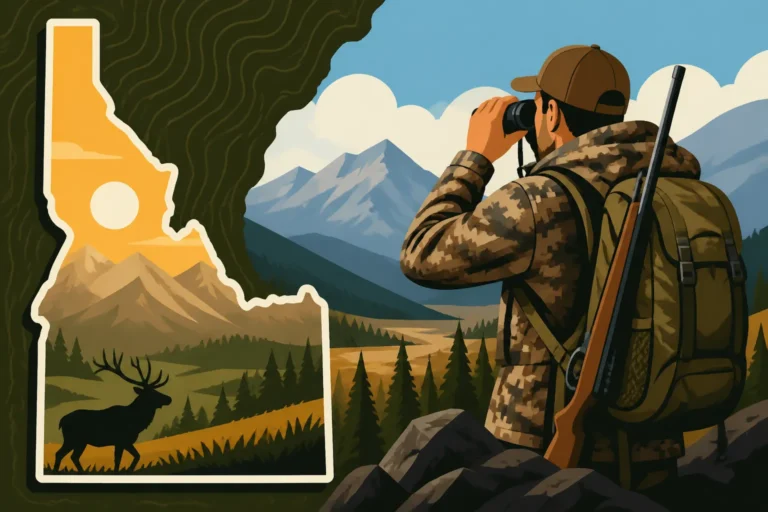
Days are spent tracking, glassing, and stalking. You're constantly aware of your surroundings, reading the landscape for signs of game, listening for distant bugles, or carefully picking apart a distant hillside with your binoculars. The sheer solitude is profound, a stark contrast to the hustle and bustle of modern life. Evenings bring the satisfaction of returning to camp, sharing stories of the day's adventures and misses around a crackling campfire, or in the warmth of a wood-stove-heated tent. Meals are often surprisingly good, a welcome comfort after miles of hiking, and the stars overhead burn with an intensity rarely seen away from light pollution. It's a chance to truly unwind and appreciate the wilderness.
The camp itself becomes a sanctuary, a small pocket of civilization deep within the wild. Whether it’s a minimalist setup or a sprawling tent city, it's the place where you recharge, plan, and bond with your hunting companions or guides. This feeling of being utterly removed from the front country, yet comfortably established, is a hallmark of the pack trip experience and contributes hugely to the overall sense of adventure and accomplishment.
Hunting Strategies Suited for Pack Trips
Wilderness pack trips open up a world of hunting strategies that simply aren't feasible on day hunts or even short backpacking trips. Because you're deep in unpressured territory, animals often behave more naturally, making them potentially more predictable. This means you can focus on classic Western hunting tactics, like extended glassing sessions from high vantage points, systematically covering vast areas that are largely untouched by human presence. Glassing Breaks and Benches for Mule Deer and Optics Power for Idaho's Long Canyon Sightlines are excellent reads to hone your glassing skills for this type of hunt.
For elk hunters, being in remote areas during the rut means you might encounter bulls that are less call-shy than those closer to roads. You can employ aggressive bugling tactics or more subtle cow calling, knowing that you're likely interacting with animals that haven't been relentlessly pressured. Bugling Elk in Idaho's Timbered Zones and Bugle and Cow Call Timing Through September offer great insights into effective calling strategies. You have the time and the access to follow elk herds through their migratory patterns, spending days in their core habitat without needing to rush back to a truck or a distant trail.
Should you be successful, the logistics of game retrieval, while still challenging, are significantly eased. Instead of making multiple agonizing trips with heavy loads on your back, you often have the option for the outfitter to pack out your quarters, saving your body for more hunting. This allows you to focus on proper field dressing and meat care without the immediate pressure of an impossible pack-out, knowing that your hard-earned harvest will be handled efficiently.
Overcoming Challenges and Embracing the Wild
While immensely rewarding, a wilderness pack trip hunt is not without its challenges. The mountains are unpredictable, and weather can change drastically in a matter of hours, turning a sunny autumn day into a full-blown snowstorm. You might face difficult terrain, requiring careful navigation and a strong will to push through steep climbs and dense brush. Animals don't always cooperate, and there will be days when the game seems to vanish, testing your patience and resolve. These moments are part of the raw, unfiltered experience of hunting in the wild.
Embracing these challenges is what makes the reward so much sweeter. The physical exertion, the mental fortitude required to keep going when fatigue sets in, and the resilience needed to adapt to changing conditions all contribute to the profound sense of accomplishment when you finally connect with an animal, or even just successfully navigate a tough week in the backcountry. It's an opportunity to test your limits, to learn about yourself, and to build camaraderie with your hunting partners or guides.
Ultimately, a wilderness pack trip is an investment in an experience that transcends merely harvesting an animal. It’s about the journey, the rugged beauty of Idaho's wild places, the camaraderie forged in challenging conditions, and the deep satisfaction of truly earning your hunt. It's a step back in time, a way to connect with the land and its creatures on their own terms, and an adventure that will create memories to last a lifetime.
Comparing Pack Trip Services
To help visualize the differences between the types of wilderness pack trip services available, here's a quick comparison:
| Feature | Fully Guided Pack Trip | Drop Camp Pack Trip | Spot Pack Service |
|---|---|---|---|
| Outfitter Presence | Guides present with hunters daily | Outfitter drops off/picks up, no daily guide | Outfitter drops off/picks up gear/game |
| Logistics Handled | All logistics (camp, food, cooking, horses, game retrieval) | Camp setup, gear transport, game retrieval | Gear transport, game retrieval |
| Hunting Guidance | Yes, active guidance and assistance | No, hunters are independent in the field | No, hunters are fully independent |
| Comfort Level | Highest (wall tents, cook, hot meals) | High (wall tents, stove, but self-catering) | Basic (hunter provides and sets up all camp) |
| Self-Sufficiency Required | Low to moderate | Moderate to high (cooking, navigation, field care) | Very high (all aspects of hunting and camp management) |
| Typical Cost | Highest | Medium | Lowest |
| Ideal For | First-time backcountry hunters, maximum support, non-residents in certain wilderness hunts | Experienced DIY hunters wanting remote access without heavy packing | Highly experienced, self-reliant hunters needing only transport |
Disclaimer
This article is for general informational purposes only and does not constitute professional advice. Laws, prices and regulations vary by location and change over time. Consult a qualified professional for guidance on your specific situation.