Which Species Require an Outfitter in Wilderness
Planning a hunt in Idaho can be incredibly exciting, but for many nonresident hunters, navigating the state's wilderness outfitter rules feels like trying to read a topo map in the dark. You've heard whispers, perhaps some strong opinions, about needing a guide for certain animals, and it leaves you scratching your head, wondering if your dream hunt is even possible on a DIY budget. This guide is here to shed some much-needed light on this often-confusing topic, clearly outlining which specific big game species require you to hire a licensed outfitter if you're a nonresident hunting in Idaho's breathtaking, yet regulated, wilderness areas.
Idaho's Wilderness Outfitter Rule: The Core Concept
Idaho's wilderness outfitter rule isn't just a quirky regulation; it's a carefully crafted policy designed to manage usage, ensure safety, and protect the unique character of its designated wilderness areas. For nonresident hunters, understanding this rule is paramount, as it dictates whether you can embark on an unguided adventure or if a professional outfitter is a mandatory part of your hunting plan. It's a fundamental difference that impacts everything from your budget to your preparation.
Why the Wilderness Rule Exists for Nonresidents
At its heart, this rule is about regulating commercial activity within designated wilderness areas and managing resource allocation, especially for highly sought-after species. These areas are vast, remote, and often challenging, and while they offer unparalleled hunting experiences, they also come with inherent risks and management complexities. By requiring nonresidents to utilize a licensed outfitter for certain big game species, Idaho aims to ensure that hunters are prepared for the rigors of the backcountry, adhere to ethical hunting practices, and contribute to the local economy through regulated guiding services. It also helps manage overall hunting pressure in these sensitive environments. This isn't just about making you hire a guide; it's about the state's approach to preserving its wild heritage while still allowing access.
What "Designated Wilderness" Means in Idaho
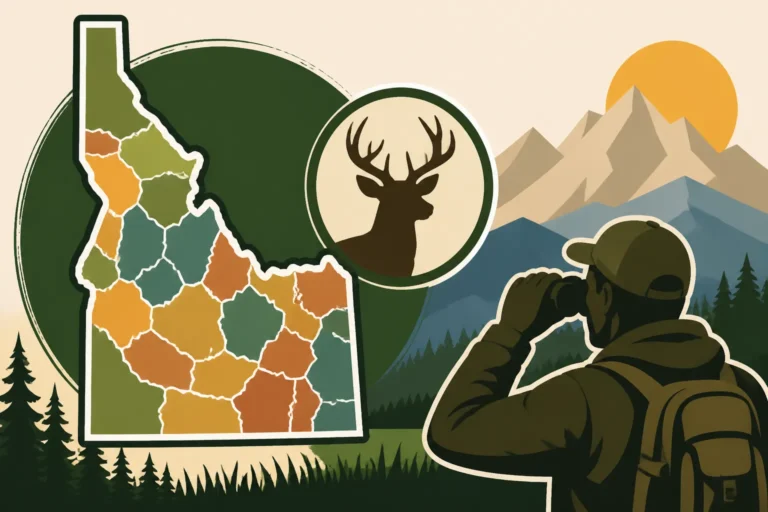
When we talk about "wilderness" in Idaho, we're not just referring to any remote, roadless area. We're specifically talking about federally designated wilderness areas, which come with a unique set of management guidelines and restrictions. Idaho is blessed with some of the largest and most iconic wilderness areas in the Lower 48, including the Frank Church-River of No Return Wilderness, the Selway-Bitterroot Wilderness, the Sawtooth Wilderness, Gospel-Hump Wilderness, and parts of Hells Canyon Wilderness. These are places where motorized travel is largely prohibited, where the land is managed to retain its primeval character, and where self-reliance is the name of the game. If you're planning a hunt that takes you into these specific boundaries, then Idaho's outfitter rule will apply to you as a nonresident, depending on the species you pursue. Knowing Which Idaho Wilderness Areas the Rule Covers is crucial for planning your hunt.
The Nonresident vs. Resident Distinction in Wilderness Hunts
It's important to highlight that this rule primarily impacts nonresident hunters. If you're an Idaho resident, you generally have the privilege of hunting within these designated wilderness areas without the mandatory requirement of a licensed outfitter, even for the species that nonresidents must hire a guide for. This distinction reflects a common approach in many Western states, where residents often have different access and licensing requirements compared to those coming from out of state. For residents, the wilderness experience is seen as a birthright, while for nonresidents, there's an added layer of regulation to manage demand and impact. Understanding Hunting Wilderness as an Idaho Resident can offer insight into this difference.
Species That Absolutely Require a Nonresident Outfitter in Wilderness
For nonresident hunters, the key takeaway is that if you're dreaming of a backcountry hunt for specific high-value species within Idaho's designated wilderness areas, a licensed outfitter isn't an option – it's a requirement. This applies to a select group of big game animals that represent some of Idaho's most challenging and rewarding hunts.
The Big Game Animals Under the Guide Rule
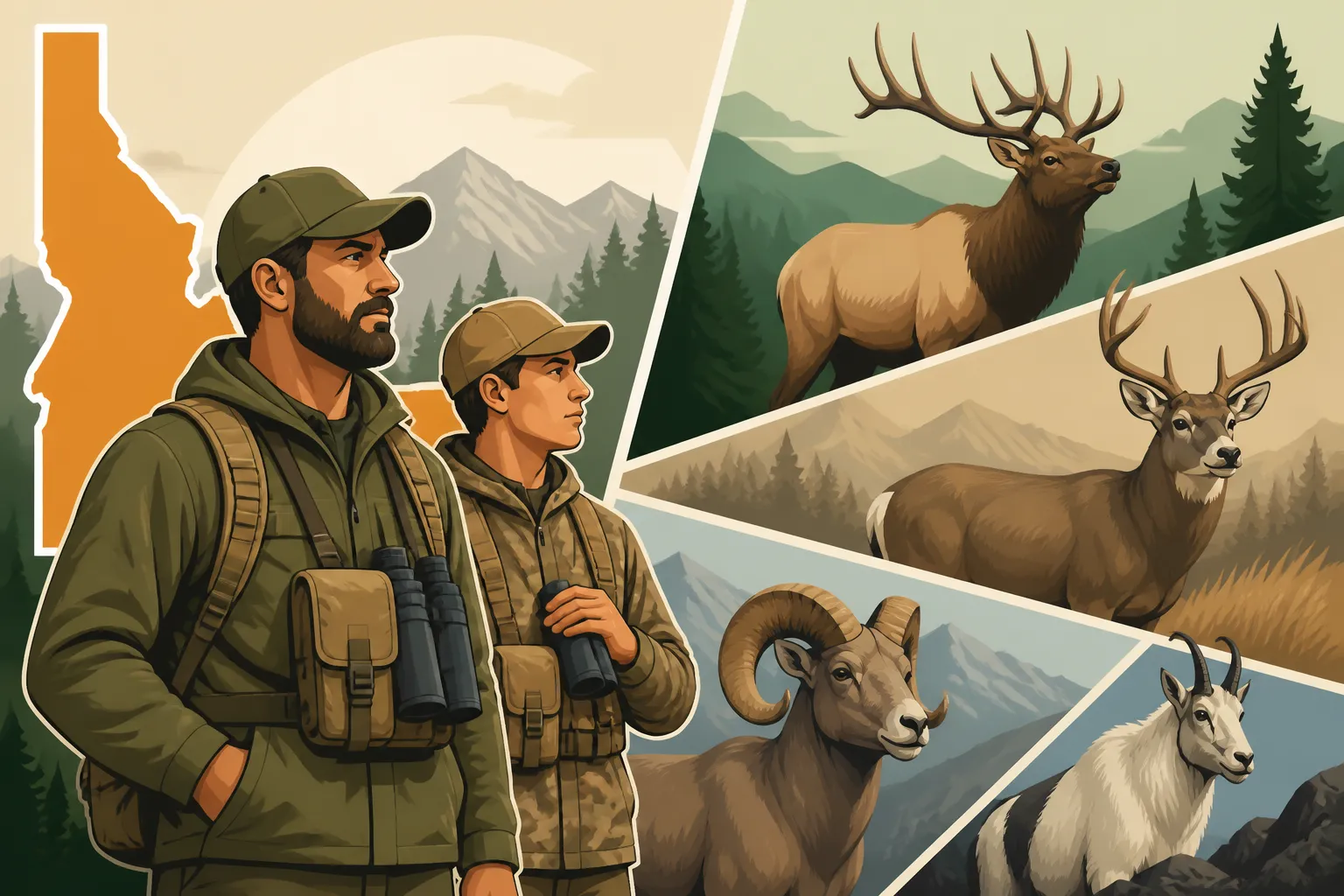
The primary species that trigger Idaho's nonresident wilderness guide rule are elk, moose, bighorn sheep, and mountain goat. These are the crown jewels of Idaho's big game hunting, often found in the most rugged and remote corners of the wilderness. The challenge of hunting these animals in such demanding terrain, combined with their limited populations and high demand, makes them the focus of this particular regulation. For instance, chasing a bull elk deep in the Frank Church wilderness as a nonresident means you'll need a guide to accompany you. This rule specifically aims to regulate commercial guiding services for these highly coveted hunts, ensuring a structured approach to nonresident participation. If you're a nonresident considering an elk hunt in one of these areas, you absolutely need to understand that Idaho Forces Nonresidents to Hire a Guide for Wilderness Elk. Similarly, for the incredibly rare opportunity to pursue moose, sheep and goat under the Idaho guide rule, an outfitter is non-negotiable for nonresidents in wilderness.
Mountain Lion Hunting in Designated Wilderness
While often considered separately from the ungulates, mountain lion also falls under the nonresident wilderness outfitter requirement. Hunting mountain lions, especially with hounds, often involves specialized knowledge of the terrain, animal behavior, and tracking skills that an experienced outfitter can provide. For nonresidents seeking to chase a big tom through the deep snows of a wilderness area, the same rule applies: a licensed outfitter must be engaged. The wild, expansive nature of lion habitat within these areas, combined with the often-intense physical demands of the hunt, reinforces the state's stance on professional guidance for nonresidents. This is a crucial detail for anyone planning Mountain Lion Inside Idaho Designated Wilderness.
How This Impacts Your Hunt Planning and Budget
Knowing these requirements upfront profoundly impacts your hunt planning. First, it means you'll need to factor in the significant cost of a guided hunt. What a Guided Idaho Elk Hunt Costs is a prime example of the investment involved. These aren't budget-friendly trips; they are premium experiences offered by professionals who specialize in these challenging environments. Second, it means your application strategy, if applicable, might need to align with outfitter availability. Many top outfitters book years in advance, especially for high-demand tags like moose or bighorn sheep. You might even find that some outfitters have access to Landowner Appreciation Program Tags in Idaho that can bypass some of the draw difficulties, but this often comes at an additional premium. Using tools like GoHunt can help you research draw odds and plan around the controlled hunt calendar, but the outfitter piece remains a constant for these wilderness hunts.
Species Exempt from Idaho's Wilderness Outfitter Rule
It's not all about mandatory guides for nonresidents in Idaho's wilderness. Thankfully, several popular big game species, as well as small game and predators, do not carry this same requirement. This opens up significant opportunities for nonresidents to explore Idaho's vast public lands on a self-guided basis, even within the boundaries of designated wilderness.
Deer and Black Bear: Your Unguided Wilderness Opportunities
Perhaps the biggest relief for many nonresident DIY hunters is that deer (both mule deer and whitetail) and black bear are generally exempt from Idaho's wilderness outfitter rule. This is a critical distinction and allows nonresidents to plan self-guided hunts for these animals deep within the wilderness areas, provided they have the necessary tags and adhere to all other hunting regulations. The rationale often stems from the relative abundance of these species and the less restrictive management approach compared to highly prized elk, moose, sheep, and goat. For instance, a nonresident can pack into the Gospel-Hump Wilderness solo to chase a mule deer buck or a black bear, while an elk hunter would need an outfitter. This exception makes a huge difference in opening up backcountry experiences. Understanding why Deer and Bear Escape Idaho's Wilderness Guide Rule is essential for your planning.
Small Game, Upland Birds, and General Predators
Beyond deer and bear, virtually all other species, including small game, upland birds, waterfowl, and general predators like coyotes and wolves (outside of the specific mountain lion rule), are also exempt from the nonresident wilderness outfitter requirement. If you want to chase chukars on a remote wilderness slope, hunt coyotes, or call in a wolf, you can do so as a nonresident without a guide. This means that hunters focused on these species have more flexibility in planning their trips and can truly immerse themselves in a self-reliant wilderness experience. The focus of the guide rule is clearly on specific big game species, acknowledging the varying impact and management goals for different types of hunting.
| Species | Nonresident Outfitter Required in Designated Wilderness |
|---|---|
| Elk | Yes |
| Moose | Yes |
| Bighorn Sheep | Yes |
| Mountain Goat | Yes |
| Mountain Lion | Yes |
| Mule Deer | No |
| Whitetail Deer | No |
| Black Bear | No |
| Wolves (non-lion) | No |
| Coyotes | No |
| Small Game/Upland | No |
Navigating the Wilderness Boundaries and Licensing
Even with a clear understanding of which species require an outfitter, the practicalities of planning and executing a wilderness hunt still demand careful attention to detail. From accurately identifying wilderness boundaries to vetting your chosen outfitter, every step matters.
Understanding Wilderness Area Maps
One of the most critical aspects of planning any wilderness hunt, especially for a nonresident, is having an iron-clad understanding of the actual wilderness boundaries. These aren't always intuitive, and lines on a paper map can be hard to translate to the ground. This is where modern mapping tools become indispensable. Platforms like onX Hunt are invaluable for overlaying wilderness boundaries onto detailed topographical maps, allowing you to clearly see where the rule applies and where it doesn't. You can literally trace the lines on your phone or tablet, ensuring you're either within the legal parameters for an unguided hunt (for deer/bear) or confirming you're indeed in an area where an outfitter is required for certain species. Being able to visualize these zones is key. It's not enough to know the name; you need to know the lines. Learning Using onX Layers for Idaho Public Land can greatly simplify this process.
Verifying Outfitter Credentials
If you determine that an outfitter is required for your nonresident wilderness hunt, the next crucial step is to ensure you're working with a legitimate, licensed professional. Idaho takes its outfitting industry seriously, and all guides operate under the umbrella of a licensed outfitter. The state has the Idaho Outfitters and Guides Licensing Board (IOGLB), which is the regulatory body. Before you send any deposits or commit to a hunt, always verify the outfitter's license status directly through the IOGLB. Don't just take their word for it or rely solely on website claims. A reputable outfitter will be happy to provide their license number and direct you to the state's verification portal. Remember, Every Idaho Guide Works Under a Licensed Outfitter, and understanding The Idaho Outfitters and Guides Licensing Board Explained is fundamental to making a sound decision.
The Practicalities of Hiring an Outfitter
Beyond the legal requirement, hiring an outfitter for a wilderness hunt brings a host of practical considerations. These professionals provide expertise in navigation, animal behavior, logistics, camp setup, and safety in extreme environments. They often utilize horses or mules to pack gear and game in and out of remote areas, which is a massive logistical undertaking for a DIY hunter. When considering an outfitter, it's vital to discuss exactly what's included in the hunt package, from food and lodging to transportation and field care of your animal. Ask about their success rates, client testimonials, and what happens in the event of unforeseen circumstances like adverse weather or a hunter not drawing a tag. Booking an outfitter often needs to be done well in advance, sometimes a year or more, especially for prime season dates. Planning around Booking an Idaho Hunt Around the Draw Calendar is an important part of securing your spot. They also handle complex logistics like utilizing Backcountry Airstrips and Jet Boats Change Idaho Access for remote drop-offs, making areas accessible that are otherwise nearly impossible to reach.
Disclaimer
This article is for general informational purposes only and does not constitute professional advice. Laws, prices and regulations vary by location and change over time. Consult a qualified professional for guidance on your specific situation.