What Counts as an Established Roadway
Few things are more frustrating than heading out for an Idaho hunt, only to realize you're unsure if the two-track you're on counts as a legal pathway or if you're about to break a motorized vehicle rule. The confusion around what constitutes an "established roadway" can throw a wrench into your plans, potentially leading to fines or worse. This guide is here to untangle that uncertainty, diving deep into Idaho's specific rules so you can navigate public lands with confidence and stay on the right side of the law.
Understanding Idaho's Definition of an Established Roadway
When you're out hunting in Idaho, especially on public lands like National Forests or BLM ground, the term "established roadway" isn't just a casual suggestion; it's a legal cornerstone of the state's motorized hunting rules. Many hunters get tripped up here because what looks like a road to the untrained eye might not be considered one by Idaho Fish and Game or the land management agencies. This isn't about arbitrary rules; it's about protecting fragile ecosystems, preventing habitat destruction, and ensuring a quality experience for all users.
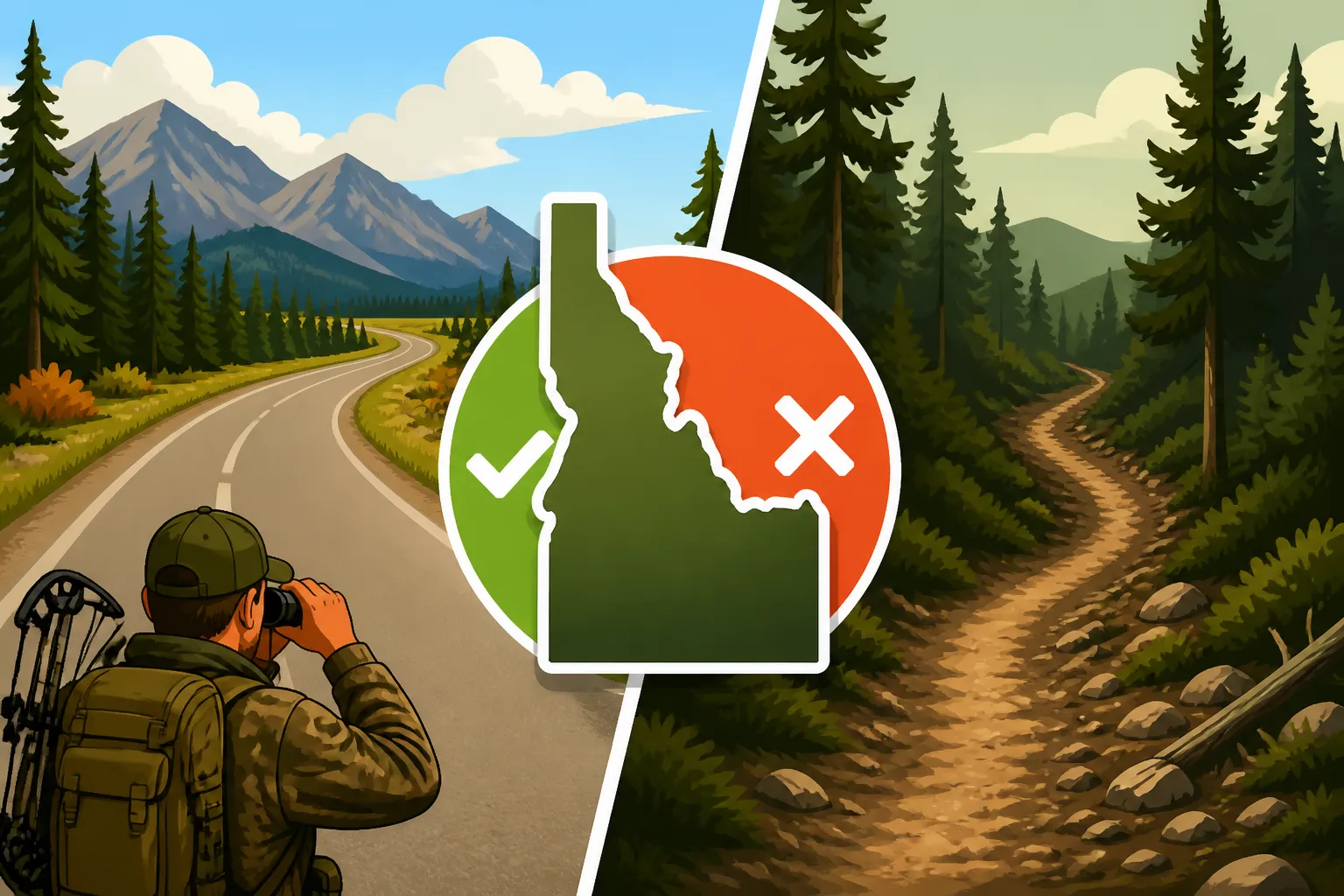
An established roadway, in Idaho's hunting context, generally refers to a road that has been designated by a federal, state, or county agency for public motor vehicle travel. This designation isn't just a faint track in the dirt; it's typically a maintained, or at least formally recognized, route. Think about the main forest service roads you use to get to trailheads or the county roads that crisscross agricultural areas. These are clearly established. The nuance comes when you venture onto less obvious paths.
The key here is the "designation" part. A road might have been used for years by loggers, miners, or ranchers, creating a very distinct track. However, if that track isn't officially recognized and mapped for ongoing public motor vehicle use, it doesn't fit the definition. This is a crucial distinction that can save you a lot of headache and potential trouble. Ignoring this can lead to unknowingly violating Idaho's Motorized Hunting Rule Runs August Into December.
What Official Designation Means in Practice
So, what does "officially designated" actually look like on the ground? It means that the road appears on official maps issued by the managing agency. For National Forests, this is typically a Motor Vehicle Use Map (MVUM). For BLM lands, they often have their own travel management plans and associated maps. These maps explicitly show which roads and trails are open to motorized vehicles, which are closed seasonally, and which are completely off-limits. They are the definitive source.
A designated roadway will often show signs of active maintenance, even if it's just periodic grading or clearing of fallen trees. It will have a clear, often graveled or improved, surface that distinguishes it from a simple two-track or a game trail. Sometimes, you'll see signage with road numbers, mile markers, or even "No Motorized Vehicles Beyond This Point" signs. These visual cues, coupled with consulting official maps, are your best indicators. Without that official backing, even a well-worn path is likely not an established roadway in the eyes of the law, especially concerning hunting regulations.
Common Roadway Ambiguities and Field Realities
The theoretical definition is one thing, but out in the vast, wild landscapes of Idaho, things can get pretty fuzzy. It's easy to encounter situations where a path might look perfectly driveable, yet doesn't fit the strict legal definition of an established roadway. This is where many hunters, with the best intentions, can accidentally stray into trouble.
One of the most common ambiguities arises with "two-tracks." These are often old logging roads, ranch access routes, or even heavily used game trails that have been driven on enough to create distinct tire ruts. They might look like a perfectly reasonable place to drive your truck or ATV to get deeper into a hunting unit. However, if that two-track isn't on an official MVUM or BLM travel map as an open motorized route, it's considered off-road travel. This is a frequent point of contention, and game wardens are well-versed in spotting these violations. They understand that a two-track might be used for years, but unless it has that official designation, it's a no-go for motorized hunting access.
Another challenging scenario involves roads that might have been established at one point but have since been decommissioned or are subject to seasonal closures. A gate might be open, or there might be no clear "road closed" sign. Hunters, seeing a clear path, might proceed, unaware that they are entering a restricted area. Seasonal Road Closures Across Idaho are very common, especially in winter range areas, and sometimes they extend well into hunting season or are permanent. Always double-check current conditions and designated status. Even if a road used to be open, its status can change.
Differentiating Roads from Trails and Game Paths
It’s crucial to understand the hierarchy of paths you might encounter.
| Path Type | Description | Legal Status for Motorized Hunting (Generally) | Key Indicator |
|---|---|---|---|
| Established Roadway | Officially designated for public motor vehicle travel by an agency. | Open, unless signed closed. | Appears on official MVUMs/Travel Maps; often signed with road numbers. |
| Two-Track | Unimproved dirt path, often from historical use (logging, ranching). | Closed, unless specifically designated. | May not appear on official maps; lacks official signs; often overgrown. |
| ATV/Motorcycle Trail | Designed for smaller motorized vehicles. | Closed to full-size vehicles, check maps. | Signed specifically for ATV/OHV use; often too narrow for trucks. |
| Foot/Horse Trail | Designed for non-motorized travel. | Closed to all motorized vehicles. | Signed as a trail; clearly not meant for vehicles; often leads into wilderness. |
| Game Trail | Path created by wildlife. | Closed to all motorized vehicles. | Narrow, winding, follows contours; obvious animal sign; not human-engineered. |
The distinction between a designated ATV/Motorcycle trail and an established roadway is also important. Some areas have designated OHV (Off-Highway Vehicle) trail systems. While these are open to certain motorized vehicles, they are usually off-limits to full-sized trucks or SUVs. It's vital to know Which Roads Count Under Idaho's Motorized Rule and which roads are only for smaller machines, if any. Using an ATV on a foot trail or driving your truck down a path designated only for motorcycles would still be a violation of Idaho's motorized rules.
Finally, game trails, no matter how well-worn by elk or deer, are never considered established roadways for your vehicle. These are pathways animals create, and driving on them constitutes illegal off-road travel, disturbing habitat and creating unnecessary impacts.
Leveraging Maps and Technology to Stay Legal
Given the complexities and ambiguities of what truly counts as an established roadway, relying on guesswork or visual cues alone is a recipe for trouble. Thankfully, modern technology provides powerful tools to help you stay compliant and out of hot water, making your Idaho hunting experience far more enjoyable and stress-free. This isn't just about avoiding a ticket; it's about being a responsible hunter and steward of the land.
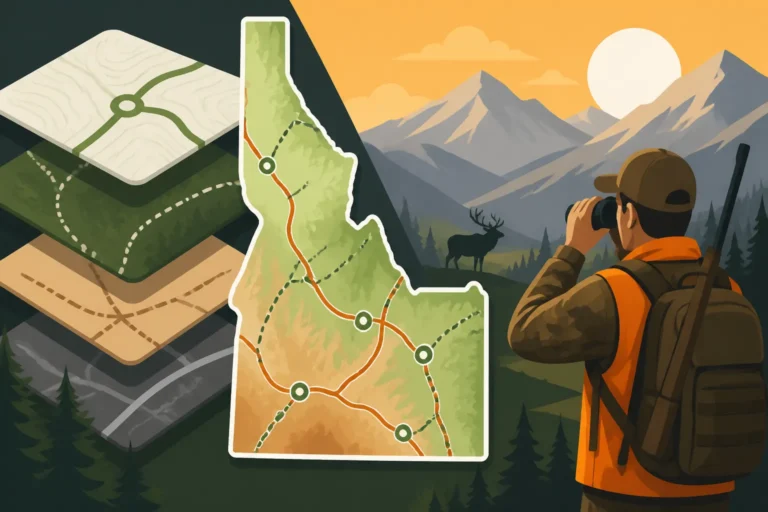
The absolute best resource for navigating Idaho's motorized rules is the official Motor Vehicle Use Maps (MVUMs) provided by the U.S. Forest Service for National Forest lands, and similar travel management maps from the Bureau of Land Management (BLM) for their administered lands. These maps are legally binding and show precisely which roads, trails, and areas are open, closed, or restricted to certain types of vehicles. They are updated regularly, though it's always smart to check the most current version. These maps clarify Idaho's Motorized Hunting Rule Keeps You on the Road in explicit detail.
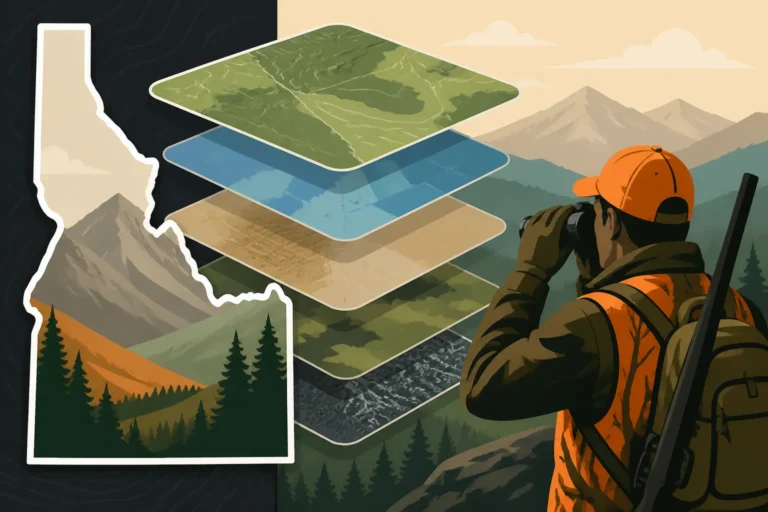
Many hunters find it incredibly helpful to use digital mapping applications on their phones or tablets. Apps like onX Hunt are invaluable for this. They often integrate official MVUM data directly into their layers, allowing you to see in real-time whether the track you're approaching is a legal route or off-limits. With GPS functionality, you can see your exact position relative to these designated roads, removing almost all the guesswork. Being able to visualize the land ownership and travel restrictions right on your device as you scout or hunt is a game-changer. This helps you avoid inadvertently driving on landlocked public parcels where motorized access isn't allowed, even if it feels like public land.
Digital Tools and Their Advantages
Platforms like GoHunt also offer sophisticated mapping tools and information that can assist hunters in understanding access rules. While not always focused purely on motorized vehicle restrictions, these platforms can provide additional layers of information about public land boundaries, specific unit regulations, and general access points that, when combined with MVUMs, give you a comprehensive picture. The benefit of these digital tools isn't just convenience; it's about access to timely, official information right in your hand.
When planning your hunt, taking the time to E-Scouting an Idaho Unit Before the Season using these tools is paramount. Zoom in on your chosen areas. Identify all the designated roads and plan your routes. Look for any areas that might be seasonally closed or have special restrictions. Don't just rely on a general map; dig into the specifics. Download offline maps to your device, as cell service is often nonexistent in Idaho's backcountry. This way, you're prepared even when off-grid.
Remember, technology is a tool, but ultimately, it's your responsibility to understand and follow the rules. If you're ever in doubt while in the field, err on the side of caution. Park your vehicle and hike in. A little extra legwork is always better than facing a citation for an illegal motorized trespass.
The Importance of Adherence and Potential Penalties
Understanding and adhering to Idaho's established roadway rules isn't just about good practice; it's about protecting yourself from significant legal and financial consequences. The Idaho Department of Fish and Game, along with federal land management agencies, takes motorized vehicle violations seriously because they directly impact wildlife, habitat, and the overall quality of public land experiences. It's a cornerstone of responsible hunting and conservation.
Driving off an established roadway, whether intentionally or accidentally, can lead to a range of penalties. At the very least, you're looking at a citation and a fine. These fines can vary depending on the severity of the offense, the damage caused, and whether it's a first-time or repeat offense. However, the consequences can extend far beyond a simple ticket. Repeated or egregious violations could lead to the confiscation of your vehicle, the suspension of your hunting privileges, or even more severe legal action, especially if environmental damage occurs. Imagine losing your hunting license for a season or more, all because you drove a few hundred yards down a track that wasn't an official road.
Furthermore, violating these rules tarnishes the reputation of all hunters. Public land access is a privilege, not a right, and every time someone disregards regulations, it fuels arguments for further restrictions on hunting and motorized access. As hunters, we have a collective responsibility to demonstrate ethical behavior and respect for the land and its rules.
Protecting Access for Future Generations
The motorized hunting rule is specifically designed to manage human impact on sensitive areas. Driving off-road can compact soil, damage vegetation, spread invasive species, erode hillsides, and disturb wildlife, particularly during critical periods like winter range or calving seasons. Idaho's Motorized Hunting Rule Runs August Into December is often in place to protect these vulnerable periods for wildlife. It's not just about what you might see, but the unseen damage that can have long-lasting effects.
Consider the hypothetical scenario: you follow a faint two-track that eventually dead-ends. You turn around, leaving tire marks. While it might seem minor, if multiple hunters do this, that faint track can become a permanent scar on the landscape, creating new, unauthorized "roads." This fragmentation of habitat, erosion, and disturbance can significantly impact elk, deer, and other species.
By consciously choosing to stick to established roadways, you're contributing to the preservation of Idaho's incredible natural resources. You're ensuring that critical wildlife habitats remain intact, and that the beauty and solitude of the backcountry are available for everyone—hunters and non-hunters alike—for generations to come. Staying informed about Motorized Rules on Idaho Wildlife Management Areas and other public lands is a small effort for a huge return in conservation. It's part of being a true sportsman and a guardian of Idaho's wild heritage.
Disclaimer
This article is for general informational purposes only and does not constitute professional advice. Laws, prices and regulations vary by location and change over time. Consult a qualified professional for guidance on your specific situation.