When Idaho’s Motorized Hunting Rule Is Enforced
Hunting in Idaho offers some of the most breathtaking backcountry experiences imaginable, but let's be honest, trying to keep track of all the rules and regulations can feel like navigating a maze blindfolded. One area that consistently trips up even seasoned hunters is the motorized hunting rule – knowing exactly when it applies, and when you can actually use a vehicle, is crucial to staying legal and respectful of the landscape. This comprehensive guide is here to untangle that confusion, breaking down the specific enforcement periods and scenarios so you can plan your hunt with confidence and avoid any unwelcome surprises.
Understanding Idaho's Motorized Hunting Rule
It’s easy to get lost in the jargon of hunting regulations, and the motorized hunting rule is one that often sparks a lot of questions and sometimes, a little frustration. But at its heart, this rule is about managing access and impact in our wild spaces. It's not designed to make your life harder, but rather to preserve the quality of the hunt and protect the very resources we cherish.
What the Rule Actually Means for Hunters
Idaho's motorized hunting rule generally prohibits the use of motorized vehicles, including ATVs, UTVs, and even motorcycles, off designated roads and trails during specific hunting seasons. This isn't about preventing you from driving your truck to a trailhead; it's about restricting cross-country travel or venturing deep into the backcountry on motorized transport where it might disturb wildlife or damage habitat. Think of it as a line in the sand: stay on the marked paths. The rule doesn't usually apply to all hunting, but rather to certain big game seasons and units, making it critical to check the specific regulations for your chosen area. The intent is to encourage fair chase and a more traditional hunting experience, particularly in areas where game might otherwise be pressured by easy vehicle access.
For many, the initial reaction might be, "But I need my ATV to get my elk out!" And believe me, that's a completely understandable sentiment when you're thinking about packing out hundreds of pounds of meat. However, the rule typically extends to game retrieval as well, meaning you generally Why You Cannot Drive to Retrieve Downed Game by driving off an established road. This means planning your hunt with the motorized rule in mind, often requiring the use of pack animals, game carts, or simply good old-fashioned muscle power to get your harvest back to your vehicle. It's a fundamental part of Idaho's conservation strategy, aimed at preventing excessive impact on delicate ecosystems and ensuring that wildlife populations aren't unduly stressed by constant vehicle presence.
Why This Rule Exists: Conservation and Fair Chase
At its core, Idaho's motorized hunting rule is a testament to the state's commitment to both conservation and maintaining the integrity of fair chase hunting. Imagine a scenario where hunters could drive anywhere, at any time, across vast swaths of public land. The sheer amount of disturbance, habitat damage, and increased pressure on game animals would be immense. Animals would be constantly pushed, scattered, and their natural patterns disrupted, leading to a much less sustainable and ethical hunting environment. This rule is a proactive measure to prevent such scenarios, ensuring that Idaho's wildlands remain wild and accessible for future generations of hunters.
Furthermore, the concept of fair chase is deeply embedded in the rule. Fair chase implies an ethical pursuit where the hunter does not have an unfair advantage over the game. Using a motorized vehicle to chase, harass, or rapidly close distances on animals goes against this principle. By restricting off-road vehicle use, the state encourages hunters to develop their skills in scouting, tracking, and stalking, relying on their physical abilities and understanding of the terrain. This fosters a more profound connection to the land and the animals, elevating the hunting experience beyond mere harvest. It forces hunters to slow down, observe, and truly immerse themselves in the environment, which is, for many, the very essence of why we hunt in the first place. This rule helps ensure that everyone has a chance at a quality hunt, not just those with the most powerful machines.
Specific Enforcement Periods: When to Expect Restrictions
Understanding the "when" of Idaho's motorized hunting rule is just as important as the "what." It's not a blanket year-round prohibition, but rather a seasonal restriction that coincides with peak hunting activity for certain species. Misinterpreting these dates can lead to fines, citations, and a ruined hunt, so let's dial in on the typical timeframes.
The General Season Framework for Motorized Rules
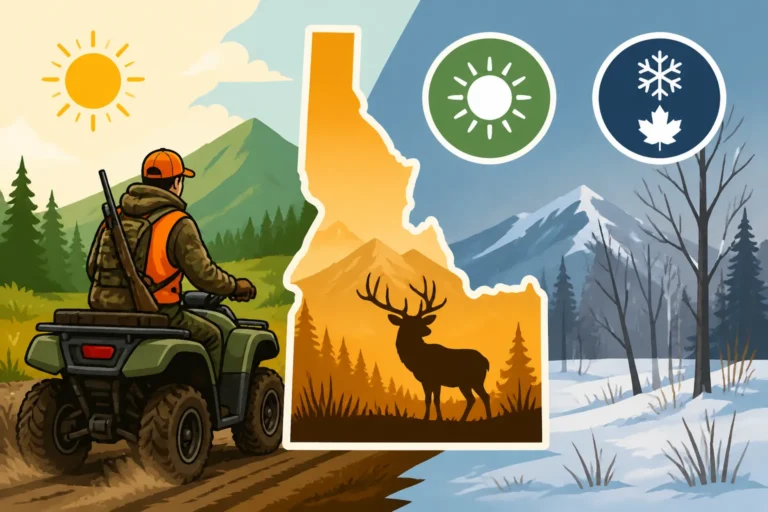
Generally speaking, Idaho's Motorized Hunting Rule Runs August Into December. This time frame captures the majority of the popular big game hunting seasons, including archery, muzzleloader, and general rifle seasons for deer and elk. The logic here is simple: these are the periods when the most hunters are out in the field, and consequently, when the potential for off-road vehicle impacts is highest. Starting in late summer and extending through early winter, this window ensures that habitat is protected during critical periods for wildlife, such as migrations, breeding, and early winter foraging, all while maintaining fair chase during hunting seasons.
It’s crucial to understand that even within this general framework, the specific dates can vary slightly year to year, and certainly by unit or management area. It's never safe to assume last year's dates are exactly the same this year. Always, always, always consult the current Idaho Fish and Game regulations specific to the zone and unit you plan to hunt. These regulations are the definitive source of truth and will provide the exact start and end dates for motorized vehicle restrictions. Missing an update can easily turn a successful hunt into a legal headache, so make it a habit to check those regs every single season.
Unit-Specific Variations and Exceptions
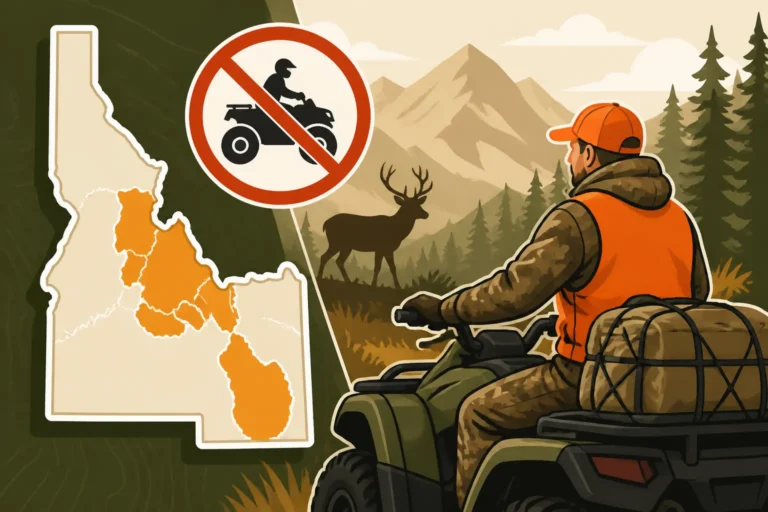
While there's a general season framework, Idaho's motorized hunting rule truly gets specific when you drill down into individual game management units (GMUs) and even specific areas within those units. This is where the real complexity, and the real homework, comes in. What might be allowed in one unit could be strictly prohibited just across the boundary in another. Which Units Carry a Motorized Hunting Rule varies, and these variations are often based on terrain, wildlife populations, hunting pressure, and the specific management goals for that area.
For example, a unit with extensive wilderness boundaries or fragile high-desert habitat might have more stringent motorized restrictions than a unit with more established logging roads and less sensitive ecosystems. You might find that some areas within a larger unit are entirely closed to motorized vehicles off designated routes, while others are more permissive during non-hunting periods. Motorized Rules on Idaho Wildlife Management Areas are another specific category, often having their own set of access regulations that might differ from broader state or federal lands. It's not uncommon for an elk zone that spans several units to have wildly different motorized rules from one unit to the next. This hyper-local approach means that successful and legal hunting in Idaho demands a deep dive into the specific rules for your chosen spot, leaving no room for assumptions.
Navigating the Landscape: Where the Rule Applies
So, you know when the rule is generally enforced, but where does it actually apply? This is perhaps the most critical distinction, because it dictates how you can move through the landscape once you're on public lands. The rule isn't about parking lots; it's about the wild ground where the game lives.
Defining "Established Roads" and "Motorized Travel"
The Idaho motorized hunting rule hinges on the definition of "established roads" and what constitutes "motorized travel." An "established road" is typically a route that is maintained, visibly marked, and generally open to public vehicle traffic. This can include federal, state, county, or Forest Service roads. It usually does not include two-track game trails, old logging spur roads that are heavily overgrown and unmaintained, or simply driving across an open field. The key here is the designation and maintenance. If it looks like a road that a standard vehicle (or even a rugged ATV) is meant to travel on, it’s likely an established road. If it’s just a path worn by deer or a faint trace from decades ago, it’s probably not. Which Roads Count Under the Motorized Rule is a critical piece of information that hunters often struggle with.
"Motorized travel" is fairly straightforward: it means using any vehicle with an engine. This isn't just cars and trucks; it explicitly includes ATVs, UTVs, motorcycles, and snowmobiles (though snowmobile rules are usually season-dependent and often have their own specific regulations). The rule aims to prevent the use of these vehicles for off-road access, pursuit, or retrieval during restricted periods. Essentially, if it has an engine and wheels or tracks, and you're taking it off an established, designated route, you're likely violating the rule. This is particularly important for hunters who rely on smaller, more agile vehicles to get into rugged country, as the temptation to veer off a main track can be strong.
Common Areas Where Motorized Rules Are Strict
You'll find the strictest enforcement of Idaho's motorized hunting rules in areas known for their pristine wilderness character, sensitive habitats, or high demand for traditional hunting experiences. This includes vast tracts of National Forest land, Bureau of Land Management (BLM) property, and especially those units that border or include designated Wilderness Areas. For example, remote regions in the Frank Church River of No Return Wilderness or the Selway-Bitterroot Wilderness are prime examples where motorized access is severely limited, if not entirely prohibited, beyond established trailheads. These areas are managed to preserve their wild nature, and vehicle restrictions are a cornerstone of that management.
Beyond designated Wilderness, many general units across Idaho, particularly those with significant elk and mule deer populations in mountainous or high-desert terrain, will have comprehensive motorized restrictions. Often, these restrictions are clearly marked on maps with specific road numbers or areas highlighted as "closed to motorized travel." Tools like onX Hunt or GoHunt are incredibly valuable here, as they often display these road closures and motorized restrictions right on their digital maps, allowing you to visually plan your route and scout potential hunting areas. Ignoring these maps and signage can lead you directly into a violation, even if you feel like you're just following an old faint track. Remember, the rule isn't just about designated roads; it’s about staying on those designated roads and Driving Off Established Roads Is Prohibited in Idaho during the specified periods.
| Enforcement Aspect | General Rule | Typical Exceptions/Variations | Hunter Action Required |
|---|---|---|---|
| When Applied | Primarily August through December, covering big game seasons. | Specific dates vary by unit and species; always check current regulations. | Consult Idaho Fish and Game regulations annually for your target unit. |
| Where Applied | Public lands (National Forests, BLM, some WMAs). | Private land (with permission), specific designated routes. | Use mapping apps (onX Hunt) to identify roads/closures; look for signage. |
| Vehicle Type | All motorized vehicles (trucks, ATVs, UTVs, motorcycles). | Non-motorized vehicles (bikes, horses, game carts) are generally allowed. | Plan alternative transport for scouting/retrieval where motorized is restricted. |
| Activity Covered | Off-road travel for scouting, hunting, and game retrieval. | Driving on established, designated, open roads is usually permitted. | Stick strictly to marked roads; avoid vague two-tracks or cross-country. |
Practical Strategies for Hunting Within the Rules
Navigating Idaho's motorized hunting rules successfully requires preparation and a proactive approach. It's not about being a rule-follower just for the sake of it; it's about being an ethical hunter who respects the land and ensures a fair chase for everyone. The good news is, there are plenty of ways to adapt your hunting style to thrive within these regulations.
Utilizing Mapping Tools for Compliance
In today's hunting world, digital mapping tools are your absolute best friend when it comes to understanding and adhering to motorized access rules. Forget the days of guessing or relying solely on outdated paper maps. Services like onX Hunt or GoHunt provide incredibly detailed topographic and satellite maps with overlays that often show public vs. private land boundaries, designated roads, and importantly, seasonal road closures or motorized travel restrictions. Before you even set foot in the field, you should be deep-diving into these resources. Using onX Layers for Idaho Public Land can literally save you from making a costly mistake.
Take the time during your E-Scouting an Idaho Unit Before the Season process to meticulously review the road networks in your target area. Identify the main access points, understand which roads are open, and pinpoint where motorized travel ends and foot or horse travel begins. Look for those faint two-tracks that might be tempting but are almost certainly off-limits. Plan your routes, potential glassing locations, and even hypothetical game retrieval paths with these restrictions firmly in mind. Having these maps downloaded to your phone or GPS device for offline use is non-negotiable, as cell service is often non-existent in the backcountry areas where these rules are most prevalent. This kind of diligent planning will not only keep you legal but also make you a more efficient and effective hunter.
Planning for Game Retrieval Without a Vehicle
The moment of truth for many hunters, especially those chasing elk in rugged Idaho terrain, is when a big animal hits the ground far from an accessible road. This is where the motorized hunting rule can hit hardest, as Why You Cannot Drive Off Road to Retrieve Game is a reality in many units. Accepting this reality before the hunt is key to successful and ethical retrieval. This means having a solid plan in place that doesn't involve a truck or ATV driving directly to your downed game.
Consider investing in a quality game cart, especially if you hunt flatter, more open terrain. For steeper, more rugged country, a sturdy pack frame and good meat bags are essential. If you're hunting with a partner, plan on sharing the load, taking multiple trips, or even boning out the animal on site to reduce weight. For truly remote kills, hiring a pack string outfitter or knowing someone with reliable pack horses or mules might be your best option. This takes pre-planning, often well before the season. The physical conditioning needed for packing out an entire animal, even if boned out, is significant, so don't underestimate it. Being prepared for a manual pack-out means you can focus on the hunt itself, rather than worrying about the logistical nightmare of retrieval after the shot. Remember, responsible hunting doesn't end when the animal falls; it continues through the entire, sometimes arduous, process of respectful retrieval.
Disclaimer
This article is for general informational purposes only and does not constitute professional advice. Laws, prices and regulations vary by location and change over time. Consult a qualified professional for guidance on your specific situation.