Goose Hunting Along the Snake River
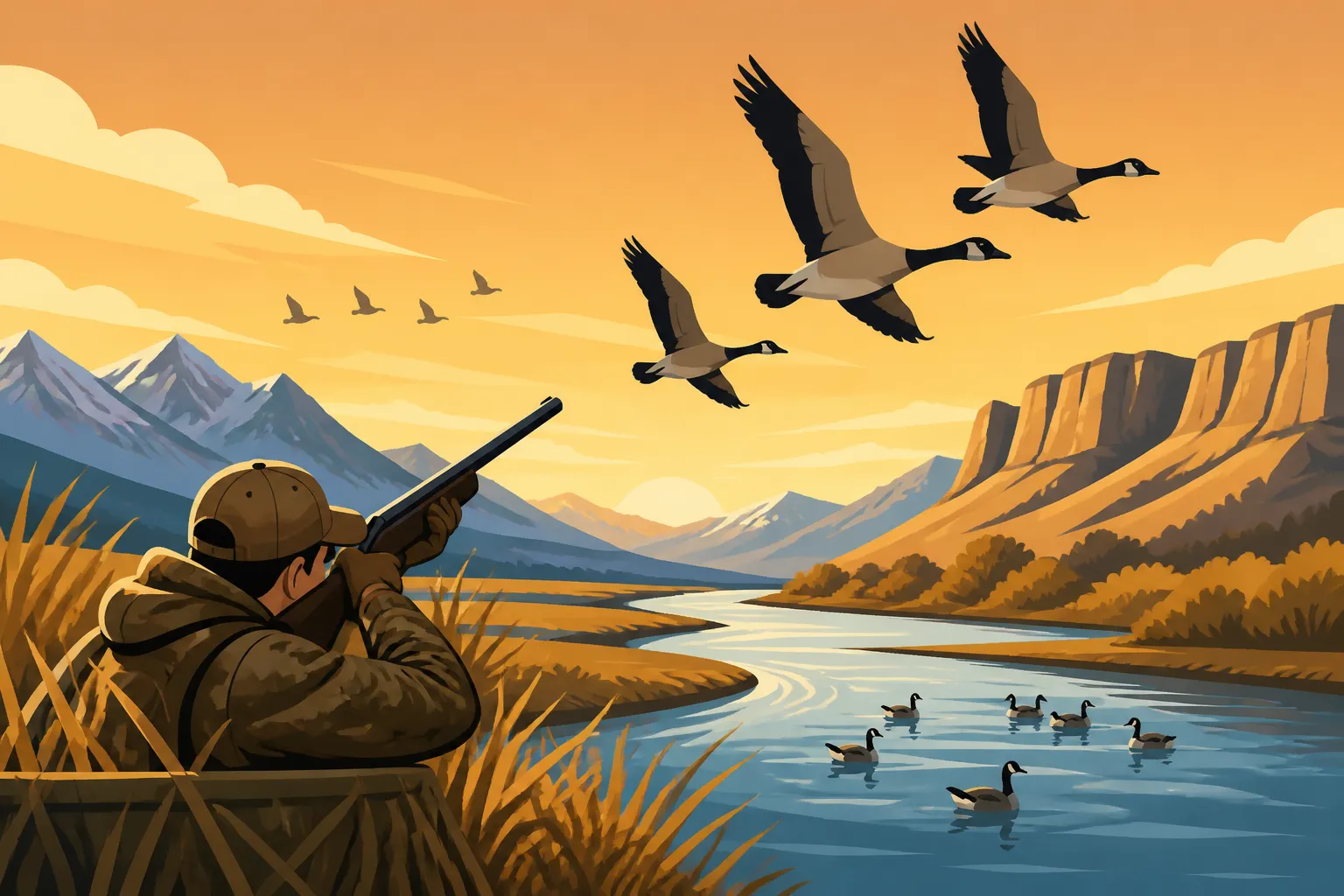
Hunting geese along Idaho's Snake River can be an incredibly rewarding experience, yet it often presents a unique set of challenges. From navigating the diverse and sometimes tricky waterways to understanding the specific behavioral patterns of geese in this region, preparing for a successful hunt requires insight. This guide will walk you through the ins and outs of targeting geese in this iconic corridor, helping you prepare for a productive and legal hunt.
Understanding the Snake River's Goose Habitat
The Snake River isn't just a river; it's a dynamic ecosystem that offers a myriad of habitats for waterfowl, especially geese. Its diverse landscape, from wide, open stretches to narrow, timbered banks and agricultural fields that extend right up to the water's edge, creates ideal conditions for different species of geese throughout the hunting season. Understanding these various environments and how geese utilize them is your first step toward consistent success.
Different Goose Species You'll Encounter
While the Canada goose is undoubtedly the most prevalent species along the Snake River, it's not the only one you might encounter. Lesser Canada geese, often smaller than their giant counterparts, frequently utilize the same feeding and resting areas. You might also spot smaller flocks of snow geese or even a few greater white-fronted geese, especially during peak migration. Each species has slightly different habits, which can influence your hunting strategy. Recognizing these differences—from their calls to their flight patterns—is crucial.
For instance, giant Canada geese tend to be very comfortable feeding in large agricultural fields, especially those near water, and resting on expansive sandbars or open water. Snow geese, on the other hand, often congregate in massive flocks and can be incredibly wary, preferring wide-open spaces where they have excellent visibility. Being able to identify what you're seeing and hearing can help you adjust your spread or calling technique on the fly. You might want to refer to Idaho Duck Bag Limits by Species for specific regulations on different waterfowl.
Key Features of the Snake River That Attract Geese
The Snake River's appeal to geese lies in its unique combination of water, food, and security. The river itself provides essential resting and roosting areas, especially stretches with large sandbars, quiet backwaters, or islands that offer refuge from predators. The adjacent agricultural lands are a huge draw, offering abundant food sources like waste grain in corn, wheat, or barley fields. These fields become critical feeding grounds, particularly after the fall harvest.
The river's flow and water temperature also play a role. Even as colder weather settles in, some sections of the Snake River remain unfrozen, providing vital open water when other sources are iced over. This can concentrate birds in certain areas, making scouting even more important. Understanding these geographical and seasonal draws is key to predicting where geese will be feeding, resting, and flying, and sites like GoHunt can offer tools to help you pinpoint these areas.
Impact of Water Levels and River Conditions
The Snake River is a managed waterway, and its water levels can fluctuate based on dam operations and seasonal runoff. These changes directly impact goose habitat and access for hunters. High water might flood traditional sandbars or make accessing certain boat launches difficult. Low water can expose new mudflats and sandbars, creating new loafing areas for geese but also potentially stranding boats in shallower channels.
Before heading out, always check current river conditions and water levels. A stretch of river that was productive last week could be completely different this week. Paying attention to these subtle shifts can save you a lot of frustration and greatly increase your chances of finding birds. Planning your access strategy around these variable conditions is paramount, whether you're floating, wading, or using a boat.
Essential Gear and Tactics for Snake River Goose Hunting
Hunting geese along the Snake River requires a specific set of gear and tactics tailored to the diverse environments you'll encounter. It’s not a one-size-fits-all situation; what works for field hunting might not work as well for a river setup, and vice-versa. Being prepared with the right equipment and a flexible mindset will make all the difference in your success.
Decoys and Spreads Tailored for River Environments
When it comes to decoys, realism and quantity matter on the Snake. Geese are smart, and they’ve seen a lot of spreads. For river hunting, a mix of full-body decoys and floaters is often effective. Full-body decoys can be set up on sandbars or along riverbanks to simulate feeding or resting birds, while floaters can be deployed in the water to represent birds on the surface. Motion decoys, such as those with flapping wings or rotating heads, can add an extra layer of realism that helps to pull wary birds closer.
The spread itself should mimic natural goose behavior. Think about how geese land and feed. They typically land into the wind, so position your main landing zone accordingly. A J-hook or U-shaped spread, with the opening facing into the wind, often provides an inviting path for geese to commit. Don't be afraid to experiment with different patterns. Sometimes, less is more, especially if you're targeting smaller flocks or highly pressured birds. Remember, geese are looking for safety, so a natural, uncrowded spread can sometimes be more appealing than a huge, dense one.
Blinds, Boats, and Concealment Strategies
Concealment is paramount when hunting geese on the Snake. Whether you're hunting from a blind on the bank or a boat in the water, remaining hidden is non-negotiable. For bank hunting, natural cover like cattails, willows, or brush can be augmented with portable blinds. Make sure your blind blends in seamlessly with the surroundings. If you're hunting open sandbars, a low-profile layout blind or a boat blind specifically designed for waterfowl can be very effective.
For hunting from the water, a camouflaged boat is essential. Flat-bottomed Jon boats or custom duck boats often work well, allowing you to navigate shallower areas and blend into the shoreline vegetation. Think about using natural materials like cut reeds, tumbleweeds, or burlap to break up the outline of your boat. Many hunters will even paint their boats in camouflage patterns. Regardless of your setup, ensure you have multiple layers of concealment, including face paint or masks, and gloves. Geese have incredible eyesight.
Shotguns, Ammunition, and Shooting Fundamentals
For goose hunting, a 12-gauge shotgun is the standard, though some hunters opt for a 10-gauge for its increased payload and range. A 3-inch or 3.5-inch magnum shell loaded with steel shot is the norm, as lead shot is illegal for waterfowl. Shot sizes like BB, BBB, or T are popular choices, offering good energy transfer and pattern density for larger birds like geese. Always match your choke to your shot size and expected shooting distances; a modified or improved modified choke is a good starting point for many scenarios.
| Shot Size | Best Use Case | Effective Range (Yards) | Notes |
|---|---|---|---|
| BB | Close to medium range geese | 20-40 | Good all-around choice for decoying birds |
| BBB | Medium range, slightly larger geese | 30-50 | More pellets than T, good for open patterns |
| T | Longer range, larger geese | 40-60 | Fewer, heavier pellets, excellent penetration |
| F | Extreme range, very large geese | 50-70+ | Minimal pellets, requires precise patterning |
Beyond the equipment, shooting fundamentals are critical. Practice your swing and follow-through. Geese are big birds, but they are fast and can be deceptively tricky to hit, especially when cupped and committed or flaring at the last second. Remember to lead them sufficiently, particularly on crossing shots. Your ability to shoot accurately, even in cold or uncomfortable conditions, is as important as your gear.
Calling Techniques for Snake River Geese
Goose calling is an art, and mastering it for the Snake River environment can significantly improve your success. While a variety of calls are available, focus on learning a few key sounds: the greeting call, comeback call, honk, cluck, and moan. The greeting call is used to attract distant birds, while the comeback call is for geese that appear to be flying away. Honks, clucks, and moans add realism to your spread, simulating contented birds on the ground.
Listen to real geese as much as possible, whether in the field or through recordings. Pay attention to their cadence, volume, and how they interact. Don't overcall; sometimes less is more. If birds are working your spread, switch to quieter, more contented calls. If they're hesitant, a more aggressive comeback call might be needed. The key is to react to what the birds are telling you. Practicing regularly, perhaps with tips from resources like GoHunt, will build your confidence and help you sound more natural.
Navigating Regulations and Access on the Snake River
Hunting along the Snake River, particularly for migratory birds, involves a patchwork of federal, state, and sometimes local regulations. Add to that the complexities of public versus private land access, and it can feel like a maze. Understanding these rules and access points before you ever leave home is crucial for a legal and stress-free hunt.
State and Federal Waterfowl Regulations
First and foremost, you'll need an Idaho hunting license and federal and state migratory bird validations (stamps). The federal duck stamp is a must for anyone 16 or older hunting waterfowl. These funds go directly to wetland conservation, so it's a purchase you can feel good about. Idaho also has specific regulations regarding daily bag limits, possession limits, and shooting hours for different species, which can vary by zone and throughout the season. Checking the current year's Idaho Waterfowl Season Framework and Idaho Legal Shooting Hours for Big Game (as shooting hours often align for migratory birds) is a non-negotiable step before every season.
Beyond the basics, be aware of specific weapon restrictions. As mentioned, lead shot is prohibited for waterfowl. Also, pay attention to rules about electronic calls; generally, they are not allowed for migratory birds. There are also regulations regarding unplugged shotguns, meaning your shotgun must be incapable of holding more than three shells (one in the chamber, two in the magazine). Always keep your hunting license and stamps on your person while hunting. Enforcement can be strict, and ignorance of the law is no excuse.
Identifying Public and Private Land Along the River
The Snake River flows through a mix of public and private land, and respecting these boundaries is paramount. Much of the land directly adjacent to the river might be privately owned, even if it looks undeveloped. However, federal lands managed by the Bureau of Land Management (BLM) or state lands are often open to hunting. Identifying these parcels can be challenging from the water or the bank.
This is where mapping tools become invaluable. Online resources like the Idaho Fish and Game Hunt Planner, or third-party apps like GoHunt, provide detailed land ownership maps that can be overlaid with aerial imagery. These tools are critical for pre-scouting and ensuring you don't inadvertently trespass. Look for Checking Public Land Percentage by Idaho Unit information, and always carry a physical map or a fully charged GPS device with land ownership layers while in the field. If in doubt, assume it's private and seek permission, or move on to clearly marked public ground.
River Access Points and Navigation
Accessing the Snake River for hunting often means using designated boat launches, or in some cases, hiking into remote stretches. Many public boat ramps are available along the river, provided by local municipalities, Idaho Fish and Game, or federal agencies. Researching these access points beforehand is critical, as some might be shallow, require specific vehicle types, or have seasonal closures. You can often find specific details about Idaho's Snake and Salmon River Access Points through the state's resources.
Once on the water, safe navigation is key. The Snake River can have strong currents, submerged hazards, and varying depths. Always wear a life jacket, especially during colder months. Be aware of other river users, including anglers, recreational boaters, and even commercial traffic. Maintain a safe distance and be courteous. Navigating in the dark, particularly before legal shooting hours, demands extra caution and proper navigation lights. Understanding the nuances of the river itself is just as important as knowing the geese.
Timing Your Hunt: Seasons, Weather, and Goose Behavior
Successful goose hunting on the Snake River isn't just about good gear; it's also about timing. Understanding the migratory patterns of geese, how local weather influences their movements, and the subtle cues of their behavior can drastically improve your chances. Being in the right place at the right time, with the right setup, is the ultimate goal.
Peak Migration and Local Bird Movements
Goose hunting seasons in Idaho generally align with migratory patterns, with early seasons often targeting local birds and later seasons coinciding with the arrival of birds migrating south. The exact timing of peak migration can vary year to year based on weather patterns further north, but generally, late October through December sees a significant influx of new geese into the Snake River corridor. These birds, having not been hunted as heavily, can sometimes be less wary than local birds that have seen plenty of pressure.
However, don't overlook early-season opportunities. Local geese can offer excellent hunting, especially if you've done your scouting and understand their daily routines. They'll have established feeding and roosting patterns that are often more predictable than transient migratory flocks. Regularly checking scouting reports and talking to local hunters can give you an edge in understanding these movements. It's a dynamic situation, and flexibility is key.
How Weather Influences Goose Activity
Weather is arguably the biggest factor influencing goose behavior. Cold fronts, snow, and strong winds can significantly alter their movements and feeding patterns.
- Cold Fronts and Snow: When bitter cold and snow hit, geese need to feed more frequently and often seek open water that hasn't frozen over. This can concentrate them in specific areas along the Snake River that offer both food and open water. These conditions can often lead to some of the best hunting, as birds are more desperate to feed and less wary.
- High Winds: Strong winds can make geese fly lower and faster, and they'll often fly fewer circuits before committing to a spread. They'll also typically land directly into the wind, so understanding the wind direction is critical for decoy placement and blind orientation. Wind also helps to make decoys appear more lifelike, adding natural motion.
- Bluebird Days: Clear, calm, sunny days (often called "bluebird days") can be challenging. Geese tend to fly higher, scout spreads more thoroughly, and be much warier. On these days, extra attention to concealment, realism in your spread, and subtle calling techniques becomes even more important. Sometimes, these days are best spent scouting for future hunts.
Scouting for Active Feeding and Roosting Areas
Scouting is non-negotiable for consistent goose hunting success on the Snake River. It’s about more than just finding birds; it's about understanding why they are where they are. Drive the backroads near the river, focusing on agricultural fields. Look for fresh droppings, trampled stubble, and actual birds feeding. Pay attention to their flight lines from roosting areas (often large, open water sections of the river) to feeding fields.
Use binoculars or a spotting scope to observe patterns. When do they arrive? How long do they stay? Where do they exit the field? These observations are gold. Don't be afraid to scout at different times of day. Morning flights might differ from evening flights. Scouting is an ongoing process, as goose patterns can change quickly due to hunting pressure, food availability, or weather. Tools like The Idaho Hunt Planner Is the Tool to Start With can provide valuable aerial imagery and unit information to help you pinpoint potential areas of interest before you even hit the ground.
Disclaimer
This article is for general informational purposes only and does not constitute professional advice. Laws, prices and regulations vary by location and change over time. Consult a qualified professional for guidance on your specific situation.