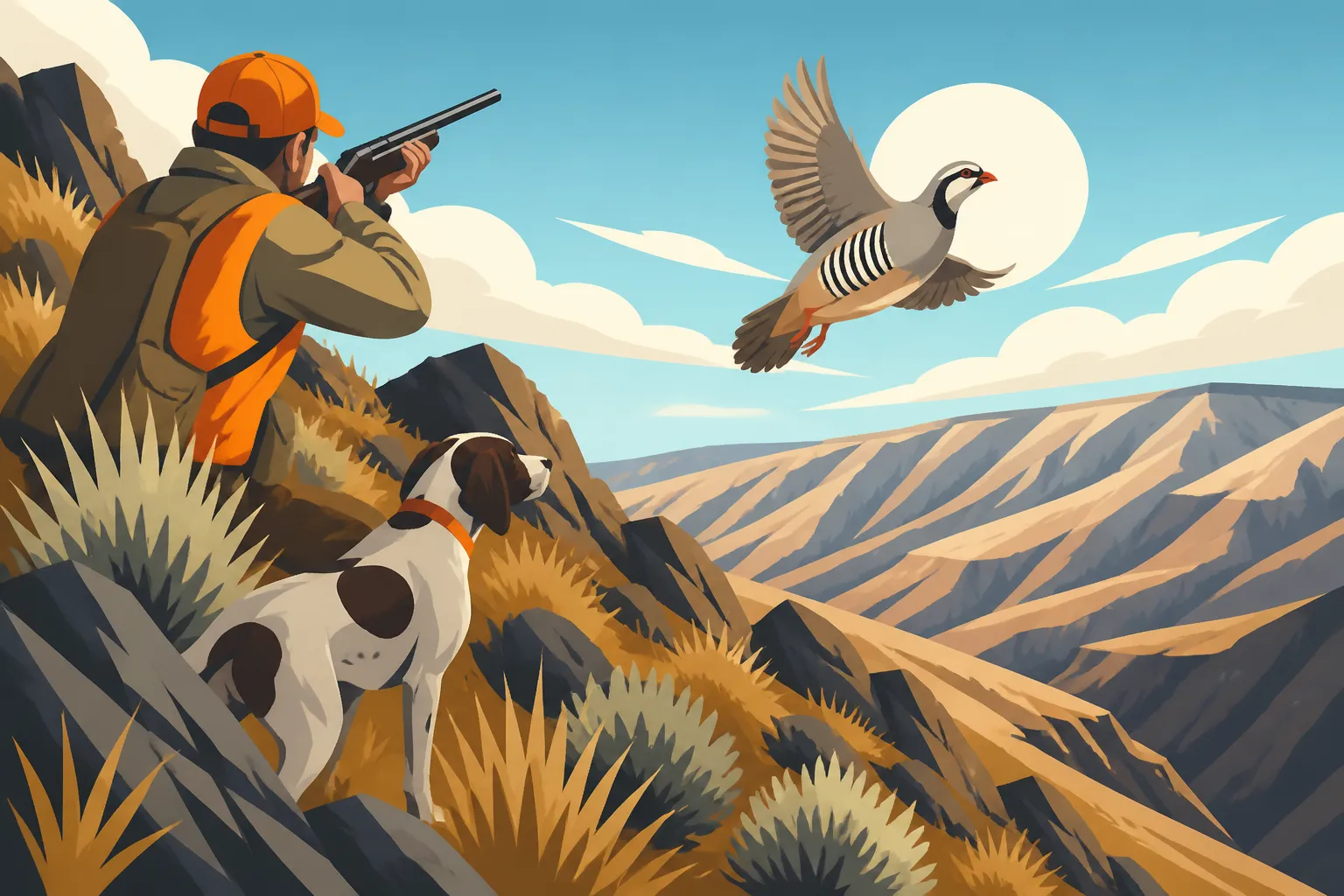
Chukar Hunting on the Steep River Breaks
Chukar hunting on Idaho's steep river breaks isn't just a physical challenge; it's a mental game against some of the wariest and fastest upland birds out there. Many hunters feel overwhelmed by the sheer vastness and unforgiving nature of the terrain, often wondering if they're even in the right place, let alone using the right tactics. This comprehensive guide aims to demystify the art of chasing chukar on these rugged landscapes, providing practical advice to increase your odds and make your time on the mountain both more productive and enjoyable.
Understanding Chukar Habitat on Idaho's River Breaks
Idaho's river breaks, especially in areas like Hells Canyon or the Owyhee country, are truly unique ecosystems. They are defined by their dramatic elevation changes, sparse vegetation, and often remote nature. For hunters new to the region, it can feel like looking for a needle in a haystack, but once you understand what chukar seek, the landscape begins to reveal its secrets.
The Lure of the Desolate Breaks: Why Chukar Love Them
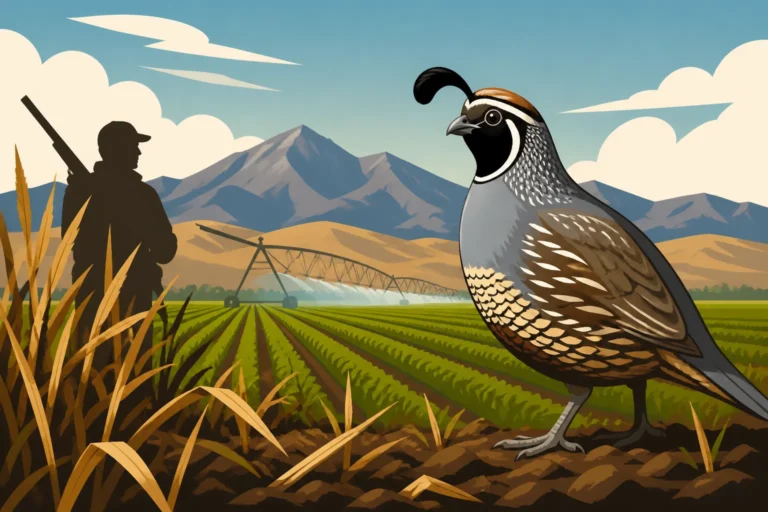
Chukar are tough birds built for tough country. They thrive in arid, rocky environments with steep, broken terrain, and Idaho's river breaks offer this in spades. These birds aren't fans of flat, open ground or dense timber. Instead, they prefer the exposed, south-facing slopes, which warm up quickly in the morning sun, melting frost and making forage more accessible. The typical vegetation here often consists of hardy plants like cheatgrass, bunchgrass, sagebrush, and bitterbrush, which provide both food and cover. Most importantly, chukar need reliable access to water, even if it's just a seep, a spring, or a stock tank. They'll travel surprising distances to get to it, but they won't be far from a water source for long. This combination of rugged escape cover, available food, and water is precisely what makes these desolate, steep slopes their perfect home. When you’re staring up at a seemingly impossible slope, remember, that’s exactly where the chukar wants to be.
Identifying Prime Chukar Country: Reading the Landscape
Finding chukar isn't about aimless wandering; it's about smart scouting and understanding the signs. When you're looking at a vast expanse of river breaks, you want to identify areas that offer a mix of everything they need. Look for distinct changes in elevation, particularly those featuring basalt rimrock ledges and benches. These geological features provide excellent roosting sites, escape cover from predators, and often create small microclimates where water might collect or certain plants thrive. South-facing slopes are almost always preferred, especially earlier in the season or on colder days, as they offer warmth. Don't forget about proximity to water; this is a huge predictor. Use tools like topographical maps and satellite imagery to identify these features before you even step out of your truck. Look for drainages that might hold a spring, or old ranch roads that lead to cattle tanks. High-quality mapping applications, like those offered by GoHunt, can be incredibly useful for pinpointing these key features and planning your approach, saving you countless miles of wasted hiking. Remember, the birds are often concentrated in these specific areas, so learning to "read" the terrain for these indicators will save your legs and increase your success.
Essential Gear and Tactics for Chukar Hunting
Hunting chukar is a truly athletic endeavor, demanding not only physical endurance but also the right equipment to handle the steep, rocky, and often unforgiving terrain. Skimping on gear can lead to a miserable, or even dangerous, experience.
Footwear and Conditioning: Your Most Important Assets
Let's be blunt: if your feet aren't happy, you're not going to be happy. Chukar hunting will absolutely punish your feet and legs. You'll be climbing thousands of vertical feet, navigating loose scree, sharp rocks, and steep, uneven ground. This isn't a walk in the park; it's a grind. Therefore, investing in top-tier, waterproof, ankle-supporting hiking boots is non-negotiable. Look for boots with stiff soles for stability and excellent traction. Many seasoned chukar hunters swear by boots designed for mountain hunting or serious backpacking. Equally important are gaiters, which will keep cheatgrass seeds, small rocks, and snow out of your boots, preventing irritation and blisters.
Beyond gear, your physical conditioning is paramount. There's no way around it: chukar hunting is demanding. Start your training long before the season. Focus on exercises that build leg strength, cardiovascular endurance, and core stability. Hill repeats, stair climbing, and long hikes with a weighted pack are excellent ways to prepare your body for the relentless ups and downs of the breaks. Don't underestimate the mental toughness required either; when your legs are burning and you feel like you can't take another step, that's often when the birds will flush. Physical Conditioning for Idaho Backcountry is something you'll need to research well in advance.
Shotguns, Loads, and Chokes: Picking the Right Tools
When those chukar finally flush, they do so with an explosive burst of speed, often sailing downhill at incredible velocity. This means you need a shotgun that you can swing quickly and confidently. Most hunters opt for a 12-gauge or 20-gauge, with the 20-gauge gaining popularity due to its lighter weight, which is a blessing when you're hiking all day. A lighter gun doesn't mean less firepower when you're shooting at close range.
For ammunition, a good quality upland load with 7.5 or 6 shot is generally preferred. The smaller shot size (7.5) offers a denser pattern, which can be advantageous for smaller, fast-flying birds like chukar. Many hunters start with 7.5 shot and might switch to 6 shot if they find themselves taking longer shots or want a bit more knockdown power for those hard-charging birds. As for chokes, an Improved Cylinder (IC) or Modified (Mod) choke is usually the sweet spot. An IC provides a more open pattern, which is great for those close, unexpected flushes, while a Modified gives you a bit more reach if the birds are flushing a little further out. Having a versatile setup or even a double-barreled shotgun with different chokes can give you an edge.
Dogs for Chukar: A Game Changer, But Not a Guarantee
A well-trained bird dog can transform a chukar hunt from a grueling exercise in frustration into a truly memorable experience. Dogs excel at finding birds, holding points, and, crucially, retrieving downed birds from otherwise inaccessible terrain. Without a dog, many fallen chukar would be lost forever in the deep canyons or thick sagebrush. Breeds like German Shorthaired Pointers, English Pointers, Brittanys, and Vizslas are popular choices due to their stamina, scenting ability, and desire to please.
However, don't assume any bird dog will automatically be a chukar dog. The terrain is brutal on paws, and the sheer verticality of the hunts can quickly exhaust an unprepared dog. You need a dog that is in excellent physical condition, has tough pads, and is accustomed to working at range in broken country. Hydration is also a major concern for dogs in these arid environments; always carry plenty of water for your canine companion. While a good dog is an undeniable asset, it still won't guarantee birds, and sometimes, even the best dog can struggle with the vastness and the difficulty of tracking birds that run and flush from impossible positions. It’s a partnership, and both of you need to be up to the task.
Strategies for Success on the Breaks
Chukar hunting is often referred to as an "upside-down hunt," and for good reason. The traditional upland hunting advice of starting low and working your way up is often counterproductive on the steep river breaks. Mastering a few key strategies can make all the difference between a few birds and a full vest.
The Upside-Down Hunt: Starting High, Hunting Down
This is perhaps the most fundamental and effective strategy for chukar hunting on the breaks. The idea is to gain elevation first, often by driving to the highest accessible point on a ridge or plateau, and then hunt your way down into the birdy-looking drainages and benches. There are several reasons this works so well. First, it's easier on your body to descend than to climb, especially when you're loaded down with a shotgun, water, and birds. Second, chukar, when flushed, almost invariably fly downhill. If you're above them, they'll fly away from you, potentially giving you a cleaner shot as they quarter away or across a canyon. If you're below them, they'll often flush straight uphill, putting them out of range quickly or using the ridge to disappear.
By starting high, you can often push birds down into pockets or into areas where you can cut them off. It also allows you to glass large sections of country from above, spotting potential habitat or even birds from a distance. Once you flush a covey, pay close attention to where they land. Chukar will often re-covey or hold tight in dense cover, offering opportunities for follow-up shots if you can mark their landing spot and make a tactical approach. Glassing Breaks and Benches for Mule Deer tactics can even be adapted to spot birds, albeit on a smaller scale, as you identify key features from above.
Reading the Birds: Flushes, Recoils, and Relocating
Chukar are notoriously intelligent and wily birds. They are masters of using the terrain to their advantage, and understanding their behavior is key to consistent success. When a covey flushes, it's usually explosive, loud, and can be startling. They'll often burst out from underfoot, especially if they've been running ahead of your dog. Critically, pay attention to their flight path. As mentioned, they almost always fly downhill, often banking and turning to put a ridge or a deep canyon between themselves and you.
Once they land, they will either "recoil," meaning they run further away, often uphill from where they landed, or they will hold tight in dense cover. The key is to mark where they landed as precisely as possible. This is where a good dog excels, but even without one, note landmarks, specific rock formations, or clumps of brush. After a flush, don't just stand there; begin a slow, methodical approach to the landing zone. Sometimes, individual birds will hold incredibly tight, allowing for single-bird flushes if you can find them. This is often where a second chance at a bird presents itself. Don't be afraid to hike a good distance to get back to where the birds landed; many hunters give up too easily after the initial flush.
Water Sources and Roosting Areas: Key to Finding Birds
Chukar, like all living creatures in arid environments, are tied to water. While they can go for extended periods without free water, they will still visit springs, seeps, and even dew-covered vegetation regularly. Identifying these water sources on your maps or during scouting trips can be like finding a gold mine. Birds will often be found within a reasonable distance of water, especially during hot, dry periods of the season. Early mornings or late afternoons are prime times to find birds near these spots as they come to drink.
Beyond water, chukar also have distinct roosting preferences. They favor rimrock ledges, steep rock slides, and thick brush on south-facing slopes for overnight protection. These areas offer thermal cover, protection from aerial predators, and often a commanding view of the surrounding terrain. Scouting these areas for droppings, feathers, or tracks can confirm their presence. During the heat of the day, chukar will often move into the shade of these rock formations or dense brush, so exploring these features can be productive even when the sun is high. Knowing that birds are often near both water and secure roosting sites gives you a great starting point for your hunt.
Safety, Regulations, and Respecting the Land
Hunting chukar in Idaho's rugged country is an incredible experience, but it comes with inherent risks. Being prepared for the challenges of the terrain, understanding the rules, and respecting the land are crucial for a safe and successful hunt.
Staying Safe in Rugged Terrain: Beyond the Basics
The steep river breaks of Idaho demand a heightened awareness of personal safety. Beyond the basic firearm safety rules, you need to consider the environment itself. Falls are a very real danger. Always watch your footing, especially on loose scree, wet grass, or icy patches. Trekking poles can be an absolute lifesaver, providing extra stability on descents and ascents. Dehydration is another silent threat. Even in cooler weather, the physical exertion will quickly deplete your water reserves. Carry more water than you think you'll need, and consider bringing electrolyte supplements. Finding Water Sources in Dry Sage Country is a skill that might be useful for survival, but never rely on finding water when you can pack it in.
Wildlife encounters are also a possibility. Rattlesnakes are common in these habitats, especially on warm days. Wear snake gaiters or thick leather boots, and always watch where you step and place your hands. Larger predators like cougars or bears are present in some areas, so carrying bear spray is always a wise precaution, especially in the early and late parts of the season. Always let someone know where you're going and when you expect to return. Hunting with a partner is highly recommended; having someone there to help in an emergency can be invaluable. Don't push your limits, and if the terrain looks too dangerous, find another way around.
Navigating Idaho's Regulations and Access
Before you even head out, make sure you're up to date on all of Idaho's hunting regulations. This includes understanding season dates, bag limits, and specific unit rules for chukar and other upland birds. You'll need an Idaho hunting license, and possibly other stamps or validations depending on the species. The Idaho Fish and Game website is your primary resource, but hunting apps like those offered by GoHunt can also be fantastic for quickly referencing regulations, checking unit boundaries, and overlaying public land maps.
Access to these remote areas can be challenging. Much of Idaho's chukar country is on public land managed by the Bureau of Land Management (BLM) or the Forest Service. However, access points can sometimes be through private property, so always be aware of land ownership boundaries. Programs like Access Yes Opens 328,000 Private Acres in Idaho can provide additional opportunities for accessing otherwise landlocked public land or hunting on private parcels with permission. Always confirm access rules, and respect private property. The last thing you want is a citation or to lose hunting privileges because you didn't do your homework. Understanding Idaho's Motorized Hunting Rule Keeps You on the Road is also essential, as many areas restrict off-road vehicle use, even for game retrieval.
Shotgun and Load Recommendations for Chukar
Choosing the right firearm and ammunition is crucial for success on fast-flying chukar. The table below outlines common shotgun gauges and recommended shot sizes and chokes, considering the typical scenarios encountered on Idaho's steep river breaks.
| Gauge | Common Shot Sizes | Recommended Choke(s) | Advantages | Disadvantages |
|---|---|---|---|---|
| 12 Gauge | 7.5, 6 | IC, Modified | Versatile, strong knockdown power, wider pattern | Heavier to carry, more recoil |
| 20 Gauge | 7.5, 6 | IC, Modified | Lighter weight, less recoil, quicker swing | Slightly less pattern density than 12ga at range |
| 28 Gauge | 7.5 | IC | Very light, minimal recoil, excellent for quick shots | Limited range, less forgiving pattern |
For most chukar hunters, a 20-gauge shotgun with a Modified choke and 7.5 shot offers a great balance of portability, quick handling, and effective patterning for these challenging birds. However, personal preference and comfort with your firearm are ultimately the most important factors.
Disclaimer
This article is for general informational purposes only and does not constitute professional advice. Laws, prices and regulations vary by location and change over time. Consult a qualified professional for guidance on your specific situation.