General Elk Season Openers Across Idaho Zones
Trying to pin down the exact start date for general elk season in Idaho can feel like you're reading a secret code, with different zones, weapon types, and tag designations all swirling together. It's a common frustration among hunters, and honestly, it can be overwhelming. This guide is designed to cut through that confusion, helping you understand the typical general elk season openers across Idaho's varied landscape so you can plan your hunt effectively and confidently.
Understanding Idaho's Elk Zones and General Seasons
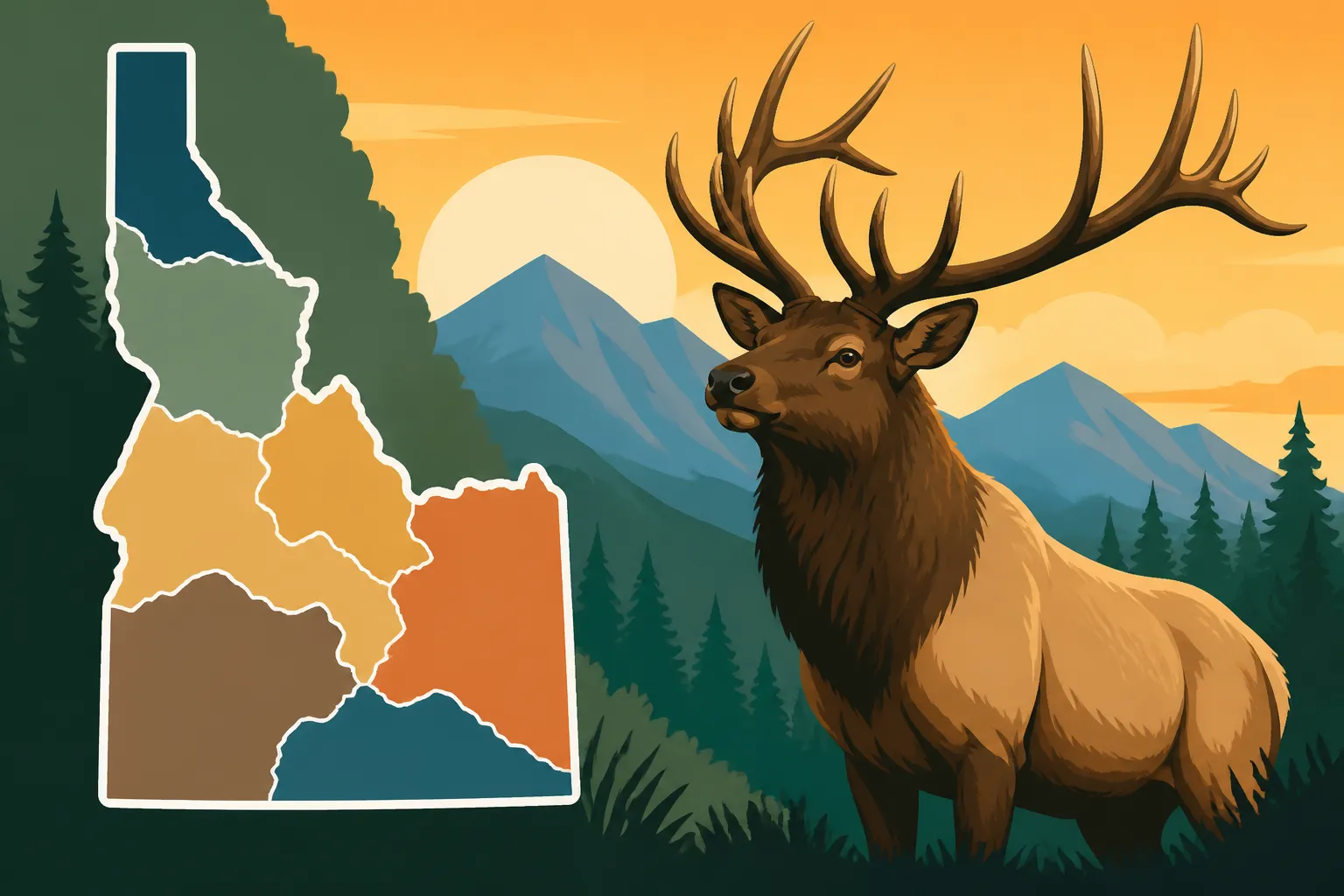
Idaho's approach to elk hunting is incredibly diverse, which is fantastic for opportunity but can be a bit of a jigsaw puzzle when you're trying to figure out when to head afield. The state is carved up into numerous game management units, which are then grouped into 28 larger elk zones. Each of these zones can have unique season structures, opening dates, and even different tag types, such as A tags and B tags, that dictate when and where you can hunt. This intricate system is designed to manage elk populations effectively, distribute hunter pressure, and provide a wide array of hunting experiences, but it definitely requires some homework to navigate.
The Zone System Explained
Imagine trying to manage a resource as vast and dynamic as elk across an entire state with diverse habitats ranging from dense northern timber to arid southern sagebrush. That's why Idaho uses its comprehensive zone system. Each zone is essentially a management area for elk, with specific regulations tailored to the elk population and habitat within its boundaries. For instance, the Panhandle Zone might have different season dates and tag allocations than the Lolo Zone, which itself will differ from the Pioneer Zone down south. These zones are often composites of several Game Management Units (GMUs), meaning you need to understand both the broader zone rules and any specific unit caveats that might apply. Understanding Idaho Elk Zones and the A Tag or B Tag Choice is fundamental to planning. It's not just about finding elk; it's about understanding the specific framework governing your chosen area. Many hunters use tools like GoHunt to visualize these boundaries and associated regulations on detailed maps.
General Season Against Controlled Hunts
When we talk about "general elk season openers," we're primarily focusing on the opportunities that are often available over-the-counter or through a simpler draw process, as opposed to the more restrictive controlled hunts. General seasons are typically what most resident and nonresident hunters participate in, offering broader access to tags and larger hunting areas. These seasons usually have set dates that open on specific days of the week, often Saturdays, and run for a predetermined number of weeks. Controlled hunts, on the other hand, are highly limited entry draws for specific units or zones, often for prime dates or unique opportunities, and their application and draw windows are entirely separate. While they offer exceptional quality, they are not what we consider "general season openers." Remember that Idaho Moved Nonresident Deer and Elk Tags Into a Draw for 2026, which impacts future general season access for nonresidents.
Weapon-Specific General Openers
Within these general seasons, Idaho further refines the hunting opportunities by staggering opening dates based on weapon type. This is a common management strategy that helps spread out hunter pressure and provides different experiences. Generally, archery seasons open first, often in late August or early September, taking advantage of the early rut activity. Following archery, you'll typically find muzzleloader seasons, often kicking off in mid-October. Finally, the general any-weapon (rifle) seasons usually begin in mid-October or early November, often aligning with the peak of the rut in many areas or simply targeting later season opportunities. It's important to check the specific regulations for your chosen zone, as not all zones offer all weapon types for general seasons, or the dates can vary wildly. Understanding these nuances is critical, as a valid archery tag won't do you any good if you show up with a rifle on archery-only opener.
Key Factors Influencing Elk Season Openers
The dates chosen for Idaho's general elk season openers aren't arbitrary; they're the result of careful consideration by Idaho Fish and Game (IDFG). These dates are influenced by a complex interplay of biological factors, historical hunter behavior, and environmental conditions. It's a balancing act designed to maintain healthy elk herds, provide quality hunting opportunities, and manage human impact on the landscape.
Biological Considerations and Herd Management
At the heart of season setting is the health and sustainability of Idaho's elk herds. IDFG biologists constantly monitor population numbers, calf recruitment, bull-to-cow ratios, and herd health indicators. Season openers are often timed to coincide with periods when hunting can be most effective without negatively impacting the long-term viability of the herd. For example, some general rifle seasons are set to open during the peak of the rut (mid-September to early October for much of Idaho), when bulls are more vulnerable, maximizing harvest potential while minimizing the length of the season to reduce overall pressure. Other seasons might be set later to allow for post-rut recovery or to target migration corridors. The goal is to manage harvest within sustainable limits for each specific Elk Herd Distribution by Zone.
Hunter Pressure and Access
Another significant factor is managing hunter pressure and ensuring equitable access. By staggering season openers across different zones and weapon types, IDFG aims to prevent overcrowding in any single area. If every elk season opened on the same day statewide, the pressure on accessible public lands would be immense, leading to a less enjoyable and potentially less successful experience for everyone. Idaho also considers public land access points and infrastructure when setting dates. Some zones with extensive road networks might have different pressure profiles than remote wilderness areas. Understanding Idaho's Motorized Hunting Rule Keeps You on the Road is also crucial, as limitations on vehicle access can dramatically influence where and when hunters choose to focus their efforts, particularly on opening weekend.
Weather Patterns and Rut Timing
Weather, an uncontrollable but critical element, heavily influences elk behavior and hunter success. Season openers are often set with historical weather patterns in mind, though nature always has the final say. Early archery seasons might offer milder weather, while late general rifle seasons can bring challenging snow and cold. The timing of the rut is particularly important for archery and early rifle seasons, as bulls are more active and vocal, increasing opportunities for hunters employing calls. Knowing Bugling Elk in Idaho's Timbered Zones can be a game-changer if your opener aligns with peak rut activity. Conversely, unpredictable weather can push elk to lower elevations earlier or keep them high longer, directly impacting huntability on opening day.
Planning Your Hunt Around Zone Specifics
With Idaho's diverse elk zones, simply knowing "when general elk season opens" isn't enough; you need to dig into the specifics of your chosen zone. Each zone presents its own unique challenges and opportunities, and a well-thought-out plan, including contingency measures, is vital for a successful hunt. This means more than just looking at a calendar; it means understanding the terrain, predicted hunter density, and having a realistic approach to your hunt.
Navigating Opening Weekend Crowds
Opening weekend of any general elk season, especially for rifle, can be a bustling time on accessible public lands. Hunters who plan meticulously can sometimes find solitude by seeking out more remote areas or utilizing less obvious access points. However, if your plan involves hunting near popular trailheads or easily accessible national forest roads, prepare for company. Many experienced hunters embrace the opening weekend rush but focus on areas deeper in, or consider hunting mid-week after the initial wave of weekend warriors has subsided. It’s a delicate balance between being there for the opener and avoiding undue pressure. Remember that if you're trying to figure out Reading an Elk Zone Boundary on a Map and comparing it to access points, you'll gain a significant advantage in finding quieter spots.
Considerations for Different Terrain Types
Idaho's elk country is incredibly varied, from the steep, timbered canyons of the Clearwater to the rolling sagebrush hills of the Owyhee Breaks. Your chosen zone's terrain will heavily influence your hunting strategy, gear choices, and even physical conditioning. A season opener in high-elevation wilderness demands different preparation than one in more accessible, lower-elevation timber. For example, tracking elk in dense timber might be more productive in some northern zones, while glassing vast expanses might be the tactic for southern zones. Always consider how the terrain interacts with the anticipated opening day weather and the elk's likely behavior. This might mean adjusting your approach from a spot-and-stalk on open ridges to a still-hunt through dense cover.
Flexibility and Backup Plans
No matter how thoroughly you plan, hunting in Idaho always demands flexibility. Weather can change dramatically, elk can be pressured into unexpected areas, and unforeseen circumstances can arise. Having a backup plan – whether it's an alternative hunting area within your zone, a different strategy if elk aren't where you expect them, or even shifting your hunting days – can save a hunt from becoming a bust. This might mean identifying multiple potential glassing points, understanding alternative access routes, or even being prepared for unexpected snowfall. Embrace the unpredictable nature of the backcountry, and always have a Plan B (and maybe even a Plan C!).
Using Resources to Stay Up-to-Date
The key to successfully navigating Idaho's general elk season openers is staying informed. Regulations can shift, and knowing where to find the most current and accurate information is paramount. Thankfully, there are excellent resources available, both official and third-party, to help you plan your next adventure.
The Idaho Fish and Game Website and Hunt Planner
The official source for all Idaho hunting regulations is the Idaho Fish and Game (IDFG) website. Their annual hunting regulations booklets, available online and in print, are non-negotiable reading for every hunter. These documents contain the precise season dates for every zone and unit, tag requirements, and all other pertinent rules. Beyond the static regulations, the IDFG also offers an incredibly powerful tool called The Idaho Hunt Planner Is the Tool to Start With. This interactive map-based platform allows you to zoom into specific units and zones, overlay public land data, and view detailed season dates and harvest statistics. It's an indispensable resource for pinpointing your general elk season opener.
Third-Party Planning Tools and Services
While the official IDFG resources are essential, many hunters augment their planning with third-party tools that offer enhanced mapping, data analysis, and community insights. Services like GoHunt provide detailed filtering capabilities for specific units and seasons, helping hunters sort through the myriad options to find the general season openers that best align with their desired hunt style and success odds. OnX Hunt is another popular mapping application that provides invaluable layers for property boundaries, roads, trails, and terrain features, which can be critical for understanding access and elk movement patterns during the opener. These platforms often make complex regulatory information more digestible and visually intuitive, which is a huge benefit when you're trying to figure out what Idaho's Minimum Age for Big Game and Cranes might mean for a youth hunter in a particular zone, or simply planning your routes.
Connecting with Local Knowledge
Never underestimate the value of local knowledge. While online resources are powerful, insights from hunters who consistently spend time in the areas you're considering can be gold. This doesn't mean asking for someone's secret spot, but rather engaging in respectful conversations about general elk behavior during the opener, typical weather conditions, or general access challenges. Online forums, local sporting goods stores, and even just striking up conversations at a local diner in a hunting town can provide invaluable anecdotal information that complements the official data. This human element can add critical layers to your planning, helping you understand how general season openers truly play out on the ground.
Example General Elk Season Openers by Zone (Approximate Dates)
It's crucial to remember that these dates are general examples and can vary significantly year to year, especially with regards to specific A or B tags within zones, and across different weapon types. Always consult the current Idaho Fish and Game regulations for precise dates before planning your hunt.
| Elk Zone | Archery Opener (Approx.) | Muzzleloader Opener (Approx.) | Any-Weapon Rifle Opener (Approx.) | Key Characteristics |
|---|---|---|---|---|
| Panhandle | August 30 – September 1 | October 1-5 | October 10-15 | Dense timber, high success rates, significant private land. |
| Selway | August 30 – September 1 | October 1-5 | October 10-15 | Remote, rugged wilderness, requires extensive effort, low hunter density. |
| Lolo | August 30 – September 1 | October 1-5 | October 10-15 | Heavy timber, accessible via roads in some areas, challenging terrain. |
| Frank Church | August 30 – September 1 | October 1-5 | October 10-15 | Iconic wilderness, often requires pack stock or air access, true backcountry experience. |
| Salmon River | August 30 – September 1 | October 1-5 | October 10-15 | Diverse terrain from river breaks to high country, good for Calling Elk on Pressured National Forest Ground. |
| Island Park | August 30 – September 1 | October 1-5 | October 10-15 | Open sage to timber, high elk density, popular with hunters. |
| Smoky-Bennett | August 30 – September 1 | October 1-5 | October 10-15 | Mix of public/private, varied habitat, often good success for B tag holders. |
Note: These dates are illustrative. Always check current IDFG regulations.
Disclaimer
The information provided in this guide is for general informational purposes only and is not intended as legal advice or a substitute for official Idaho Fish and Game regulations. Hunting regulations are subject to change and vary by zone, unit, and weapon type. Always consult the most current Idaho Fish and Game hunting regulations before planning or undertaking any hunting activities.