Trailhead Parking During Hunting Season
It's happened to all of us: you've planned your Idaho hunt for months, driven hours in the dark, and finally pulled up to the trailhead, only to find it already overflowing with other hunters. Or maybe you're worried about leaving your vehicle exposed for days in remote country. This guide is all about helping you navigate the sometimes-frustrating world of trailhead parking during Idaho's hunting seasons, ensuring your rig is safe and sound while you're chasing game.
Understanding Idaho's Trailhead Culture and Challenges
Idaho's vast public lands offer incredible hunting opportunities, but with that popularity comes certain challenges, especially when it comes to trailhead parking. It’s not just about finding a spot; it's about understanding the unspoken rules, the potential pitfalls, and how to blend into the hunting community without causing headaches for yourself or others. The demand for those prime spots close to good hunting can be intense, and a little forethought goes a long way.
The Rush for Spots and Overcrowding
Imagine it's opening morning of archery elk season in one of those renowned units near Salmon or McCall. You've been up since 2 AM, choked down some instant coffee, and finally hit the gravel road leading to your chosen backcountry access point. As you round the last bend, your heart sinks: there are already a dozen trucks and horse trailers jostling for space, some parked halfway down the road because the official lot is full. This isn't just a hypothetical scenario; it's a regular occurrence in popular hunting areas. Hunters flock to accessible trailheads, especially those that lead into productive elk zones or offer a quick shot at high country mule deer. This intense pressure means that if you're not there early, you might be hiking an extra mile just to get to the actual trailhead. It's a real bummer when you're already carrying a heavy pack.
Vehicle Security in Remote Areas
Leaving your truck or SUV unattended for days, sometimes even a week or more, in a remote Idaho trailhead parking lot can be a nerve-wracking experience. These spots, by their very nature, are often isolated and rarely monitored. While the vast majority of hunters are respectful and honest, there are always opportunists. Stories of broken windows, stolen gear, and even catalytic converter thefts from vehicles left at trailheads are not unheard of. You're out there, miles from civilization, dreaming of a big bull, and the last thing you want is to come back to a ransacked vehicle or discover your way home has been compromised. It’s a genuine concern that needs to be addressed with careful planning. Camping on Forest Ground During Hunting Season is a related consideration, as security extends beyond just the parking spot.
Seasonal and Emergency Road Closures
Idaho's dynamic landscape means that road conditions and access can change rapidly. What was an open road in August might be barricaded due to snow by late October, or closed unexpectedly due to wildfire activity, logging operations, or even mudslides from heavy rain. Many national forest roads, particularly those leading to higher elevation trailheads, have seasonal closures that often coincide with late-season hunting opportunities. Imagine packing in for a multi-day late-season deer hunt, only to return and find the gate locked behind you, or worse, a fresh foot of snow making the road impassable. Checking ahead of time for Seasonal Road Closures Across Idaho is absolutely critical, as is having a backup plan or two.
Navigating Specific Rules and Regulations for Parking
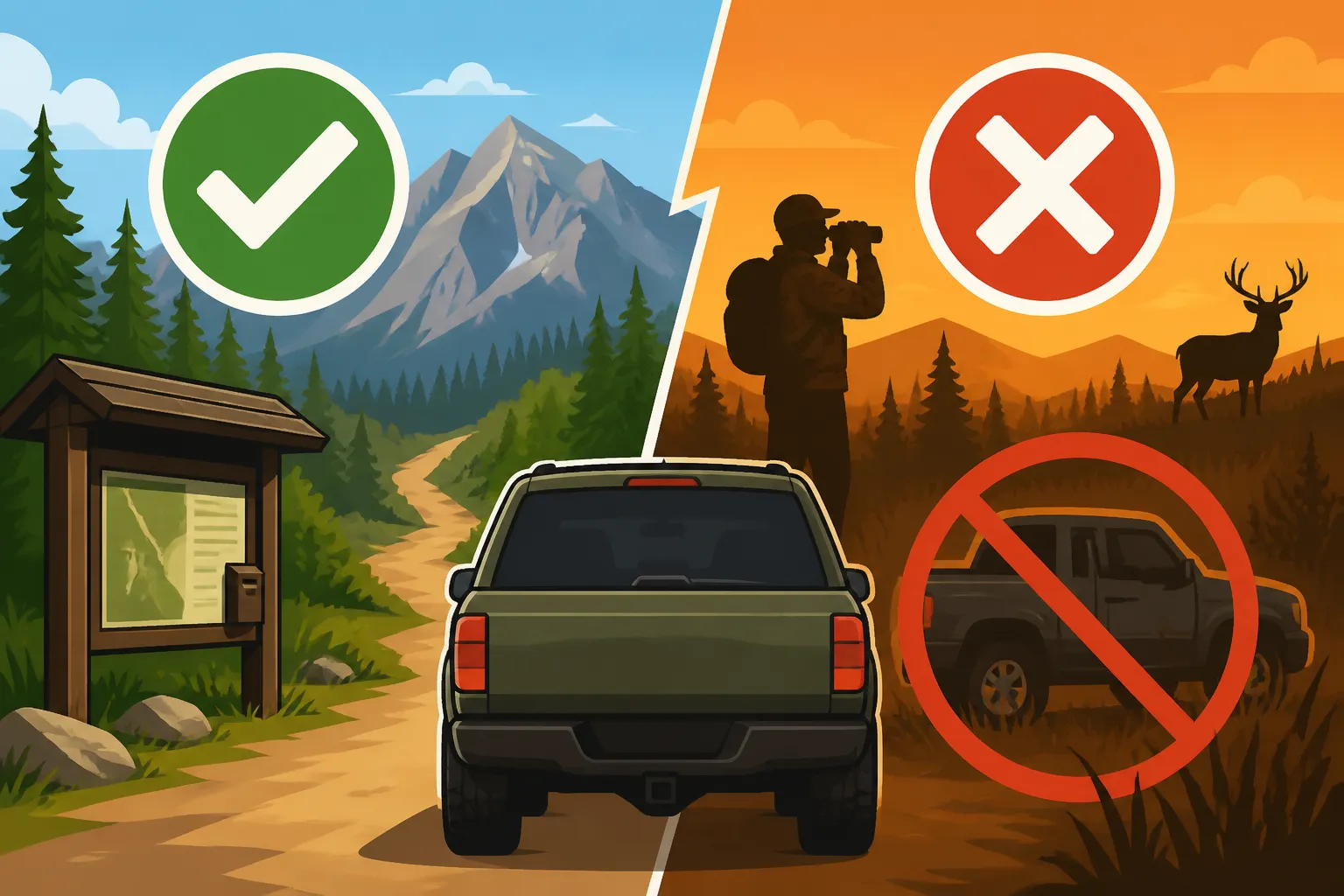
It’s not enough to just find an open spot; you need to make sure you’re parking legally and respectfully. Idaho has specific regulations that dictate where and how you can park, especially on public lands managed by the Forest Service, BLM, or Idaho Fish and Game. Ignoring these can lead to fines, towing, or even impacting future access for everyone.
Motorized Hunting Rules and Roadways
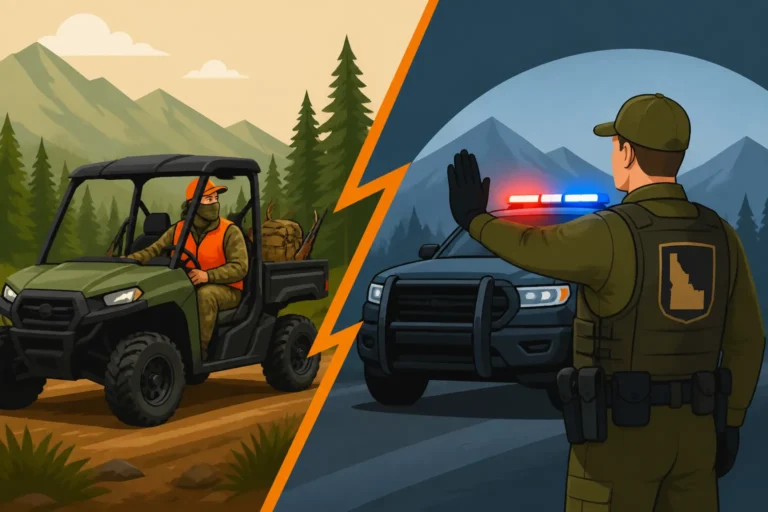
Idaho has clear rules about motorized travel on public lands, primarily aimed at preserving habitat and preventing undue disturbance to wildlife. The Idaho's Motorized Hunting Rule Runs August Into December is a prime example. This rule generally states that you cannot drive off established roadways during certain periods. This also impacts parking. You can't just pull off the road and park anywhere if it means driving over vegetation or creating a new "road." Parking must be done in designated areas or immediately adjacent to established roads in a way that doesn't block traffic or damage the environment. Understanding Which Roads Qualify Under Idaho's Motorized Rule is key to staying legal. The intention is to keep hunters on the network of existing roads and trails, minimizing impact.
Wildlife Management Area Parking Restrictions
Idaho's Wildlife Management Areas (WMAs) are crucial for habitat conservation and offer fantastic hunting, but they often come with their own set of specific rules, which can include parking. While these areas are designed for wildlife, they're also managed for public use, and that sometimes means specific parking protocols. Some WMAs might have clearly defined parking lots, while others might prohibit overnight parking in certain spots, or restrict vehicle size. Always check the specific WMA regulations before you go. You can usually find these on the Idaho Fish and Game website or at kiosks located at WMA entrances. Hunting Rules Specific to Idaho WMAs often cover parking, camping, and even weapon restrictions.
Dispersed Camping and Overnight Parking
For many hunters, the ultimate convenience is to park your rig and set up a tent right there at the trailhead, ready to hit the trail at first light. This is often allowed on National Forest and BLM lands under "dispersed camping" rules, which typically permit camping for up to 14 days in a single location, provided you are a certain distance from developed facilities, water sources, and paved roads. However, there are nuances. Some popular trailheads might have signs specifically prohibiting overnight parking or camping to reduce impact. Always look for signage. Additionally, when you're dispersed camping and parking, remember Leave No Trace principles. Pack out everything you pack in, and minimize your impact on the vegetation. Knowing Where to Camp Legally Near a Trailhead can make your hunt much smoother.
Table: Trailhead Parking Considerations
| Aspect | Developed Trailhead Lot (e.g., popular access) | Undeveloped Pull-off / Roadside (e.g., forest service road) |
|---|---|---|
| Availability | Often fills up quickly, especially on opening weekend/rut. | More flexible, but requires careful placement. |
| Legality | Designated spots, generally clear rules. | Must not block traffic, gates, or drive off established road. |
| Security | Potentially higher traffic, but also more eyes. Still vulnerable. | More isolated, higher risk of unnoticed theft/vandalism. |
| Accessibility | Clearly marked, often maintained. | May be rougher roads, potentially closed seasonally. |
| Camping Nearby | Often restricted or limited to designated campgrounds. | Often allowed under dispersed camping rules, check local signs. |
| Impact | Concentrated impact in designated areas. | Risk of creating new tracks/impact if not careful. |
Strategic Parking and Security Tips for Hunters
After all that planning and effort to get your tag, scout your unit, and pack your gear, the last thing you want is a parking mishap. A little strategy and a few preventative measures can save you a lot of grief and ensure your focus remains on the hunt.
Arrive Early, Have a Backup Plan
This might seem obvious, but it's the golden rule for popular trailheads. If you want a decent spot, get there well before dawn, or even the afternoon before your hunt starts, especially if you're targeting opening day or a prime weekend during the rut. If you arrive and the lot is full, don't panic. This is where your backup plan comes in. Before you even leave home, use a mapping app like onX Hunt or GoHunt to identify several alternative parking areas or access points. It might mean a longer hike, but it’s better than no hunt at all or parking illegally. Consider Reading Terrain Before You Pick a Camp and think about how that terrain might offer alternative access points away from the main crush.
Securing Your Vehicle and Valuables
While you can't make your vehicle 100% theft-proof, you can significantly reduce its appeal to criminals. The core idea is to make it look less like an easy target and more like a hassle.
- Remove Valuables: This is paramount. Don't leave anything visible that could tempt a thief – no electronics, wallets, spare keys, or even empty gun cases. Take expensive gear with you or store it completely out of sight in the trunk or under seats.
- Lock Everything: Obvious, but often overlooked in the rush. Double-check all doors and windows.
- Security Devices: Consider a steering wheel lock (like a Club), an alarm system, or even a kill switch. These add layers of deterrence.
- Catalytic Converter Protection: Unfortunately, this is a growing problem. If you're particularly concerned, some aftermarket shields or cages can make it harder to cut.
- Park Smart: If possible, park near other vehicles. There's safety in numbers, and a lone vehicle might look more vulnerable. Position your vehicle so that it's difficult to quickly get in and out, or against a natural barrier.
- Notify Someone: Let a trusted friend or family member know exactly where you're parking, the make and model of your vehicle, and your expected return date.
Parking with Respect for Others
Hunting is a shared passion, and respecting fellow hunters (and other public land users like hikers and equestrians) is crucial. When you park, think about the next person.
- Don't Block Access: Never, ever block a gate, a cattle guard, a forest service road, or another vehicle. This is not only rude but can also be illegal and dangerous, especially in emergencies.
- Stay Within Marked Areas: If there are white lines or designated spots, use them. Don't take up two spots or park haphazardly.
- Consider Emergency Access: Leave plenty of room for emergency vehicles or others needing to turn around or pass. A crowded trailhead can quickly become a bottleneck if not managed well.
- Minimize Your Footprint: Avoid parking in soft, muddy areas where you might get stuck or create ruts. Stick to gravel or established hardened surfaces.
Utilizing Digital Tools for Trailhead Planning
In today's world, you're not just relying on paper maps and word-of-mouth. Modern technology offers powerful tools to scout, plan, and execute your parking strategy, making your Idaho hunting trip safer and more efficient. These resources are invaluable for understanding the lay of the land before you even leave home.
Mapping Apps: onX Hunt and GoHunt
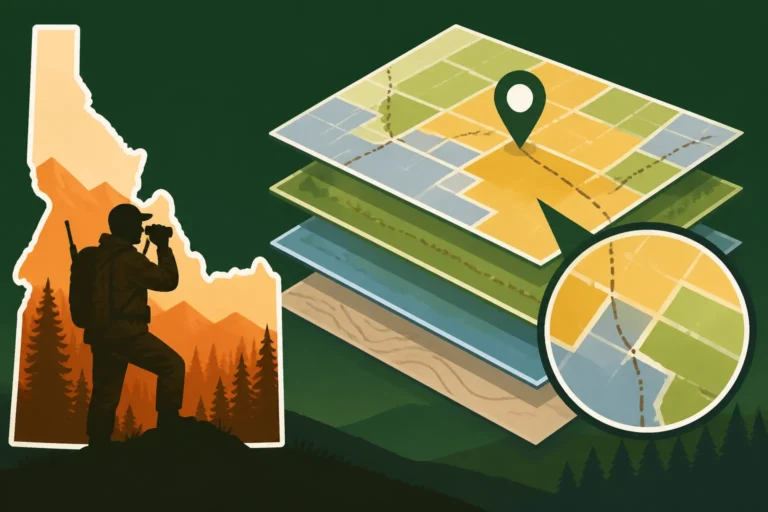
Digital mapping applications have revolutionized how hunters plan their trips. Tools like onX Hunt and GoHunt allow you to overlay various layers on satellite imagery, giving you an incredible amount of information right at your fingertips.
- Identify Access Points: You can pinpoint established trailheads, forest service roads, and even less-traveled two-track trails that might lead to quieter parking spots.
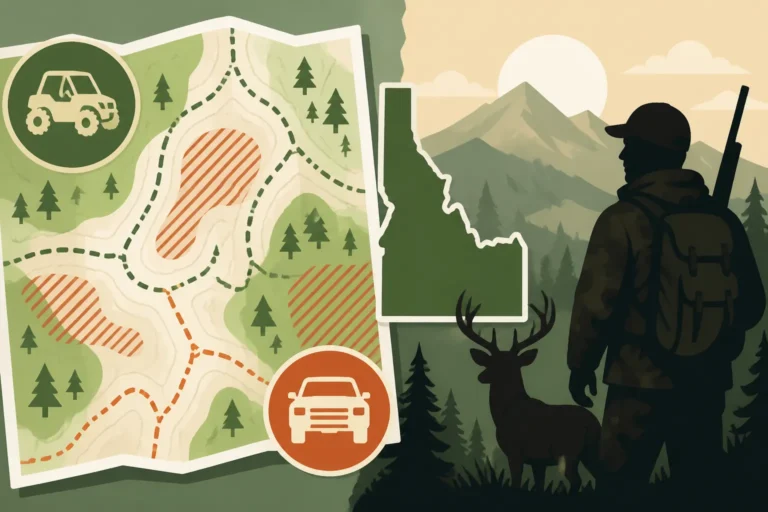
- Public vs. Private Land: Crucially, these apps show land ownership boundaries. You can ensure you're parking legally on public land and not inadvertently trespassing on private property. Using onX Layers for Idaho Public Land is a game-changer for this.
- Road Networks and Closures: Many apps integrate road layers, showing you which roads are maintained, which are primitive, and sometimes even indicate seasonal closures (though always double-check with official sources). You can scout for pull-offs or wider sections of road where parking might be feasible without obstructing traffic.
- Topography: Look for flat spots or benches near the trailhead where you might be able to park a larger rig or multiple vehicles without being on a steep incline.
- Mark Waypoints: Once you've identified potential parking spots, drop a waypoint. This helps you navigate in the dark and ensures you can find your vehicle easily after a long day (or week) of hunting.
Idaho Fish and Game Resources
The official Idaho Fish and Game website is a treasure trove of information, often overlooked by hunters in their planning stages. Don't underestimate its utility.
- Hunt Planner: The Idaho Hunt Planner is an interactive map and information hub. While it primarily focuses on hunt units and seasons, it often includes valuable details about access, including major trailheads and forest road networks. Using the Idaho Hunt Planner Map Center can reveal parking-relevant information.
- Regulation Brochures: Before every season, Idaho Fish and Game publishes detailed regulation brochures. These often contain specific rules about vehicle use, WMA restrictions, and other access information relevant to parking. Always review the most current regulations for your specific hunt unit and area.
- Local Office Calls: If you're heading to a new area or have specific concerns, don't hesitate to call the local Idaho Fish and Game regional office or the Forest Service ranger district. They are often the best source for current, hyper-local information on road conditions, parking challenges, and unusual closures. A quick phone call can save you a world of trouble.
Community Insights and Local Knowledge
While digital tools are powerful, sometimes there's no substitute for local knowledge or insights from other hunters. Online hunting forums, social media groups focused on Idaho hunting, or even local sporting goods stores can provide valuable intel. Ask politely about typical trailhead congestion in certain areas, or if there are any particular security concerns to be aware of. Just remember to be respectful and share your own experiences once you've gained some, helping to build a positive hunting community. This collective wisdom can highlight unspoken parking challenges or opportunities that aren't apparent on any map.
Disclaimer
This article is for general informational purposes only and does not constitute professional advice. Laws, prices and regulations vary by location and change over time. Consult a qualified professional for guidance on your specific situation.