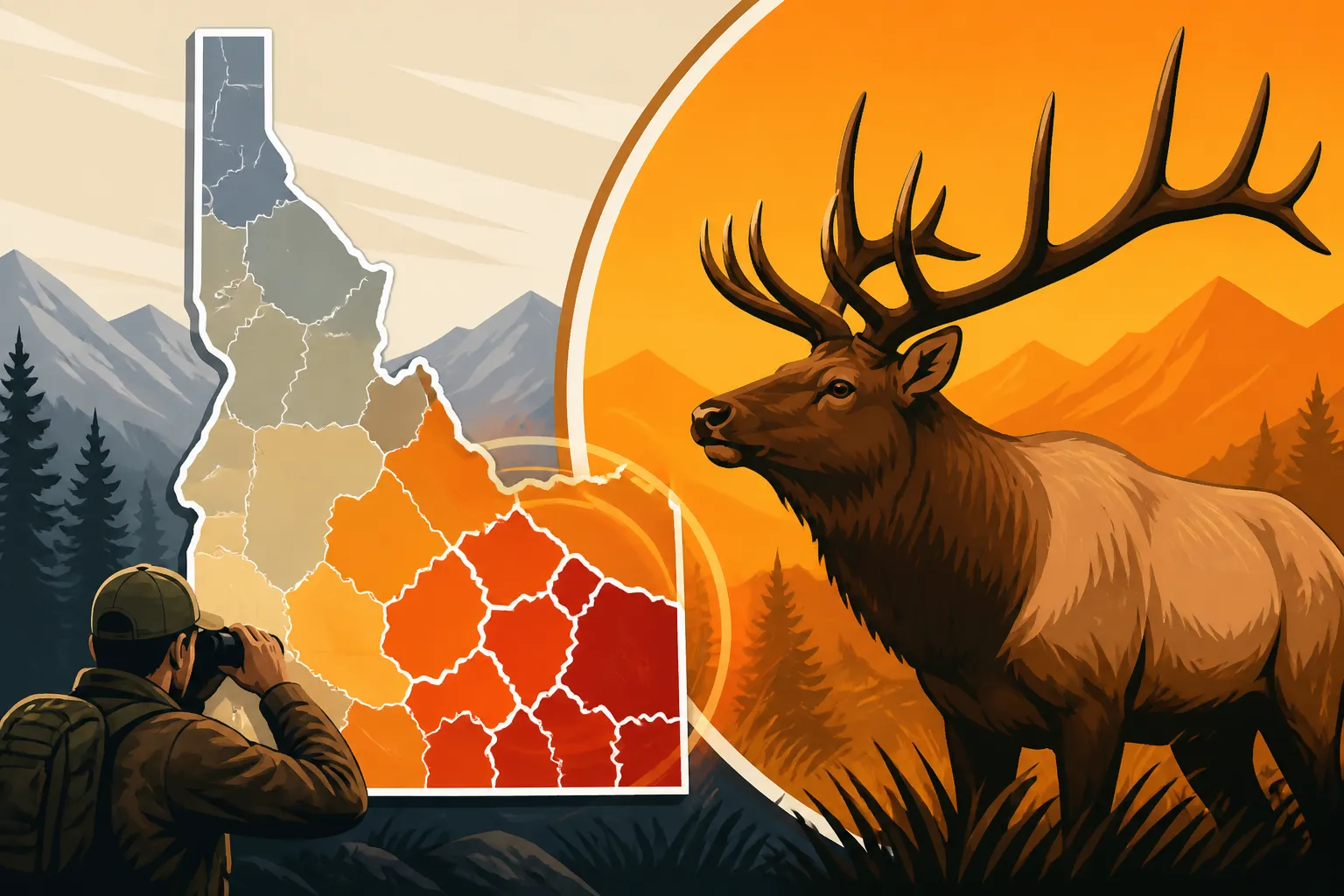
Which Idaho Zones Hold the Most Bulls
Finding that elusive bull elk in Idaho is the dream for so many hunters, a challenge that brings countless hours of anticipation and planning. It’s not just about drawing a tag; it’s about putting yourself in the best possible position for success, and a huge part of that is knowing where the most bulls tend to roam. This guide is going to peel back the layers on Idaho's diverse landscapes and elk zones, helping you understand where the odds for encountering bull elk are stacked in your favor, and why some areas consistently produce more opportunities than others.
Understanding Idaho's Elk Management Philosophy
Idaho's approach to elk management is a complex dance between biology, hunter access, and conservation goals, resulting in a system that defines opportunity zone by zone. It's not a one-size-fits-all state, and understanding the overarching philosophy behind herd management is critical to pinpointing areas with higher bull numbers.
General Season vs. Controlled Hunt Opportunities
Idaho offers a mix of general seasons and controlled hunts for elk, each with a distinct impact on bull populations and hunter success. General seasons, particularly those with over-the-counter tags, tend to spread hunters across wider areas and often feature shorter "any bull" windows or spike-only regulations. While these can provide broad access, the consistent pressure often means mature bulls become more wary and elusive, pushing into thicker cover or more remote terrain. You might find higher densities of elk, but mature bull opportunities can be more challenging.
On the flip side, controlled hunts are designed to distribute hunters and manage specific herd objectives, often in areas with specific habitat needs or limited access. These hunts are quota-based, requiring an application and drawing success, which inherently limits hunter numbers. This reduced pressure, combined with specific season dates and weapon restrictions (like early archery or muzzleloader hunts), can create incredible opportunities for encountering higher numbers of mature bulls that haven't been pushed around for weeks. It’s a trade-off: guaranteed access in general hunts versus higher quality, but lottery-dependent, opportunities in controlled hunts. The Idaho Fish and Game carefully balances these two systems to maintain healthy herds while providing diverse hunting experiences.
A Tag and B Tag Designations
If you're delving into Idaho elk hunting, you’ll quickly encounter the terms "A Tag" and "B Tag." This isn't just bureaucratic jargon; it’s a fundamental distinction that directly impacts when and how you can hunt, and consequently, where you might find bulls during specific seasons. You can read more about Idaho Elk Zones and the A Tag or B Tag Choice to get a full picture.
The A Tag often favors archery and muzzleloader hunters, typically offering earlier season dates that align with the elk rut. This timing can be fantastic for encountering vocal, less wary bulls that are focused on breeding, rather than evading hunters. During the bugle, bulls are often more active and responsive to calls, making them more vulnerable to archers who need to get in close. While the overall population of bulls might not be inherently higher in A Tag zones, the accessibility of bulls during these peak activity periods can make it feel like there are more opportunities.
Conversely, the B Tag is generally geared towards rifle hunters, with seasons that usually fall later in the year, often after the peak rut or into the late migration periods. These hunts can offer longer "any bull" seasons, but the elk have often been pressured by earlier A Tag hunters or other recreationalists, making them more nocturnal and skittish. While rifle seasons can be incredibly effective, especially as elk move into winter range, bulls are typically more dispersed and harder to locate without extensive scouting or tracking. The "most bulls" in a B Tag zone might refer to sheer numbers of elk, but identifying mature, unpressured bulls can be a tougher puzzle to solve.
Key Factors Influencing Bull Concentrations
Locating areas with high bull concentrations isn't just about looking at harvest statistics; it's about understanding the underlying ecological and behavioral drivers that influence where these magnificent animals choose to live, feed, and reproduce.
Habitat and Terrain Features
Elk are creatures of habit, heavily influenced by their surroundings. Bulls, especially mature ones, seek out specific habitat and terrain features that provide security, food, and breeding opportunities. You'll often find higher bull concentrations in areas characterized by a mosaic of dense timber for cover, interspersed with open meadows or south-facing slopes rich in forage. These "edge habitats" offer the best of both worlds – readily available food and immediate escape cover. Think of areas with north-facing slopes covered in thick fir or pine that transition into sun-drenched clearcuts or riparian zones.
Rugged, steep, and remote terrain also plays a crucial role. Bulls learn quickly that areas inaccessible to vehicles or requiring significant physical effort to reach offer sanctuary from human pressure. This often means the steepest canyons, the highest timbered ridges, or areas deep within designated wilderness. For example, in parts of the Frank Church River of No Return Wilderness, bulls can live relatively unmolested, allowing them to grow larger and develop more consistent patterns. The sheer vastness and difficulty of travel within these areas make them natural strongholds, even if the overall density isn't astronomical, the quality and age class of bulls can be exceptional.
Predation and Hunting Pressure
The presence of predators and the intensity of hunting pressure are significant factors in where bulls choose to concentrate and how they behave. Idaho has robust populations of predators, including wolves, black bears, and mountain lions. These predators, particularly wolves, can impact How Wolves Changed Idaho Elk Numbers and their distribution. Areas with higher predator densities might see elk herds, including bulls, exhibiting more nomadic behavior, constantly moving to avoid becoming prey. This can make them harder to pattern, but also potentially push them into less accessible areas for safety.
Hunting pressure, however, is arguably the most dominant factor influencing bull distribution during hunting season. Roads and trails are pathways for hunters, and elk quickly learn to avoid these areas. In zones with heavy road systems or high hunter densities, bulls will often retreat to timbered pockets, steep benches, or dense riparian areas where human presence is minimal. This "pressured elk" behavior can create a false impression of low bull numbers, when in reality, they are simply utilizing the toughest, most secure habitats. Early season hunts, especially in easily accessible areas, can scatter bulls widely, making it challenging to pinpoint consistent concentrations. The most productive areas for bulls often balance good habitat with relatively low, or well-managed, human disturbance.
Migration Corridors and Winter Range
Elk are migratory animals, and their movements between summer and winter range can create distinct concentrations of bulls at different times of the year. Understanding these migration corridors and identifying key wintering grounds is paramount for predicting where bulls will be found, especially during late-season hunts.
During the summer, bulls are often dispersed across high-elevation summer ranges, maximizing their access to nutrient-rich forage to grow their antlers and build body mass. As fall approaches and hunting seasons open, they begin their descent to lower elevations. These migration routes, often funneled through specific drainages, saddles, and benches, can become temporary hotspots for bulls. If you can intercept elk along these traditional routes, you might encounter large numbers moving through.
Winter range, typically at lower elevations with south-facing slopes that shed snow faster and offer accessible forage, is where bulls will concentrate to survive the lean months. While not always open for hunting, understanding these areas helps predict where bulls will be headed or coming from. For zones with late-season general or controlled hunts, targeting areas adjacent to established winter range can be highly productive, especially as snow depth pushes elk down. Resources like the Idaho Fish and Game's mapping tools or services like GoHunt can often provide insights into historical migration patterns and winter range designations, offering invaluable clues for where to focus your scouting efforts.
Northern Idaho: The Timber and Whitetail Country
Northern Idaho is a world apart from the open sagebrush of the south, characterized by vast, dense conifer forests, steep mountain ranges, and an abundance of water. While often associated with whitetail deer, this region holds significant elk populations and some truly incredible bull opportunities, though they require a different hunting strategy.
Panhandle and Selkirk Zones
The Panhandle and Selkirk Zones, covering the very tip of northern Idaho, are defined by their deep timber and rugged topography. While elk densities might not be as universally high as in some other parts of the state, these zones are renowned for producing large, mature bulls. The extensive cover provided by the old-growth forests, combined with challenging access, allows bulls to reach older age classes.
Hunting here often means still-hunting through thick timber, focusing on dark north-facing slopes and logging clearcuts that provide forage. Bulls in these areas are often more solitary or found in smaller bachelor groups, and they are masters of using the terrain to their advantage. Expect to work hard, physically covering a lot of ground on foot. For those willing to put in the effort, the reward can be a truly impressive bull from the deep woods. Reading an Elk Zone Boundary on a Map can help you visualize these areas.
Clearwater and Lolo Zones
Moving slightly south, the Clearwater and Lolo Zones are legendary among elk hunters, and for good reason. These zones comprise some of the most vast and remote backcountry in the lower 48, dominated by the Clearwater and Selway-Bitterroot Wilderness Areas. This is true big country, where elk densities, particularly bulls, can be exceptional in the right drainages.
Access is a major limiting factor here, with extensive roadless areas meaning hunters often rely on pack strings, backpacking deep into the wilderness, or flying into backcountry airstrips. This lack of motorized access significantly reduces hunting pressure in vast swathes of habitat, allowing bulls to thrive. During the rut, the timbered slopes and creek bottoms can come alive with bugling, offering incredible archery and muzzleloader opportunities. These zones often have a higher proportion of older bulls due to lower pressure and abundant feed. However, you need to be prepared for the physical demands of hunting this country, and having a plan for Packing an Elk Out of Steep Country Alone is crucial, or considering an outfitter, especially for nonresidents in wilderness areas.
Central Idaho: Wilderness and Rugged Backcountry
Central Idaho is the heart of Idaho's vast wilderness, a region that epitomizes the challenge and reward of true backcountry elk hunting. If your definition of "most bulls" includes mature, unpressured animals in a wild setting, this is where you need to look.
Frank Church and Middle Fork Zones
The Frank Church River of No Return Wilderness Area, which forms the core of the Frank Church and Middle Fork Zones, is an immense landscape where elk rule. This is truly some of the largest contiguous wilderness in the Lower 48, meaning very limited access, primarily on foot, horseback, or by permitted aircraft to designated airstrips. The sheer scale and ruggedness of this country provide sanctuary for large numbers of elk, including a healthy population of mature bulls.
Bulls here have ample opportunity to grow old and wise, navigating steep canyons, high alpine basins, and dense timber. While the overall density of elk might not be as high as some agricultural interface zones, the quality of the bull hunting experience and the potential for true trophies is unparalleled. Nonresidents hunting for elk in these areas are subject to Idaho Forces Nonresidents to Hire a Guide for Wilderness Elk, which can add to the cost but also significantly increase your chances of success in such challenging terrain. The Middle Fork of the Salmon River, which winds through this wilderness, also provides unique access opportunities via jet boat or float trips.
Sawtooth and Pioneer Zones
South of the main wilderness core, the Sawtooth and Pioneer Zones offer stunning alpine scenery and another distinct flavor of central Idaho elk hunting. These areas are characterized by high, jagged peaks, deep valleys, and a mix of timbered slopes and open sagebrush. While generally more accessible than the deep wilderness, they still present significant challenges and hold solid bull populations.
Elk in the Sawtooths often utilize a mix of habitat, from timberline basins in summer to brushy river bottoms in the fall. The Pioneer Mountains are particularly known for their mule deer, but elk are certainly present, especially in the larger drainages. These zones are often popular for early archery seasons, where hunters can target Bugling Elk in Idaho's Timbered Zones as they emerge from the timber to feed in the mornings and evenings. Success often hinges on rigorous e-scouting, identifying remote pockets of timber and north-facing slopes where bulls will seek refuge once pressure mounts.
Eastern Idaho: High Desert and Migration Corridors
Eastern Idaho presents a different challenge and opportunity for elk hunters. This region, bordering Montana and Wyoming, is a blend of vast sagebrush flats, agricultural lands, and timbered mountain ranges, creating unique elk behavior and concentrations.
Island Park and Palisades Zones
The Island Park and Palisades Zones, situated along the western edge of Yellowstone National Park, are known for their proximity to significant elk populations that migrate in and out of the park and surrounding national forests. These zones often hold a substantial number of elk, and consequently, a good proportion of bulls. However, this also means they can experience considerable hunting pressure.
Elk in these areas often utilize vast, open sagebrush flats for feeding, retreating to scattered timbered islands or mountain slopes for cover. The "most bulls" here might refer to sheer numbers during specific migration periods, particularly as elk are pushed out of higher country by snow or hunting pressure from adjacent states. Success often comes down to understanding seasonal movements and intercepting elk as they transition between feeding and bedding areas. Glassing vast expanses of country is a primary tactic, often requiring powerful optics and patience. These zones are also known for the potential of encountering impressive bulls that travel across state lines, adding to the allure.
Snake River and Teton Zones
Further south, the Snake River and Teton Zones are characterized by deep river canyons, high plateaus, and a mix of private agricultural land and public forest ground. Elk here are often highly adaptable, utilizing both private and public lands, which can make them challenging to hunt. However, these zones do hold resident herds with good bull-to-cow ratios in certain units.
Bulls in these zones will often use the rugged river breaks for cover, dropping into alfalfa fields or irrigated pastures on private land to feed under the cover of darkness. Public land hunters need to focus on accessing remote public parcels that border private ground or identifying escape routes into roadless areas. While the numbers of elk might not be as consistently high as in the Island Park area, the potential for a mature bull exists, especially for hunters willing to put in the time to scout and understand the intricate land ownership patterns. This is where tools like GoHunt become invaluable, as they can help differentiate public and private lands, allowing you to plan your hunt effectively.
Southwestern Idaho: Mountain Ranges and Pockets
Southwestern Idaho, while often perceived as drier and more fragmented in its elk habitat compared to the northern and central parts of the state, still offers solid opportunities for bulls, particularly in specific mountain ranges.
Boise River and Owyhee Zones
The Boise River Zone, encompassing the mountains surrounding Idaho's capital city, holds a surprisingly robust elk population. While close to a major population center, the rugged terrain of the Boise National Forest provides ample cover and sanctuary for elk. Bulls here can be found in pockets of dense timber, deep canyons, and remote basins. The challenge is often navigating the intricate road systems and finding areas that receive less pressure.
Many bulls in the Boise River Zone are harvested by hunters willing to hike away from roads, targeting north-facing slopes and areas with good water sources. E-scouting for these hidden pockets is critical, identifying benches and draws that provide natural escape routes and bedding areas. The Owyhee Zone, further to the southwest, is a vast, high-desert landscape with much lower elk densities, but it does hold unique, dispersed herds. Hunting bulls here is a true testament to persistence and covering vast amounts of ground in search of small, isolated pockets of elk, often near limited water sources or isolated mountain ranges.
Pioneer and Smokey-Bennett Zones
While the Pioneer Zone was mentioned in Central Idaho due to its high mountain characteristics, it's also worth noting its accessibility from the southwest and its potential for solid bull encounters. Similarly, the Smokey-Bennett Zone, situated southeast of Boise, blends mountain ranges with agricultural valleys. Elk in these areas exhibit diverse behaviors, utilizing both timbered public lands and private agricultural fields.
Bulls in the Smokey-Bennett Zone, like many areas with mixed land ownership, can be particularly challenging. They often spend daylight hours on public ground in dense cover, moving to private fields to feed at night. For the public land hunter, success often means finding those secluded public pockets that connect to private feeding areas or intercepting bulls during their transitional movements. Look for secluded timbered drainages and steep canyon country on national forest lands, especially those that butt up against agricultural fields. Understanding Elk Herd Distribution by Zone for these areas is critical, as it often reveals where specific herds spend their time.
Leveraging Resources for Zone Selection
Deciding which Idaho zone holds the most bulls for you depends on your hunting style, physical capabilities, and what kind of experience you're seeking. Thankfully, there are incredible resources available to help you narrow down your choices and maximize your odds.
The Idaho Hunt Planner and GoHunt
The Idaho Fish and Game's online The Idaho Hunt Planner Is the Tool to Start With is your first and most essential stop. This powerful tool allows you to filter hunts by species, weapon type, and season dates, providing a wealth of information for each unit and zone. You can access harvest statistics, public land percentages, and even read biologist notes on herd health and management objectives. Pay close attention to the "hunter success" and "bull-to-cow ratio" data – these are key indicators of bull availability and population health. A higher bull-to-cow ratio generally suggests good recruitment and survival of bulls, leading to more opportunities.
Beyond the official state resources, third-party platforms like GoHunt provide even deeper analytical tools. GoHunt's "Insider" service offers detailed draw odds, unit breakdowns, and mapping overlays that can help you visualize terrain, public/private land boundaries, and even historical burn areas or timber cuts that are crucial elk habitat. Using both the official Hunt Planner and a subscription service like GoHunt in tandem can give you an unparalleled advantage in identifying units that consistently produce bull encounters. They can help you understand Which Idaho Zones Hold the Most Bulls for your specific hunt goals.
Biologist Reports and Local Intel
While statistics are invaluable, there's no substitute for understanding the nuance provided by wildlife biologists and local experts. The Idaho Fish and Game often publishes annual big game harvest reports and specific unit or zone management plans. These reports delve into population trends, factors affecting elk herds (like disease outbreaks, winter severity, or predator impacts), and management strategies that could influence bull numbers in the coming seasons. While they can be dense, sifting through these documents can reveal units that are seeing increasing bull numbers or where management actions are focused on improving bull quality.
Furthermore, don't underestimate the power of local intel. This isn't about asking someone for their secret spot, but rather engaging with local sporting goods stores, conservation groups, or even just observing forum discussions about general conditions in a specific zone. While always taking anecdotal evidence with a grain of salt, combining it with official data can help paint a more complete picture of current conditions. Local knowledge often sheds light on recent logging activities, new access roads, or changes in elk behavior that might not be immediately apparent from maps or statistics alone.
E-Scouting and Boots-on-the-Ground
Once you've narrowed down your zones of interest, the real work of e-scouting begins. This involves using satellite imagery (like Google Earth or mapping apps such as onX Hunt, which GoHunt often integrates or competes with) to identify potential elk habitat and travel corridors from the comfort of your home. Look for the "dark timber" on north-facing slopes, the transition zones between dense forest and open meadows, saddles in ridges, and water sources. Identify areas with challenging access – the places without roads, often marked by steep contour lines – as these are prime locations for undisturbed bulls. Learn more about E-Scouting an Idaho Unit Before the Season to refine your approach.
However, e-scouting is only the first step. The ultimate differentiator is putting boots on the ground. There's no substitute for physically exploring a unit before the season. This allows you to verify what you saw on the map, find fresh sign (tracks, droppings, rubs), identify current food sources, and understand the flow of the terrain. A preseason scouting trip can help you locate bedding areas, establish routes for quiet access, and even identify specific wallows or mineral licks that bulls might frequent. This combination of diligent research, remote scouting, and in-person verification is the most effective way to identify zones and specific areas within them that truly hold the most bull elk for a successful hunt.
| Idaho Elk Region | Key Zones (Examples) | Primary Terrain | Access Challenge | Bull Potential (General) |
|---|---|---|---|---|
| Northern Idaho | Panhandle, Clearwater, Lolo | Dense timber, steep mountains, river drainages | Moderate to High (remote wilderness, roadless areas) | Good for mature bulls, often isolated or in smaller groups; high quality opportunities for dedicated hunters. |
| Central Idaho | Frank Church, Middle Fork, Sawtooth | Vast wilderness, alpine, rugged canyons | High (backpacking, pack animals, fly-in only in some areas) | Excellent for mature, unpressured bulls in true backcountry; high quality experience with lower hunter densities. |
| Eastern Idaho | Island Park, Palisades, Snake River | Mixed timber/sagebrush, agricultural interface | Moderate (good road access but also wilderness fringe) | High numbers, especially during migration; potential for large bulls moving from protected areas; can be pressured. |
| Southwestern Idaho | Boise River, Owyhee, Smokey-Bennett | Varied: Mountains, desert, private/public mix | Moderate to High (finding unpressured public land pockets) | Consistent populations in specific mountain ranges; requires detailed scouting to find pockets of bulls, especially near urban/ag areas. |
Disclaimer
Please remember that hunting regulations, seasons, and tag allocations can change. Always consult the official Idaho Fish and Game regulations for the most current and accurate information before planning any hunt. This guide is for informational purposes only and should not be considered a substitute for official sources.