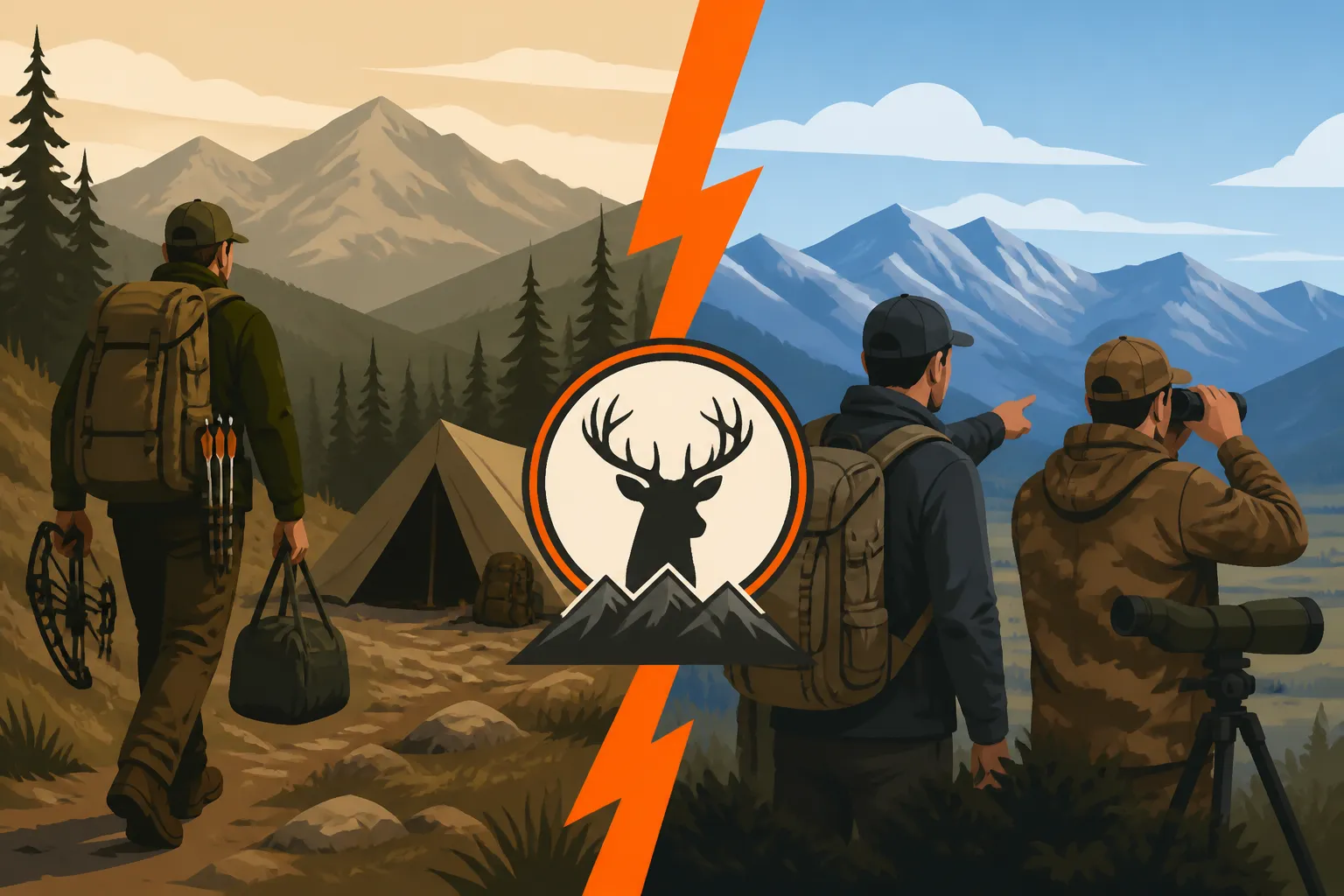
Drop Camp Against Fully Guided
Choosing to hunt Idaho's vast and rugged landscapes is a dream for many, but once you start digging into the logistics, you quickly realize there's a big fork in the road: do you go with a fully guided hunt, or embrace the adventure of a drop camp? This decision isn't just about money; it's about the kind of experience you crave, the level of self-reliance you're comfortable with, and how much you want to handle versus hand over. This comprehensive guide will break down the crucial differences between these two popular options, helping you understand which path aligns best with your Idaho hunting aspirations.
Understanding the Core Differences in Idaho Hunt Services
When you're looking at Idaho hunting opportunities, especially for big game like elk or mule deer, you'll see a spectrum of services offered by outfitters. On one end, you have the full-service, hands-on experience, and on the other, a more independent, self-supported adventure. Understanding these fundamental distinctions is key to setting proper expectations and choosing a hunt that truly fits your style.
The All-Inclusive Nature of a Fully Guided Hunt
A fully guided hunt in Idaho is essentially an all-inclusive package designed to maximize your hunting opportunity while minimizing your logistical burdens. When you book a guided trip, you're not just paying for access to hunting grounds; you're investing in the expertise, labor, and equipment of a professional outfitter and their guides. They handle almost everything from the moment you arrive until you leave, often including airport transfers if you're flying in.
Your guide is your boots-on-the-ground expert, deeply familiar with the unit you're hunting. They've often spent countless hours scouting prior to the season, knowing where the animals are likely to be, their patterns, and the best approaches. They'll wake you up, prepare meals, pack horses, lead the way in the dark, help with calling and tracking, and provide invaluable safety oversight in challenging terrain. The goal is for you to focus almost entirely on the hunt itself. For a deeper dive into what such a trip entails, you can read What a Fully Guided Idaho Elk Hunt Includes.
Imagine arriving at a comfortable backcountry camp, perhaps a wall tent setup with a wood stove, where hot meals are cooked for you, and your gear is already in place. After a long day of navigating steep ridges and dark timber, you return to a warm meal and a dry bed, without the added chores of cooking or camp maintenance. If you're new to the specific challenges of Western hunting—like elevation, expansive terrain, or packing out large game—a fully guided hunt offers a significant safety net and a much steeper learning curve. It's an immersive educational experience alongside the hunting.
The Self-Reliance of a Drop Camp Experience
In stark contrast, an Idaho drop camp offers a taste of the backcountry with a significant emphasis on self-reliance and independence. With a drop camp, the outfitter provides the crucial transportation into a remote location, often inaccessible by vehicle, and sets up a basic camp for you. This might include tents, cooking gear, and a water source, but critically, they then leave you to manage the hunt entirely on your own.
Your responsibilities in a drop camp are extensive. You and your group are in charge of everything from planning your daily hunts, navigating the terrain, cooking all your meals, and maintaining camp, to the demanding task of field dressing and retrieving your game. While the outfitter will typically pack out your harvested animal, the hard work of getting that animal quartered and moved to a pickup point falls squarely on your shoulders. This means excellent map and compass skills (or GPS proficiency), physical stamina, and a solid understanding of backcountry survival are paramount.
Think of it as a wilderness Airbnb, where the host gets you there and provides the basic shelter, but you're responsible for everything else. It's an incredible opportunity for solitude and the immense satisfaction of a truly DIY hunt, but it comes with significant demands. It's the perfect option for experienced hunters who cherish the challenge of finding and harvesting an animal with their own skills, without the constant presence of a guide, and are prepared for all the work that entails.
Breaking Down the Costs and Value Proposition
One of the most immediate and impactful factors in deciding between a drop camp and a fully guided hunt is, understandably, the cost. These two options represent different levels of investment, reflecting the services and support you receive. However, it's crucial to look beyond the sticker price and understand the overall value proposition and what truly affects your total expenses.
Investment in a Fully Guided Idaho Hunt
There's no sugarcoating it: a fully guided Idaho hunt is a significant financial investment. The price reflects not just the guide's time, but also the extensive infrastructure required—horses and mules, specialized packing gear, camp equipment, food, fuel, permits, and insurance. When you pay for a guided hunt, you're paying for convenience, expertise, and a dramatically reduced personal workload. This often means a higher likelihood of encountering game, and more importantly, having professional assistance to track, retrieve, and pack out your trophy. To get a sense of the financial commitment, consider researching The Average Cost of a Guided Idaho Elk Hunt.
While the upfront cost is higher, it's important to consider what's included. Typically, your lodging, meals, guide services, and the initial pack-in/pack-out of your gear and harvested game are part of the package. What's often not included, and where many hunters get surprised, are your hunting license and tags (which can be substantial, especially for non-residents), gratuities for your guide and cook, meat processing and shipping, taxidermy, and personal gear. Factoring in all these supplementary costs is crucial for a realistic budget. The value here is that you're paying for an experience where the complex logistics are handled by seasoned professionals, allowing you to immerse yourself in the hunting aspect without the stress of managing every detail.
The Economic Appeal of an Idaho Drop Camp
Drop camps, by their very nature, are generally more budget-friendly than fully guided hunts. Since you're not paying for a guide's daily rate, you're primarily covering the outfitter's cost for animal and/or air transport, camp setup, and the subsequent pack-out of your game. This reduction in direct labor costs makes drop camps an attractive option for hunters looking to experience the Idaho backcountry without the premium price tag. For a detailed breakdown of costs, check out What an Idaho Drop Camp Costs.
However, "more affordable" doesn't mean "cheap" or "no additional costs." The economic appeal of a drop camp needs to be weighed against the extra personal investment you'll be making in terms of time, planning, and your own resources. You'll need to purchase and pack all your food, cooking supplies, and personal gear. This might include expensive dehydrated meals, specialized backpacking equipment, and potentially renting or buying satellite communication devices for emergencies. There's also the cost of getting yourself to the trailhead or air charter departure point. If you harvest an animal, you'll still need to cover the costs of processing and shipping, just like with a guided hunt. The savings come from your willingness to put in the work yourself, taking on responsibilities that a guide would otherwise handle.
The Logistics and Practicalities of Each Option
Beyond cost, the logistical demands and practical preparations for a guided hunt versus a drop camp are vastly different. Understanding these will help you gauge your own readiness and willingness to tackle the various challenges that come with hunting Idaho's rugged terrain.
Navigating a Fully Guided Hunt's Preparations
For a fully guided hunt, your personal preparation primarily revolves around your physical fitness, shooting proficiency, and ensuring you have the right gear. Outfitters will typically provide a detailed gear list, often with specific recommendations for clothing layers, boots, and personal items. They expect you to arrive physically capable of navigating the terrain you'll be hunting, which often means being able to hike long distances in steep country with a pack on. This includes being prepared for conditions like those described in Preparing for Elevation on an Idaho Hunt. Practice with your chosen weapon is also paramount, ensuring you're confident and ethical when the moment of truth arrives.
The outfitter, on the other hand, handles a monumental amount of pre-hunt logistics. This includes securing the necessary permits and special use authorizations from land management agencies like the Forest Service, planning and setting up the camp (which could be an elaborate wall tent setup or a more spartan spike camp), arranging food and supplies for the duration of the hunt, and ensuring all their equipment (horses, vehicles, etc.) is in top condition. They also manage the guide assignments and ensure their team is familiar with the hunting area. If you're considering a backcountry hunt, knowing that outfitters can leverage options like Flying Into an Idaho Backcountry Strip to Hunt or organize Jet Boat Drop-Offs on the Salmon River can alleviate significant travel concerns on your end. The beauty of this arrangement is that once you arrive, you can largely shed the logistical worries and focus on the hunt itself.
The DIY Demands of an Idaho Drop Camp
The preparations for an Idaho drop camp are far more extensive for the hunter. This isn't a trip where you just show up with your rifle and a backpack. You are the chief logistics officer, camp manager, chef, and lead scout for your entire group. Meal planning becomes a critical exercise: balancing nutrition, weight, and ease of preparation in a remote setting. Your gear selection needs to be meticulous, covering everything from shelter and sleeping systems to cooking stoves, water filtration, and first-aid supplies. Knowing what to expect regarding the outfitter's role and your own responsibilities is covered in What an Idaho Drop Camp Actually Includes.
Furthermore, your group's collective skills will be tested. Strong navigation abilities using maps, compass, and GPS are non-negotiable, as you'll be responsible for finding game and returning to camp safely. Physical stamina is even more crucial here, as you'll be doing all the walking, stalking, and potentially heavy lifting involved in field dressing and quartering an animal, perhaps over several miles of rugged terrain. If you're considering a horse-supported camp, understanding The Logistics of a Horseback Drop Camp is also vital. The outfitter's role is typically limited to the initial drop-off and the final pick-up, including game retrieval from a pre-determined point. The days between are entirely yours, demanding a high level of preparedness and self-sufficiency from every member of your hunting party.
Experience Level, Independence, and Success
The type of hunt you choose should align not just with your budget, but also with your experience level, your desire for independence, and your expectations for success. Idaho's wilderness is challenging, and both guided hunts and drop camps offer distinct experiences tailored to different hunter profiles.
When a Fully Guided Hunt Shines
A fully guided hunt is often the best choice for hunters who are new to the specific challenges of Western big game hunting, or those venturing into a new, unfamiliar state like Idaho. If you've primarily hunted in flatter, more accessible areas, the vastness, elevation, and dense timber of Idaho can be a daunting change. A guide brings local knowledge, often refined over decades, that can dramatically shorten the learning curve and increase your chances of success. They know the migration patterns, the best bedding areas, and how factors like weather and pressure influence animal movement in specific Elk Herd Distribution by Zone.
This option also shines for hunters with limited vacation time who want to maximize every minute afield. With logistics handled, you spend more time with your boots on the ground, actively hunting. It's also an excellent choice for solo hunters who prefer not to go deep into the backcountry alone, or for groups where not everyone has extensive backcountry experience. The guide provides a crucial safety net, especially when navigating difficult terrain, packing out an animal, or dealing with unexpected emergencies. While no outfitter can guarantee a kill, their experience and pre-season scouting generally lead to higher success rates, which you can often verify by checking Outfitter Success Rates for Elk for various operators.
The Unique Rewards of a Drop Camp
For the seasoned hunter who craves a deep sense of accomplishment and a truly immersive wilderness experience, a drop camp offers unparalleled rewards. This is for those who find immense satisfaction in earning their trophy through their own meticulous planning, scouting, and hard work. It's about testing your skills against the elements and the animals, without the constant presence or direction of a guide. This level of independence can be incredibly liberating and deeply fulfilling. More details on this type of adventure can be found in Idaho Drop Camp Hunts Explained.
The solitude of a drop camp often appeals to hunters who prioritize the "experience" of being in the wild over a guaranteed harvest. You get to set your own pace, choose your own hunting spots, and adapt your strategy on the fly, entirely based on your group's observations and preferences. This autonomy fosters a unique bond within a hunting party, as everyone relies on each other's skills and contributions. While success rates might be lower than a guided hunt due to the lack of a professional guide, the feeling of self-sufficiency and the memories made are often considered priceless. It’s a true test of your mettle and wilderness prowess.
Choosing the Right Idaho Hunt for You
Deciding between a drop camp and a fully guided hunt in Idaho comes down to a careful evaluation of your resources, skills, and what you ultimately want to get out of your time in the field. There's no single "right" answer; it's about finding the best fit for you.
Assessing Your Budget and Time Commitment
Start by taking a hard look at your finances. What is your realistic all-in budget for this hunting trip? Remember to factor in not just the outfitter's fee, but also licenses, tags, travel, gear, meat processing, and potential taxidermy. While a drop camp has a lower sticker price, the cumulative costs of all the gear, food, and supplies you need to bring yourself can add up quickly. A fully guided hunt, though more expensive upfront, often bundles many services that you'd otherwise have to purchase or arrange.
Next, consider your available time. If you have limited vacation days and want to maximize your hunting efforts without spending precious hours on logistical planning, camp chores, and cooking, a guided hunt might be your better bet. Outfitters handle those time-consuming tasks. If you have more flexibility and genuinely enjoy the process of meticulous planning, meal prep, and managing a backcountry camp, a drop camp allows you to extend your adventure both before and after the actual hunting days. You’ll be dedicating significant time to preparing for a self-supported trip, especially if you're taking on challenging tasks like Packing an Elk Out of Steep Country Alone.
Evaluating Your Skills and Desired Challenge
An honest self-assessment of your hunting skills, physical fitness, and backcountry experience is paramount. Ask yourself:
- Am I comfortable and proficient with map and compass navigation in rugged, off-trail terrain?
- Can I physically handle long, strenuous hikes at altitude with a loaded pack?
- Do I have the experience to properly field dress, quarter, and prepare a large animal for packing out?
- Am I capable of making sound decisions in potentially dangerous wilderness situations, far from immediate help?
- Do I truly crave the solitude and challenge of a truly independent hunt, or would I prefer the comfort and guidance of a professional?
If you answered "no" or "unsure" to many of these, a fully guided hunt offers the support and expertise needed to ensure a safer and potentially more successful experience. If you answered "yes" with confidence, then a drop camp offers the ultimate test of your abilities and a deeply satisfying challenge. It's about finding that sweet spot where the challenge is exciting, not overwhelming.
Leveraging Resources for Hunt Planning
Regardless of which path you choose, modern resources can be invaluable in your planning. Websites like BookYourHunt can be excellent platforms to explore and compare various outfitter services, read client reviews, and get a clearer picture of what different operators offer in both guided and drop camp formats. This allows you to vet potential outfitters and ensure they meet your expectations. Another fantastic resource, GoHunt, provides detailed unit breakdowns, drawing odds, and harvest statistics, which can help you identify promising areas for your hunt, whether you're guided or going the drop camp route.
Don't underestimate the power of direct communication. Once you've narrowed down your choices, reach out to several outfitters. Ask detailed questions about what's included, what's not, their safety protocols, guide-to-hunter ratios, and specific gear recommendations. Prepare a list of Questions Worth Asking Before You Book to ensure you cover all bases. Inquire about their booking process and how far in advance you need to secure your spot, as popular outfitters often book out years ahead – learning How Far Ahead to Book an Idaho Hunt is critical. Talking to past clients can also provide invaluable insights into the real-world experience.
| Feature | Fully Guided Hunt | Drop Camp Hunt |
|---|---|---|
| Cost | Higher upfront investment | Generally lower upfront |
| Effort (Hunter) | Primarily physical hunting; minimal logistics | High physical effort; extensive logistics |
| Services Incl. | Guide, food, lodging, camp chores, transport | Transport (air/horse), basic camp setup |
| Hunter Skills | Focus on hunting/shooting; less backcountry skill | High self-reliance, navigation, survival |
| Independence | Low; guided every step | High; completely self-managed |
| Success Rate | Generally higher (due to guide expertise) | Variable (depends on hunter skill/luck) |
| Ideal For | New Western hunters, busy professionals, safety-focused, comfort-seeking | Experienced backcountry hunters, budget-conscious, solitude-seeking, highly self-sufficient |
Disclaimer
This article is for general informational purposes only and does not constitute professional advice. Laws, prices and regulations vary by location and change over time. Consult a qualified professional for guidance on your specific situation.