Taxidermy Referrals Your Outfitter Can Make
You’ve just wrapped up an incredible hunting adventure in Idaho, perhaps the hunt of a lifetime. You’re standing over a magnificent elk or a beautiful mule deer buck, and that rush of adrenaline starts to fade, replaced by a new kind of excitement – and maybe a little anxiety. Now what? The hard work of field dressing and getting your animal off the mountain begins, but right after that, your thoughts might turn to preserving this memory. How do you get that trophy into the hands of someone who can truly do it justice? This guide will walk you through how your Idaho outfitter can be an invaluable resource for finding reputable taxidermy services and navigating the often-complex logistics of preserving your hard-won trophy.
Why Your Outfitter is a Great Resource for Taxidermy Referrals
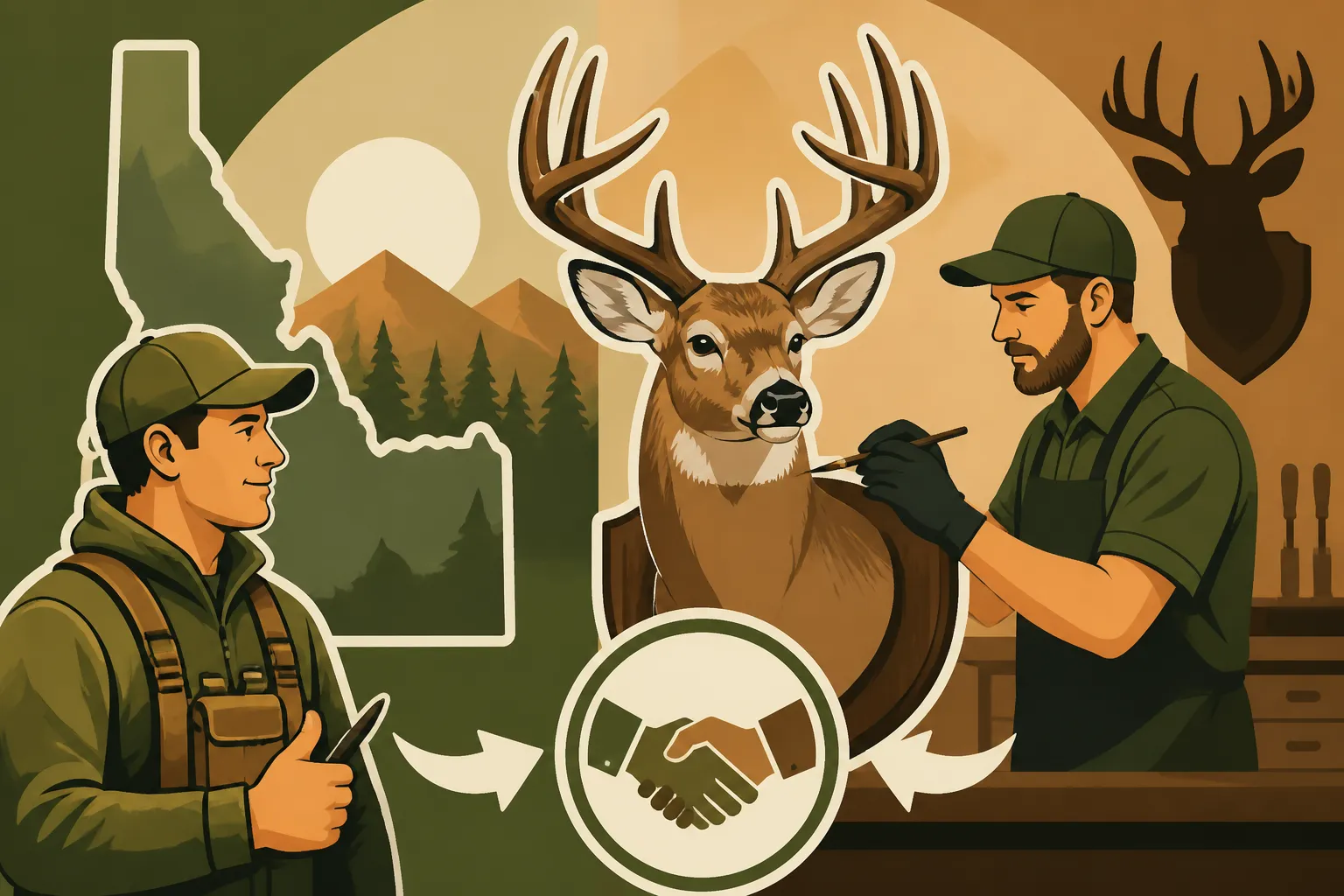
Let’s be honest, after an intense hunt, the last thing you want to do is spend hours scouring the internet for a taxidermist in an unfamiliar area. You’re probably exhausted, covered in grime, and maybe a little overwhelmed with the sheer scale of the animal you just harvested. This is where your outfitter truly shines as more than just a guide to the game; they're often a local expert on everything related to hunting in their region, including who does the best work when it comes to preserving your trophy.
Deep Local Knowledge of Reputable Taxidermists
Your outfitter lives and breathes Idaho hunting. They’ve seen countless animals harvested, and they’ve undoubtedly worked with numerous taxidermists over the years. They know the good, the bad, and the truly exceptional. Think about it: an outfitter’s reputation is tied not just to your success in the field, but also to your overall experience. If they recommend a subpar taxidermist, it reflects poorly on them. They want you to be thrilled with every aspect of your hunt, including the lasting memory of your trophy on your wall.
They often have established relationships with taxidermy shops that consistently deliver high-quality work, understand the specific regulations of the state, and can handle the logistical challenges that come with wild game. They know who specializes in certain species, who has a quick turnaround, and who can accommodate specific requests, like a particular pose or mounting style. This insider knowledge saves you a ton of guesswork and reduces the risk of being disappointed later down the road. They're connected to the hunting community here, from the game wardens to the local meat processors, and yes, to the best artists in taxidermy.
Understanding Field Care and Transport Logistics
Beyond just knowing who to call, your outfitter is instrumental in the critical first steps of trophy preservation: field care. You can’t just drag your elk into a taxidermy shop and expect magic. The quality of the final mount heavily depends on how well the cape and antlers (or skull) are handled immediately after the animal is down. Your outfitter and their guides are experts in this. They can provide hands-on assistance or detailed instructions on proper skinning techniques, caping for a shoulder or life-size mount, and basic preservation like cooling and cleaning.
They understand the nuances of Field Dressing and Carcass Transport Rules Explained, ensuring you follow all legal requirements while maximizing the chances of a perfect mount. For instance, knowing how to properly cape an animal for a full shoulder mount versus a European mount is crucial, and they can show you exactly where to make the cuts. This initial care often involves ensuring the cape is kept cool and clean, away from dirt and excessive moisture, which are critical steps before it even reaches a freezer or a salting station. Many outfitters have facilities, or can direct you to facilities, where you can temporarily store your cape and antlers until they can be transported to the taxidermist.
What to Discuss with Your Idaho Outfitter About Taxidermy
Don't wait until your animal is on the ground to think about taxidermy. While the excitement of a successful hunt might make you forget the practicalities, having a plan in place beforehand can save a lot of stress and ensure your trophy is handled correctly. Early communication with your outfitter is key.
Early Conversations Before the Hunt Even Begins
When you're booking your hunt or in the weeks leading up to your arrival in Idaho, make it a point to discuss your taxidermy plans with your outfitter. This allows them to prepare and offer the most relevant advice. Ask them if they have a preferred taxidermist they work with regularly or if they can provide a list of recommendations. You might also ask about their process for handling harvested animals destined for taxidermy. Do they have freezer space at camp? Can they facilitate transport to a local processor or taxidermy shop? Questions Worth Asking Before You Book should definitely include what happens after the shot when it comes to preserving your trophy.
For example, if you’re hunting a specific species like a mountain lion in a unit with specific Idaho Hound Rules for Mountain Lion Hunting, and you know you want a full-body mount, your outfitter needs to know this. It influences how they handle the skinning and initial care to ensure the entire hide is usable and free from damage. Thinking through these details beforehand can significantly impact the quality of your finished mount and prevent last-minute scrambling. This forward-thinking approach also helps manage expectations regarding the services included in your hunt package, as What Outfitter Prices Almost Never Include often involves extra costs for taxidermy and meat processing.
Specifying Your Trophy Vision and Expectations
Every hunter has a different vision for their trophy. Do you envision a classic shoulder mount that graces your den wall, or are you dreaming of a dramatic full-life-size mount that captures the animal's essence? Perhaps a more understated European mount is more your style. Clearly communicating your vision to your outfitter will help them guide you to the right taxidermist, as some shops specialize in certain types of mounts or species.
It's helpful to be specific. For an elk, for example, a shoulder mount is common, but you might want a pedestal mount or even a half-life-size. For smaller game or predators, a full-life-size mount might be the goal. Discussing these preferences allows your outfitter to make tailored recommendations and ensures that when your animal is field-dressed, the necessary cuts are made to accommodate your desired mount. For instance, a full-life-size mount requires a different caping technique than a shoulder mount, often involving more hide and specific leg cuts that need to be done precisely in the field.
| Mount Type | Description | Considerations |
|---|---|---|
| Shoulder Mount | Head and neck mounted on a form, typically with a portion of the shoulder. | Most popular for big game (deer, elk). Moderate cost and space requirements. Requires careful caping behind the shoulder. |
| Life-Size Mount | Entire animal mounted in a realistic pose. | Highest cost and space requirements. Truly captures the animal's natural form. Demands impeccable field care of the entire hide, including legs and tail. |
| Pedestal Mount | Similar to a shoulder mount but designed to stand on a pedestal. | Versatile, can be displayed in the center of a room. Often includes more of the animal's front torso. Higher cost than a standard shoulder mount. |
| European Mount | Cleaned skull, often bleached, with antlers (or horns) attached. | Most economical and space-saving. Focuses on the skull and antlers. Relatively easy field preparation (removing flesh, boiling, bleaching). Can be done DIY or by a taxidermist. |
| Rug Mount | Flattened and mounted hide, often with head intact, for floor display. | Popular for bears and mountain lions. Requires a large, clean hide. Good for showing off color phases and size. |
The Logistics of Getting Your Trophy to an Idaho Taxidermist
Once your animal is down, the clock starts ticking for proper preservation. The journey from the remote backcountry to a taxidermy shop is a series of crucial steps, and your outfitter's guidance can be invaluable.
Field Care and Initial Preservation Steps
This is arguably the most critical stage for the quality of your future mount. As soon as you harvest an animal, especially big game like an elk or deer, it needs to be cooled down as quickly as possible. Your outfitter will likely stress the importance of bleeding the animal and getting the hide off or at least cooling the carcass. For a shoulder or life-size mount, the caping process (removing the hide carefully from the animal's head, neck, and shoulders or full body) is paramount. A clean, undamaged cape is essential for a good mount.
Your outfitter can show you exactly how to make the relief cuts and separate the hide from the muscle, leaving enough skin for the taxidermist to work with. They'll also instruct you on cleaning any blood or debris from the fur and, if possible, getting the cape salted and air-dried to prevent hair slippage, especially in warmer conditions. In many Idaho hunts, particularly those in September for Bugling Elk in Idaho's Timbered Zones, temperatures can still be warm, making rapid cooling and proper field care even more vital. Some outfitters might have dedicated game bags or even portable coolers to help manage this in the field.
Transporting Your Trophy From Camp to the Shop
Once the initial field care is complete, the next hurdle is getting the cape and antlers from your remote camp to a taxidermy shop. This can be a significant logistical challenge, especially if you’re deep in the backcountry or if you’re a nonresident flying home. Outfitters often have systems in place to help. This might involve packing the cape in ice to get it back to their base camp, where they have freezer storage. Many outfitters will also have arrangements with local taxidermists for direct pickup or will personally deliver your trophy to a trusted shop.
For hunters who are flying, it’s rarely feasible to take a fresh cape on a plane. In such cases, the outfitter can usually arrange for the cape to be frozen solid and shipped directly to a taxidermist of your choice (either one they recommend or one closer to your home). This might involve professional packing and dry ice. Similarly, antlers, especially large elk antlers, require specific packaging for shipping. Your outfitter can advise on the best way to prepare them, or even help with the initial crating, to ensure they arrive undamaged. You'll want to review rules around Shipping Capes and Antlers Home to ensure compliance and avoid issues.
Beyond the Referral: What to Expect from a Taxidermist
While your outfitter can connect you with excellent taxidermists and help with initial preservation, the relationship shifts once your trophy is in the taxidermist's hands. Knowing what to expect during this phase will help you manage the process effectively.
Understanding Pricing and Turnaround Times
Taxidermy is an art form, and like any fine art, it comes with a cost. Prices vary widely based on the species, the type of mount (shoulder, life-size, European), the complexity of the pose, and the individual taxidermist's skill and reputation. A quality shoulder mount for an elk, for example, will be a significant investment, while a European mount is considerably less expensive. The most accurate pricing will always come directly from the taxidermist once they have assessed your specific trophy and discussed your desired outcome. Remember, these are custom pieces, not off-the-shelf items, so costs reflect the skilled labor and materials involved.
Turnaround times can also vary dramatically, and patience is definitely a virtue in the taxidermy world. It's not uncommon for a high-quality mount to take anywhere from 12 to 24 months, or even longer, from the time the taxidermist receives your cape. This timeframe accounts for the meticulous tanning process, preparation of the form, sculpting, finishing, and the sheer volume of work a busy taxidermist typically has. Don't be shy about asking for an estimated timeframe and requesting updates. While an outfitter might give you a ballpark, the taxidermist will provide the most accurate estimate.
Communication and Final Delivery
Once you've chosen a taxidermist and entrusted them with your trophy, clear communication is essential. Be sure to provide them with your contact information, detailed instructions for the mount you desire, and any specific requests regarding habitat, plaques, or poses. Many taxidermists will require a deposit upfront, with the balance due upon completion. They should also provide you with a written agreement outlining the services, estimated cost, and turnaround time.
Throughout the process, feel free to check in periodically for updates. Reputable taxidermists will be happy to communicate their progress. When your mount is finally complete, you'll need to arrange for pickup or shipping. If you live out of state, discussing shipping options and associated costs is vital. Many taxidermists are experienced in crating and shipping mounts safely, but it will be an additional expense. They’ll ensure that all necessary permits and paperwork, especially for interstate transport of wildlife parts, are in order. The entire journey, from How Soon You Must Tag a Downed Animal to getting it on your wall, requires attention to detail.
Disclaimer
This article is for general informational purposes only and does not constitute professional advice. Laws, prices and regulations vary by location and change over time. Consult a qualified professional for guidance on your specific situation.