Chukar Country on Idaho’s Breaks
Chukar hunting in Idaho isn't just a walk in the park; it's a vertical marathon on ankle-twisting terrain, often leaving hunters breathless and wondering where these elusive birds even hide. The steep, broken country along Idaho's river systems can be incredibly intimidating, making it tough to even know where to begin your search. This guide will walk you through everything you need to know about finding and successfully hunting chukar on Idaho's rugged, iconic breaks, transforming your frustration into a plan for success.
Understanding Chukar Habitat in Idaho
If you want to find chukar, you first have to understand where they want to be. These are not forest birds, nor are they typically found in flat agricultural fields. Chukar are creatures of very specific, often brutal, landscapes. They thrive in places that would make most other upland birds pack their bags and head for gentler pastures. Learning to "read" the landscape for these tell-tale signs is your first step toward success.
The Steep River Breaks Environment
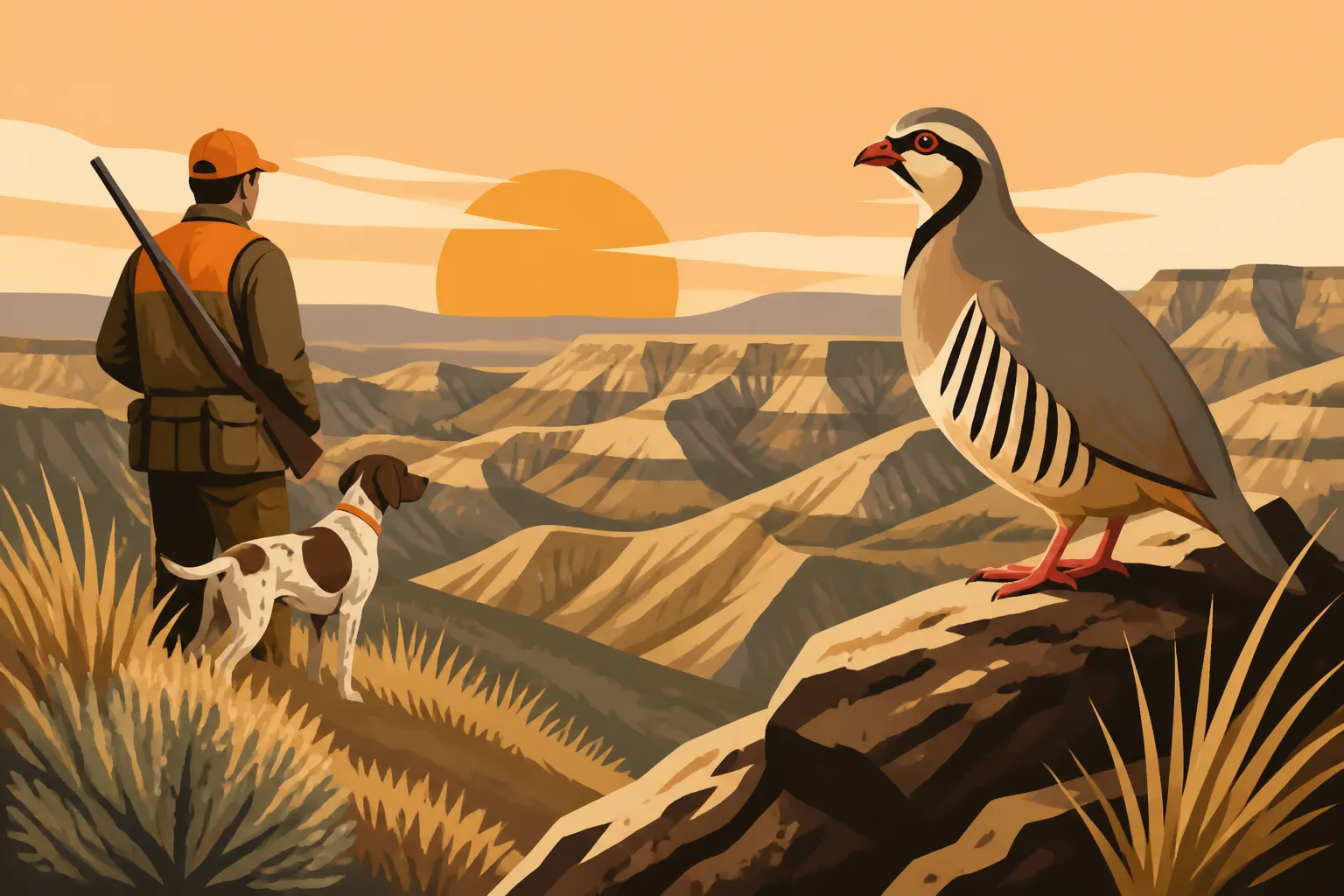
When hunters talk about "chukar country" in Idaho, they're almost invariably referring to the incredibly steep, broken river breaks that define much of the state's central and western regions. Think of places like the Snake River Canyon, the Salmon River breaks, or even parts of the Clearwater River system. These aren't rolling hills; they're abrupt, jagged slopes that plunge dramatically down to water. The terrain is often a chaotic mix of scree, loose rock, exposed basalt outcroppings, and deep, brushy draws. This ruggedness offers chukar the perfect blend of cover from predators and easy access to escape routes.
What makes these steep river breaks so appealing to chukar, beyond just the topography, is the precise combination of elevation change and proximity to water. While chukar are incredibly tough and can withstand arid conditions for extended periods, they absolutely need water. The rivers and their feeder creeks provide this lifeline. You'll often find birds congregating around springs, seeps, or simply following game trails that lead down to a major water source. The broken terrain around these water points provides incredible camouflage and allows them to disappear in an instant when pressured.
Sagebrush-Steppe Ecosystems
While the steepness is a defining feature, the vegetation is just as critical. Idaho's chukar country is almost always characterized by a classic sagebrush-steppe ecosystem. This means you'll find vast expanses of various types of sagebrush (big sagebrush, low sagebrush, three-tip sagebrush) mixed with native grasses like bluebunch wheatgrass and Idaho fescue. This seemingly sparse vegetation provides both food and essential cover for chukar. The birds feed on the seeds and leaves of these plants, as well as various insects they find amongst the brush.
Beyond the sagebrush, look for other indicator plants that chukar love. Cheatgrass, a non-native but widely distributed grass, provides early-season food and cover. Bitterbrush, often found on slightly higher, drier slopes, also offers forage. The crucial element here is that the vegetation isn't too dense. Chukar prefer open-enough ground to run and utilize their legs to escape, rather than constantly flushing. They also need to be able to see potential predators from a distance, and the relatively open nature of the sagebrush-steppe allows for this vigilance. Understanding this preference for specific vegetation types is key to deciphering where "Where to Find Chukar in Sage Country" in Idaho.
Identifying Prime Chukar Hunting Areas
Finding chukar isn't just about showing up in the right general region; it's about pinpointing the specific micro-habitats they prefer. This requires a combination of modern scouting tools and good old-fashioned legwork. Don't expect to just drive up, hop out, and instantly be in birds. Chukar make you work for them, but if you know what to look for, you can significantly improve your odds.
Using Topographical Maps and Satellite Imagery
Before you ever lace up your boots, your most powerful scouting tool is often sitting on your computer or in your pocket: topographical maps and satellite imagery. Services like GoHunt are invaluable for pre-season scouting. Start by identifying major river systems in known chukar regions. Then, zoom in on the breaks along these rivers. You're looking for slopes that are steep, but not absolutely vertical cliffs. Contour lines that are tightly packed indicate steepness, which is good, but you also want to see benches, draws, and small side canyons where birds can congregate and find shelter.
Satellite imagery, often layered over topo maps, allows you to visualize the vegetation. Look for the distinctive texture of sagebrush. Identify areas where rock outcroppings break up the slopes, providing crucial thermal cover in cold weather and shade in warm weather. Pay close attention to any green patches or darker vegetation that might indicate a spring or a seeping area – these are absolute magnets for chukar. Mark potential access points, old two-track roads, and even small, flat areas where you might be able to park. This digital legwork can save you countless hours of hiking in the wrong spots.
On-the-Ground Scouting for Sign
Once you've narrowed down some promising areas on your maps, it's time for some on-the-ground reconnaissance, either before the season or on your actual hunting trip. The best chukar hunters are constantly looking for "sign." This includes droppings (small, dark, often cylindrical pellets), tracks in dusty patches of ground or along game trails, and even feathers. Pay attention to areas where the birds might be feeding – patches of cheatgrass or bitterbrush with disturbed soil.
But the most unmistakable sign, and often the most exciting, is hearing them. Chukar are quite vocal, especially in the early morning and late evening. Their distinctive "chuk-chuk-chuk-chukar!" call will echo across the canyons. If you hear them, you know you're in the right neighborhood. Take note of the elevation and aspect where you hear them; this will help you understand their patterns. Even if you don't hear them, keep an eye out for dust baths – small, circular depressions in loose soil where birds have been cleaning themselves. These are clear indicators of recent activity and a strong sign that birds are nearby.
Essential Gear for Idaho Chukar Hunting
Chukar hunting is physically demanding, and the terrain is unforgiving. Your gear selection can make or break your hunt, impacting your comfort, safety, and ultimately, your success. Skimping on quality here is a mistake you'll regret the moment you start climbing your first Idaho break.
Footwear and Clothing for Rugged Conditions
Your boots are perhaps the most critical piece of equipment. You need sturdy, high-quality, ankle-supporting boots with aggressive traction. Think mountain hunting boots, not just casual hiking shoes. The loose rock, steep grades, and slick dirt demand exceptional grip and stability to prevent twisted ankles and falls. Waterproofing is a huge plus, as you'll often encounter dewy grass in the mornings or unexpected creek crossings. Many seasoned chukar hunters swear by brands like Kenetrek or Schnee's, or similar heavy-duty models designed for rugged mountain terrain. Break them in well before your hunt!
For clothing, layers are absolutely non-negotiable. Idaho mornings can be frosty, even in early fall, but climbing steep chukar hills will quickly have you shedding layers. Start with a moisture-wicking base layer, add a fleece or synthetic mid-layer, and finish with a durable, wind-resistant, and ideally water-resistant outer shell. Look for fabrics that can stand up to abrasive sagebrush and thorns. Blaze orange is a smart choice for visibility, even if not strictly required in all upland scenarios, and it's always recommended for hunting in Idaho. Don't forget tough hunting pants, perhaps even with knee pads built in, as you'll be scrambling and kneeling frequently.
Optics and Navigation Tools
While chukar are small birds, optics play a crucial role in scouting and hunting them. A good pair of binoculars, like a 10×42, is essential for glassing distant slopes, identifying potential chukar roosting areas, and even spotting birds running ahead of you. It's surprising how often you can pick out a brown speck against the grey rock that turns out to be a chukar. Having a binocular size that survives an all-day session is vital, as you'll be using them constantly.
For navigation, a reliable GPS unit or a smartphone with a robust hunting app (like those offered by GoHunt with detailed topo and private/public land layers) is a must-have. You will be in steep, broken country that often looks the same in every direction. Losing your bearings is incredibly easy, especially as you traverse draws and ridges. Pre-download maps for offline use, mark your vehicle's location, and establish waypoints for known water sources or potential bird holding areas. A compass and paper map are also excellent backups, particularly if your electronics decide to fail when you're miles from the truck. Remember, safety first in these remote and challenging areas.
Shotguns and Ammunition Choices
For chukar, a fast-handling, lightweight shotgun is usually preferred. You'll be doing a lot of climbing, and every ounce counts. Most hunters opt for a 12-gauge or 20-gauge, with the 20-gauge being a popular choice for its lighter weight and sufficient stopping power for these relatively small birds. Open chokes, like improved cylinder or modified, are generally a good starting point, as chukar flushes are often fast and close-quarters, but they can also bust out far ahead.
Ammunition choice is also important. #6 or #7.5 lead shot are excellent all-around choices for chukar. They provide a good balance of pattern density and pellet energy to cleanly take down these tough little birds. Carry plenty of shells, because when you get into a covey, you'll want to make the most of the opportunity, and you don't want to run out of ammo when the birds are finally flying. Remember to be mindful of any non-toxic shot requirements in specific hunting areas, though this is less common for upland hunting on general lands in Idaho.
Hunting Strategies and Techniques
Chukar hunting is less about finesse and more about sheer grit and smart tactics. These birds are legendary for their ability to run uphill, seemingly defying gravity, and often frustrating even the most experienced hunters. Having a solid strategy and understanding their behavior will be critical to putting birds in your vest.
Working with a Good Bird Dog
For many, chukar hunting without a dog is almost unthinkable. A well-trained bird dog is an invaluable asset in this challenging terrain. Their superior scenting ability allows them to locate birds that you would otherwise walk past, even when the chukar are running. More importantly, they can retrieve downed birds from steep, brushy areas that would be incredibly difficult for a human to access. A good pointing dog will hold birds, allowing you to climb into position for a shot, while a flushing dog can effectively drive birds out of thick cover.
However, chukar country is tough on dogs too. The sharp rocks can be brutal on paws, so dog boots are often a necessity. Keep a close eye on your dog for signs of overheating or exhaustion, especially on warm days. Always carry plenty of water for your canine companion. Dogs need just as much, if not more, conditioning for this type of hunting as humans do. Finding a good hunting partner also applies to your dog, as a strong partnership can turn a mediocre hunt into a memorable one.
The "Chukar V" and Other Uphill/Downhill Tactics
Chukar have a notorious habit: they prefer to run uphill rather than fly, and when they do fly, it's almost always downhill. This behavior has given rise to the infamous "Chukar V" strategy. The idea is to get above the birds, often by taking a long, circuitous route to gain elevation. Once you're above them, you work your way down. When you push them from above, they are more likely to flush downhill, giving you a better, safer shot opportunity and allowing you to follow their flight path with less risk of them disappearing into a canyon below you.
Alternatively, if you encounter birds low in a draw, try to push them up the hill and then quickly get above them to intercept. Always try to stay above the birds or position yourself to force a downhill flush. It's incredibly tempting to chase birds straight up a slope, but you'll quickly run out of breath, and they'll just keep running or flush away, leaving you scrambling. Understanding how to play the terrain and leverage the bird's natural escape instinct is key to getting them in the air. This kind of nuanced approach applies to many upland birds, even if you're hunting Hungarian Partridge Across Dryland Farm Ground, understanding their behavior in relation to terrain is paramount.
Reading the Weather and Bird Behavior
Chukar behavior can be heavily influenced by weather conditions. On hot, dry days, birds will stick close to water sources and seek shade in rocky outcroppings or dense brush, especially during the middle of the day. Hunting them early in the morning and late in the evening when temperatures are cooler and they are more active is often more productive. On colder, windier days, chukar might hunker down in protected draws or on south-facing slopes that catch the sun, providing warmth.
Pay attention to recent precipitation as well. A recent rain can temporarily make birds more dispersed, but they'll still gravitate towards areas with good cover and food. Snow can make hunting incredibly tough, but it can also concentrate birds in specific areas, especially lower down where they can find exposed forage. Learning to read these environmental cues and adjusting your strategy accordingly will dramatically increase your chances of success and help you maximize your time in the "Chukar Country on Idaho's Breaks".
Challenges and Safety in Chukar Country
Chukar hunting is an incredibly rewarding pursuit, but it's also undeniably tough and comes with inherent risks. Ignoring these challenges can quickly turn a fun day into a dangerous situation. Being prepared and realistic about the demands of the hunt is crucial for your safety and enjoyment.
Physical Demands and Hydration
Let's be blunt: chukar hunting is a brutal workout. You'll be climbing steep, often unstable slopes, sometimes for miles, covering significant elevation changes. This isn't a casual stroll; it's a strenuous physical activity. If you're not in good physical condition, you'll struggle, risk injury, and likely not have much fun. Start a conditioning program well before your hunt that includes hiking with a weighted pack, stair climbing, or incline walking. Being prepared for the Physical Conditioning for Idaho Backcountry is essential for any serious hunt in the state's rugged terrain.
Dehydration is a major concern, especially on warm, dry days in the sagebrush. You'll be exerting yourself heavily, and water sources are often scarce or non-existent in the actual hunting areas. Carry far more water than you think you'll need – a hydration pack is highly recommended. Electrolyte supplements can also be beneficial. Don't wait until you're thirsty to drink; sip frequently throughout the day. Signs of dehydration can include dizziness, fatigue, and muscle cramps, all of which are incredibly dangerous in remote, rugged country.
Navigation and Emergency Preparedness
As mentioned earlier, getting lost in chukar country is a real possibility. The terrain can be incredibly disorienting, with countless draws and ridges that look identical. Always carry reliable navigation tools and know how to use them. Share your hunting plan with someone not in your party, including your intended route, expected return time, and vehicle description. This "leave a note" practice is a simple but life-saving precaution.
Beyond navigation, general emergency preparedness is paramount. A small first-aid kit, a headlamp, fire-starting materials, and emergency shelter (even just a space blanket) should always be in your pack. A satellite communication device, like a Garmin inReach or a Zoleo, is highly recommended for these remote areas, as cell service is often non-existent. These devices allow you to send SOS messages and communicate with loved ones, providing a vital safety net. Finally, always be aware of your surroundings, watch for loose rock, and take your time on steep descents to prevent falls. When you're far from any established trail or road, Can You Drive Off Road to Retrieve Downed Game is a question that applies to ethical hunting as much as it does to practical considerations, and the answer is usually no, emphasizing the need for self-reliance.
Regulations and Season Information
Before you head out, it's absolutely critical to be familiar with Idaho's hunting regulations for chukar. These rules are in place to ensure sustainable populations and safe hunting practices. While regulations can change year to year, understanding the general framework will set you on the right path.
Idaho Chukar Season Overview
Idaho's chukar season typically opens in September and runs well into January, providing a long window of opportunity. Specific dates can vary by unit and management zone, so it's always important to consult the official Idaho Fish and Game upland game regulations brochure for the current year. Generally, the season starts after the summer heat begins to wane, making for more pleasant hunting conditions and more active birds. Early season hunting can be fantastic, with birds often found higher up and more concentrated before hunting pressure scatters them.
Later in the season, particularly after snowfall, chukar will often move to lower elevations, especially on sunny, south-facing slopes where they can find exposed ground and forage. This can concentrate them, but the conditions are often tougher, with colder temperatures and potentially slicker ground. Checking the Idaho Upland Bird Season Opening Dates is your first step in planning any chukar trip. Understanding the full season framework helps you decide if you prefer early season flushes or late season strategic hunts.
Bag Limits and Other Important Rules
Bag limits for chukar in Idaho are usually quite generous, often around 8 birds per day with a possession limit of 16. However, these numbers can change, so always verify them in the current regulations. Over-bagging is not only illegal but also unsustainable. The goal is a healthy population for future hunts.
Beyond bag limits, there are other critical rules to be aware of. All hunters, regardless of age, must possess a valid Idaho hunting license and any necessary upland bird validations. General hunting etiquette, like respecting private property boundaries, is also paramount. Use mapping tools to identify public land and be certain of your location. Remember, even on public land, there might be specific rules about motorized access, camping, or specific shot types depending on the area. For a comprehensive overview of all hunting parameters, using The Idaho Hunt Planner Is the Tool to Start With will give you current regulations, harvest statistics, and detailed maps to help plan your chukar adventure.
Here's a quick reference table for chukar hunting considerations:
| Aspect | Ideal Conditions/Preference | Key Considerations |
|---|---|---|
| Habitat | Steep river breaks, sagebrush-steppe, rocky outcroppings | Proximity to water (rivers, springs, seeps), scattered brush for cover |
| Weather | Cooler mornings/evenings; seek shade during mid-day heat | Birds concentrate near water in heat, on south-facing slopes in cold/wind; snow can concentrate birds at lower elevations |
| Terrain | Steep, rocky, loose scree, draws, benches | Extremely physically demanding, ankle-twisting terrain, potential for falls |
| Hunting Strategy | "Chukar V" (get above birds), work with a good bird dog | Force downhill flushes, conserve energy, utilize dog's nose for locating and retrieving |
| Required Gear | Sturdy boots, layers, water/hydration pack, navigation tools | Prioritize ankle support and traction, stay hydrated, carry emergency comms, reliable GPS/app |
| Shotgun/Ammunition | Lightweight 12 or 20 gauge, IC/Modified choke, #6 or #7.5 shot | Fast handling, adequate stopping power, carry plenty of shells |
| Season | Early September – Late January (check current regulations) | Varying conditions through the season; early: higher/more dispersed; late: lower/more concentrated (often with snow) |
Disclaimer
Please note: Hunting regulations and season dates can change annually. It is the hunter's responsibility to consult the most current Idaho Fish and Game regulations prior to any hunting activity.