Why the Subspecies Rule Matters When You Apply
Navigating Idaho's hunting regulations can sometimes feel like deciphering an ancient scroll, especially when you're dreaming of a coveted trophy tag. Many hunters, particularly those new to the Gem State's system, stumble upon a crucial detail that can significantly impact their application strategy for rare species: the subspecies rule. This guide will break down why understanding Idaho's distinction between different subspecies isn't just a biological footnote, but a fundamental aspect of your controlled hunt applications and overall long-term hunting goals.
Understanding Idaho's Subspecies Approach for Trophy Hunts
When you think of majestic bighorn sheep, you might picture one iconic animal, but Idaho's landscape is actually home to distinct populations, each managed with its own unique set of considerations. This distinction isn't just for biologists; it's absolutely vital for hunters.
The Distinct Bighorn Populations: Rocky Mountain vs. California
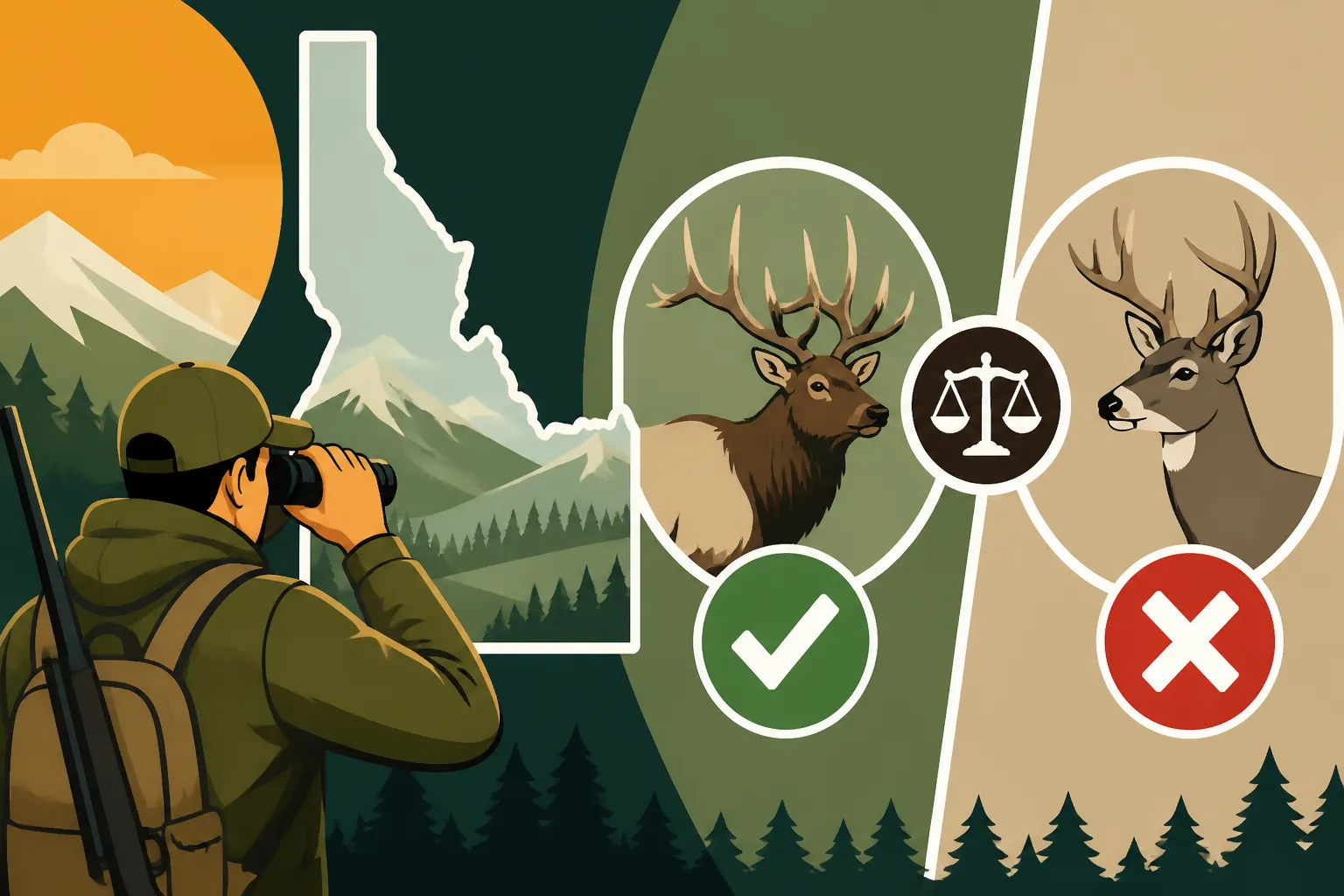
Idaho doesn't simply have "bighorn sheep" tags; it meticulously manages and allocates tags for two distinct subspecies: the Rocky Mountain Bighorn Sheep and the California Bighorn Sheep. While both are undeniably bighorns, they occupy different niches and possess subtle differences that wildlife managers track closely. The Rocky Mountain Bighorn, often found in the rugged, towering peaks of the central and northern parts of the state, are perhaps the most iconic image of Western sheep hunting. Their habitat tends to be higher elevation and more timbered in some areas, but always steep and unforgiving. If you're wondering Where Rocky Mountain Bighorns Live in Idaho, you're typically looking at the Clearwater, Salmon, and Middle Fork drainages.
In contrast, the California Bighorn Sheep are primarily found in Idaho's drier, more arid regions, particularly in the Owyhee Breaks in the southwestern part of the state. These sheep tend to inhabit lower elevation, basalt canyon country, which presents a completely different type of hunting challenge than their mountain-dwelling cousins. If your research takes you to the southwestern corner, you'll find them Where California Bighorns Live in Idaho. For Idaho Fish and Game, these aren't just sheep; they are separate management units, each with its own population dynamics, specific habitat needs, and conservation concerns. It's like managing two different breeds of a specific farm animal; while they're both fundamentally the same species, their unique characteristics demand individualized attention and care to thrive.
Why This Matters for Idaho's Management and Your Application
The biological distinction between Rocky Mountain and California Bighorns is far more than an academic exercise for wildlife managers. It directly influences how Idaho Fish and Game sets quotas, defines hunt areas, and, most importantly for you, how it designs the application process. Because these populations are managed independently, with separate conservation goals and habitat considerations, they require separate hunting opportunities. This means that a tag for a Rocky Mountain Bighorn Sheep is distinct from a tag for a California Bighorn Sheep.
This is where many hunters, especially those from outside the region, can get tripped up. It's easy to just think "bighorn sheep tag" and assume one application covers all, but Idaho asks you to be more specific. The management aims to sustain healthy populations of both, and drawing on one doesn't automatically mean you're done with the other. This separate management strategy underpins why the subspecies rule is so critical to understand when you fill out your controlled hunt applications. It’s not about making things complicated; it's about precise, science-based wildlife management that recognizes the unique needs of each distinct population.
Navigating the Application and the "Once-in-a-Lifetime" Rule
Once you grasp that Idaho manages bighorn sheep by subspecies, the next step is understanding how this translates into the actual application process and, crucially, the "once-in-a-lifetime" rule that governs many trophy species. This nuance is where a lot of hunters find themselves either pleasantly surprised or deeply confused.
Each Subspecies is a Separate Application Entity
When the controlled hunt application period opens, typically in April, you won't just see a generic "Bighorn Sheep" option. Instead, you'll find distinct categories for Rocky Mountain Bighorn Sheep and California Bighorn Sheep. This means that if you aspire to hunt both, you will need to submit separate applications for each subspecies. Each application will incur its own application fee, and each will be entered into a completely independent draw pool. You can learn more about the timelines by checking the Idaho Controlled Hunt Calendar, April Through August.
Think of it like applying for two different job openings at the same company; even if they're both within the same department, they have their own interview processes and selection criteria. The draw for Rocky Mountain Bighorns is entirely separate from the draw for California Bighorns. This is a crucial distinction because it directly affects your strategy. Platforms like GoHunt can provide valuable insights into specific unit data and help you understand the odds for each subspecies. You will need to carefully consider which Idaho Application Fee Per Species applies to your specific choices and ensure you have sufficient funds and a clear strategy before submitting.
"Once-in-a-Lifetime" Means Per Subspecies
Now, here's the golden nugget of information that can truly shape a trophy hunter's long-term strategy in Idaho: the state's "once-in-a-lifetime" rule for trophy species applies per subspecies. This is a significant deviation from how some other states might handle it. If you are fortunate enough to draw and harvest a Rocky Mountain Bighorn Sheep, you have successfully completed your "once-in-a-lifetime" hunt for that particular subspecies. However, this does not preclude you from applying for a California Bighorn Sheep tag in the future. You are still eligible to apply and, if successful, hunt a California Bighorn.
This rule essentially offers the dedicated hunter two distinct opportunities at an Idaho bighorn sheep over the course of their hunting career. It's not a blanket ban on all bighorn sheep after your first success, but rather a species-specific limitation. This is one of the key reasons Why Idaho's Once-in-a-Lifetime Rule Is Per Subspecies is so important. Many hunters are unaware of this nuance, assuming that a successful draw for one means they can never apply for any bighorn sheep again in Idaho. Understanding that you can potentially Can You Apply for Both Bighorn Subspecies? and harvest both over time provides a unique strategic advantage for those who dream of a full Idaho sheep slam. It validates the immense patience and dedication required, offering a glimmer of hope that one epic hunt doesn't close the door on another.
Strategic Considerations for Bighorn Sheep Applicants
Given the separate management and application rules for bighorn sheep subspecies, applying for these coveted tags in Idaho requires careful thought and a well-researched strategy. It's not just about throwing your name in the hat; it's about playing the long game.
Researching Odds and Planning Your Attack
Before you even think about submitting an application, you need to arm yourself with knowledge. This means diving deep into the draw odds for both Rocky Mountain and California Bighorn Sheep. These tags are notoriously difficult to draw, making meticulous research absolutely essential. You'll want to explore which specific units offer tags for each subspecies and then analyze the historical draw odds for those units. Resources like GoHunt or the Idaho Fish and Game website's harvest statistics can be invaluable here. For instance, understanding Idaho Bighorn Sheep Draw Odds Explained will quickly show you just how tough it is, reinforcing the need for a targeted approach.
Because Idaho operates without a preference point system, as detailed in Idaho Has No Preference Points, and What That Changes, every applicant theoretically has an equal chance in the random draw each year. This means your best strategy isn't to build points, but to consistently apply and to make informed choices about which subspecies and unit to apply for. Consider if one subspecies consistently has slightly "better" (though still incredibly low) odds in a particular unit. Would you prefer to hunt the rugged peaks that Rocky Mountain Bighorns in Idaho inhabit, or the unique canyon country of the California Bighorns Along the Owyhee? Your personal hunting preferences, physical conditioning, and research into specific unit success rates should all factor into your decision making process.
Long-Term Strategy for Idaho's Ultimate Trophy
For the truly dedicated trophy hunter, the subspecies rule opens up an incredible long-term opportunity: the potential to harvest both a Rocky Mountain and a California Bighorn Sheep in Idaho. This isn't a feat accomplished quickly or easily; it's a testament to extreme patience and persistent application over many years, if not decades. Your strategy might involve focusing on one subspecies until successful, then shifting your focus to the other. Or, if your budget allows for it, you could apply for both simultaneously each year, maximizing your chances across separate draws.
This extended opportunity makes the dream of a "double sheep" in Idaho a distinct possibility for those who commit to the journey. Beyond just drawing the tag, preparing for these hunts requires significant physical and mental fortitude. It’s worth researching aspects like Ram Curl Requirements Idaho Enforces to understand what defines a legal ram in the field, as well as the intense physical conditioning needed for such an arduous pursuit. While the odds are always stacked against you for these tags, Idaho's subspecies rule for its bighorn sheep offers a unique and compelling reason for a long-term, dedicated approach to trophy hunting in the state.
Bighorn Sheep Subspecies Application Comparison
To summarize the key differences and considerations for applying for Idaho's bighorn sheep tags, here's a quick comparison:
| Feature | Rocky Mountain Bighorn Sheep | California Bighorn Sheep |
|---|---|---|
| Application Process | Separate application for specific units | Separate application for specific units |
| Draw Pool | Independent draw pool | Independent draw pool |
| Application Fee | Separate fee applies | Separate fee applies |
| "Once-in-a-Lifetime" | Applies per subspecies. If harvested, can still apply for California Bighorn. | Applies per subspecies. If harvested, can still apply for Rocky Mountain Bighorn. |
| Typical Habitat | Higher elevation, rugged mountain ranges, some timbered areas. | Arid, basalt canyon country, lower elevations. |
| Geographic Focus | Central/Northern Idaho (e.g., Salmon, Middle Fork) | Southwestern Idaho (e.g., Owyhee Breaks) |
Disclaimer
This article is for general informational purposes only and does not constitute professional advice. Laws, prices and regulations vary by location and change over time. Consult a qualified professional for guidance on your specific situation.