Hunting the Payette National Forest
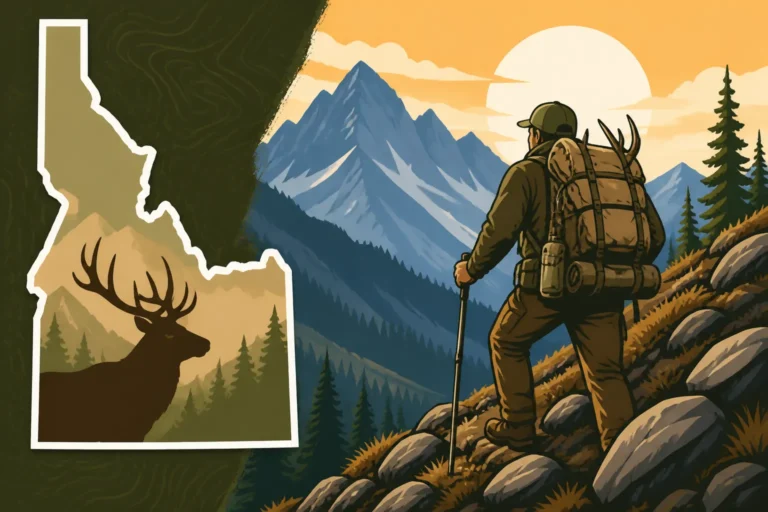
Hitting the backcountry for an Idaho hunting adventure is a dream for so many of us, but when you look at a map, the sheer scale of public land can be overwhelming. The Payette National Forest, stretching across a huge swath of west-central Idaho, offers incredible opportunities, but it also presents unique challenges, from its diverse terrain to navigating access and understanding where the animals actually live. This guide is here to break down what you need to know to plan a successful and safe hunt in the Payette, helping you cut through the confusion and get boots on the ground with confidence.
Getting to Know the Payette National Forest for Hunters
The Payette National Forest isn't just a patch of trees; it's a vast, rugged, and incredibly diverse landscape that calls to hunters looking for a true Western experience. Spanning over 2.3 million acres, this isn't a place you can just show up to without some serious homework. Understanding its character is the first step toward a successful hunt.
Geographic Scope and Diverse Terrain
Located primarily in west-central Idaho, the Payette National Forest covers a huge area, from the deeply incised canyons of the Salmon River to high-elevation peaks and sprawling timbered plateaus. You'll find everything from arid, sagebrush-dotted foothills in lower elevations to dense Douglas fir, ponderosa pine, and lodgepole pine forests, eventually giving way to subalpine meadows and rugged, rocky ridges at the timberline. This incredible variety in terrain means animal habitat changes dramatically from one drainage to the next, sometimes within a few miles. A deer might be tucked into a north-facing timber pocket at 7,000 feet, while elk could be feeding in a riparian zone near a creek bottom much lower down. Rivers like the Salmon and the Weiser carve through the forest, creating dramatic breaks and offering crucial water sources, especially during dry years.
The sheer scale means you're going to encounter every kind of challenge a Western hunt can throw at you: steep climbs, thick brush, downed timber, and remote basins that take days to reach. Don't underestimate the physical demands this place can put on you. It's truly wild country, where solitude is still very much a possibility if you're willing to work for it.
Primary Game Species You'll Find
The Payette National Forest is a stronghold for several iconic Western big game species, making it a highly desirable destination. Elk are, without a doubt, a major draw, and the Payette offers opportunities for both general season hunts and some controlled hunts, depending on the unit and tag you draw. You'll find elk across various elevations, often favoring timbered slopes and north-facing aspects during the day, moving to more open areas to feed during dawn and dusk. Elk Are Why Most Hunters Come to Idaho, and the Payette certainly holds its share of these magnificent animals.
Mule deer are another primary species, found throughout the forest, particularly in areas with a mix of timber and open sagebrush, often favoring the more rugged breaks and ridges. You might find them higher up in the subalpine country during early seasons, moving to lower elevations as snow pushes them down. Whitetail deer also inhabit parts of the Payette, especially in the northern, denser timbered regions and along river bottoms, though they are less prevalent than mule deer in many areas. Mule Deer Across Idaho's High Desert and Breaks are a common sight, offering a different kind of challenge.
Beyond deer and elk, the Payette also supports good populations of black bear, often found in timbered areas rich in berries and other food sources. Mountain lions also roam these mountains, though they are much more elusive. These predator hunts offer unique experiences for those willing to pursue them. Occasionally, you might even find moose in specific riparian areas, although moose tags are much harder to come by and are exclusively part of Idaho's highly coveted controlled hunts.
Understanding Different Hunting Opportunities
Hunting in the Payette National Forest primarily falls under Idaho's general season structure, meaning many units allow hunters with a general elk or deer tag to hunt within specified season dates without needing to draw a special controlled hunt permit for that particular unit. However, it's crucial to understand that Idaho's general hunts are often tied to specific elk zones and their associated A or B tags. The Payette National Forest spans several Game Management Units (GMUs) that may fall into different elk zones, each with unique season structures.
For instance, an "A Tag" often favors archery and early-season muzzleloader hunters, sometimes with spike-only bull restrictions in certain periods, while a "B Tag" is generally geared towards rifle hunters and later seasons, often allowing for any-bull harvest. Idaho Elk Zones and the A Tag or B Tag Choice can significantly impact your hunting strategy within the Payette. Always consult the current Idaho Fish and Game regulations for the specific GMU and elk zone you plan to hunt. There are also a number of controlled hunts for deer, elk, bear, and other species within Payette GMUs that require a successful draw application, offering more limited entry but potentially higher success rates or quality opportunities.
The Payette offers a vast playground for various hunting methods, from spot-and-stalk archery in the early season to still-hunting dark timber with a rifle later in the fall. You'll find opportunities for backcountry pack-in hunts far from roads, as well as more accessible areas that still require significant effort to get away from pressure. The key is matching your chosen weapon and hunting style to the terrain and species you're pursuing, always with a deep understanding of the regulations specific to your chosen unit and season.
Planning Your Hunt in the Payette National Forest
Planning a hunt in the Payette National Forest is a significant undertaking, but with the right tools and knowledge, it can be incredibly rewarding. You're not just buying a tag; you're committing to an immersive experience in truly wild country. Thorough preparation is not just recommended, it's essential for both success and safety.
Essential Mapping and Scouting Tools
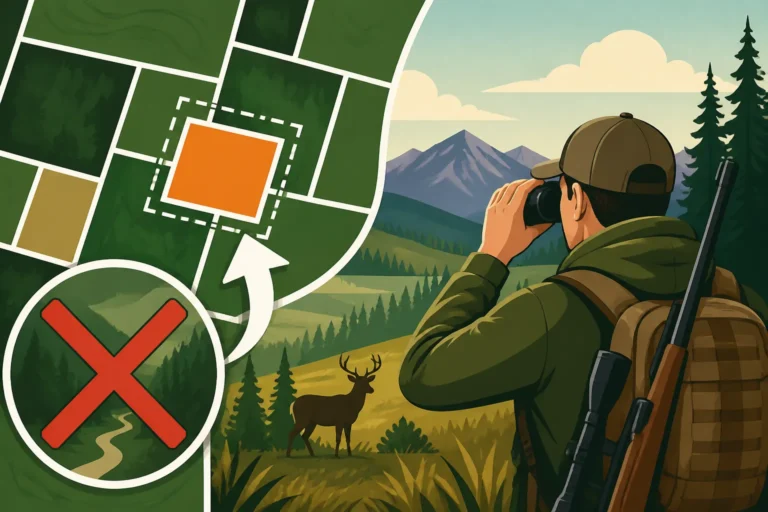
In a place as expansive and intricate as the Payette National Forest, having reliable mapping and scouting tools is non-negotiable. Forget about just bringing a paper map and compass – though those are still vital backups. Digital mapping applications have revolutionized how we e-scout and navigate the backcountry. Platforms like onX Hunt are incredibly valuable, allowing you to identify public and private land boundaries, pinpoint roads and trails, study topography with contour lines, and analyze satellite imagery for potential bedding areas, feeding zones, and access routes. Using onX Layers for Idaho Public Land is a game-changer when you're trying to discern a legal hunting area from a private ranch boundary, or identify potential landlocked public parcels that might hold unpressured game.
Before you ever set foot in the forest, spend hours pouring over these digital maps. Look for north-facing slopes with dense cover, which are often preferred by elk and mule deer for bedding, especially during warmer weather. Identify saddles, benches, and creek bottoms that might serve as travel corridors. Use the topo lines to gauge the steepness of terrain and plan your approaches. You can also utilize resources like the Idaho Fish and Game's Hunt Planner, a fantastic online tool that provides unit boundaries, harvest statistics, drawing odds for controlled hunts, and even public land percentages. The Idaho Hunt Planner Is the Tool to Start With for anyone serious about hunting Idaho. Combining these tools allows you to develop a robust plan, identify primary and backup spots, and understand the lay of the land well before you arrive.
Navigating Idaho's Specific Regulations
Idaho's hunting regulations, especially concerning access and weapon restrictions, can be complex, and it’s critical to understand them before heading into the Payette. One major regulation to be aware of is Idaho's Motorized Hunting Rule Keeps You on the Road. This rule, which is typically enforced from late August through December in most areas, prohibits motorized travel off established roads to hunt, pursue, or retrieve big game. This means you can't just drive your ATV or truck wherever you please once you've spotted an animal. You must stay on designated roads, and even then, some roads may be seasonally closed to all motorized traffic. Always check the current Motor Vehicle Use Maps (MVUMs) for the specific area of the Payette you plan to hunt, as these detail which roads are open, which are closed, and for what type of vehicle.
Beyond motorized access, pay close attention to the specific weapon requirements for your chosen season. For instance, muzzleloader-only hunts have strict rules about scopes and inline ignition systems. Archery seasons have their own broadhead and equipment rules. Always double-check the current regulations for your specific GMU and tag type, as these details can change annually. The Payette spans multiple GMUs, each with potentially distinct opening and closing dates, legal shooting hours, and bag limits. A clear understanding of these local regulations is paramount to a legal and ethical hunt.
Dealing with Seasonal Access and Closures
The Payette National Forest is a dynamic environment, and access can change dramatically with the seasons and even within a single season. Road closures are a constant factor. Many forest service roads are seasonally closed to protect wildlife during critical periods (like winter range closures) or due to weather conditions, especially snowpack in the fall. These closures can significantly impact how far you can drive into an area, forcing longer hikes and potentially altering your hunting plans. Always check the Payette National Forest website or call a local ranger district office for current road conditions and closure orders before your trip. This due diligence can save you a lot of wasted time and frustration.
Furthermore, fire restrictions are a serious concern, especially during the late summer and early fall. Dry conditions can lead to campfire bans or even full forest closures, which would effectively shut down your hunt. Always be aware of the current fire danger and any associated restrictions. Early season hunters, particularly bowhunters, are more likely to encounter these conditions. Being informed about these potential closures and having backup plans for different areas or even different forests is a smart strategy when planning a hunt in any large national forest like the Payette.
Strategies for Success in Payette's Backcountry
Hunting in the Payette National Forest demands a different approach than hunting flatter, more open country. Its ruggedness is both its greatest asset and its biggest challenge. To truly succeed here, you need to understand the terrain, the animals, and how to adapt your tactics to this unique environment.
Adapting to Timber and Elevation Challenges
The Payette is characterized by extensive timbered slopes and significant elevation changes. This isn't a place where you'll often see animals standing out in wide-open fields. Instead, you'll be navigating dense forests, deep draws, and steep mountainsides. For elk and deer, these timbered areas provide crucial cover, especially during the day when they're bedding down. Your hunting strategy needs to reflect this. Still hunting through dark timber, moving slowly and deliberately, pausing to glass every shadow and listen for the slightest sound, becomes a primary tactic. Still Hunting Timber for Bedded Mule Deer is an art form in this kind of country, requiring immense patience and acute awareness.
Elevation is another constant. You'll be climbing, descending, and traversing steep slopes, often carrying a heavy pack. This physical exertion impacts everything from your ability to move quietly to your accuracy when shooting. Planning your routes to minimize elevation gain when possible, or at least breaking up your climbs, is vital. When the wind shifts, which it often does in mountainous terrain, you need to be prepared. Understanding how thermals work – cool air flowing downhill in the mornings and evenings, warm air rising during the day – is crucial for playing the wind correctly. Playing Wind Direction on a Timbered Stalk becomes a critical skill that can make or break your approach on an animal. Your scent is your biggest enemy in dense timber, and unpredictable winds can betray you quickly.
Effective Glassing and Stalking Techniques
Even in heavily timbered country, glassing remains an essential skill in the Payette. While you might not be spotting animals from miles away like in some high desert areas, you'll be glassing smaller openings, old clear-cuts, benches, and draws. Use your binoculars to pick apart dark timber, looking for horizontal lines that don't belong, a patch of hide, or the tell-tale gleam of an antler. Set up on vantage points that overlook likely feeding or bedding areas, especially during the golden hours of dawn and dusk. Glassing Breaks and Benches for Mule Deer involves systematically sweeping an area, often using a grid pattern, to ensure you don't miss a bedded animal or one moving through dense cover. This careful, methodical approach can often reveal animals that would otherwise be missed with the naked eye.
Once you've spotted an animal or found fresh sign, the stalking begins. In the Payette's rugged terrain, this can be incredibly challenging. You'll need to use every bit of cover available – trees, rocks, terrain features – to close the distance undetected. Sometimes this means a circuitous route to get above or downwind of the animal, adding significant time and effort. Paying attention to footing is vital to avoid snapping twigs or dislodging rocks. When hunting thick cover, moving slowly and taking only a few steps before stopping to observe and listen is paramount. Grid Glassing a Basin Without Missing Bucks can be applied to smaller pockets of habitat here, helping you meticulously check every corner before moving on. The ability to move silently and read the terrain is what separates successful hunters from those who bump animals.
Understanding Hunting Pressure and Seclusion
Like most accessible public lands, areas of the Payette National Forest that are easy to reach via well-maintained roads will likely experience more hunting pressure, especially during opening weekend. If your goal is to find a truly unpressured animal, you'll need to be willing to put in the effort to get away from the crowds. This often means hiking miles from the nearest trailhead, or finding areas with limited road access that require a significant hike or even pack animals to reach. Use your mapping tools, like onX Hunt or even GoHunt's scouting tools, to identify roadless areas or those with difficult access points.
Don't be afraid to embrace the grind; the further you are willing to walk, the better your chances of encountering less-pressured animals. Often, just one ridge over from a busy road can feel like a different world. Hunting midweek can also significantly reduce pressure compared to weekends. The goal is to find those secluded pockets where animals feel safe and are behaving naturally. Finding Low Pressure Ground on Opening Weekend involves identifying these harder-to-reach spots or hunting areas that require a specific skill set, like navigating dense timber or extremely steep terrain, which deters many hunters. By seeking out these harder-to-reach areas, you increase your odds of a unique and rewarding experience.
Gear and Safety Considerations for the Payette Hunter
Hunting in the Payette National Forest is an undertaking that requires not only skill and knowledge but also the right gear and a serious commitment to safety. This is not a place for shortcuts when it comes to preparation.
Must-Have Gear for Mountain Hunting
Your gear choices can profoundly impact your comfort, safety, and ultimately, your success in the Payette's demanding environment. First and foremost, invest in a high-quality layering system for your clothing. The weather can change dramatically from morning to midday, or from one elevation band to the next. Think wicking base layers, insulating mid-layers, and a waterproof/windproof outer shell. Sturdy, broken-in hunting boots are non-negotiable; your feet will take a beating on the steep, uneven terrain. Consider a pair that offers excellent ankle support and a stiff sole for side-hilling.
A reliable backpack capable of carrying all your gear for the day, plus packing out meat, is another critical item. Look for one with a good internal frame and comfortable hip belt. Navigation is key: bring a GPS device or a smartphone with a downloaded onX Hunt app map, and always carry a physical map and compass as backup. A water filtration system or ample water bottles are essential, as dehydration can quickly become a serious issue. Finally, don't skimp on optics – a good pair of binoculars (10×42 or 12×50) and a spotting scope if you plan to cover vast country from a distance will greatly aid in finding game in the dense cover.
Physical and Mental Preparation
The Payette National Forest is physically demanding. You will be hiking up and down steep grades, often at higher elevations, and potentially packing out hundreds of pounds of meat over rough terrain. Physical Conditioning for Idaho Backcountry isn't just a suggestion; it's a requirement to hunt effectively and safely. Start your physical training months in advance. Focus on cardiovascular endurance (hiking with a loaded pack), strength training (especially legs and core), and flexibility. Simulate hunting conditions by hiking local hills with your fully loaded pack.
Beyond physical fitness, mental toughness is equally important. Hunting in the backcountry involves long days, often with no immediate rewards, adverse weather, and moments of doubt. The ability to stay focused, persevere through discomfort, and maintain a positive attitude is crucial. Learn to be comfortable with solitude and to make sound decisions under pressure. Understand that success isn't guaranteed, and sometimes the victory is simply the experience of being out in this incredible wilderness.
Backcountry Safety and Communication
Safety must always be your top priority in the Payette. Tell someone exactly where you're going, your planned route, and when you expect to return. This is non-negotiable. Cell service is virtually non-existent in much of the Payette's backcountry, so a satellite communication device (like a Garmin InReach or Spot device) is a smart investment for emergency communication.
Bear country awareness is also critical. While grizzly bears are less common in the Payette than in some northern Idaho forests, black bears are abundant. Carry bear spray, know how to use it, and practice proper food storage in camp to avoid attracting animals. A comprehensive first-aid kit is essential, and knowing basic wilderness first aid can be a lifesaver. Understand the risks of hypothermia, dehydration, and getting lost. Being prepared for these eventualities is not being paranoid; it's being responsible in a wild environment.
Disclaimer
This article is for general informational purposes only and does not constitute professional advice. Laws, prices and regulations vary by location and change over time. Consult a qualified professional for guidance on your specific situation.