Float Hunting the Middle Fork
The thought of chasing big game deep in Idaho's vast wilderness, far from any road or trail, often feels like a distant dream for many hunters. The reality is, few experiences compare to float hunting the Middle Fork of the Salmon River, but it comes with a steep learning curve and significant challenges. This guide is here to walk you through the unparalleled adventure, intricate planning, and demanding realities of embarking on a float hunt into one of Idaho's most iconic and remote river canyons.
The Call of the Wild: Why Float Hunt the Middle Fork?
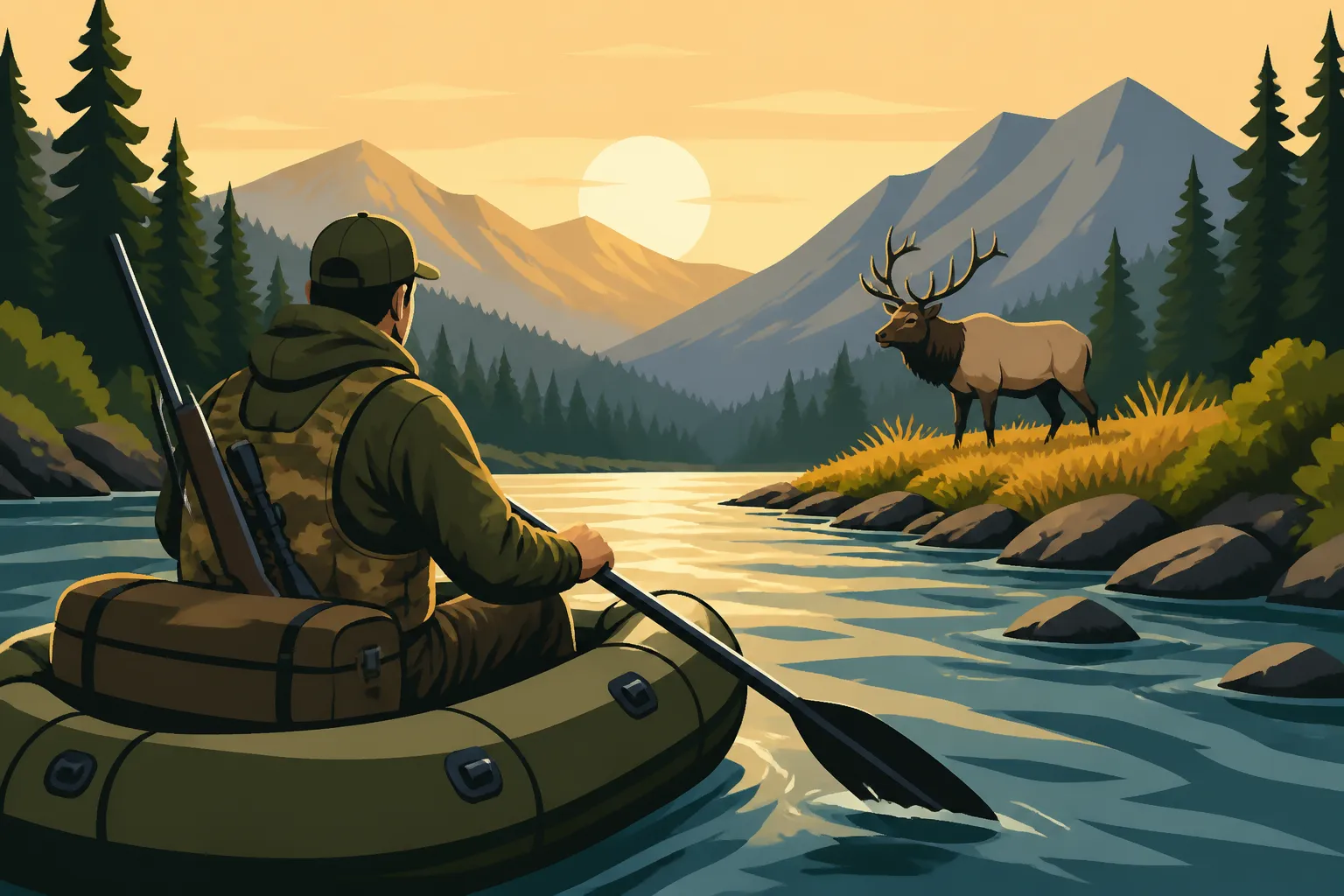
There's something profoundly magnetic about the idea of slipping down a wild river, leaving the modern world behind, and pushing into country that few ever see. Float hunting the Middle Fork isn't just a hunt; it's an expedition, a deep dive into self-reliance and raw nature. It's an opportunity to experience Idaho hunting in a way that truly embodies the spirit of the backcountry.
An Unparalleled Wilderness Experience
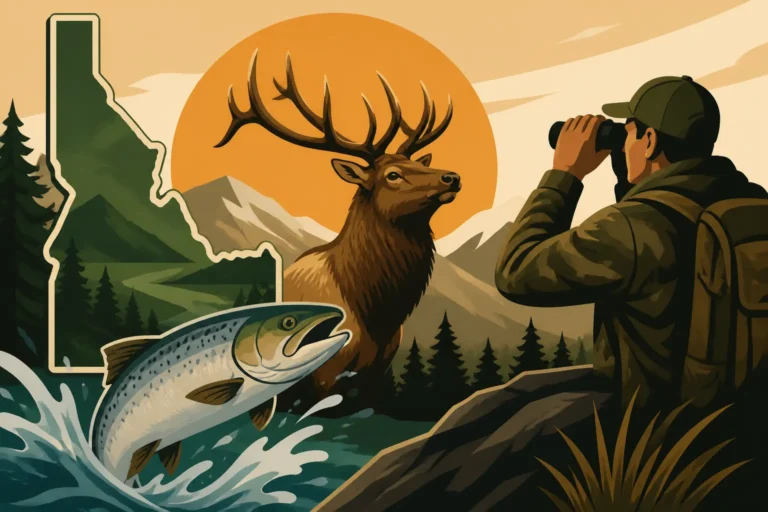
The Middle Fork of the Salmon River carves its way through the heart of the Frank Church River of No Return Wilderness. This isn't just "public land"; it's a designated wilderness area, meaning no motorized vehicles, no roads, and a strict limit on human impact. When you're floating this river, you're truly off the grid, surrounded by towering canyon walls, ancient forests, and a silence that is only broken by the roar of rapids or the distant bugle of an elk. This remoteness is the very essence of the draw, offering solitude and a profound connection to the wild that's increasingly rare in our busy world. You're entering an ecosystem largely untouched by modern development, where game animals live on their own terms, far from road hunters and easy access.
Unique Hunting Opportunities
This sheer remoteness directly translates into unique hunting opportunities. While big game exists throughout Idaho, the Middle Fork and its surrounding drainages hold populations of elk, mule deer, and black bear that often see less pressure simply because they are so hard to reach. Imagine glassing steep, timbered slopes from the river's edge, spotting a bull elk that has never heard a truck engine, or following fresh mule deer tracks up a tributary canyon. The hunting here is physical and demanding, often requiring you to climb hundreds or thousands of feet in elevation from the river bottom. But the reward can be substantial, allowing access to pockets of game that are inaccessible by any other means, making it a truly exceptional adventure. You're not just hunting an animal; you're hunting an entire experience. Idaho Moose Is a Controlled Hunt You Wait Years For could also be an option in nearby wilderness areas, although less common directly off the Middle Fork.
The Logistics and Challenges Are Real
Let's be honest, float hunting the Middle Fork isn't for the faint of heart, nor the unprepared. The challenges are as immense as the rewards. You're not just planning a hunt; you're planning a multi-day river expedition combined with a strenuous backcountry hunt. This means specialized equipment, intricate logistical planning, precise timing, and a deep understanding of both river navigation and hunting in steep, rugged terrain. Everything you need for several days or even weeks must fit into dry bags and on a raft, meticulously organized. Weather can change in an instant, turning a pleasant fall day into a cold, wet ordeal. And then there's the monumental task of retrieving game from the depths of a canyon and getting it back to your craft. These aren't just minor inconveniences; they are significant hurdles that demand respect and thorough preparation, especially if you plan to Packing an Elk Out of Steep Country Alone.
Planning Your Middle Fork Float Hunting Expedition
Successfully executing a float hunt on the Middle Fork is less about luck and more about meticulous planning. You can't just show up with a raft and a rifle; there's a serious amount of homework, physical conditioning, and gear acquisition that needs to happen long before you ever hit the water.
River Permits and Regulations: The Gatekeeper
The Middle Fork of the Salmon is a designated Wild and Scenic River, and as such, access is heavily regulated by the Forest Service. During the primary season (typically June through early September), all private floats require a permit obtained through a highly competitive lottery system. While hunting seasons often extend beyond this "controlled season," you still need to understand the permit requirements for your specific dates. It's vital to check with the local Forest Service office (Frank Church River of No Return Wilderness, Middle Fork Ranger District) well in advance to ensure you understand the permit system for hunting season floats. These permits dictate launch dates, group size, and specific regulations regarding human waste, campfires, and minimum impact practices. Missing this step means your hunt is dead in the water before it even begins.
Gear and Raft Setup: Your Floating Fortress
Your raft isn't just a vessel; it's your mobile base camp, your gear hauler, and your lifeline. A robust whitewater raft, typically 14-16 feet, with a sturdy frame, is essential. You'll need enough dry bags to protect everything from river water and rain – tents, sleeping bags, clothing, food, and especially your hunting gear and optics. Food storage is critical, often requiring bear-resistant containers, not just for bears but for opportunistic critters that might get into your supplies. Beyond the raft itself, consider a satellite communication device for emergencies (there's no cell service down there), a robust first-aid kit, and repair kits for your raft. For hunting, your rifle or bow needs to be securely stored but readily accessible, protected from moisture and impact. Don't forget high-quality binoculars and a spotting scope for Optics Power for Idaho's Long Canyon Sightlines to pick apart those distant slopes from the river.
Navigating the River: More Than Just Floating
The Middle Fork isn't a lazy river float. It's a challenging whitewater river with numerous rapids ranging from Class II to IV. This demands experienced rowers or paddlers who are proficient in reading water, maneuvering through technical sections, and managing the craft safely. A mistake in a rapid can mean capsizing, losing gear, or worse. Beyond the rapids, you'll need to know how to scout ahead, choose safe eddies for camping, and effectively set up a system for beaching and securing your boat each night. Understanding river flow, potential obstacles, and emergency procedures is paramount. If you're not an experienced whitewater enthusiast yourself, bringing someone who is, or hiring a professional outfitter, becomes a non-negotiable part of your planning.
Hunting Strategies from the River's Edge
Once you've mastered the art of floating, the real hunt begins. Hunting from a river float trip presents a distinct set of tactics and physical demands that differ significantly from traditional backcountry hunts or road hunting. It's about combining river travel with foot-based exploration into rugged canyons and timber.
Scouting from the Water
One of the unique advantages of a float hunt is the ability to scout vast stretches of inaccessible country from a moving platform. As you drift silently downstream, keep your eyes peeled for telltale signs of game. Look for game trails leading to and from the river, particularly in softer soils along benches or tributary mouths. Scan avalanche chutes, open south-facing slopes, and timbered draws for feeding animals in the mornings and evenings. Pay attention to rubs, wallows, and fresh tracks on the banks or gravel bars. Using your Binocular Size That Survives an All-Day Session and spotting scope constantly is key. Identify potential areas where you can pull over and launch a hike, looking for advantageous terrain features like saddles, ridges, or benches that might hold game. Your onX Hunt app or other mapping tools will be invaluable here, allowing you to mark promising spots as you go.
Shore Expeditions and Camp Life
The true hunting happens when you pull the raft ashore and strike out on foot. Most float hunts involve establishing main camps at strategic points along the river, and then conducting day hunts or even setting up lighter, more mobile spike camps a distance away from the river. This means being prepared for significant elevation gain and loss. The terrain directly off the Middle Fork is often brutally steep, so your physical conditioning needs to be top-notch. Pack light for these excursions, carrying only essentials like water, snacks, navigation tools, and your weapon. Remember that you're hunting in genuine wilderness, so quiet movement, wind awareness, and patience are crucial. Whether you're still hunting timber for bedded mule deer or calling in bugling elk, the principles remain the same, but the terrain amplifies the challenge. Reading Wind in Steep Timbered Country becomes incredibly important.
Game Retrieval Challenges
This is perhaps the biggest logistical hurdle of a Middle Fork float hunt: getting your harvested animal back to the raft. Unlike hunts where you might be relatively close to a trail or road, here you're often hundreds, if not thousands, of feet below or above your pickup point on the river. The terrain is broken, steep, and can be thick with brush or timber. You'll need a solid plan for quartering the animal quickly and efficiently, then packing meat and cape out in multiple trips. Game bags are a must, as are durable hunting packs designed to carry heavy loads over rough country. Consider the weight of your meat and the number of trips it might take. The goal is to get the meat cooled down and back to the raft as quickly and safely as possible. Think about the added challenge of navigating down a steep slope with a heavy pack and then across potentially rocky river banks to your craft.
The Outfitter Option: Guided Access to the Wilderness
For many, the idea of orchestrating a DIY Middle Fork float hunt is simply too daunting due to the complex logistics, specialized skills required, and the sheer cost of owning all the necessary gear. This is where a reputable outfitter becomes not just a convenience, but often a necessity, especially for nonresident hunters.
When a Guide Becomes Essential for Nonresidents
Idaho has specific regulations concerning nonresident hunters in designated wilderness areas. For certain species, like elk, bighorn sheep, and mountain goat, if you are a nonresident and plan to hunt within a designated wilderness area like the Frank Church, you are legally required to hire a licensed outfitter or be accompanied by an Idaho resident guide. This is a critical rule that many nonresidents overlook. Idaho Forces Nonresidents to Hire a Guide for Wilderness Elk explicitly covers this. While deer and bear hunts often escape Idaho's wilderness guide rule, if your primary target is elk, an outfitter is your path to legal access in these remote canyons. An outfitter also brings the expertise of river navigation, wilderness first aid, and decades of hunting knowledge in these specific units.
Vetting a Middle Fork Outfitter
Choosing the right outfitter is paramount to a successful and enjoyable experience. Don't just pick the first one you find. Start by verifying their credentials: ensure they are licensed by The Idaho Outfitters and Guides Licensing Board Explained and have the necessary Forest Service permits for the Middle Fork. Ask for references and actually call them. Inquire about their success rates, but also their client satisfaction and safety record. A good outfitter will be transparent about the physical demands of the hunt, the type of game you can expect, and what's included in their price. Ask specific questions about their rafts, their guides' experience on the Middle Fork, and their contingency plans for adverse weather or emergencies. You want to make sure their philosophy aligns with your expectations for a challenging wilderness hunt. Vetting an Idaho Outfitter Before You Send a Deposit is a must-read before committing.
The Costs and Benefits of a Guided Float Hunt
Hiring an outfitter for a Middle Fork float hunt is a significant financial investment, often ranging into the multi-thousands of dollars per person. What a Guided Idaho Elk Hunt Costs will give you a sense of the investment. However, you're paying for unparalleled expertise, all the specialized gear (rafts, camp equipment, food), professional guides who know the river and the hunting grounds intimately, and the peace of mind that comes with their logistical support and safety protocols. They handle the permits, the shuttle, the camp setup, the cooking, and most importantly, the complex task of packing out your game. For those without the time, resources, or specialized skills to go DIY, a guided trip offers an incredible opportunity to experience this unique wilderness hunt without the overwhelming burden of logistics. It allows you to focus solely on the hunting and the breathtaking experience.
Conclusion: An Idaho Adventure Like No Other
Float hunting the Middle Fork of the Salmon River stands as one of Idaho's most demanding yet rewarding hunting adventures. It strips away the conveniences of modern life and thrusts you into a truly wild landscape, challenging you physically and mentally. Whether you choose to embark on a meticulously planned DIY expedition or enlist the invaluable expertise of a seasoned outfitter, the experience of chasing big game down one of America's last wild rivers will forge memories that last a lifetime. It's a testament to the untamed spirit of Idaho and an unforgettable way to connect with its rich hunting heritage.
Disclaimer
This article is for general informational purposes only and does not constitute professional advice. Laws, prices and regulations vary by location and change over time. Consult a qualified professional for guidance on your specific situation.