Does Idaho Award Preference Points?
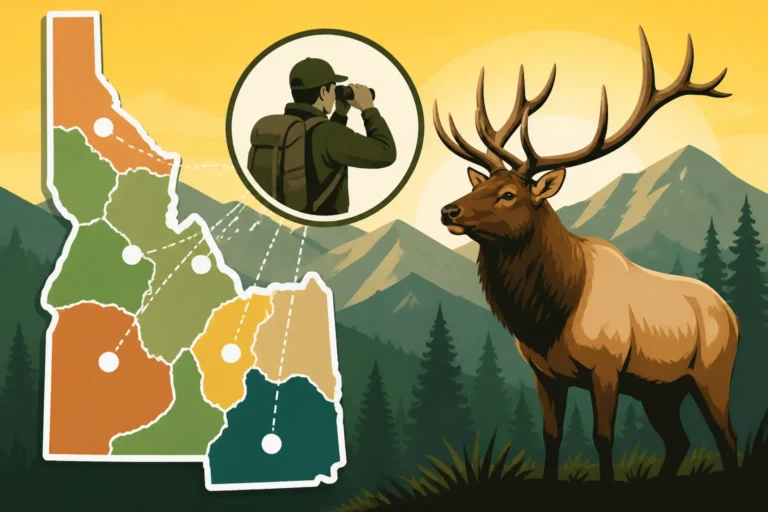
If you're anything like me, you've probably spent countless hours poring over hunting regulations, trying to figure out the best way to accumulate preference points for those coveted tags in other states. It's a system that can be incredibly frustrating, feeling like a perpetual race where the finish line keeps moving. That's why it's easy to assume every state works the same way. But here in Idaho, things are a little different, and it can throw even seasoned hunters for a loop. This guide is going to walk you through exactly how Idaho handles its tag allocation, clarifying once and for all whether preference points play a role and what that means for your hunting plans.
Understanding Idaho's Unique Drawing System
When you're dreaming of hunting in the Gem State, especially for big game like elk or mule deer, the first thing many hunters wonder about is the draw system. We're so conditioned by other western states to think in terms of preference points, bonus points, or loyalty points that the idea of a system without them can be genuinely confusing.
The Absence of Preference Points and Its Implications
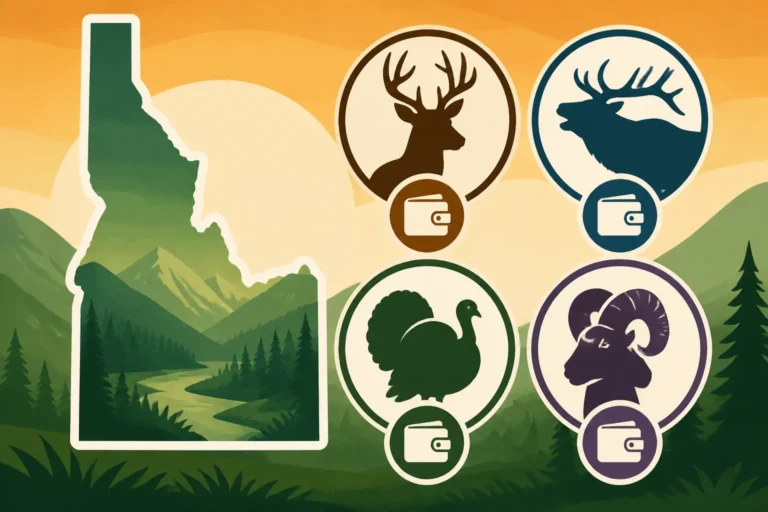
Let's cut right to the chase: Idaho does not award preference points. Not for deer, not for elk, not for antelope, and not for those once-in-a-lifetime tags like moose or bighorn sheep. If you've been meticulously tracking your points in Wyoming or Colorado, you'll need to reset your mindset entirely when it comes to Idaho. This can be a huge relief for some, and a source of perpetual angst for others. The implication? Every single year, every applicant starts on an equal footing for a given controlled hunt. There's no accumulating an advantage over time based on how many years you've applied and not drawn. This means that a first-time applicant truly has the same statistical chance of drawing a tag as someone who has been applying for twenty years straight. It eliminates the "point creep" that can make drawing a tag in other states feel like an impossible dream without a decade or more of investment.
For hunters who are used to the grind of building points, this can feel almost unfair or too random. You might think, "What's the point of applying every year if I'm not gaining anything?" But that's precisely the point: fairness. Idaho aims for a truly random allocation for its most sought-after hunts, offering a fresh slate annually. While this might eliminate the long-term strategy of point accumulation, it opens up a different kind of planning, one focused more on annual odds and diversified applications rather than a singular, multi-year pursuit.
A True Random Chance Each Application Period
Without preference points, Idaho's system relies heavily on pure chance, often referred to as a "random lottery" system. Every valid application received within the designated period for a particular controlled hunt carries the same weight. Imagine your application being tossed into a giant digital hat with everyone else's. The computer then randomly selects applications until all the available tags for that hunt are distributed.
This means that if you apply for a highly desirable elk tag in a capped zone, your chances are exactly the same as the person who drew it last year or the person who is applying for the very first time. There's no reward for past failures, nor any penalty. This "true random chance" system means you could draw a premier tag on your first try, or you could apply for ten years and never draw the same tag. It certainly makes for an exciting, if somewhat nerve-wracking, draw results day. For more on what the state uses instead of points, check out What Replaces Points in the Idaho Draw. This approach also means that resources like GoHunt's insider information are crucial, not for tracking points, but for analyzing historical draw odds and application pressure to make the most informed choices each season.
How Idaho's Draw System Actually Works
Given the absence of preference points, understanding the multi-stage draw process in Idaho becomes even more critical. It's not just a single application and done; there are several bites at the apple if you know when and how to apply.
The Initial Application Period
For nonresidents looking to hunt Idaho big game, the primary application period typically opens in December. This is your first and best chance to apply for a nonresident hunting license and then enter the draw for deer and elk tags. It’s a crucial window, as this is where the bulk of the nonresident tags are allocated. For a more precise schedule, refer to When Idaho Nonresident Applications Open in December. You’ll need to decide on your first and second choices for specific hunt numbers, and this is where careful research into past draw odds and success rates for different units comes into play. You’re essentially committing to a specific hunt for a specific species. Missing The Last Day to Apply for Idaho Nonresident Tags means you'll completely miss out on the initial draw for these highly sought-after tags. It's a one-shot deal for the main draw each year, and the tags are drawn in late January or early February.
The Second Drawing for Unclaimed Tags
What happens if someone draws a tag but doesn't purchase it by the deadline? Those tags don't just disappear. Idaho has a "second drawing" process to redistribute these unpurchased tags. This usually happens in August, and it’s a vital opportunity for hunters who might have missed the initial application period or were unsuccessful in the first draw. The application period for the second drawing typically opens in February, as detailed in Idaho's February Second Application Period. It’s another chance to get into the game, especially for less competitive units or species. The draw results for this second round are typically released in mid-August. While the number of tags available might be fewer for popular hunts, it's still a legitimate opportunity, and your odds might even improve if fewer people apply for the remaining tags. For specifics on the timeline, refer to Idaho's Second Drawing in Early August.
Leftover Tags and First-Come, First-Served Opportunities
After the second drawing, any remaining tags are then made available to hunters on a first-come, first-served basis. This is often where those who are flexible and quick on the draw (pun intended!) can pick up a tag. These leftover tags can range from specific controlled hunts that didn't fill to general season tags that might still be available. The sale of these tags typically happens a few days after the second drawing results are posted, and they sell out fast, especially for popular species. You'll need to be ready to act immediately when they go on sale. For more information on this final stage, check out Leftover Idaho Tags Sold First-Come After the Second Draw. This "over-the-counter" phase requires vigilance and quick decision-making, as prime tags can be gone in minutes. It's truly a race to the checkout, and having your GoOutdoorsIdaho account ready is key.
Strategies for Navigating Idaho's Pointless System
Without the comfort of accumulating points, planning an Idaho hunt requires a different kind of strategic thinking. It's less about long-term investment and more about smart, annual plays.
Researching Drawing Odds Without Points
Since there are no points to track, your research needs to shift to analyzing historical draw odds, harvest success rates, and applicant numbers for specific units and hunt codes. You're looking for patterns in demand and opportunity, not a steady increase in your chances. Resources like the Idaho Fish and Game's harvest reports and drawing statistics are invaluable. Many hunters use tools from companies like GoHunt, even without a point system, because these platforms compile historical data in an easy-to-digest format, allowing you to compare units and understand which hunts consistently have lower applicant pressure or higher success rates.
When looking at draw odds, pay close attention to the number of tags available versus the number of applicants. A hunt with 100 tags and 200 applicants offers a much better chance than a hunt with 10 tags and 500 applicants, even if the absolute percentage might seem small in both cases. Consider the resident vs. nonresident quotas, as these significantly impact your chances. Always check the prior year's data through resources like GoHunt, as application trends can shift, influencing the upcoming season's odds. Knowing these numbers is crucial for making an educated application. For details on where to find this information, refer to Checking Idaho Drawing Odds Before You Apply.
Playing the Odds: Applying for Different Units and Species
With everyone starting fresh each year, diversifying your applications can be a smart move. Instead of repeatedly applying for a single, highly popular bull elk tag and facing annual disappointment, consider applying for slightly less competitive units or different species. Perhaps a less-pressured mule deer hunt, or a general season elk tag that doesn't even require a draw.
Remember, Why First-Time Applicants Have Even Odds in Idaho applies to everyone. This encourages a "spread the risk" approach. You might have a dream hunt in mind, but having a backup plan or applying for a secondary species could ensure you get to hunt something. Sometimes, applying for a cow elk tag, for example, might have significantly better odds than a bull tag in the same unit, providing a great meat hunt opportunity. It's about balancing your desire for a "dream hunt" with the reality of drawing a tag, any tag, to get out in the field.
Considering General Season Tags vs. Controlled Hunts
Idaho offers both controlled hunts and general season opportunities. This distinction is critical when planning, especially without a point system.
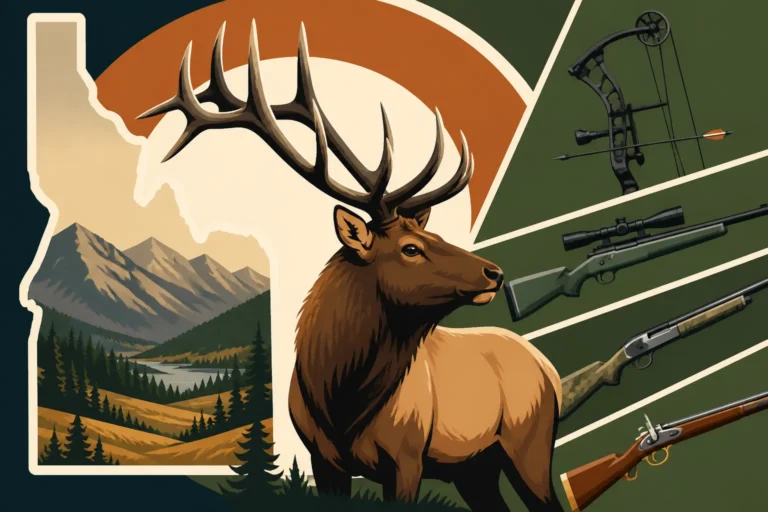
Controlled Hunts: These are the hunts that require you to enter a draw. They are typically for specific units, species, weapon types, and often have limited quotas. They can offer access to prime areas or times that see less pressure or boast higher success rates. If you're looking for a specific kind of hunt, perhaps an early archery season or a late-season rifle hunt in a particular zone, controlled hunts are usually your only option. However, as discussed, drawing one is entirely up to chance.
General Season Tags: Many areas in Idaho have general hunting seasons where you can simply purchase a tag over-the-counter (OTC) without going through a draw, assuming tags are still available. These are often valid across broader "elk zones" or "deer zones" and allow for more flexibility. While they might coincide with higher hunting pressure and sometimes lower success rates, they guarantee you a tag. For an archery hunter, for instance, a general season A Tag might be a perfect fit, offering widespread opportunity. Similarly, a B Tag might favor rifle hunters in different zones. Understanding the nuances of Idaho Elk Zones and the A Tag or B Tag Choice can guide your decision here. For a deeper dive, read about how A Tags Favor Archery and Muzzleloader Hunters and how B Tags Favor the Centerfire Rifle Crowd. Many hunters, frustrated by draws in other states, find the guaranteed access of an Idaho general tag to be a refreshing change, even if it means putting in more effort to find game away from the crowds.
The Benefits and Drawbacks of Idaho's System
Every system has its pros and cons, and Idaho's preference point-free approach is no exception. It creates a unique hunting landscape that appeals to some while frustrating others.
The Appeal of a Level Playing Field
One of the biggest upsides to Idaho's draw system is the true level playing field it creates. Imagine being a brand-new hunter, just getting into the sport, and having the same chance as someone who has been hunting for decades to draw a premier elk tag. This is incredibly appealing to many, as it removes the barrier of entry that point systems in other states can create. You don't need years of patience or accumulated fees to even dream of applying for the best hunts.
This system democratizes opportunity. It means that "beginner's luck" isn't just a myth; it's a genuine possibility. For hunters who are tired of the point creep and the ever-lengthening odds in states that use preference points, Idaho offers a refreshing change. It's an annual opportunity lottery where every applicant truly starts at square one. This can make Idaho an attractive option for hunters who want to try their hand at a top-tier hunt without the decade-long commitment often required elsewhere.
The Frustration of Perpetual Uncertainty
While the level playing field has its charms, the flip side is the perpetual uncertainty. Without preference points, you never feel like you're "getting closer" to drawing a highly sought-after tag. You could apply for that coveted moose hunt every year for twenty years and never draw, simply because the random number generator never picks your application. This can be incredibly frustrating for hunters who prefer a system where their commitment is rewarded over time.
Planning multi-year hunts or committing to specific units becomes challenging when you can't rely on points to eventually get you there. It's hard to justify scouting an area for years if you have no increased assurance of ever drawing a tag for it. For many, this uncertainty leads to annual disappointment, especially if they are consistently applying for the most competitive hunts. It requires a resilient mindset and an acceptance of the pure random nature of the draw.
How Idaho's System Compares to Other Western States
To truly appreciate Idaho's system, it helps to briefly compare it to how other western states handle their draws.
- Preference Point States (e.g., Colorado, Wyoming for some species): These states award a point for each year an applicant is unsuccessful in drawing a tag. The more points you have, the better your odds (or even a guaranteed tag in some cases) in future draws. This rewards loyalty and makes long-term planning more predictable, but it can create "point creep" where even maximum points don't guarantee a draw for the most popular hunts.
- Bonus Point States (e.g., Arizona, Nevada): These systems also award a point for unsuccessful applications, but typically, points give you additional "chances" in a random draw rather than directly increasing your draw order. For example, if you have 5 bonus points, your name might be entered into the draw 6 times (1 for the application, 5 for points). While not a preference system, it still rewards persistence.
- Weighted Point Systems (e.g., Montana for some species): These systems can be a hybrid, sometimes giving extra weight to certain applications based on historical success or points.
Idaho stands out because it doesn't use any of these mechanisms. It's a pure lottery. This means that while you can't build an advantage, you also don't face the crushing reality of knowing you need 20+ points for a certain tag. When using resources like GoHunt, for Idaho, you're not tracking points, but rather focusing purely on draw odds, application numbers, and historical success rates, which presents a different kind of challenge and opportunity.
| Feature | Idaho's Draw System | Typical Preference Point System |
|---|---|---|
| Point Accumulation | No points awarded | Points awarded for unsuccessful applications |
| Chance of Drawing | Pure random chance each year | Increases with accumulated points |
| Long-term Planning | Focus on annual odds, diversification | Predictable over time, but slow |
| First-time Applicant | Equal chance as seasoned applicants | Lower chance than high-point applicants |
| Frustration | Perpetual uncertainty | "Point creep" and long wait times |
| Goal | Maximum opportunity in a given year | Guaranteed tag eventually (for most hunts) |
Ultimately, Idaho's system requires a different mindset. It’s for the hunter who loves the thrill of pure chance, the possibility of an unexpected win, and the freedom from managing a complex point portfolio. It might not be for everyone, but it certainly offers a unique approach to drawing those coveted western tags.
Disclaimer
Please remember that hunting regulations, seasons, and draw processes can change. Always consult the most current Idaho Fish and Game regulations or visit their official website before making any hunting plans or applications. This guide is for informational purposes only and does not supersede official state regulations.