Which Elk Zone to Pick as a Nonresident
Deciding which Idaho elk zone to pick as a nonresident hunter can feel like trying to solve a complex puzzle with a blindfold on. With so many zones, tag types, and season structures, it's easy to get overwhelmed and worried about making the wrong choice, especially when you're investing significant time and money into a hunt of a lifetime. This comprehensive guide will walk you through the key considerations, helping you confidently navigate Idaho's elk zones and choose the best option for your hunting style and goals.
Understanding Idaho's Elk Zone System
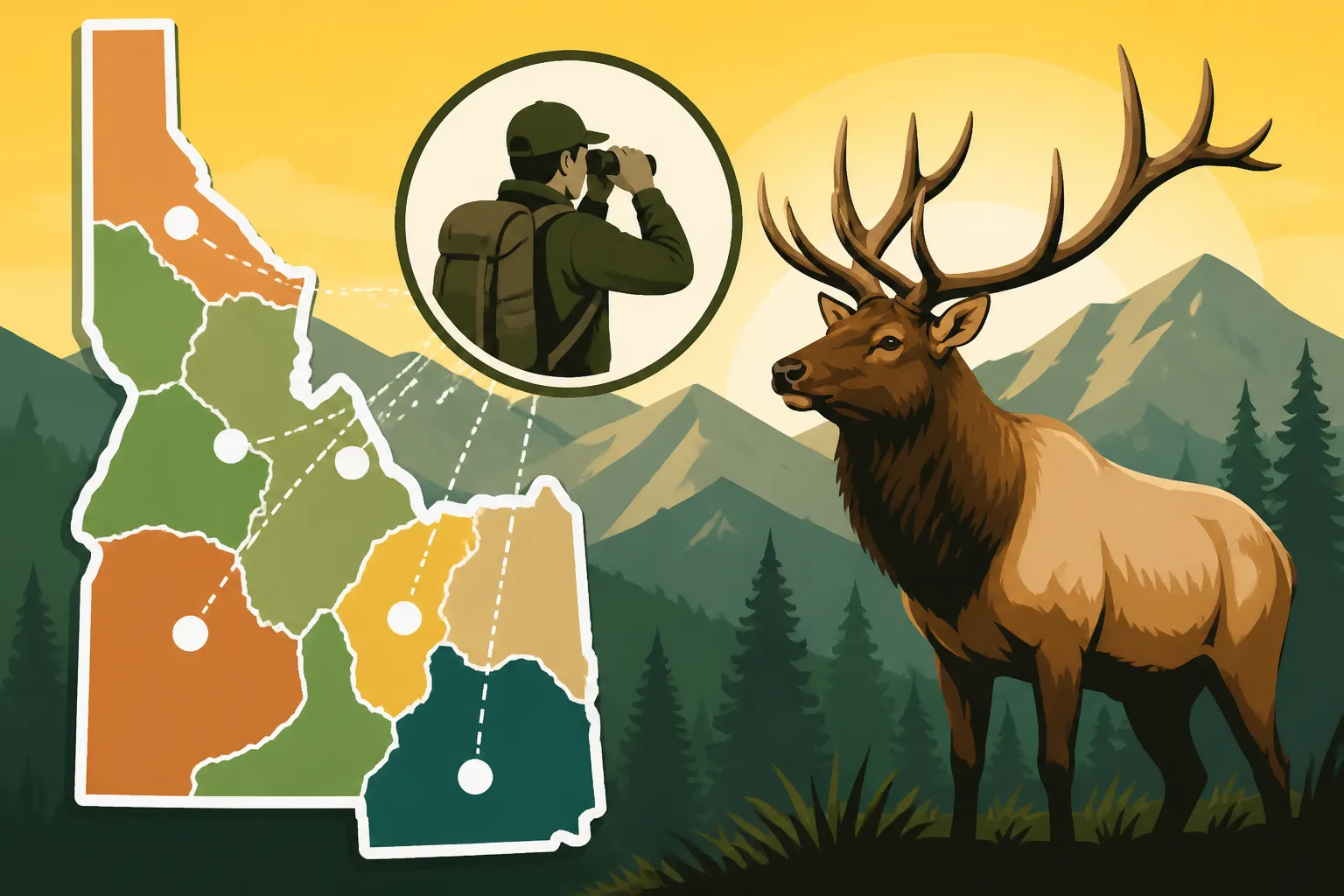
Idaho's elk hunting regulations are structured around a system of "elk zones," which are large geographical areas designed to manage elk populations and hunting pressure. These zones often encompass multiple smaller Game Management Units (GMUs), but it's the zone boundary that dictates the general season dates and tag type (A or B) you'll need. This can be a bit confusing at first glance because while you might research a specific GMU for terrain or herd numbers, your tag will be for the broader zone.
The state uses this zone system to balance opportunity with conservation, allowing for different management strategies in various parts of Idaho. Some zones might have abundant elk and longer seasons, while others are managed for quality or to address specific population objectives, leading to shorter or more restricted hunts. Understanding the overarching zone framework is your first critical step as a nonresident. You can get a good overview of this by exploring the Idaho Elk Zones and the A Tag or B Tag Choice.
What are Elk Zones and Why Do They Matter?
Elk zones are Idaho's primary tool for managing elk hunting seasons and populations across the state. Think of them as large, distinct regions, each with its own set of rules and opportunities for elk hunters. Unlike some states where you draw a tag for a specific unit, in Idaho, most general season elk tags are tied to a particular zone, even if you end up hunting in a specific GMU within that zone. This means your tag is valid across all GMUs within that chosen zone that are open for the specified season.
The importance of zones for nonresidents cannot be overstated. Each zone dictates its general season dates, permissible weapon types, and whether you'll need an "A Tag" or "B Tag." This overarching structure shapes the entire hunting experience within that area, from the timing of the rut to the amount of hunter pressure you might encounter. Ignoring the zone structure and focusing solely on GMUs can lead to a misinformed choice, potentially leaving you with a tag that doesn't align with your preferred hunting method or season timing.
For example, a zone might be renowned for its early archery opportunities, making it a prime candidate for an A Tag holder. Another zone might offer fantastic late-season rifle hunting, drawing B Tag applicants. These zones also vary wildly in terms of terrain, elk density, and public land access, all of which are crucial factors in your decision. Your choice of zone directly impacts your legal hunting window, what kind of weapon you can use, and even the type of elk you can pursue (e.g., spike-only, any bull).
General vs. Controlled Hunts
When you're looking at Idaho elk zones, you'll primarily encounter two types of hunting opportunities: general season hunts and controlled hunts. This distinction is paramount, especially for nonresidents, as it affects everything from tag availability to draw odds and season structure. Most nonresidents will focus on general season hunts due to the higher number of available tags, but it’s still important to understand the difference.
General season hunts are exactly what they sound like: they’re open to anyone who purchases the correct general hunting license and elk tag for a specific zone. These tags are usually sold over-the-counter or through a nonresident drawing process, and if you draw or purchase one, you can hunt within the designated zone during its specified general seasons. The key takeaway here is that general season tags are more widely available, making them a more realistic option for most nonresident hunters planning their first or second trip to Idaho.
Controlled hunts, on the other hand, are much more restrictive. These hunts are quota-based, meaning only a limited number of tags are issued through a highly competitive draw. Controlled hunts are often designed to manage specific elk populations, target trophy animals, or provide unique hunting experiences in areas with very limited access or sensitive wildlife populations. While the allure of a controlled hunt for a specific unit might be strong, the draw odds for nonresidents are typically very low, often in the single digits. This makes them a long shot for most, though some seasoned hunters will apply year after year for these coveted tags.
The A Tag vs. B Tag Decision for Nonresidents
One of the most defining aspects of Idaho's elk hunting system, and perhaps the most crucial decision for nonresidents, is choosing between an "A Tag" and a "B Tag." This choice fundamentally dictates when and with what weapon you can hunt. It's not just a matter of preference; it's a regulatory framework that shapes your entire hunt plan. Making the right A or B tag decision is probably the biggest piece of the puzzle when you're first looking at Idaho's elk opportunities, and you can learn a lot more by reading How to Pick Between an Idaho A Tag and a B Tag.
What an A Tag Means for Your Season
An A Tag is generally geared towards hunters who prefer archery or muzzleloader seasons. If you draw or purchase an A Tag for a particular elk zone, your primary hunting opportunities will typically fall into the earlier archery seasons, often starting in late August and running through much of September. Some zones with an A Tag might also offer short muzzleloader seasons, usually after the archery season, but before the main rifle seasons kick in. This means if you're dreaming of bugling bulls and crisp autumn mornings with your bow in hand, an A Tag is usually your ticket.
The implications for an A Tag holder are significant. You'll be hunting during a prime time for elk activity, often coinciding with the rut, which can offer exciting opportunities for calling and stalking. However, these hunts usually demand a higher level of skill and physical fitness, as you're getting closer to the animals, and the weather can still be quite warm. Additionally, many A Tag seasons come with "spike-only" or antler-point restrictions in certain units to protect younger bulls, so it's critical to know the specific regulations for the units within your chosen zone. Essentially, A Tags Favor Archery and Muzzleloader Hunters, giving them first crack at the early seasons.
It's also worth noting that if you buy an A Tag, you're generally locked into those earlier seasons. While some zones might have a small overlap with later general rifle seasons, the primary value and opportunity of an A Tag lie in its archery and early muzzleloader periods. This means less competition from rifle hunters during the early season, but you'll need to be proficient with your chosen weapon and prepared for the unique challenges of hunting elk during the rut and early fall.
What a B Tag Means for Your Season
Conversely, a B Tag is predominantly designed for rifle hunters, though it can also provide opportunities for archery and muzzleloader hunters in some zones, usually later in the season. If you get a B Tag, your primary hunting window will typically be during the general rifle seasons, which often begin in mid-October and can extend into November. This is the classic "orange army" season when the leaves are falling, the temperatures are colder, and the elk have often moved to their winter ranges.
The B Tag is often the choice for hunters who prefer the longer range and stopping power of a centerfire rifle. These seasons can be incredibly productive, especially as elk move and gather in larger herds. However, they also tend to coincide with higher hunter numbers and potentially more pressure on public lands. A B Tag also often aligns with later archery or muzzleloader seasons, meaning if you wanted to hunt with those weapons, you'd typically be doing so after the main rut and possibly competing with rifle hunters. In short, B Tags Favor the Centerfire Rifle Crowd.
For nonresidents, choosing a B Tag means planning for a later fall hunt, often when weather conditions can be more severe, including snow and ice at higher elevations. This can be a double-edged sword: difficult conditions can drive elk down to more accessible areas, but they also make travel and camping more challenging. The advantage is that many B Tag seasons allow for "any-bull" harvest, meaning fewer restrictions on antler points compared to some A Tag spike-only units. If your goal is a general season rifle hunt for an antlered bull, a B Tag in a good zone is usually your best bet.
How Weapon Choice Influences Tag Preference
The relationship between your preferred weapon and your A or B tag choice is direct and critical. Idaho uses these tag designations to spread out hunter pressure and provide different experiences for various weapon users. You really can't pick one without considering the other, as they are intrinsically linked by the regulations.
If you are an archer, especially one who wants to hunt during the prime bugling season, an A Tag is almost always the correct choice. These tags unlock the late August and September archery seasons where calling bulls is often most effective. Trying to archery hunt on a B Tag would typically mean hunting much later in the fall, often after the rut, which changes the dynamics of the hunt considerably. You'd likely be still-hunting or spot-and-stalking elk that are less vocal and more wary.
For muzzleloader hunters, it's a bit more nuanced. While A Tags often have specific muzzleloader seasons, some B Tags might also offer muzzleloader opportunities, sometimes even concurrent with rifle seasons. You'll need to scrutinize the specific zone regulations very carefully. However, if you're looking for a dedicated muzzleloader-only period with less pressure, an A Tag often provides those earlier, more exclusive windows.
If you plan to hunt with a centerfire rifle, the B Tag is overwhelmingly the way to go. These tags open up the main general rifle seasons in October and November. While it's technically possible to rifle hunt in some A Tag zones during very specific, often very short, late seasons, the primary and most robust rifle opportunities are found with a B Tag. This system essentially separates the primary archery/early muzzleloader crowd from the primary rifle crowd, giving each group a clearer path to their preferred hunting style.
Factors to Consider When Choosing an Elk Zone
Once you understand the A Tag vs. B Tag dynamic, the real work of choosing a specific elk zone begins. This is where you dig into the details and align the zone's offerings with your personal hunting style, physical capabilities, and expectations. It’s not just about finding elk; it’s about finding the right elk hunt for you.
Hunt Type: Archery, Muzzleloader, or Rifle
Your chosen weapon dictates whether you're looking for an A or B tag zone, but it also helps narrow down which specific zones will offer the best opportunities for that weapon. Not all A Tag zones are created equal for archery, and the same goes for B Tag zones and rifle hunting.
For archery hunters, consider zones known for their dense timber, broken country, or wilderness access, where getting within bow range is feasible. You'll want to research specific units within those zones for public land access and elk distribution during the early archery season. Some zones might have more open country where long-range archery shots are common, which might not be ideal for everyone. Look for zones that historically have good success rates for archers, indicating healthy elk populations and suitable terrain. Tools like GoHunt's mapping and data can be invaluable here for digging into harvest statistics specific to archery seasons.
Muzzleloader hunters have a unique challenge. While there are dedicated muzzleloader seasons, they are often shorter and more restricted. When researching zones, pay close attention to the specific dates and any weapon restrictions within the muzzleloader season. Some zones might allow modern inline muzzleloaders, while others require traditional open sights and exposed percussion caps. This can greatly affect your choice of zone. The key is to ensure the zone not only has a muzzleloader season but also one that fits your preferred style and equipment.
Rifle hunters, particularly those with a B Tag, have the widest array of general season options. When selecting a zone, consider the type of terrain you prefer to hunt. Do you want to hunt vast, open sagebrush country where long shots are common, or are you more inclined to still-hunt dark timber? Some zones are known for steep, rugged mountains that require significant physical exertion, while others have more accessible rolling hills. Also, research the average snowfall in the zone during the rifle season, as heavy snow can either push elk into lower, more accessible areas or make travel extremely difficult.
Desired Elk Quality and Success Rates
Every hunter dreams of a big bull, but realistic expectations are crucial, especially on a general season hunt as a nonresident. Idaho has excellent elk hunting, but trophy-class animals are often found in harder-to-access areas or through drawing a coveted controlled hunt tag. For a general season hunt, focus more on overall success rates and the opportunity to harvest any legal elk.
Use resources like the Idaho Fish and Game's harvest statistics, often available through their website or The Idaho Hunt Planner Is the Tool to Start With, to compare success rates across different zones for your chosen weapon type and tag (A or B). Be realistic about these numbers. A 10-15% general season success rate for elk is actually quite good and indicates solid opportunity. Don't be swayed by isolated reports of giant bulls; look at the broader trends for the zone. Third-party platforms like GoHunt also compile this data in user-friendly formats, making it easier to compare zones side-by-side based on harvest data.
Beyond raw success rates, consider herd distribution and density. Some zones might have fewer elk but larger average antler size, while others might be flush with elk but have many spike-only units. Understanding the Elk Herd Distribution by Zone can help you determine if a zone aligns with your definition of "quality." Remember that general season success rates include resident hunters who might have extensive local knowledge, so as a nonresident, you'll need to work even harder to find success.
Access and Terrain Considerations
Idaho is a state of vast and varied landscapes, from rugged mountains and dense forests to high desert sagebrush. The access and terrain of a given elk zone will profoundly impact your hunting experience and dictate the physical demands of your hunt. Don't underestimate this aspect; a beautiful but inaccessible area might not be the best choice if you're not prepared for it.
Many of Idaho's elk zones encompass significant portions of National Forests and BLM ground, providing ample public land hunting opportunities. However, within these public lands, access can vary from easily drivable roads to remote wilderness areas requiring horseback or backpacking. If you're planning a DIY hunt, you'll need to meticulously scout for access points. Online mapping tools with public/private land overlays (like those offered by GoHunt) are indispensable here. Look for zones with a high percentage of public land and verify road access via Motor Vehicle Use Maps (MVUMs) for National Forests. Be aware of Idaho's Motorized Hunting Rule Keeps You on the Road, which prohibits driving off established routes.
Terrain also plays a huge role. Are you comfortable hunting steep, timbered slopes, or do you prefer more rolling hills? Some zones contain designated wilderness areas, and nonresidents hunting certain species (like elk) in these areas are required to hire a licensed outfitter, as covered in Designated Wilderness Changes the Rules for Idaho Nonresidents. This is a significant cost and logistical consideration. If you're backpacking in, research water sources and potential camping spots. If you're using ATVs or UTVs, ensure the zone has legal trails and roads that allow their use. Understanding the physical demands of the terrain in your chosen zone is crucial for a safe and enjoyable hunt.
Hunter Pressure and Solitude
No one likes to hunt elbow-to-elbow, but finding solitude on a general season elk hunt can be challenging, especially during the opening weekend of rifle season. However, some zones and units within them experience significantly less pressure than others. This often correlates with difficulty of access.
Zones that are harder to reach, require significant packing in, or have less road access will generally see lower hunter numbers. While this demands more physical effort and preparation, it can lead to a more peaceful and potentially more successful hunt. Conversely, zones with extensive road networks, especially those close to population centers, tend to attract more hunters. If solitude is a high priority, you'll want to focus your research on those more remote zones, even if it means sacrificing some amenities or easier access.
To gauge hunter pressure, again, consult the Idaho Hunt Planner for information on hunter densities and historical harvest data for specific units. Zones with very high harvest numbers might indicate a high elk population, but also potentially high hunter numbers. Sometimes, focusing on units within a zone that have slightly lower success rates but significantly less access can be a strategic move to escape the crowds. Remember, elk also tend to move into thicker, more secure cover when pressure increases, so finding less-pressured areas can directly impact your ability to locate and stalk animals.
Navigating Capped Elk Zones
While most general season elk tags in Idaho are sold through a nonresident drawing or are available over-the-counter (though this has changed for some species in recent years), Idaho also has a unique category called "capped elk zones." These zones present a different set of challenges and opportunities for nonresidents and require special attention.
What Makes a Zone "Capped"?
Capped elk zones are specific general hunting zones where the total number of elk tags issued (combining resident and nonresident) is strictly limited to a predetermined quota. Unlike regular general zones where tag sales might continue until a season closes or a nonresident quota is met, capped zones have a hard limit on the total number of tags that can be sold for the entire season. These limits are set to manage elk populations more precisely, often in areas with sensitive habitat, specific management objectives, or higher quality elk populations that could be over-pressured without a cap.
For nonresidents, the implications are significant: these tags are highly sought after and can sell out extremely quickly. While Idaho used to have many general season tags available first-come, first-served for nonresidents, the trend is moving towards more drawing systems, and capped zones exemplify this limited availability. When you see that Capped Elk Zones Sell Out While General Tags Sit, it's a clear signal of their demand. If you're aiming for a capped zone, you need to be ready to apply or purchase immediately when tags become available, which often means being online the moment the sale opens.
The draw odds for nonresident capped zones can be tough, even if they aren't considered "controlled hunts" in the traditional sense. It's less about a true lottery and more about being fast enough to secure one of the few nonresident tags allocated to that capped zone. This requires careful planning, knowing the exact sale dates and times, and having your account and payment information ready to go. Missing the window by even a few minutes can mean missing out on a tag for the year.
The Draw Odds for Capped Zones
While not technically "controlled hunts," the effect of capped zones on nonresident tag availability is very similar to a draw, only with speed as the primary factor for over-the-counter sales that used to occur. Now, with the changes impacting nonresidents for 2026 and beyond, many of these tags will move into a full draw process. This means your chance of getting a tag in a capped zone often depends on luck in a drawing, or if any over-the-counter opportunities remain, how fast your fingers are on the keyboard.
Before applying or trying to purchase a tag for a capped zone, it is absolutely essential to check the drawing odds or historical sell-out times. The Idaho Fish and Game website and resources like GoHunt often provide historical data on how quickly capped tags sold out in previous years or the drawing odds for specific units if they are moving into a draw. If a capped zone had 100 nonresident tags and they sold out in 30 seconds last year, you know the competition is fierce.
Realistically, if you're a first-time nonresident hunter, a capped zone might be a challenging target. They often require more strategic planning, a willingness to play the odds, or exceptional quickness during an online sale. Many nonresidents find it more practical to focus on general zones that have a higher allocation of nonresident tags through the main drawing. However, if a particular capped zone offers an ideal hunting scenario for you, and you're prepared for the challenge of securing a tag, it can absolutely be worth the effort. Just go in with your eyes wide open about the difficulty.
Utilizing Resources for Research
Navigating Idaho's elk hunting regulations and choosing the right zone as a nonresident can be daunting. Thankfully, there are powerful tools and resources available that can demystify the process and help you make an informed decision. Ignoring these resources is like trying to find your way through a new town without a map – you might get there, but it’ll be a lot harder!
The Idaho Hunt Planner
The Idaho Fish and Game (IDFG) website hosts an invaluable tool called the Idaho Hunt Planner. This is a comprehensive, interactive resource that should be your first stop for any serious research into Idaho hunting. It’s designed to provide hunters with nearly all the information they need to plan a hunt, from general season dates to harvest statistics and public land access.
Within the Hunt Planner, you can explore specific elk zones and individual Game Management Units (GMUs). It allows you to filter by species, weapon type, and season dates, providing a clear picture of what opportunities exist where. For nonresidents, it's particularly useful for looking up Checking Idaho Drawing Odds Before You Apply for controlled hunts or understanding the general season frameworks for A and B tags. You can see historical harvest success rates for general seasons, broken down by weapon type, which is critical for setting realistic expectations and identifying productive areas.
Beyond just regulations, the Hunt Planner also offers mapping layers that can show public land boundaries, roads, and even winter range closures. This geospatial information is vital for understanding access and terrain, helping you scout potential hunting spots from home. While it takes a little time to learn its interface, the wealth of data contained within the Idaho Hunt Planner is unmatched and will empower you to make data-driven decisions about which elk zone is right for your nonresident adventure.
Third-Party Scouting Tools
While the Idaho Hunt Planner is fantastic for official data, third-party scouting tools can take your research to the next level by integrating various data points into a user-friendly, interactive mapping platform. These tools combine topographical maps, satellite imagery, public/private land boundaries, and often proprietary data overlays that simplify pre-hunt scouting.
Companies like GoHunt offer advanced mapping applications that are invaluable for nonresidents. With GoHunt, you can overlay public and private land boundaries, identify potential elk habitat based on terrain features, access water sources, and pinpoint potential bedding or feeding areas. Many of these platforms also integrate weather patterns, historical fire data, and other environmental factors that can influence elk movements. This kind of detailed visual information allows you to "e-scout" an entire zone, identifying potential access points, glassing knobs, and areas of dense cover where elk might seek refuge from pressure.
Furthermore, some of these tools, including GoHunt, provide state-specific draw odds and harvest statistics in a more digestible format, helping you compare zones based on opportunity and success. They can help you identify areas with less road access that might hold fewer hunters, or show you legal camping spots on public land. Investing in a good third-party scouting tool can save you countless hours of in-field scouting and greatly increase your chances of finding elk, especially when you're unfamiliar with the vastness of Idaho's landscape.
Connecting with Local Knowledge
While maps and data are powerful, there's no substitute for local knowledge when planning a hunt in an unfamiliar state. Connecting with people who know the area can provide insights that no app or government website can offer. This can be one of the most challenging aspects for a nonresident, but it's often the most rewarding.
Start by engaging with online hunting forums or social media groups dedicated to Idaho hunting. While you might not get specific "honey hole" locations, you can glean general information about certain zones, typical elk behavior in those areas, and common challenges. Ask about access points, typical hunter pressure, and general terrain characteristics. Pay attention to consistent advice or warnings about particular zones.
Another great way to tap into local knowledge is by reaching out to Idaho Fish and Game biologists or conservation officers. They are a wealth of information regarding herd health, population trends, and specific concerns in various zones. You might also consider visiting local sporting goods stores, especially in smaller towns near your target zone. The staff and customers there are often passionate hunters who can offer invaluable, current insights into conditions, elk movements, and pressure. Remember to be respectful and appreciative of their time and knowledge; asking for general advice rather than precise coordinates will usually get you a more helpful response.
Tag Comparison Table
To summarize the key differences for nonresidents choosing between A and B tags, here's a quick comparison:
| Feature | A Tag (Primary Focus) | B Tag (Primary Focus) |
|---|---|---|
| Primary Weapon | Archery, Muzzleloader | Centerfire Rifle |
| Season Timing | Late August – September (Rut) | Mid-October – November (Post-Rut) |
| Hunter Pressure | Generally lower during early archery | Often higher, especially opening weeks |
| Elk Activity | Bugling, more vocal, active rut | Less vocal, often in larger herds |
| Physical Demands | High (stalking close, warm weather) | High (potentially harsh weather, tracking) |
| Antler Restrictions | More common (spike-only, etc.) | Often any-bull, but check regulations |
| Best For | Rut archers, early muzzleloaders | General season rifle hunters |
Disclaimer
Please remember that hunting regulations can change frequently. Always consult the official Idaho Fish and Game regulations specific to the current year before planning and executing any hunt. This guide is for informational purposes only and does not constitute legal advice or supersede official state regulations.