Bull Against Cow Elk Opportunity in Idaho
For many hunters, the dream of an Idaho elk hunt conjures images of massive bulls bugling in crisp mountain air. But the reality on the ground often presents a far more complex picture when it comes to opportunity, especially when you start looking beyond just bulls and considering cow elk. Navigating Idaho's regulations to understand the differences in pursuing a bull versus a cow can be a real head-scratcher, leaving many feeling overwhelmed before they even apply for a tag. This guide will meticulously break down the differences in opportunity, licensing, and strategy for pursuing bull and cow elk in Idaho, helping you make informed decisions for your next hunt.
Understanding Idaho's Elk Management Philosophy
Idaho's approach to elk management is a sophisticated balancing act, designed to maintain healthy populations while providing hunting opportunities for a diverse range of hunters. It’s not just about letting hunters chase any elk they see; it’s about strategic management across different zones and units, which directly impacts whether you’re looking at a bull or a cow tag.
The Role of General Seasons in Elk Management
General seasons are often the most accessible entry point for elk hunters in Idaho, but they come with specific nuances for bulls and cows. These seasons are designed to offer widespread opportunity, primarily for antlered animals, in areas where elk populations can sustain consistent harvest pressure. You'll find many general season hunts focus on "any bull" or "spike-only" regulations, aimed at harvesting a portion of the male population without significantly impacting breeding success. These seasons are a cornerstone of how Idaho Fish and Game manages broad elk populations.
Idaho also uses general seasons to manage specific cow populations, though these opportunities are far less common and more geographically restricted. When a general cow season opens, it's usually in response to localized overpopulation, depredation issues, or specific herd health goals where reducing cow numbers is beneficial. These are highly sought after by hunters looking to fill their freezer with quality meat and who may not be focused on a trophy bull. It’s crucial to study the regulations carefully, as these general cow opportunities can be short-lived and tied to very specific Game Management Units.
Controlled Hunts as a Precision Tool
Beyond general seasons, Idaho heavily relies on controlled hunts as a precision management tool. These hunts allow the Idaho Fish and Game to exert fine-tuned control over harvest levels for both bull and cow elk in specific units or zones. For bulls, controlled hunts often target mature animals in areas where general pressure is too high or where management aims to produce older age-class bulls. The draw odds for these premier bull tags can be notoriously low, reflecting the quality of the hunting experience they offer.
Controlled hunts are also the primary mechanism for managing cow elk populations in many areas. If a specific unit has too many elk, causing habitat degradation or agricultural damage, a controlled cow hunt will likely be implemented. These tags are generally easier to draw than top-tier bull tags and are incredibly valuable for hunters focused on acquiring meat. Understanding the intent behind a controlled hunt—whether it's for trophy management or herd reduction—is key to setting your expectations and applying strategically.
Population Dynamics and Harvest Objectives
Idaho Fish and Game bases its season structures and tag allocations on robust population dynamics research and specific harvest objectives for each elk zone and unit. They constantly monitor herd health, calf recruitment, habitat conditions, and hunter success rates. This data directly dictates whether opportunities expand or contract for bulls versus cows. For example, if calf recruitment is low in a particular zone, cow tags might be severely limited or eliminated to help the herd recover, while bull tags might remain stable or even increase if the bull-to-cow ratio is healthy.
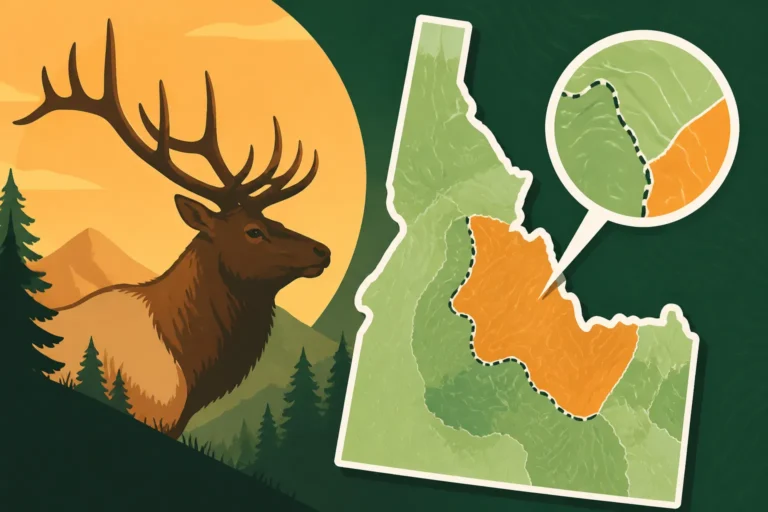
Conversely, in areas where elk populations are robust and exceeding habitat capacity, or causing conflict with private landowners, you'll see a greater emphasis on cow harvest opportunities through controlled hunts. This dynamic approach ensures that elk populations remain sustainable and healthy across the state's diverse landscapes. For instance, the specific characteristics of Elk Herd Distribution by Zone directly inform these management decisions, highlighting why understanding the local dynamics is so important.
General Season Opportunities for Bulls and Cows
Idaho offers varied opportunities during general seasons, allowing hunters to pursue elk with different weapons and during different timeframes. However, the distinction between bull and cow opportunities in these seasons is stark and crucial for any hunter planning their trip.
General Any-Weapon Bull Elk Seasons
Idaho's general any-weapon bull elk seasons are a rite of passage for many hunters, often taking place in October. These hunts typically allow hunters to pursue "any bull" in designated general zones, meaning an antlered elk of any size. The beauty of these seasons is their relative accessibility and the flexibility they offer in weapon choice. However, this popularity also brings significant hunting pressure, especially on public lands close to road systems. Success often hinges on getting far away from the crowds, navigating challenging terrain, and being persistent.
Many hunters will meticulously scout areas for these seasons, looking for pockets of less-pressured elk. This might involve extensive hiking into roadless areas, utilizing horseback, or even packing into remote backcountry camps. The quality of bulls taken in general seasons can vary widely, from spikes to impressive mature animals, largely depending on hunter effort, terrain, and the specific unit being hunted. It’s an exciting but challenging pursuit, requiring dedication and physical conditioning.
General Archery and Muzzleloader Bull Opportunities
For those who prefer a more specialized challenge, Idaho offers general archery and muzzleloader bull seasons, often running earlier than the general any-weapon hunts, typically in September. These earlier seasons can provide a unique advantage: less hunting pressure and the chance to hunt during the elk rut, when bulls are more vocal and responsive to calling. Archery seasons, in particular, often coincide with the peak of the rut, offering thrilling close-range encounters. However, they demand a higher level of skill, patience, and physical proximity to the animal.
Muzzleloader seasons, while also offering early access, come with their own set of unique rules and limitations, such as Why Idaho Muzzleloader-Only Hunts Ban Scopes and Inline Ignition. Both archery and muzzleloader hunting require specific gear and a commitment to mastering your chosen weapon. While success rates can be lower due to the increased challenge, the satisfaction of harvesting an elk with traditional methods or during the rut is unparalleled. These seasons often provide a different quality of experience compared to the later rifle hunts, even if the "any bull" designation remains the same.
Limited General Cow Elk Seasons
General cow elk seasons are a rare and coveted commodity in Idaho. Unlike the more widespread bull opportunities, general cow tags are typically limited to very specific zones and short windows, and they often sell out quickly. These seasons are usually implemented to reduce elk populations in areas experiencing overgrazing, disease concerns, or depredation on private agricultural lands. They represent a prime opportunity for meat hunters who prioritize filling the freezer over antler size.
The catch is that these opportunities are highly localized and demand very careful attention to the Idaho Fish and Game regulations. You’ll need to watch the season announcements like a hawk, as these tags can appear and disappear quickly. While the draw odds for these might sometimes be better than for premier bull tags, the narrow geographic scope and limited availability mean competition is still intense. Hunters often use resources like GoHunt to track these limited opportunities and purchase them the moment they become available.
Controlled Hunts: The Path to Specific Elk Tags
When general seasons don't offer the specific type of elk hunt you're looking for, Idaho's controlled hunt system often provides the answer. This is where the state allocates tags for specific units, weapon types, and often, specific sexes of elk, allowing for much finer control over harvest.
Applying for Controlled Bull Elk Tags
Applying for controlled bull elk tags is how many hunters pursue the dream of a true Idaho trophy or a hunt in a less-pressured, high-quality unit. These hunts are designed to distribute harvest pressure, provide quality experiences, and manage for older age-class bulls in certain areas. The application process typically involves a lottery draw, and Idaho famously operates with Idaho Has No Preference Points, and What That Changes. This means every applicant, regardless of past success or failure, has essentially equal odds in the draw each year, which can be both frustrating and exhilarating.
To apply, you first need to purchase an Idaho hunting license. Then, you submit an application for your desired controlled hunt code during the designated application period, usually in April and May. Research is paramount: understanding unit boundaries, historical success rates, and bull-to-cow ratios is critical. Many hunters utilize tools like The Idaho Hunt Planner Is the Tool to Start With and external platforms like GoHunt for in-depth analysis of units and draw odds before committing their application. While draw odds for prime bull tags can be very low, the reward of drawing one is an incredible opportunity.
Dedicated Controlled Cow Elk Hunts
For hunters focused purely on securing elk meat, dedicated controlled cow elk hunts are often the best and most reliable avenue. These hunts are a primary tool for the Idaho Fish and Game to manage overall elk populations, particularly in areas where herds are at or above objective levels. By issuing cow tags, they can address overpopulation, mitigate habitat damage, and reduce agricultural conflicts. The draw odds for these tags can often be significantly better than for bull tags, especially in units with high elk numbers and a management need for reduction.
These hunts are invaluable for local residents and non-residents alike who want to fill their freezers. They often take place in areas with good access, though sometimes they might be in more challenging terrain depending on where the elk need to be managed. The hunting experience itself often involves locating herds of cows and calves, which can be a different dynamic than chasing a solitary bull. It’s a pragmatic approach to elk hunting that contributes directly to wildlife management goals.
Understanding Drawing Odds and Strategy
Success in Idaho's controlled hunt draw requires a deep understanding of drawing odds and a strategic approach to your applications. Since there are no preference points, every year is a fresh slate. This means you need to thoroughly research each unit and hunt code you're considering. Factors like past draw odds, harvest success rates, public land percentages, and the type of terrain all play a role in making an informed decision. Some hunters will apply for the absolute top-tier bull tags year after year, knowing the odds are long, but the reward is immense.
Others adopt a strategy of applying for "second-choice" or "third-choice" units that might have slightly better odds, or they prioritize cow tags knowing their chances of drawing are higher. Tools like GoHunt can provide detailed historical draw data, helping you gauge your chances. Remember, applying for any controlled hunt in Idaho means you’re committed to that specific hunt if drawn, so always check the dates, weapon restrictions, and unit boundaries carefully. Checking Idaho Drawing Odds Before You Apply is a must for any serious applicant.
Strategic Considerations for Bull vs. Cow Pursuits
While all elk hunting in Idaho demands respect for the animal and the landscape, the specific pursuit of a bull versus a cow can influence your preparation, scouting, and in-field tactics. These subtle differences can make a big impact on your success.
Gear and Preparation Differences
The primary goal of your hunt—whether a trophy bull or a freezer-filling cow—can subtly shift your gear choices and physical preparation. While robust hunting gear is essential for any Idaho elk hunt, a dedicated trophy bull pursuit might see hunters investing in higher-end optics, like powerful spotting scopes and tripods, for extensive glassing of distant ridges. The emphasis might also be on lightweight, packable gear to facilitate deep backcountry excursions in search of undisturbed mature bulls. For example, knowing How Close a Bowhunter Needs to Get on Elk for a bull often dictates the bow and arrow setup.
Conversely, a cow hunt, while still demanding, might focus more on efficient meat packing systems and gear suitable for navigating areas where larger herds congregate. Physical conditioning is paramount for both, but the nature of the exertion might differ: extended, stealthy stalks for bulls versus potentially covering more ground to locate larger cow herds. Regardless of target, preparing for Idaho's rugged, often steep, and unforgiving terrain is non-negotiable.
Locating and Patterning Elk
Locating and patterning elk for a bull hunt often centers around understanding the rut, bull movements, and their tendency to be more solitary or in smaller bachelor groups outside the breeding season. During the September rut, knowing how to use locator bugles and cow calls can be incredibly effective, as bulls become less cautious. Hunters might focus on Bugling Elk in Idaho's Timbered Zones or targeting traditional rutting grounds. Outside the rut, bulls might be found in denser timber, higher elevation basins, or remote pockets of feed and cover, often moving less predictably.
For cow elk, the strategy typically shifts to locating larger herds. Cows and calves are often found together, moving between feeding grounds and bedding areas as a cohesive unit. During late season cow hunts, finding these herds often means locating specific winter range areas or agricultural interfaces where they seek forage. The challenge here is often identifying the main herd and executing a successful stalk on multiple animals without spooking the entire group. Patience and a keen eye for subtle sign are key to both types of pursuits.
Access and Hunting Pressure
The choice between hunting bulls or cows also impacts where you'll encounter hunting pressure and how you plan your access. General season bull hunts, especially during rifle season, can see heavy pressure in easily accessible areas. Hunters often have to work harder, hike further, or use pack animals to get into less-pressured terrain. Understanding Idaho's Motorized Hunting Rule Keeps You on the Road is vital here, as driving off established roads is prohibited and can funnel hunters into specific access points.
Controlled hunt units, particularly those with limited tags, can sometimes offer a less pressured experience due to fewer hunters in the field. However, even these units can be challenging depending on the terrain and the popularity of the specific hunt. For cow hunts, while the draw odds might be better, the actual hunting pressure can still be significant if the unit is well-known for its success rates or offers easy access to elk. Strategic planning around seasonal road closures, private land boundaries, and topographic features can help you find those quieter pockets, regardless of whether you're chasing a bull or a cow.
Ethical and Practical Aspects of Elk Harvest
Once you've successfully harvested an elk in Idaho, whether a bull or a cow, a new set of ethical and practical responsibilities comes into play. These ensure proper meat care, legal compliance, and contribute to the overall management of the state's elk herds.
Field Dressing and Meat Care
Harvesting an animal as large as an elk, be it a bull or a cow, immediately initiates the critical process of field dressing and meat care. The sheer size of an elk means getting the animal cooled down quickly is paramount to prevent spoilage, especially if temperatures are mild. This typically involves prompt gutting, skinning, and quartering the animal. Hunters often bring game bags to protect the meat from dirt, flies, and debris.
For many, this is the most physically demanding part of the hunt, often requiring multiple trips to pack out the meat, hide, and antlers. Proper ventilation of the meat is crucial, so hanging quarters or laying them out in the shade and allowing air circulation is vital. The goal is to get the meat cooled as rapidly as possible, mimicking refrigeration, until it can be transported to a processor or your home. Understanding Field Dressing and Carcass Transport Rules Explained is essential for compliance and ensuring quality.
Carcass ID and Evidence of Sex Requirements
Idaho Fish and Game has specific regulations regarding carcass identification and the retention of evidence of sex, which can differ slightly for bulls and cows. For bull elk, the antlers often serve as clear evidence of sex. However, regulations typically require hunters to keep a portion of the head or specific internal organs attached to the carcass or a portion of the carcass during transport, ensuring that the harvested animal can be identified as a legally taken bull.
For cow elk, where antlers aren't present, the rules usually specify that the udder or specific internal organs must remain naturally attached to a portion of the carcass during transport. This is to verify that the animal harvested was indeed a cow and not, for example, a spike bull with small or no visible antlers. Always consult the current Idaho hunting regulations to ensure you are fully compliant with these critical identification rules to avoid any legal issues.
Mandatory Reporting and Harvest Data
Idaho, like many states, requires hunters to report their elk harvest. This isn't just a bureaucratic hurdle; it's a vital part of wildlife management. The data collected from mandatory harvest reports, whether for a bull or a cow, provides Idaho Fish and Game with crucial information about hunter success rates, harvest locations, and the overall health and distribution of elk populations. This information directly influences future tag allocations, season dates, and management strategies.
Failing to report your harvest can result in penalties and compromises the integrity of the data used to manage the very resource you enjoy. The process is usually straightforward, often completed online or via a phone call, and needs to be done within a specific timeframe after your harvest. This shared responsibility ensures that Idaho's elk herds continue to thrive and provide sustainable hunting opportunities for generations to come. It’s a small, but incredibly important, step after a successful hunt.
| Category | Bull Elk Opportunity | Cow Elk Opportunity |
|---|---|---|
| General Seasons | Often "any bull" in specific zones; more widespread | Very limited, specific zones/seasons; highly competitive |
| Controlled Hunts | High demand, often for quality or specific units | More common for herd management; can have better odds |
| Draw Odds | Generally lower for prime tags, high competition | Can be better for meat tags, but still localized |
| Strategy | Often seeking trophy, focused on rutting behavior | Meat hunting, locating larger herds, population control |
| Physical Demands | High, especially for backcountry or trophy pursuit | Still high, but focus on efficient meat recovery |
| Primary Motivation | Antler size, challenge, specific experience | Filling the freezer, contributing to herd management |
Disclaimer
Please remember that hunting regulations can change frequently. While this guide provides comprehensive information, it is absolutely essential to consult the official Idaho Fish and Game regulations for the current year before planning and undertaking any hunting activity. Always confirm season dates, legal weapons, tag requirements, and unit boundaries.