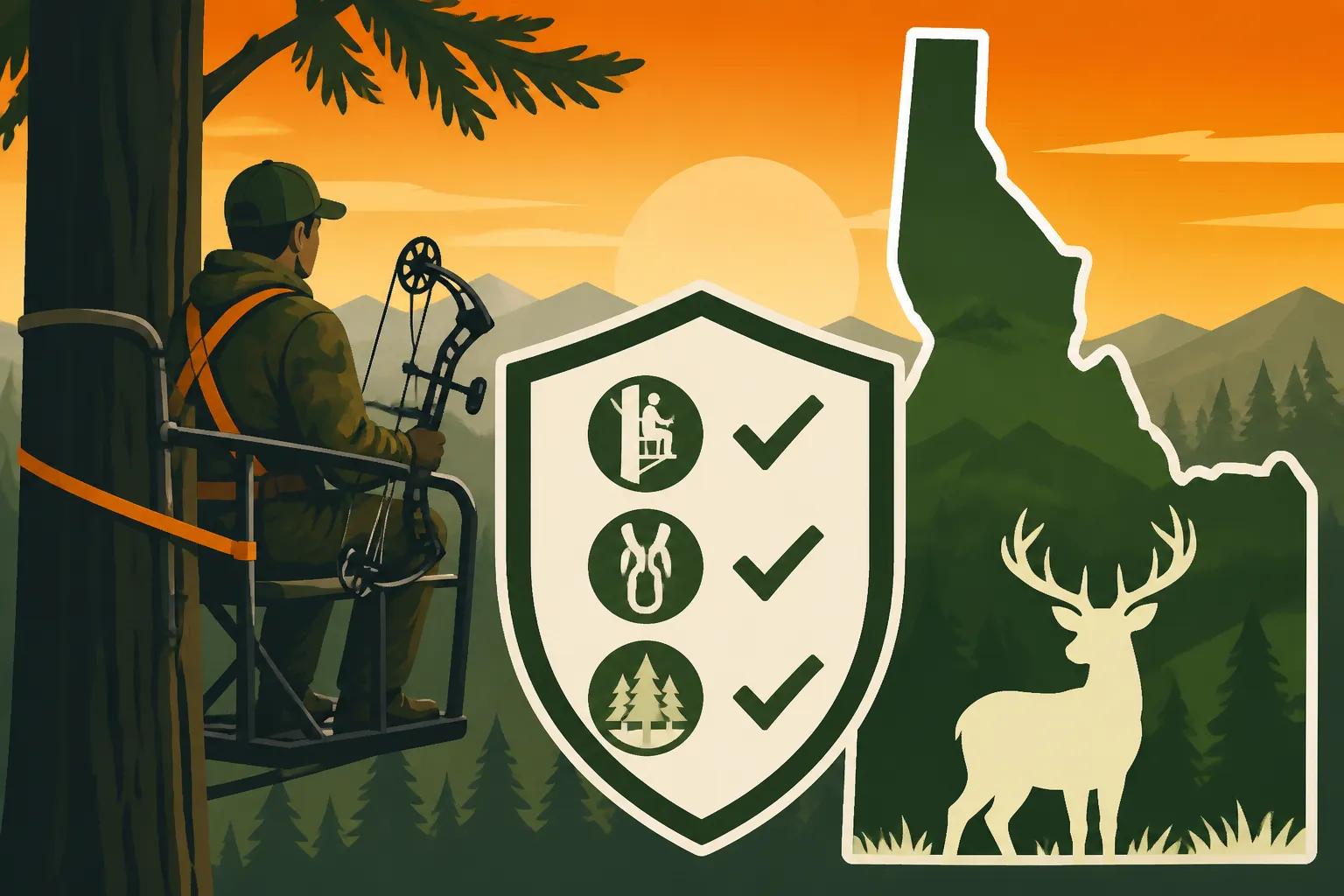
Tree Stand Rules That Apply on Public Land
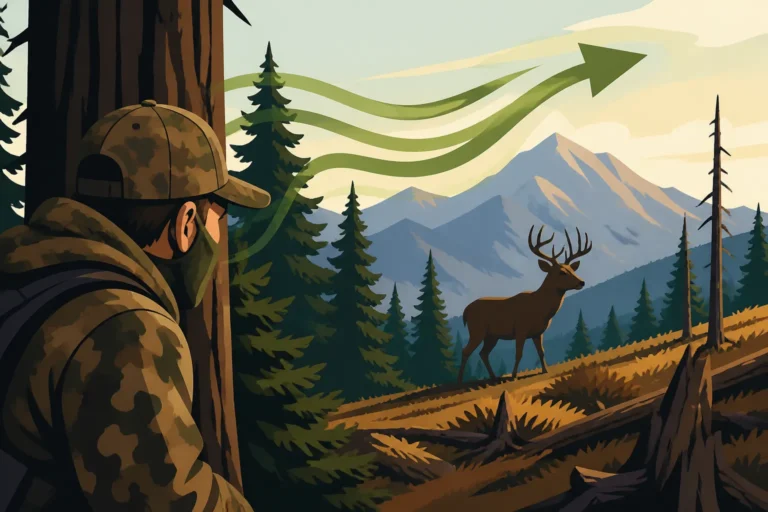
It’s a tale as old as time for public land hunters: you finally find that perfect pinch point, that secluded bench where the elk always seem to filter through, or that dense timber edge a big buck uses as a travel corridor. Naturally, your mind jumps to setting up a tree stand or a ground blind. But then the nagging doubt creeps in: what exactly are the rules about leaving your stand out there? Can you even put one up on public land in Idaho, or will it be gone the next time you hike in? This guide is going to walk you through Idaho's specific regulations and best practices for using tree stands and ground blinds on public land, so you can hunt confidently and ethically, knowing you’re doing it right.
The Foundation: Understanding Idaho’s Public Land Ethic
When you're out in Idaho's vast public lands—whether it's national forest, BLM ground, or state land—you're operating under a general "leave no trace" philosophy. This isn't just a feel-good mantra; it's often the underlying principle behind many specific regulations, especially concerning structures you might leave behind. The idea is to preserve the wild character of these places for everyone, ensuring that your presence doesn't permanently alter the landscape or interfere with other users.
The "Leave No Trace" Principle in Hunting
For hunters, "Leave No Trace" means minimizing your impact as much as possible. This applies to everything from how you pack out your game to how you manage your camp. When it comes to tree stands and ground blinds, the core concern is about permanent alterations and abandoned property. A perfectly placed, screw-in tree step might seem minor to you, but if thousands of hunters did it, the trees would eventually be riddled with holes, weakening them and creating an eyesore. Similarly, a stand left indefinitely can become a hazard, a piece of trash, and a symbol of neglect.
This principle is why you'll find strict guidelines differentiating between portable, temporary equipment and permanent fixtures. The goal is to allow hunters to utilize the land effectively while ensuring that the land itself remains pristine and accessible to all, without the clutter of forgotten gear. It's about taking responsibility for what you bring in and making sure you take it out.
Specific Rules for National Forests and BLM Land
Idaho's public lands are a mosaic of federal and state ownership, and the regulations can sometimes feel like a patchwork quilt. However, the Idaho Department of Fish and Game (IDFG) often sets the overarching hunting regulations that apply across most public land types when it comes to specific hunting gear. For federally managed lands, like National Forests and those administered by the Bureau of Land Management (BLM), general rules regarding "abandoned property" often come into play, which align closely with IDFG's stance on permanent structures.
Generally, federal agencies prohibit leaving personal property unattended for extended periods. This is where the concept of "temporary" becomes incredibly important. You can't just bolt a stand to a tree in a national forest and expect it to be there next year, or even next month, without explicit permission. These federal lands are meant for dispersed, temporary recreational use. Anything that looks like a permanent fixture or abandoned property is subject to removal by land management officials, and you could face fines or other penalties. This applies equally to both developed recreation sites, like campgrounds, and the vast, undeveloped backcountry areas where most hunting takes place. When you're scouting potential spots, it's always a good idea to consult the local forest service or BLM field office for any hyper-specific unit regulations, especially if you're venturing into lesser-known areas. For help understanding different land boundaries and ownership, services like Using onX Layers for Idaho Public Land can be incredibly useful.
Idaho Fish and Game’s Stance on Hunting Structures
Idaho Fish and Game takes a clear and definitive position on tree stands and ground blinds on public land, striking a balance between hunter access and resource protection. This framework helps ensure that hunters can utilize these tools while upholding the integrity of the state's natural resources.
Temporary vs. Permanent Structures
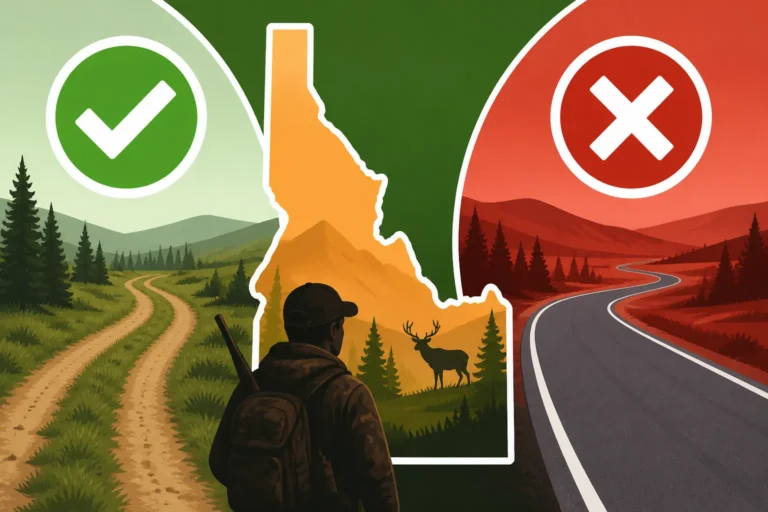
The distinction between a temporary and a permanent structure is absolutely critical in Idaho. According to IDFG regulations, no person shall install or use permanent stands or blinds on State or federal lands. This is a non-negotiable rule. A "permanent" stand is generally defined as anything that involves altering the tree itself (like screwing in steps or bolts), or a structure designed to remain in place indefinitely, regardless of whether a season is active. If it's fixed to the land and meant to stay, it's permanent and therefore illegal on public ground.
On the other hand, portable tree stands, ground blinds, and associated gear may be left in the field for the duration of the season for which the hunter is licensed, provided they are clearly marked with the owner's name and address or IDFG customer identification number. This is the key takeaway. Portable stands, those that are designed to be easily set up and taken down without damaging the tree (e.g., ladder stands, hang-on stands that use straps, climbing stands), are allowed. Ground blinds, which are temporary fabric structures, also fall into this category. The crucial element is their portability and temporary nature, meaning they aren't permanently affixed to the landscape.
Think of it this way: if you need tools to remove it, or if it causes damage to the tree (like screw-in steps), it's likely considered permanent. If it's a self-contained unit that straps on and comes off clean, it's temporary. This distinction prevents the widespread defacement of trees and the accumulation of abandoned property.
Dates and Durations for Leaving Stands
The IDFG rule is very specific: portable stands and blinds can be left in the field "for the duration of the season for which the hunter is licensed." This means if you're hunting an archery elk season, your stand can be out for that specific season. Once that season closes, your stand needs to come out. It’s not a year-round storage locker. This often means carefully checking the specific season dates for your unit and species. For example, if you have an A Tag for archery elk, your stand can stay out for that specific archery window. If you also have a deer tag later in a different unit, you would need to move and re-mark your stand for that season, or remove it entirely between seasons.
The "duration of the season" rule is critical because it ensures accountability and prevents stands from being abandoned for months or years. If a stand is found outside of an active season, or unmarked, it can be confiscated by IDFG or land management agencies. This isn't just about preventing litter; it's about ensuring fair access for all hunters and outdoor enthusiasts, and protecting the environment from long-term impacts. Leaving a stand out indefinitely isn't just against the rules, it's a disservice to the resource and other hunters. Tools like the Idaho Hunt Planner Is the Tool to Start With can help you determine season dates for your specific units and tags.
Identification Requirements
As mentioned, any portable tree stand or ground blind left on public land in Idaho must be clearly marked with the owner's name and address or IDFG customer identification number. This isn't just a suggestion; it's a mandatory part of the regulation. Why? Accountability. If a stand is found in violation (e.g., left out of season, in an unauthorized area, or causing damage), the IDFG needs to be able to identify the owner. Without this identification, the stand can be treated as abandoned property and removed.
This marking should be durable and legible. A simple piece of tape with your name and IDFG number, or a metal tag securely affixed, usually suffices. Make sure it's visible, but not so prominent that it compromises your camouflage or spooks game. It's a small step that goes a long way in proving you're a responsible hunter and helps avoid potential headaches with wildlife officials. Consider this rule a standard part of your pre-hunt gear prep, just like checking your broadheads or zeroing your rifle.
Minimizing Impact and Ethical Considerations for Stand Use
Beyond the letter of the law, there's the spirit of ethical hunting and responsible land stewardship. Employing best practices not only keeps you compliant but also ensures you're doing your part to preserve Idaho's hunting heritage and natural beauty for future generations.
Best Practices for Attaching Stands
When you’re setting up a portable stand, focus on methods that cause zero damage to the tree. Screw-in steps, even if temporary, can still harm the tree by breaking its bark and creating entry points for disease or pests. These are generally considered prohibited on public land due to the permanent alteration they cause. Instead, opt for strap-on tree steps or climbing sticks that cinch around the tree trunk without penetrating the bark. There are many excellent systems available from brands like Summit and Lone Wolf that are designed for quick, secure, and non-damaging attachment.
Always use durable, non-stretching straps, preferably cam buckle straps, rather than chains or wires, which can girdle a tree as it grows. Regularly check your straps throughout the season, especially after heavy rains or strong winds, to ensure they haven't loosened or caused any undue stress on the tree. The goal is to leave the tree exactly as you found it, save for a minor rub mark from a well-used strap. This practice is a cornerstone of responsible hunting and ensures that your chosen stand tree remains healthy for years to come.
Removing Stands and Preventing Abandonment
Your ethical responsibility doesn’t end when the season does; it extends to ensuring your stand is removed promptly. The IDFG rules state "for the duration of the season," so once that last legal hunting day passes, it's time to retrieve your equipment. Don't procrastinate; inclement weather can make access difficult, and an early snowfall might mean your stand is buried until spring, potentially missing the window for legal removal. Plus, leaving it out past the allowed time makes it subject to confiscation.
Abandoned stands are a blight on the landscape, detracting from the wilderness experience for others and creating unnecessary waste. If a stand is damaged or no longer usable, make sure to pack out all components, no matter how small. "Pack it in, pack it out" applies to every piece of gear, especially something as large as a tree stand. Planning your removal trip is just as important as planning your initial setup. Using a tool like GoHunt or other mapping apps to mark your stand's location precisely can be invaluable, especially if you set it deep in the timber or in an area with subtle terrain features. This foresight ensures you can easily find your stand for removal, even months later.
Respecting Other Hunters and Private Property
Part of being an ethical public land hunter means respecting both your fellow hunters and adjacent private landowners. While Idaho allows the use of portable stands, finding a prime location means others might have the same idea. It's not uncommon to scout a spot only to find another hunter has set up a stand nearby. Maintaining courteous communication and giving each other ample space (often considered to be at least several hundred yards, though this is not a legal requirement) helps prevent conflicts.
Additionally, always be acutely aware of property lines. Public land often borders private holdings, and accidentally setting up a stand or pursuing game onto private land without permission can lead to serious legal issues. Before you even scout a location, pull up detailed land ownership maps. Services like GoHunt are excellent for overlaying public and private land boundaries, giving you a clear picture of where you can and cannot legally be. Remember, Retrieving Game From Private Land in Idaho requires explicit permission, and setting up a stand where you might accidentally shoot onto private land is a recipe for trouble. Being a responsible hunter means doing your homework and ensuring your activities are always within legal and ethical bounds.
Tree Stand and Ground Blind Rules at a Glance for Idaho Public Land
To help keep things clear, here's a quick reference table summarizing Idaho's rules for tree stands and ground blinds on public lands:
| Feature | Portable Tree Stands/Ground Blinds | Permanent Structures (e.g., ladder stands bolted down, screw-in steps) |
|---|---|---|
| Legality | YES, with conditions | NO, strictly prohibited |
| Attachment | Must not damage tree (e.g., straps, climbing sticks) | Involves altering/damaging trees (screws, bolts) |
| Duration | For the "duration of the season for which the hunter is licensed" | Indefinite; designed to remain |
| Identification | REQUIRED (Owner's name/address or IDFG Customer ID) | N/A (prohibited) |
| Removal | Must be removed promptly after season closes | Subject to removal/confiscation by authorities |
| Examples | Hang-on stands, climbing stands, fabric ground blinds | Fixed wooden stands, stands with screw-in steps, platforms |
| Consequences | Confiscation if unmarked or left out of season | Confiscation, fines, potential legal action |
By adhering to these clear guidelines, you not only stay on the right side of the law but also uphold the high standards of ethical hunting that Idaho prides itself on. Remember, Idaho is a state that offers incredible hunting opportunities, and being a responsible steward of its public lands ensures those opportunities remain for generations to come. Before you head out, also review general guidelines for Camping on Idaho Forest Ground While Hunting to ensure all your activities comply with public land use rules.
Disclaimer
Please note that hunting regulations, seasons, and licensing requirements can change. While every effort has been made to provide accurate and up-to-date information, it is the individual hunter's responsibility to consult the most current official Idaho Fish and Game regulations prior to any hunting activity. This content is for informational purposes only and should not be considered legal advice.