The Gear List Your Outfitter Will Send
Planning a guided hunt in Idaho is an exhilarating prospect, but as the date draws nearer, the seemingly endless gear list your outfitter sends can feel like staring up at a mountain you haven't even begun to climb. It’s a common frustration, trying to decipher cryptic recommendations and wondering if you truly need three pairs of gloves. This guide is here to demystify those crucial gear lists, helping you understand why certain items are critical and how to prepare without feeling overwhelmed.
Why Your Outfitter's Gear List Matters More Than You Think
When you receive that gear list from your Idaho outfitter, it's easy to see it as just another chore to tick off before your trip. However, this isn't some generic packing suggestion; it's a meticulously crafted document born from years of experience in the specific terrain, weather, and hunting conditions of your particular hunt area. Your outfitter isn't just trying to make sure you're comfortable; they're ensuring your safety, your success, and the smooth operation of the entire hunting party.
Imagine showing up to a remote backcountry camp without adequate rain gear in the Idaho mountains, where afternoon thunderstorms can roll in with shocking speed and intensity, even in September. Not only would you be miserable, but you'd be at risk of hypothermia, potentially jeopardizing the entire hunt for yourself and your companions. The outfitter has seen it all: clients underdressed, overpacked with useless items, or missing critical survival gear. Their list is their way of mitigating these risks. It's truly a blueprint for your well-being and the overall success of the expedition.
This list also reflects the specific type of hunt you've booked. A horseback elk hunt in the Selway-Bitterroot Wilderness will have a vastly different gear requirement than a whitetail hunt from a cabin in the Idaho Panhandle. The weight, bulk, and durability of your gear become paramount when everything needs to be packed in on horseback or carried in a backpack for miles. So, don't view the list as a suggestion; view it as mandatory reading and a critical component of your preparation, directly influencing your comfort and ability to perform in the field.
The Outfitter's Expertise and Hunt Specifics
Your outfitter is a local expert, intimately familiar with the quirks of the land you'll be hunting. They know the average temperatures, the likelihood of snow in early October, the humidity levels that make cotton a terrible choice, and the prevalent types of vegetation that will snag flimsy clothing. Their gear list reflects this deep knowledge, often accounting for microclimates or specific challenges unique to their operating area. It's not just about generalized "Idaho weather" but about the conditions in their specific hunting grounds.
For instance, an outfitter guiding in the high country near the Sawtooth Wilderness Hunting Access will emphasize lightweight, layered clothing for extreme temperature swings, quality optics for glassing vast distances, and durable boots for traversing rocky, steep terrain. Conversely, an outfitter focusing on Whitetail Range Through Idaho's Panhandle might prioritize quieter, brush-resistant outer layers for still-hunting timber, and perhaps less emphasis on extreme cold-weather gear if you’re hunting early season. These details are critical, and your outfitter’s list is your first clue as to what conditions to expect.
Beyond weather and terrain, the list often incorporates requirements for the specific species you’re pursuing and the method of hunting. Is it a spot-and-stalk mule deer hunt in the high desert? Expect a strong recommendation for good binoculars and a spotting scope. Are you chasing elk during the rut? Scent control might be heavily emphasized, alongside specific calls. They'll also account for the length of your trip, whether it’s a day hunt from a comfortable lodge or a week-long primitive Idaho Drop Camp Hunts Explained deep in the backcountry. Every detail on that list serves a purpose, so asking questions about why something is on there is always a good idea.
Safety First: Why Proper Gear is Non-Negotiable
Beyond comfort and success, the most critical reason for adhering to your outfitter’s gear list is safety. Hunting in Idaho can be unforgiving, with sudden weather changes, challenging terrain, and the very real possibility of injury or illness far from immediate medical help. Proper gear can quite literally be a lifesaver. This includes everything from the right layers to prevent hypothermia to a well-stocked first-aid kit.
Consider the role of proper footwear. A twisted ankle or a debilitating blister can quickly end a hunt and require an emergency extraction, which is costly and dangerous for everyone involved. Good boots, broken in and suitable for the terrain, are not a luxury but a necessity. Similarly, quality rain gear that actually keeps you dry can prevent your core temperature from dropping dangerously. Your outfitter's experience helps them anticipate these scenarios. They know that a client showing up with inadequate gear is not just a personal problem; it’s a liability and a potential hazard for the entire group, especially if they operate within areas like the Frank Church Wilderness and Idaho's Rules where assistance is hours, if not days, away.
Many lists will also include items for emergency communication, like a satellite messenger or a personal locator beacon (PLB), even if the outfitter provides one. This redundancy is often a safety net. If you’re ever separated from the group or experience an emergency, having your own means of Satellite Communication From a Backcountry Camp can be vital. This is why when an outfitter specifies a brand or type of gear, it’s not always about luxury; it’s often about proven reliability in the harsh conditions of the Idaho backcountry. They’ve seen what fails and what performs when it truly counts.
Breaking Down the Essential Categories: What to Expect
When you look at a guided hunt gear list, it typically breaks down into several key categories. Understanding these helps you organize your packing and ensures you don't overlook anything crucial. While specific items will vary, the broad categories remain consistent, covering everything from what you wear to how you sleep and what you'll use to hunt.
Getting a handle on these categories allows you to approach the list systematically. Instead of a chaotic pile of items, you can think about layers, essential personal care, and the specific tools you need for the hunt itself. This structured approach helps ensure that you meet your outfitter's expectations for preparedness, making for a smoother and safer experience for everyone involved. It's all about being self-sufficient in an environment that often offers little in the way of conveniences.
Clothing and Layering Systems
This is arguably the most critical section of any Idaho hunting gear list. The mountains of Idaho are notorious for rapidly changing weather, even within a single day. You can experience freezing temperatures at dawn, warm sunshine by midday, and a driving snowstorm by afternoon. The key to staying comfortable and safe is a robust layering system, and your outfitter will likely detail this extensively.
Expect recommendations for base layers (merino wool or synthetics – never cotton!), mid-layers for insulation (fleece or puff jackets), and a durable, waterproof/windproof outer shell. They'll specify hats, gloves (often multiple pairs for different conditions, like thin liners and heavy insulated mitts), and proper hiking socks. It’s not uncommon to see suggestions for specific materials, knowing how critical they are for moisture-wicking and warmth retention. For example, if you're hunting in a wet environment, a quality Gore-Tex shell is non-negotiable. Don't skimp on this section; buying cheap, inadequate clothing is a common mistake that can ruin a hunt. Understanding Reading Wind in Steep Timbered Country can even inform how you layer, as staying warm and dry when exposed to the elements is paramount.
Often, the list will also separate "camp clothing" from "hunting clothing." This is practical advice. You'll want comfortable, dry clothes for relaxing in the evenings, separate from the garments you've sweated in all day or that might carry a scent. Remember, anything that absorbs moisture and holds it against your skin – like cotton – becomes a hypothermia risk when temperatures drop. Outfitters typically suggest packing in multiple sets of specific items like socks and base layers to maintain hygiene and comfort, especially on longer trips where laundry isn't an option.
Personal Gear and Camp Comfort
This category covers everything you need to take care of yourself, beyond your hunting clothes. It includes toiletries (often travel-sized and biodegradable, especially for backcountry camps), medications (both prescription and over-the-counter pain relievers, blister kits, etc.), and personal hygiene items. Sunscreen and lip balm are vital, even in cold weather, given the high elevation and reflective snow. A small towel, headlamp with extra batteries, and a water bottle or hydration bladder are also standard.
For overnight camps, especially drop camps, your outfitter will have very specific requirements for your sleeping system. This usually includes a sleeping bag rated for the lowest expected temperatures (and they'll often specify a comfort rating, not just an extreme rating), a sleeping pad for insulation from the ground, and possibly a small pillow. The warmth rating of a sleeping bag is particularly crucial when dealing with Idaho's cold mountain nights, and it's an area where cutting corners can lead to a truly miserable experience. They may also suggest a small, lightweight personal kit like a book, journal, or cards for downtime, but emphasize minimizing bulk and weight, particularly on horseback or backpack hunts.
Don't forget specialty items like optics cleaning kits, extra contact lenses or glasses, and a portable battery pack for charging small electronics. While many outfitters will provide some group gear, like tents or cooking equipment, understanding What a Guided Idaho Elk Hunt Includes will clarify what personal camp items you're responsible for bringing. The goal is to be self-sufficient and comfortable within the confines of a wilderness camp, without overpacking unnecessarily.
Hunting-Specific Equipment
This is where the rubber meets the road for your actual hunting pursuit. Naturally, your primary weapon – rifle, bow, or muzzleloader – will be at the top of the list. But it goes far beyond that. For rifle hunters, expect demands for specific ammunition, a sling, and perhaps a bipod or shooting sticks. Bowhunters will need their bow, arrows, broadheads, a release aid, and often a small repair kit. Muzzleloader hunters will have specific powder and projectile requirements. Choosing a Rifle for Idaho's Timber and Breaks or considering Arrow Weight That Gets Through an Elk are discussions you should have with your outfitter well in advance to ensure your chosen setup is appropriate for the species and conditions.
Optics are almost always a major component: quality binoculars are essential, and many outfitters will recommend a spotting scope and tripod, especially for open country or high-elevation mule deer and elk hunts. Rangefinders are also standard. A good hunting knife, field dressing gloves, and game bags for meat retrieval are also necessary, as you'll be responsible for taking care of your animal once it's on the ground. Your outfitter will certainly have their own, but having your personal tools ensures you're ready.
Other items include scent control products (if applicable to your hunt style), calls (elk calls, deer calls, etc.), a small day pack for carrying essentials while hunting, and a method for carrying water. Depending on the species and terrain, trekking poles might also be on the list, providing stability on steep or uneven ground. These are the tools that directly contribute to your ability to successfully and ethically harvest an animal, and your outfitter relies on you having them ready. If you're researching potential hunt units or success rates before applying for tags, platforms like GoHunt can provide valuable insights that might influence your gear choices, even before your outfitter sends their list.
Idaho-Specific Gear Considerations for Guided Hunts
Hunting in Idaho presents unique challenges and environmental factors that directly influence what should be on your gear list. It's not just about "hunting gear," but "Idaho hunting gear." From the vast wilderness areas to the unpredictable weather, understanding these specifics is crucial for a successful and safe trip.
The state's diverse geography, ranging from high desert sagebrush to dense timber and rugged mountains, means that a one-size-fits-all approach to gear simply won't work. Your outfitter’s list will reflect these nuances, and paying close attention to these Idaho-specific recommendations will set you up for success.
Navigating Rugged Terrain and Variable Weather
Idaho's hunting grounds are often characterized by steep, uneven, and sometimes treacherous terrain. Whether you're climbing a rocky ridge for bighorn sheep or navigating dense timber for elk, your footwear, and even items like trekking poles, become incredibly important. Expect your outfitter to emphasize sturdy, waterproof, and well-broken-in hiking boots with excellent ankle support. Blisters or inadequate traction can derail a hunt faster than almost anything else.
The weather in Idaho is notoriously fickle. A warm, sunny morning can turn into a cold, wet, or even snowy afternoon in the high country, even in early fall. This is why a meticulous layering system, as discussed earlier, is non-negotiable. Your gear list will likely call for outer layers that are both waterproof and breathable, to manage precipitation while preventing you from overheating during strenuous climbs. Items like a compressible down or synthetic puff jacket are often on the list for their warmth-to-weight ratio, crucial for those chilly glassing sessions or long waits in a stand. Don't forget a warm hat and gloves, as heat loss from your head and extremities is significant. Preparing for Elevation on an Idaho Hunt also plays a role, as higher altitudes often mean colder temperatures and more rapid weather changes.
Consider also the challenges of crossing rivers or wet areas. Some outfitters might suggest waterproof gaiters to keep your lower legs and boots dry, especially if your hunt involves traversing marshy areas or early morning dew-covered vegetation. The sheer verticality of much of Idaho's prime hunting ground means you'll be sweating on the way up and potentially shivering on the way down; your clothing system needs to be able to adapt to these rapid physiological changes.
Essential Safety and Emergency Preparedness
Safety is paramount in Idaho's vast and often remote wilderness. Your outfitter's gear list will include items that go beyond hunting tools and focus on emergency preparedness. A personal first-aid kit is always essential, even if the outfitter carries a more comprehensive one. This should cover basic cuts, scrapes, blisters, and personal medications. Understanding some basic Wilderness First Aid on a Guided Hunt can also be incredibly beneficial, allowing you to react effectively to minor issues before they become major problems.
Beyond medical, emergency signaling devices are often recommended. While your outfitter will have communication systems, a personal satellite messenger or PLB provides an invaluable layer of security if you were ever separated from the group or injured in an area without cell service. A high-quality headlamp with fresh batteries and a spare set is also on almost every list, as darkness can fall quickly and unexpectedly in the timber. Navigation tools, such as a compass, map, or GPS device (with downloaded maps), are also smart additions, even if you’re relying on your guide.
Finally, especially in parts of Idaho, Food Storage Rules in Grizzly Country and Bear Safety Practices in an Outfitter Camp are crucial considerations. This means your gear list might include specific recommendations for bear spray (and knowledge of how to use it) or bear-resistant food containers. Always defer to your outfitter’s expertise on these matters, as they know the local wildlife activity best. Being prepared for these eventualities isn't about expecting the worst, but ensuring you're equipped to handle any situation the backcountry throws your way.
Packing Smart and Troubleshooting Common Gear List Hurdles
Once you've got your comprehensive gear list from your Idaho outfitter, the next challenge is getting it all organized, packed efficiently, and ensuring it arrives at your hunting destination ready for action. This involves smart packing techniques, understanding logistics, and knowing how to handle those inevitable questions that pop up.
Many hunters feel overwhelmed by the sheer volume of gear. However, with a little foresight and strategic planning, you can tackle the packing process confidently, minimizing stress and maximizing your readiness for the hunt of a lifetime. It’s all about attention to detail and a methodical approach.
Weight, Bulk, and Organization Strategies
When packing for an Idaho hunt, especially if it involves flying, horseback packing, or significant hiking, weight and bulk are your biggest enemies. Outfitters often specify weight limits per bag or dry weight per duffel, particularly for fly-in or horseback drop camps. This means every item must earn its place. Focus on multi-use items and choose lightweight, compressible gear whenever possible. For instance, instead of a bulky fleece, a lightweight puffy jacket might offer more warmth for less bulk.
Organization within your bags is also key. Using stuff sacks or compression bags for clothing can save a surprising amount of space and keep your items dry and organized. Consider separating clothing layers into different colored dry bags for easy identification (e.g., green for base layers, blue for mid-layers, red for outer shell). This makes it much easier to find what you need in low light or cramped tent conditions. Labeling bags is also a lifesaver. When your outfitter is sorting gear for a pack string, clearly marked bags make their job easier and prevent your essential items from getting misplaced.
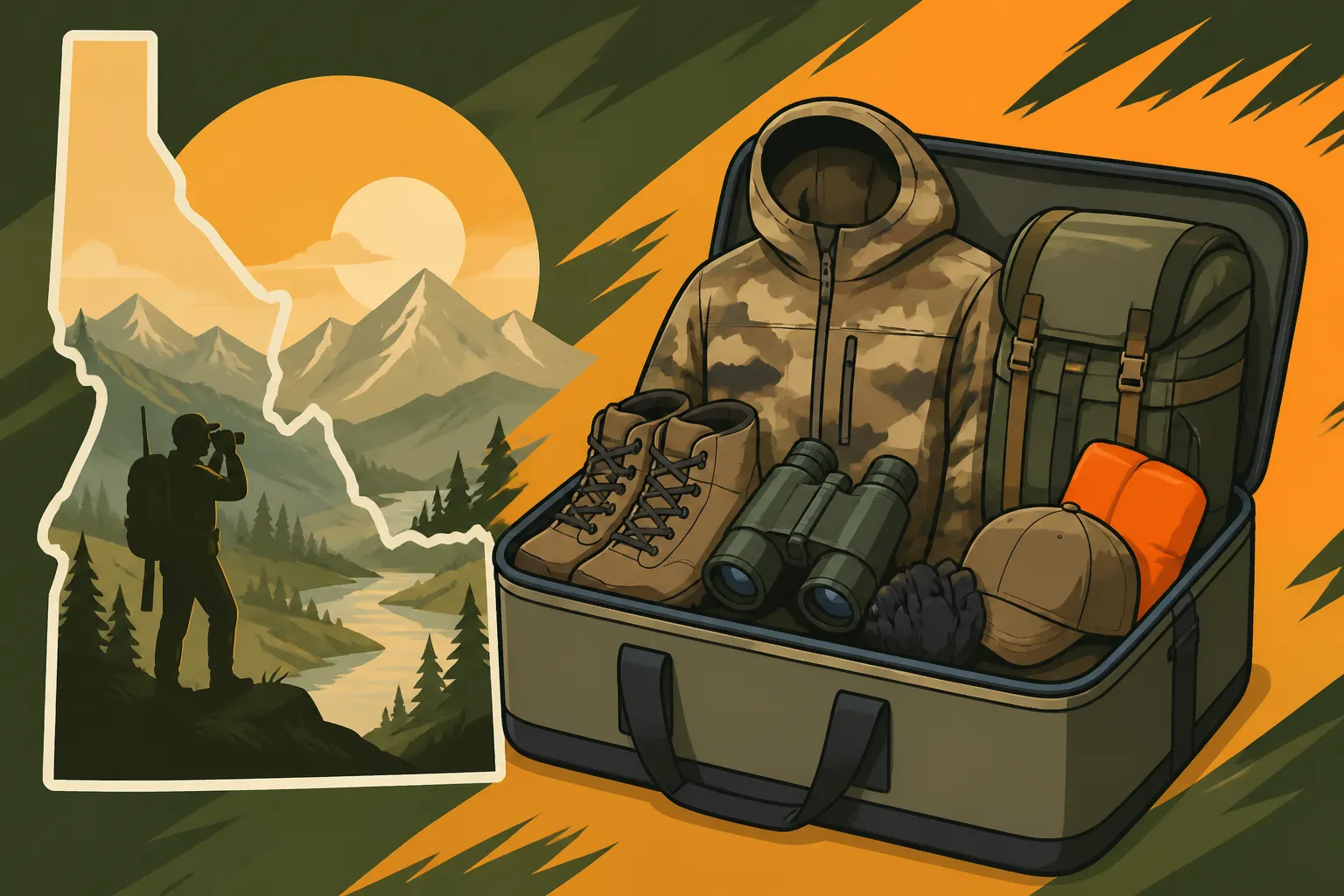
For items like toiletries or a small first-aid kit, waterproof toiletry bags are invaluable. Keep these easily accessible. Your outfitter might also suggest specific types of duffel bags – often soft-sided and waterproof – that are easier to pack onto horses or into bush planes than rigid suitcases. If you've looked for outfitters using platforms like BookYourHunt, you might have already noticed some offer advice on specific bag types suitable for their operations.
Asking Questions and Filling the Gaps
No gear list is perfectly clear for everyone, and it's perfectly normal to have questions. Don't hesitate to reach out to your outfitter well in advance of your trip. Clarify anything that seems ambiguous, whether it's the exact temperature rating for a sleeping bag or the type of broadhead they recommend for elk. They would much rather answer your questions now than have you show up unprepared.
It's also a good idea to confirm what items the outfitter provides. For example, some outfitters provide group cooking gear, tents, or even sleeping pads. Knowing What an Idaho Drop Camp Actually Includes can help you avoid packing redundant items, saving valuable weight and space. Sometimes, they might have specific reasons for requesting a particular item, such as a certain color of clothing or a type of firearm sling that prevents noise.
If there are gaps in your gear (items you don't own), consider borrowing from friends or renting specialized equipment rather than buying expensive items you might only use once. However, for critical items like boots or your primary weapon, investing in quality gear is usually worth it. Give yourself plenty of time to acquire and test all your gear before the hunt. Trying out new boots or breaking in a new rifle scope a week before your trip is a recipe for disaster. The more prepared you are before you leave home, the more you can focus on the hunt itself once you arrive in Idaho.
| Category | Key Considerations | Common Mistakes to Avoid |
|---|---|---|
| Clothing | Layering system, non-cotton materials, waterproof/breathable outer shell, multiple socks, hats, gloves. | Packing cotton, not enough layers, inadequate rain gear, brand-new boots. |
| Personal Gear | Headlamp & spare batteries, essential medications, biodegradable toiletries, water bottle/bladder, quality sleeping system (bag, pad). | Forgetting critical meds, relying solely on provided group gear, bulky toiletries, inadequate sleeping bag temp rating. |
| Hunting Equipment | Primary weapon & ammo/arrows, optics (binos, rangefinder, spotting scope), hunting knife, game bags, day pack. | Bringing untested gear, wrong caliber/broadhead, cheap optics, forgetting game bags. |
| Safety/Emergency | First-aid kit, satellite messenger/PLB, bear spray (if applicable), whistle, fire starter. | Assuming outfitter covers all safety gear, not knowing how to use emergency devices, ignoring bear country warnings. |
| Logistics | Weight limits, soft-sided waterproof duffels, stuff sacks for organization. | Overpacking, rigid luggage, not labeling bags, waiting until last minute. |
Disclaimer
This article is for general informational purposes only and does not constitute professional advice. Laws, prices and regulations vary by location and change over time. Consult a qualified professional for guidance on your specific situation.