How Trespass Fee Arrangements Work
It's a common story for hunters in Idaho: you've spent countless hours scouting public land, fighting crowds, and dealing with pressure, only to see a monster buck or bull disappear over the fence onto pristine private property. The frustration is real, and it can feel like a brick wall between you and a successful hunt. This guide is all about navigating that wall, specifically by understanding and utilizing trespass fee arrangements to open up new, less-pressured hunting opportunities on private land across our beautiful state.
What Exactly is a Trespass Fee Arrangement?
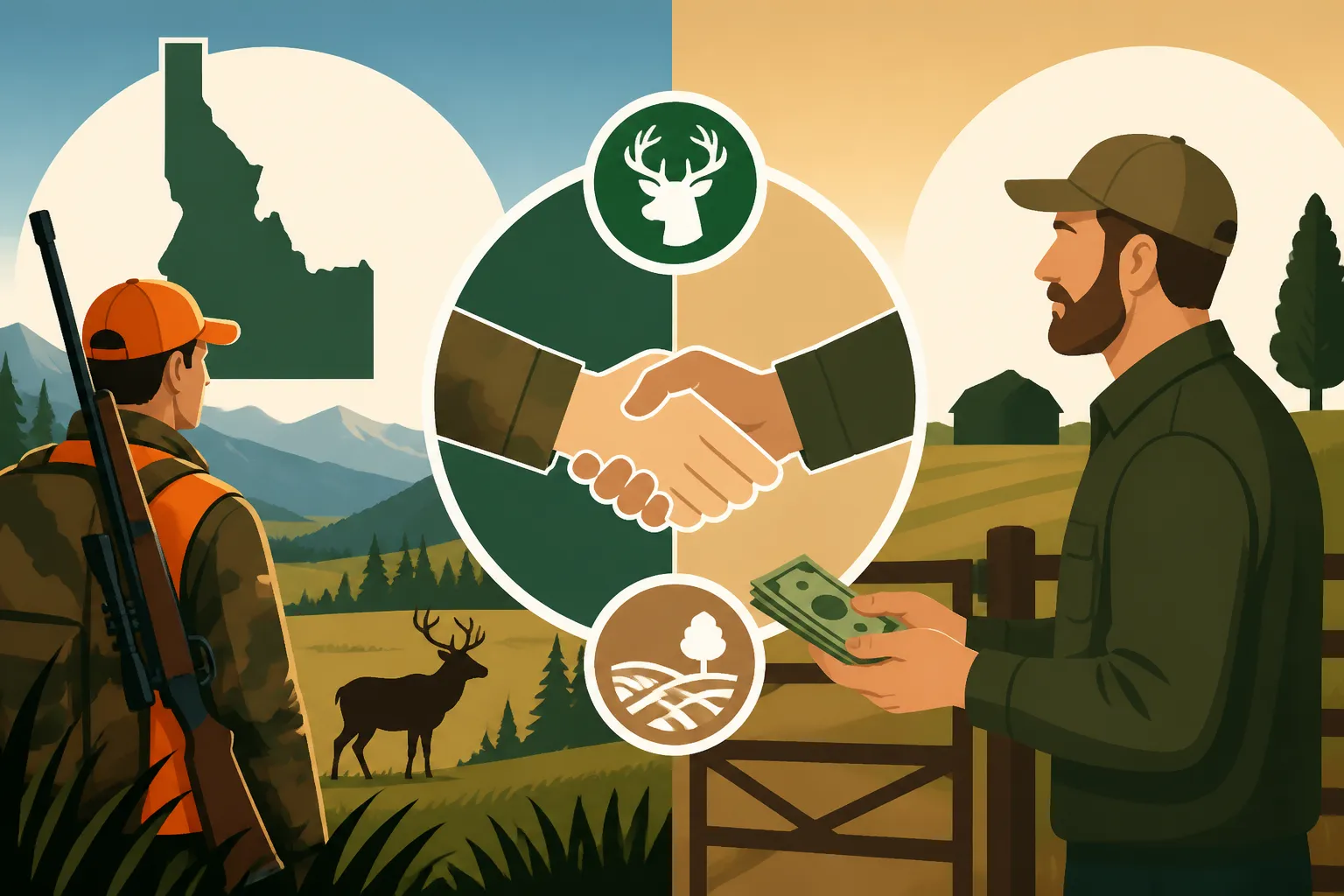
Let's cut right to it. A trespass fee arrangement, in the simplest terms, is an agreement where a landowner grants you permission to hunt on their private property in exchange for a fee. Now, don't let the word "trespass" throw you off; it's more about acknowledging that you're allowed to be there, and that permission comes at a cost. It’s a formal way of gaining access to ground that you wouldn't otherwise be able to hunt, often leading to a much higher quality hunting experience than you might find on heavily hunted public lands.
This isn't a guided hunt where an outfitter provides all the gear, calls the shots, and packs out your game. Instead, you're essentially paying for the privilege of access. You're still doing all the heavy lifting – the scouting, the planning, the tracking, and the packing – but you're doing it on land that is typically managed better, has less hunting pressure, and often holds more mature animals. Think of it as renting a piece of the hunting puzzle, rather than paying for someone to put it all together for you. It's a fantastic option for hunters who love the DIY aspect but are tired of the public land grind.
Why Landowners Offer Trespass Access
Landowners, especially those with significant acreage, often face a unique set of challenges. Wildlife, while a natural resource, can also impact their crops, fences, and livestock. Deer and elk, in particular, can cause agricultural damage, and managing their populations is a constant concern. By offering trespass fee arrangements, landowners can derive an income from their property while also managing wildlife populations in a controlled manner. It's a win-win: they get revenue and a measure of control, and you get access to exclusive hunting grounds.
For many ranchers and farmers in Idaho, this income can be crucial, helping to offset property taxes, maintain fences, or support their agricultural operations. It also gives them a say in who hunts their land, when they hunt, and how they hunt, leading to a more regulated and often safer hunting environment than what you might encounter on public parcels. They might set specific rules about weapon types, harvest limits beyond state regulations, or even require certain areas to be avoided to protect livestock or sensitive habitats.
Trespass Fees vs. Guided Hunts vs. Leases
It's easy to get these different terms mixed up, especially when you're exploring private land options. A trespass fee arrangement is generally for access only. You, the hunter, are responsible for everything else. You plan your strategy, bring your own gear, find the animals, and execute the hunt. It's DIY hunting on private ground. The cost is typically per day, per animal, or per season for a specific parcel.
A fully guided hunt, on the other hand, is an all-inclusive experience. You're paying for the outfitter's expertise, their equipment (horses, camps, vehicles), their knowledge of the area, and their efforts in locating and calling animals for you. They usually handle permits, meals, lodging, and often the field dressing and packing out. This is a significantly higher investment, but it takes much of the logistical burden off your shoulders. The Average Cost of a Guided Idaho Elk Hunt can give you an idea of the difference in price points.
A hunting lease is often a more long-term commitment. You might lease a parcel of land for an entire season or even multiple years, giving you exclusive rights to hunt that property for the agreed-upon duration. Leases can be more expensive than single-season trespass fees but offer greater control and consistency. Think of it like renting a vacation home for the whole season versus paying a nightly rate. Some outfitters might even broker Leasing Hunting Ground in Idaho for landowners or for hunters looking for such an arrangement.
Trespass fees offer a middle ground, providing more control and less pressure than public land, without the significant cost and all-inclusive nature of a fully guided trip. It's about securing access, pure and simple.
Types of Trespass Fee Arrangements in Idaho
Not all trespass fee arrangements are created equal. Just like there are different types of hunts and different types of hunters, there are various ways landowners structure these agreements. Understanding the common types can help you find one that fits your hunting style and budget.
Day Fees and Short-Term Access
This is perhaps the most common and often the most accessible form of trespass fee. With a day fee, you pay a set amount for a specific number of days to hunt a particular parcel of land. It might be for a weekend hunt, a three-day archery opener, or just a single day to try and fill a tag. This is fantastic for hunters who have limited time, or those who want to test out a property before committing to a longer arrangement.
For example, a rancher near Pocatello might offer access to their sagebrush draws for mule deer for $X per hunter, per day. You bring your own gear, understand the property boundaries (which they'll clearly mark or explain), and hunt within those limits. This is a great way to experience hunting on private land without a huge upfront investment. It's also perfect for those focused on Late Season Whitetail Hunting in the Timber up north, where a few specific days might be all you need to intercept a cruising buck. Always ensure you have a written agreement, even for a short-term hunt, outlining the dates, boundaries, species, and any specific rules the landowner has.
Seasonal or Per-Species Access
Moving up the commitment scale, seasonal access means you pay a fee for the right to hunt a specific species (or multiple species) on a property for the entire hunting season. This provides a lot more flexibility than a day fee, allowing you to scout more thoroughly, adapt to changing animal patterns, and hunt during peak times like the rut without having to renegotiate access each time.
Let's say a landowner in the Salmon-Challis region has excellent elk habitat. They might offer a seasonal trespass fee for elk hunting, perhaps with a limit on the number of hunters. This means you can come and go as the season progresses, adapting your strategy. You could be chasing Bugling Elk in Idaho's Timbered Zones in September, then switching to Reading Fresh Elk Sign in Dark Timber in late October. The fee usually covers the specific season for that animal, and often, only one or two hunters will be granted this kind of access to maintain animal quality and minimize pressure. These arrangements often come with more detailed contracts, specifying vehicle access, camping rules, and expectations for communicating your presence to the landowner.
Trophy Fees and Success-Based Agreements
Some landowners, particularly those with highly sought-after trophy animals, might incorporate a "trophy fee" into their arrangements. This means you pay a base access fee, and then an additional, often significant, fee if you harvest an animal that meets certain trophy criteria (e.g., a bull elk with six points or more, or a mule deer buck scoring over a certain number of inches). This incentivizes the landowner to maintain high-quality animals and can ensure hunters are targeting mature animals, contributing to better herd management.
Alternatively, some agreements might be entirely success-based. For example, a landowner might charge a lower initial access fee, but a substantial fee if you successfully harvest an animal. This model can be appealing to hunters who are confident in their abilities and are looking for a high-reward scenario. However, it's crucial to understand these terms upfront. Make sure the criteria for a "trophy" or "successful harvest" are crystal clear in any written agreement to avoid misunderstandings later on.
| Arrangement Type | Duration | Cost Structure | Hunter Control | Typical Benefits |
|---|---|---|---|---|
| Day Fee | 1-7 days | Per day / per hunter | High | Low commitment, flexible, good for specific timing |
| Seasonal Access | Entire hunting season | Flat fee per season / per hunter | High | Max flexibility, multiple trips, better for scouting |
| Trophy Fee | Day or Season | Base fee + bonus for specific harvest | High | Incentivizes landowners for quality, targets mature animals |
| Success-Based | Day or Season | Lower base + higher for any harvest | High | Pays for results, potentially lower upfront cost |
Finding and Securing Trespass Fee Opportunities
Alright, so you're sold on the idea. Now, how do you actually find these golden tickets to private land hunting in Idaho? It takes effort, good communication, and sometimes a bit of luck, but there are definitely avenues to explore.
Direct Landowner Contact
This is, by far, the most traditional and often most effective method. It's also the most challenging because it requires you to be proactive and personable. Start by identifying areas in Idaho that hold the game you're after and have a good mix of private land. Tools like GoHunt's mapping services or other public land mapping apps (like onX) can help you identify private parcels adjacent to public land, or large tracts of private land within desirable units. Once you've identified potential properties, the next step is to find the landowner. County assessor's offices can often provide landowner contact information, or sometimes a friendly knock on the door (during non-hunting hours, of course!) can work wonders.
When you make contact, be respectful, polite, and clear about your intentions. Introduce yourself, explain that you're an ethical hunter looking for opportunities, and inquire about their interest in a trespass fee arrangement. Be prepared to talk about your hunting ethics, your commitment to respecting their property, and your willingness to adhere to their rules. A face-to-face conversation can build trust that an email or phone call can't. Always have a clear proposal in mind: what species you're interested in, when you'd like to hunt, and what you're willing to pay. Sometimes landowners won't have considered it before, and your polite inquiry might open up a new avenue for them.
Online Platforms and Broker Services
In our increasingly digital world, several online platforms have emerged to connect hunters with landowners offering private land access, including trespass fee arrangements. Websites like BookYourHunt offer listings for various hunts, and while many are guided, you can often filter for self-guided or trespass fee options. These platforms can be a great starting point, especially if you're new to the process or aren't local enough to knock on doors. They often streamline the communication process and provide some level of vetting for both parties.
There are also private land access broker services that act as intermediaries, connecting landowners with hunters. These services typically charge a fee for their assistance, but they can save you a significant amount of time and effort in finding suitable properties. They often have established relationships with landowners and a good understanding of what types of hunting opportunities are available. While Idaho doesn't have a preference point system like some other states, meaning Why First-Time Applicants Have Even Odds in Idaho for controlled hunts, these platforms can still offer an edge by opening up private land opportunities that aren't subject to the draw.
Word of Mouth and Local Connections
Never underestimate the power of networking in the hunting community. Talk to local sporting goods store owners, taxidermists, butchers, and other hunters you meet in the field. They often have their finger on the pulse of local opportunities and might know landowners who offer trespass access or be able to point you in the right direction. Becoming a regular at local establishments and building relationships can yield unexpected opportunities.
Local hunting clubs or conservation organizations might also have programs or connections that facilitate private land access. Sometimes, these organizations work directly with landowners to manage wildlife and can help put you in touch. Attending local wildlife board meetings or community events can also be a way to meet landowners and make those crucial initial connections.
Key Considerations Before Committing
So, you've found a promising opportunity. Before you shake hands or sign on the dotted line, it's absolutely critical to clarify all the details. A good trespass fee arrangement is built on clear communication and mutual understanding, preventing headaches down the line.
Clarifying the Agreement: What's Included?
This is where you need to ask every question you can think of. What exactly does the fee cover? Is it per hunter, per animal, or for access to the property regardless of harvest? For how many days? Is there a limit on the number of animals that can be harvested? What species are you allowed to hunt? Make sure these details are explicitly written down in an agreement. You should also confirm if there are any specific regulations beyond state law, such as antler point restrictions or ethical harvest requirements. Knowing The Idaho Hunter Education Birth Year Cutoff and ensuring you have your certification is a good baseline, but landowners might have additional expectations for safety and responsible hunting.
Beyond the hunting itself, clarify logistical details. Can you drive on the property, and if so, where? Are there specific parking areas? Is camping allowed, and if so, where and for how long? What about retrieving downed game? Can You Drive Off Road to Retrieve Game? is generally a no-go on public land under Idaho's motorized rules, but private landowners might have specific allowances or prohibitions. Are there any other restrictions, like specific times of day you can hunt, or areas that are off-limits (e.g., near residences, livestock, or sensitive habitat)? The more questions you ask upfront, the fewer surprises you'll encounter.
Legalities and Documentation
Always, always, always get a written agreement. A handshake deal is great for building trust, but a written contract protects both you and the landowner. This document should clearly state the names of all parties involved, the exact property boundaries, the duration of the agreement, the fee amount, what the fee covers, and any specific rules or restrictions. It should also address liability. Who is responsible if an accident occurs on the property? Many landowners will require you to sign a liability waiver.
Understand Idaho's Motorized Hunting Rule Keeps You on the Road if you're hunting near public land, but also clarify the private landowner's rules for vehicle use. A good agreement will specify what happens if state hunting regulations change during your contracted period, or if unforeseen circumstances (like a natural disaster) affect your ability to hunt. For more complex arrangements, it might be worth having an attorney review the agreement, especially if it's a significant financial commitment. This isn't about distrust; it's about clarity and peace of mind for everyone involved.
Respecting the Landowner and Their Property
This goes without saying, but it's the foundation of any successful trespass fee arrangement. You are a guest on someone else's property, and treating it with the utmost respect is paramount. Follow all agreed-upon rules, even if you think they're overly cautious. Close gates, don't litter, avoid damaging fences or crops, and respect their privacy. Always communicate with the landowner about your presence, especially when entering or exiting the property.
If you encounter issues, like trespassers or damaged property, notify the landowner immediately. If you have a successful hunt, offer to share some of the meat or a photo of your harvest as a gesture of appreciation. Building a strong, respectful relationship can lead to future hunting opportunities, not just for you, but potentially for other ethical hunters as well. Remember, you're not just representing yourself, but the entire hunting community. Your actions can either open or close doors for future generations looking for these unique private land experiences.
Disclaimer
This article is for general informational purposes only and does not constitute professional advice. Laws, prices and regulations vary by location and change over time. Consult a qualified professional for guidance on your specific situation.