Idaho Mentors May Take Two Hunters at Once
Navigating the world of hunting regulations can feel like deciphering ancient hieroglyphs, especially when you're trying to introduce new hunters to the field. Many seasoned hunters wonder how they can share their passion effectively, particularly if they have more than one aspiring hunter eager to learn. This guide will meticulously break down Idaho's rule allowing mentors to supervise two hunters at once, explaining the nuances, benefits, and practical considerations so you can confidently mentor the next generation.
Understanding Idaho's Mentored Hunting Program
Idaho, like many states, recognizes the immense value of mentorship in preserving our hunting heritage and fostering responsible, ethical outdoorsmen and women. The mentored hunting program isn't just a loophole; it's a thoughtfully designed pathway to bring new participants into the fold, allowing them to experience hunting firsthand under the direct, watchful eye of an experienced mentor. This program is a bridge, helping bridge the gap between curiosity and full certification.
The Philosophy Behind Mentored Hunting
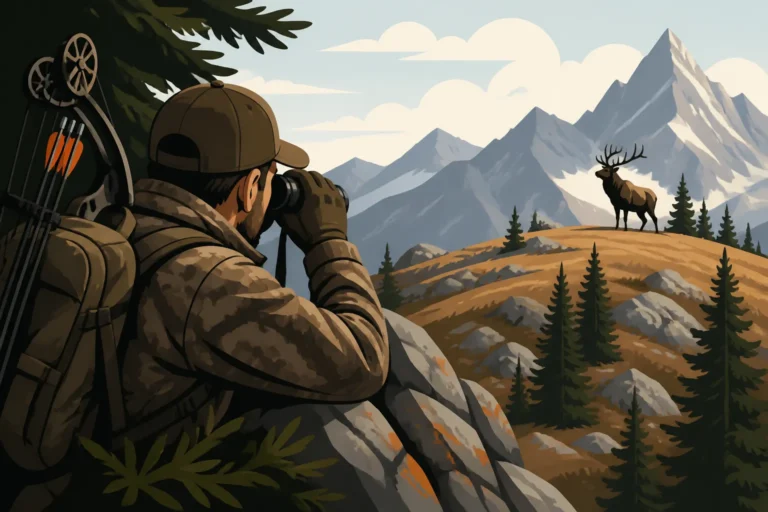
At its core, mentored hunting is about passing down knowledge, skills, and ethics that simply can't be learned from a textbook alone. It's about showing someone how to read the landscape, how to move quietly through the timber, how to understand animal behavior, and, most importantly, how to make responsible decisions in the field. This isn't just about weapon safety, although that's paramount; it's about instilling a deep respect for wildlife, conservation, and the rules that govern fair chase. It's a hands-on apprenticeship, cultivating a connection to the wild that is crucial for the future of hunting.
Think about your own first hunting experiences. Chances are, you weren't alone. You had a parent, grandparent, aunt, uncle, or family friend who took the time to teach you the ropes, sharing their wisdom and patience. Idaho's mentored hunting program formalizes this tradition, recognizing that direct, one-on-one (or in this case, one-on-two) guidance is the most effective way to shape knowledgeable and responsible hunters. It acknowledges that some aspects of hunting, like tracking a blood trail or field dressing an animal, are best learned by doing, with an expert nearby to correct and instruct.
Key Benefits for New Hunters
For individuals new to hunting, especially youth, the mentored program offers a significant advantage: it lowers the initial barrier to entry. Instead of immediately requiring completion of a hunter education course, which can be time-consuming, it allows them to try hunting first. This "try before you buy" approach lets aspiring hunters determine if they truly enjoy the experience before committing to the full hunter education certification. It provides a safe, controlled environment where they can learn firearm or archery safety, stalking techniques, and wildlife identification without the pressure of having to perform perfectly on their own.
Beyond the practical skills, mentored hunting provides invaluable exposure to the ethical dimensions of hunting. New hunters learn about shot placement, meat care, and the importance of following all game laws directly from someone who embodies those principles. They witness firsthand the dedication, patience, and respect for nature that define a true hunter. This direct engagement fosters a deeper understanding and appreciation for conservation, rather than just abstract concepts. It's an immersive experience that builds confidence and connection to the outdoor lifestyle.
Hunter Education vs. Mentorship Path
It's important to understand that the mentored hunting program isn't meant to replace hunter education entirely; rather, it complements it as an initial step. Anyone born after January 1, 1975, is generally required to complete a hunter education course to purchase a hunting license in Idaho. However, the mentored hunting program allows an uncertified hunter to participate under the direct supervision of a licensed, certified mentor. This is particularly useful for younger hunters who might not be ready for the full hunter education course or for adults who want to test the waters before committing their time.
The distinction is clear: a mentored hunter is always under the mentor's direct supervision and must adhere to specific rules, including not being able to hunt unsupervised. The hunter education course, whether it's an Online and Classroom Hunter Education Compared approach or a traditional in-person class, provides the comprehensive knowledge base for safe, responsible, and independent hunting. The mentorship path is a stepping stone, a way to gain practical experience and solidify interest before completing the formal education. For details on who needs hunter education, check out Idaho Hunter Education Birth Year Cutoff.
The "Two Hunters at Once" Rule Explained
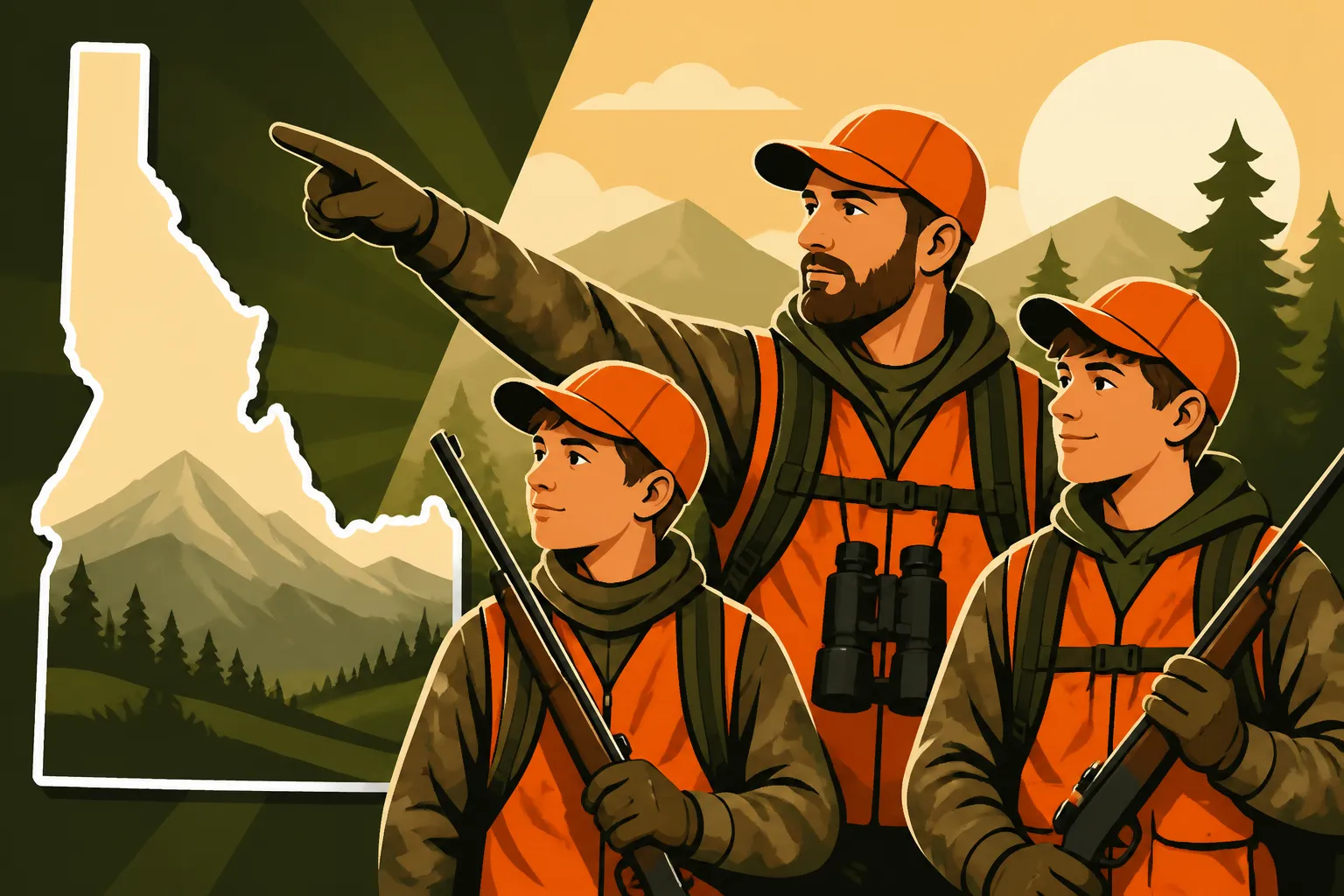
This is where Idaho's program offers some unique flexibility for mentors. Unlike some states that limit supervision to a single mentored hunter, Idaho allows a certified mentor to directly supervise two mentored hunters simultaneously. This rule significantly expands opportunities for families and friends to experience hunting together, making it easier for an experienced hunter to introduce multiple new people to the sport. It's a recognition that sharing the experience can be just as impactful as the individual hunt itself.
Breaking Down the Regulation
The Idaho Department of Fish and Game regulations explicitly state that a properly licensed adult mentor, who is at least 18 years old and possesses a valid hunting license, may supervise up to two individuals who have not completed hunter education. These mentored individuals must also possess the appropriate licenses and tags for the species they are hunting. The crucial element here is "direct supervision." This isn't a passive oversight; the mentor must be close enough to have immediate control over the actions of both mentored hunters, particularly regarding weapon handling, shot placement, and adherence to all regulations.
For example, if you're out chasing upland birds, both mentored hunters must be within an arm's reach or close enough to allow for immediate, effective communication and intervention. When big game hunting, this often means the mentor is positioned between or immediately beside the mentored hunters, ensuring that any shot taken is safe and ethical for both participants and the surrounding area. The mentor is fully responsible for all legal and safety aspects of the hunt for both individuals under their wing. It's a heavy responsibility, but one that Idaho trusts its experienced hunters to uphold.
Scenarios for One Mentor, Two Hunters
Let's imagine a few real-life scenarios where this rule truly shines. Picture a father, an avid deer hunter, wanting to take his two children, aged 12 and 14, out for their first whitetail hunt. Under this rule, he can take both of them simultaneously, ensuring they both get hands-on experience without needing two separate adult supervisors. He can guide them on the stalk, help them identify a legal buck, and ensure they understand the shot opportunity and backdrop. This creates a shared family memory and streamlines the logistics for the parent.
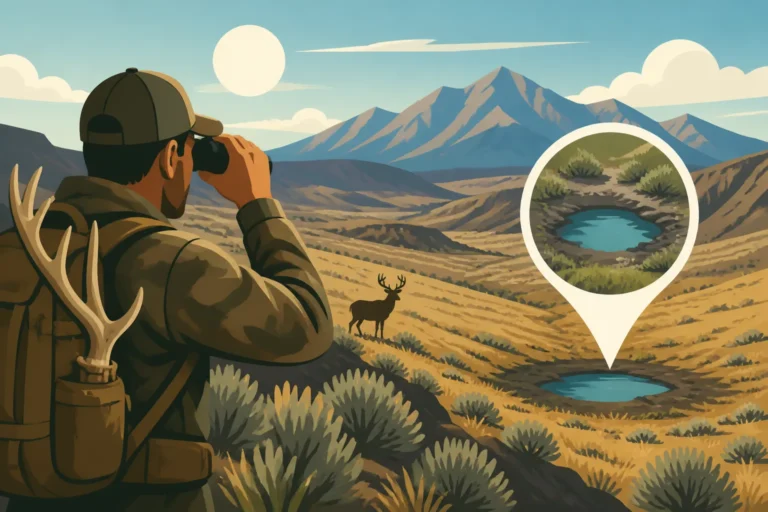
Another common scenario might involve two friends in their early twenties who are keen to try waterfowl hunting but have never completed hunter education. An experienced friend, holding his own valid license and hunter education certificate, can take both of them duck hunting. He can teach them decoy spreads, calling techniques, and most importantly, safe shotgun handling in a blind. This approach fosters camaraderie and allows more people to participate without doubling the number of experienced hunters required. Whether it's archery hunting for deer or glassing Idaho breaks for mule deer, the principle remains the same: one responsible mentor, two eager learners, all sharing the same adventure.
Safety Protocols for Group Mentoring
With two mentored hunters, safety becomes an even more critical component of the planning and execution of the hunt. The mentor must always be the primary safety officer, constantly aware of both hunters' positions, their muzzle control, and their understanding of the immediate environment. A pre-hunt safety briefing is non-negotiable, covering everything from firearm handling and zone-of-fire awareness to communication signals in the field. When moving, the mentor might position themselves in the middle, or have the most experienced mentee lead, with the mentor taking the rear to watch both.
For scenarios involving firearms, ensuring clear fields of fire for both hunters can be tricky. It might mean staggered shooting positions or clear communication about whose turn it is to potentially take a shot. The mentor must be ready to physically intervene if necessary, grabbing a muzzle or calling off a shot if safety is compromised. While the excitement of the hunt can be high, maintaining a calm, authoritative demeanor and reinforcing safety procedures is paramount. The goal is a successful, educational, and above all, safe outing for everyone involved, setting good habits from the start.
Who Qualifies as a Mentor and a Mentored Hunter
Understanding who can participate in this program is key to its successful implementation. Idaho has specific criteria for both the mentor providing the supervision and the individuals receiving the mentorship. These guidelines are designed to ensure safety, responsibility, and a quality learning experience for everyone involved. It's not just about age, but also about the readiness to teach and to learn.
Mentor Eligibility and Responsibilities
To be a qualified mentor in Idaho, an individual must be at least 18 years of age and possess a valid Idaho hunting license. Critically, the mentor must also have successfully completed an Idaho-approved hunter education course themselves, or have been born before January 1, 1975, making them exempt from the hunter education requirement. This ensures that the mentor has the foundational knowledge and legal authority to supervise others. Beyond the legal requirements, a good mentor also possesses patience, excellent communication skills, and a deep commitment to ethical hunting practices. The Minimum Age a Mentor Must Be for specific game can vary, but for the general act of mentoring, 18 is the baseline.
The responsibilities of a mentor are immense. You are not just a guide; you are an instructor, a safety officer, and a role model. You are legally responsible for the actions of both mentored hunters under your supervision. This includes ensuring they understand and follow all game laws, use their weapons safely, and make ethical decisions regarding shot placement and animal recovery. This means constantly monitoring their behavior, providing clear instructions, and intervening when necessary. It's a commitment that extends beyond the hunt itself, shaping the future of hunting through direct, personal influence. You need to be able to demonstrate Proving Your Certification Out in the Field if an Idaho Fish and Game officer asks.
Age and Certification for Mentored Hunters
Mentored hunters, by definition, are individuals who have not yet completed a hunter education course. However, they must meet certain age and licensing requirements. There is no minimum age to participate in the mentored hunting program for small game, provided they are under direct supervision. For big game, however, Idaho does have minimum age requirements. For example, a youth must be at least 10 years old to hunt big game and certain trophy species like sandhill crane. Idaho's Minimum Age for Big Game and Cranes ensures that participants have a certain level of maturity and physical capability for these more demanding hunts.
While hunter education isn't required for mentored hunters, they do need to purchase the appropriate licenses and tags for the species they intend to hunt. This is a common point of confusion. Even without the hunter education certificate, a mentored youth or adult still needs to hold a valid hunting license and any specific tags (like deer or elk tags) for the season. For very young hunters, specific rules apply for Direct Supervision for Hunters Under Ten, emphasizing even closer proximity and control by the mentor. The idea is to make sure they are legally recognized as hunters, even if they're still learning the ropes under an expert's guidance.
The Idaho Hunting Passport and Its Role
For those who are completely new to hunting and haven't gone through hunter education, Idaho offers the Hunting Passport. This program is specifically designed to allow uncertified individuals to hunt under the direct supervision of a licensed adult mentor. The Idaho Hunting Passport and Who Qualifies covers these details. The Passport essentially serves as a provisional hunting certification, valid for one year, allowing individuals to experience hunting legally. It's an excellent way to gauge interest without the immediate commitment of a full hunter education course.
The Hunting Passport is valid for one license year, and participants can only use it once to gain that initial hunting experience. Why a Passport Only Lasts One Year is to encourage completion of full hunter education if they decide to continue hunting. Both residents and nonresidents can purchase a Hunting Passport, making it a flexible option for visitors as well. Can a Nonresident Buy a Hunting Passport? Yes, they can, which opens up mentorship opportunities for families visiting Idaho. This passport simplifies the process for new hunters to get started, ensuring they can legally participate under guidance while deciding if hunting is truly for them. It's about opening doors, not creating permanent workarounds for certification.
Practical Considerations for Mentoring Multiple Hunters
Taking one new hunter out is a significant undertaking; taking two adds layers of complexity that require forethought and careful planning. From the equipment you carry to how you manage your attention, every aspect needs to be considered to ensure a safe, enjoyable, and educational experience for everyone involved. This isn't just about doubling up on gear; it's about multiplying your responsibilities.
Gear and Logistics for a Group
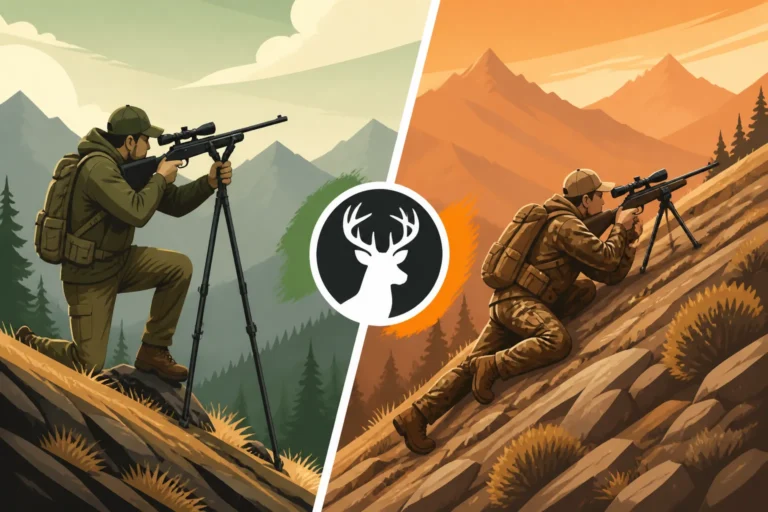
When you're mentoring two hunters, your gear list will naturally expand beyond what you might typically carry for a solo hunt or with just one mentee. You'll need to consider not just having enough for yourself and one person, but for three. This means extra water, more snacks, additional layers of clothing, and potentially backup equipment like an extra headlamp or emergency fire starter. If you're using firearms, you might need two sets of shooting sticks or bipods, and certainly more ammunition for practice and potential field use. Think about the weight and bulk this adds to your pack, especially if you're venturing into backcountry.
Logistically, transportation can also be a factor. Can your vehicle comfortably and safely accommodate three hunters and all their gear? What about walking in? Moving three people quietly through the woods requires more coordination and patience than moving two. Consider how you'll set up a blind or position yourselves for a stalk to ensure both mentored hunters have a clear, safe shot if the opportunity arises. Tools like the GoHunt platform can be invaluable for e-scouting terrain, identifying potential access points, and planning routes that can accommodate a small group, helping you avoid unexpected logistical headaches in the field.
Managing Attention and Instruction
One of the biggest challenges of mentoring two hunters at once is effectively dividing your attention. Each mentee will have different learning styles, skill levels, and questions. You can't be in two places at once, so you'll need strategies to ensure both individuals receive adequate instruction and supervision. Pre-hunt conversations are crucial here. Discuss expectations, assign specific roles (e.g., one watches the left, one watches the right), and establish clear communication signals. During the hunt, it might involve alternating your focus, spending a few minutes with one, then shifting to the other, while always maintaining overall situational awareness.
Think about how you'll provide feedback. If one mentee makes a mistake, how do you address it constructively without making the other feel neglected or overly criticized? It often helps to involve both in the learning process, using an example from one to teach a lesson to both. For instance, if one struggles with ranging, discuss rangefinding techniques with both. If you're on a stalk, explain your decisions aloud so both understand the "why" behind your movements. This approach turns individual lessons into shared learning experiences, maximizing the educational impact for both new hunters.
Ethical Hunting and Decision-Making
Mentoring isn't just about teaching how to hunt; it's about teaching how to hunt ethically. With two new sets of eyes and ears, you have double the opportunity to instill sound judgment and responsible decision-making. This includes everything from understanding legal shooting hours and identifying game correctly to making clean shots and diligently tracking wounded animals. You'll need to emphasize that success isn't just about harvesting an animal, but about how you conduct yourself throughout the entire process.
Hypothetical scenarios can be powerful teaching tools. "What would you do if a deer appeared but wasn't broadside?" "What if we made a shot and couldn't find the blood trail immediately?" Discussing these situations beforehand prepares them for real-world challenges. When the moment of truth arrives, the mentor must guide both individuals through the process, ensuring that any shot taken is safe, legal, and ethical. This might mean making the tough call to pass on a shot, even if it disappoints one or both mentees, because it's the right thing to do. It reinforces that ethics and safety always trump harvest.
Navigating Licensing and Regulations for Mentored Hunts
Even with the flexibility of the mentored hunting program, the core regulatory framework of Idaho Fish and Game still applies. Understanding the specific licensing requirements, tagging protocols, and age restrictions for different species is critical to ensure a legal and compliant hunt for both the mentor and the mentored hunters. It's easy to get caught up in the excitement of the hunt and overlook crucial paperwork.
Licensing Requirements for Mentors and Mentees
As established, the mentor must possess a valid Idaho hunting license and either be hunter education certified or exempt by age. For the mentored hunters, even though they don't need hunter education, they do need to purchase their own valid Idaho hunting licenses and any necessary tags for the specific game species they are pursuing. This is a crucial distinction. For instance, if you're taking two mentored youth deer hunting, you'll need your own deer tag, and each youth will also need their own deer tag.
These licenses and tags ensure that the state can track harvest data and manage wildlife populations effectively. It also means that even under mentorship, each participant is counted as a hunter towards any quotas or management goals. Double-checking these requirements before heading into the field is absolutely essential, as license and tag violations can lead to significant penalties. Make sure you and your mentees have purchased the correct licenses and tags via the GoOutdoorsIdaho portal.
Tagging and Reporting Responsibilities
Once an animal is harvested during a mentored hunt, the tagging process is straightforward: the animal must be tagged immediately with the tag belonging to the individual who harvested it. So, if mentored hunter A shoots a deer, their tag goes on the deer. If mentored hunter B shoots an elk, their tag goes on the elk. The mentor's role here is to ensure that the correct tag is used and properly validated according to Idaho Fish and Game regulations. It's a key part of teaching accountability and legal compliance.
Beyond tagging, all mandatory harvest reporting requirements still apply. Idaho requires hunters to report their harvests, typically online, within a certain timeframe. The mentor is responsible for ensuring that the mentored hunter understands this process and completes it correctly. This is another opportunity to teach the full cycle of ethical hunting, from shot to table, and the importance of contributing to wildlife management data. It's a vital administrative step that sometimes gets overlooked in the excitement of a successful hunt.
Species-Specific Age and Weapon Considerations
While the "two hunters at once" rule is broad, specific age and weapon restrictions for certain game species remain in effect and must be followed. For instance, while a 10-year-old can hunt big game under mentorship, a 9-year-old cannot, regardless of supervision. These age floors are put in place for a reason – usually related to the physical and mental maturity required for ethical hunting of that particular species.
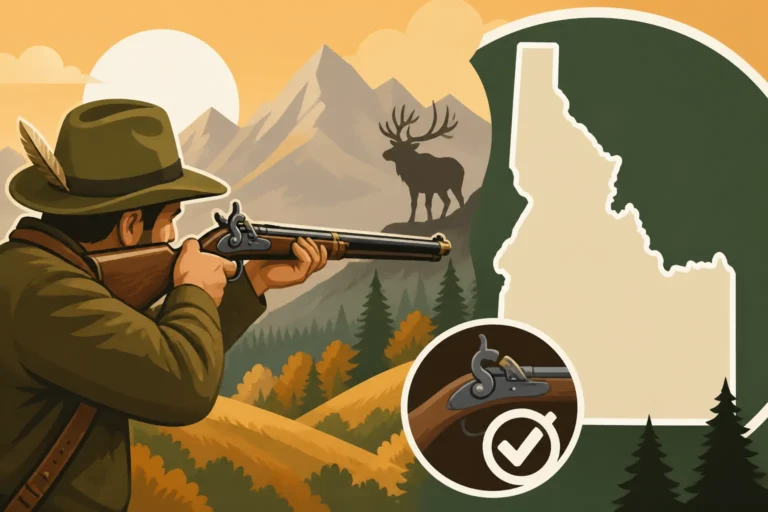
Similarly, weapon restrictions are not relaxed for mentored hunters. If you are hunting in a short-range weapon season, for example, both you and your mentored hunters must use legal short-range weapons. This means understanding exactly Which Weapons Qualify as Short-Range in Idaho. If you're in a muzzleloader-only season, all participants must use legal muzzleloaders, adhering to rules like Why Idaho Muzzleloader-Only Hunts Ban Scopes and Inline Ignition. The mentor must ensure that the mentored hunters are capable of safely and effectively using the chosen weapon for the target species, and that the weapon itself is legal for the hunt. These regulations are not just guidelines; they are enforceable laws designed to ensure fair chase and public safety.
Resources for Aspiring Mentors and Hunters
Embarking on a mentored hunting journey, whether as a mentor or a mentee, is an exciting prospect. Thankfully, Idaho offers a wealth of resources to help you navigate the process, from official state guidelines to invaluable digital tools and community support. You don't have to figure it all out alone.
Official Idaho Fish and Game Resources
Your first and most authoritative source of information should always be the Idaho Department of Fish and Game (IDFG) website. Their online portal is a treasure trove of current regulations, licensing information, season dates, and game management unit maps. They publish the annual hunting regulations in detailed pamphlets, often available digitally and at license vendors, which are indispensable for understanding the nuances of Idaho's hunting laws. It’s imperative to read these regulations every year, as rules can change.
The IDFG website also hosts an incredibly useful tool called The Idaho Hunt Planner Is the Tool to Start With. This interactive map and data resource allows you to research specific game management units, view harvest statistics, check drawing odds, and overlay various land ownership and access layers. For any specific questions that aren't clearly answered in the regulations, don't hesitate to contact the IDFG regional offices directly. Their staff are knowledgeable and can provide clarification on complex scenarios, ensuring you're fully compliant before heading afield.
Leveraging Online Tools and Communities
Beyond the official state resources, a vibrant community of hunters exists online, offering support, advice, and shared experiences. Forums and social media groups dedicated to Idaho hunting can be great places to ask questions, learn from others, and even find potential mentors or mentees. Just be sure to always cross-reference any advice with official IDFG regulations, as online information isn't always current or accurate.
For advanced planning and detailed research, platforms like GoHunt are incredibly powerful. GoHunt offers sophisticated mapping tools, drawing odds calculators, and comprehensive hunt planning resources that can help both mentors and mentees identify promising areas, understand public land access, and prepare for specific hunting conditions. Leveraging such tools can give you an edge in scouting and making informed decisions about where and when to hunt. This is especially useful when considering unit boundaries or understanding habitat types for species like Bugling Elk in Idaho's Timbered Zones or Glassing Idaho Breaks for Mule Deer. These resources can turn a good plan into an excellent one, maximizing your chances of a successful and educational outing.
Continuous Learning for Mentors
Being a mentor is not a one-time role; it's a commitment to continuous learning and improvement. The hunting landscape evolves, regulations change, and new techniques and gear emerge. A great mentor stays current, not just for their own hunting success, but to provide the best possible guidance to their mentees. This might mean regularly reviewing the latest regulations, attending advanced hunter education courses, or participating in workshops on specific skills like tracking or calling.
Consider taking refresher courses in first aid or wilderness survival, as you are now responsible for the safety of two additional individuals in the backcountry. Many of these skills, like those learned in the How Long the Online Hunter Education Course Takes material, are not just for passing a test, but for real-world application. A mentor who is always learning sets an excellent example for their mentees, demonstrating that the pursuit of knowledge and skill is a lifelong journey in the hunting world. This dedication ensures that you're always prepared to lead by example and impart the most up-to-date and responsible hunting practices.
Mentorship Program Overview
| Feature | Mentor Requirements | Mentored Hunter Requirements | "Two Hunters at Once" Rule |
|---|---|---|---|
| Age | 18+ years old | No minimum age for small game; 10+ for big game/cranes | Mentor must be 18+ |
| Hunter Education | Must be certified OR born before Jan 1, 1975 | Not required | N/A |
| Hunting License | Valid Idaho Hunting License | Valid Idaho Hunting License | All must have valid licenses |
| Tags | Appropriate tags for species they are hunting | Appropriate tags for species they are hunting | All must have valid tags |
| Supervision | Direct, immediate supervision of both mentees | Must always be under direct supervision | Mentor must maintain control over both at all times |
| Hunting Passport | N/A (mentor cannot use a passport) | May utilize Idaho Hunting Passport (one-time use) | Passports apply to individual mentees |
| Responsibility | Legally responsible for both mentees' actions | N/A | Mentor is responsible for all three individuals (self + two mentees) |
| Weapon Restrictions | Must adhere to all season/weapon regulations | Must adhere to all season/weapon regulations | Applies to all participants |
Disclaimer
The information provided in this guide is for general informational purposes only and is not intended as legal advice. Hunting regulations in Idaho can be complex and are subject to change. Always consult the most current Idaho Department of Fish and Game regulations and, if necessary, contact IDFG directly for clarification before participating in any hunting activity. Failure to comply with regulations can result in penalties.