Mountain Lion Inside Idaho Designated Wilderness
Hunting mountain lions in Idaho's vast, untamed wilderness areas can feel like stepping into a regulatory maze, especially for nonresidents who often hear about strict guide requirements. It's a common source of frustration and confusion: Do you really need to hire a pricey outfitter just to pursue a mountain lion deep in the backcountry? This guide aims to cut through that complexity, explaining Idaho's specific rules regarding mountain lion hunting in designated wilderness for nonresidents, and helping you understand the options available to you.
Understanding Idaho's Wilderness Guide Rule for Nonresidents
Idaho has some of the most expansive wilderness areas in the Lower 48, offering incredible hunting opportunities that many states can only dream of. However, accessing these remote landscapes comes with a unique set of rules, particularly for nonresidents. The most significant of these is the requirement for nonresidents to employ a licensed outfitter or guide when hunting certain big game species within designated wilderness areas. This rule isn't meant to make things harder; it's a measure to manage impact and ensure safety in incredibly challenging terrain.
The Core Rule and Its Intent
At its heart, Idaho's wilderness guide rule for nonresidents is about conservation and ensuring responsible access to these pristine, roadless areas. For specific species, the state mandates that nonresidents use a professional outfitter or guide. This ensures that hunters are either familiar with the unique challenges of wilderness travel or are accompanied by someone who is. These areas are not for the faint of heart, and the rule helps prevent situations where ill-prepared hunters might get into serious trouble or unintentionally damage the fragile ecosystem. The Outfitters and Guides Licensing Board oversees these professionals, ensuring they meet certain standards for safety, experience, and ethical conduct.
Which Species are Exempt from the Rule
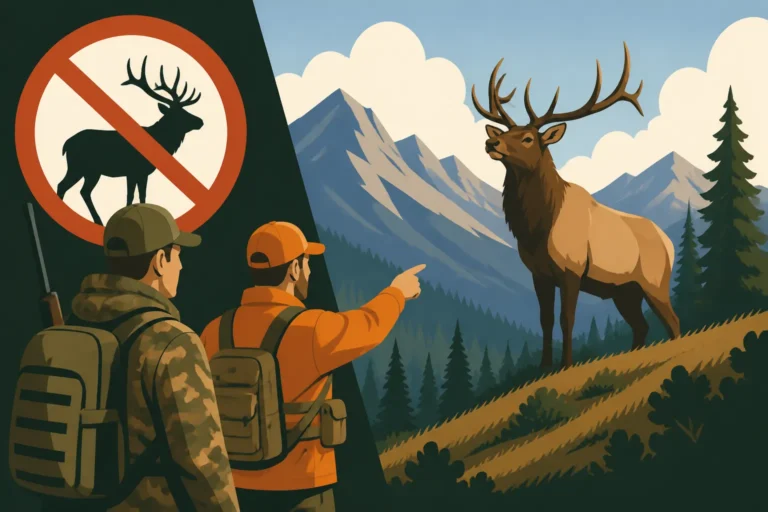
Now, here's where the nuance comes in, and it's a critical point for mountain lion hunters. While the rule is very clear for certain charismatic species like elk, requiring nonresidents to hire an outfitter when hunting them in designated wilderness, not all big game falls under this umbrella. It's a common misconception that any big game hunt in wilderness requires a guide for nonresidents. In fact, Idaho makes specific exemptions. You might be surprised to learn that Deer and Bear Escape Idaho's Wilderness Guide Rule, and the same logic generally applies to mountain lions. This distinction is vital for planning your hunt and understanding what's truly required of you.
Defining "Designated Wilderness" in Idaho
When we talk about "designated wilderness" in Idaho, we're referring to specific, federally protected areas that are managed under the Wilderness Act. These aren't just any remote backcountry spots; they are formally designated areas where motorized vehicles, including ATVs, dirt bikes, and even e-bikes, are strictly prohibited. These vast tracts of land are intentionally kept wild and untamed, with no permanent roads, minimal human structures, and a focus on preserving their natural character. Think of places like the Frank Church-River of No Return Wilderness, the Selway-Bitterroot Wilderness, or portions of the Gospel Hump Wilderness. Knowing Which Idaho Wilderness Areas the Rule Covers is paramount, as crossing an unseen boundary could inadvertently lead to a violation if you're not properly prepared or guided. These areas are truly immersive experiences, demanding self-reliance and respect for the environment.
Why Mountain Lions are Different from Other Big Game in Wilderness
The specific regulations surrounding mountain lion hunting in Idaho's designated wilderness are a breath of fresh air for many nonresident hunters, offering a bit more flexibility than some other big game species. It’s important to understand why lions fall into a different category.
The Specific Exemption for Mountain Lions
Unlike elk and bighorn sheep, which require nonresidents to hire a licensed outfitter for wilderness hunts, mountain lions are exempt from this specific guide requirement. This means a nonresident can, in theory, pursue a mountain lion in one of Idaho's designated wilderness areas without hiring a professional guide or outfitter. This exception is a significant detail, as it opens up unique opportunities for experienced hunters looking to tackle a true backcountry challenge on their own terms. However, "can" is a very different word from "should," and the practicalities of such a hunt are immense. The Idaho Fish and Game department publishes regulations that explicitly list which species trigger the guide rule for non-residents in wilderness, and mountain lions are consistently absent from that list.
The Practicalities of Hunting Lions in Wilderness
While the legal barrier of a guide is removed, the practical barriers remain incredibly high. Hunting mountain lions, especially in vast wilderness, is intensely demanding. The primary method for hunting lions in Idaho is Hound Hunting for Idaho Lions. This requires a dedicated pack of hounds, specialized gear, and an immense amount of physical endurance. You'll need to navigate incredibly steep, rough terrain, often in deep snow, following dogs that can cover many miles in a day. The logistics of getting a hound team, all their equipment, and yourself deep into a wilderness area – where no motorized access is allowed – are staggering. This means packing in on horses, mules, or backpacking everything you need, potentially for days or weeks. Even if you don't need to hire a guide, you will still need to plan for packing in your dogs, food, shelter, and emergency supplies.
Historical Context and Management Decisions
The distinction for mountain lions often comes down to the nature of the hunt and management objectives. Lion populations are managed differently than, say, elk or moose. Lion hunting is largely opportunistic and often relies on specialized methods like hounds, which inherently require significant expertise and equipment that most casual hunters don't possess. The state's goal with the guide rule is often focused on managing hunting pressure and ensuring safety for species that see broader participation (like elk) in these challenging environments. For species like mountain lions, the inherent difficulty and specialized nature of the hunt naturally limit participation, making a mandatory guide less critical from a management perspective. It's a reflection of the unique demands of lion hunting itself, rather than a loophole.
Navigating Idaho's Designated Wilderness Areas
Successfully hunting mountain lions in Idaho's wilderness without a guide isn't just about understanding the regulations; it's about mastering the landscape. These areas are designed to be wild, and they live up to that promise.
Key Wilderness Areas in Idaho
Idaho is home to some of the largest and most rugged wilderness areas in the Lower 48. The crown jewel is arguably the Frank Church-River of No Return Wilderness, a massive expanse covering over 2.3 million acres. To its north lies the Selway-Bitterroot Wilderness, straddling the Idaho-Montana border, with another 1.3 million acres of wild country. Other significant wilderness areas include the Gospel Hump Wilderness and parts of the Sawtooth Wilderness. These areas are characterized by towering peaks, deep canyons, dense timber, and remote rivers like the Salmon and Selway. Familiarizing yourself with these specific areas, their boundaries, and general terrain is the first step. The Idaho Hunt Planner Is the Tool to Start With for this, allowing you to explore unit boundaries and wilderness designations.
Access and Logistics for Wilderness Hunts
Accessing these areas is where the true challenge begins. Since motorized vehicles are prohibited, your options are limited to foot, horseback, or in some specific instances, licensed aircraft to designated backcountry airstrips. If you plan to use horses or mules, you'll need significant experience with pack stock and a solid understanding of Pack Stock Rules Inside Designated Wilderness. Many wilderness trailheads are at the end of long, often rough, forest service roads, and even getting to the starting point can be an adventure. Once you're in, every piece of gear, every drop of water, every bite of food has to be carried by you or your animals. This necessitates meticulous planning, lightweight gear, and a deep understanding of backcountry survival. Satellite communication devices are highly recommended, as cell service is nonexistent in most of these areas.
| Wilderness Area Name | Region | Key Features | Primary Access Methods |
|---|---|---|---|
| Frank Church-River of No Return | Central Idaho | Salmon River canyon, rugged mountains, dense forests, vast size | Trailheads (foot/horse), some backcountry airstrips, Salmon River jet boats |
| Selway-Bitterroot Wilderness | North-Central Idaho/Montana | Steep, heavily timbered slopes, deep drainages, Selway River | Trailheads (foot/horse), some backcountry airstrips |
| Gospel Hump Wilderness | North-Central Idaho | High alpine lakes, subalpine forests, rugged terrain | Trailheads (foot/horse) |
| Sawtooth Wilderness | Central Idaho | Iconic jagged peaks, alpine lakes, high elevation | Trailheads (foot/horse) |
| Hells Canyon Wilderness | Western Idaho/Oregon | North America's deepest canyon, arid breaks, Snake River | Trailheads (foot/horse), Snake River jet boats |
Motorized Restrictions and Leave No Trace Principles
It cannot be stressed enough: Motorized Vehicles Inside Wilderness Boundaries are absolutely forbidden. This includes anything with a motor, no matter how small. Violating this rule carries severe penalties and is a fundamental affront to the wilderness ethic. Furthermore, hunting in these areas demands strict adherence to Leave No Trace principles. This means packing out everything you pack in, including trash, spent cartridges, and even organic waste if possible. Proper disposal of game carcasses, minimizing your impact on trails and campsites, and respecting wildlife are not just good practices; they are essential for preserving these unique landscapes for future generations. The concept of "leave no trace" goes hand-in-hand with hunting in these remote, fragile ecosystems.
Planning Your Mountain Lion Hunt: Guided vs. DIY Considerations
Even with the nonresident guide exemption for mountain lions in Idaho's wilderness, the decision between a guided hunt and a do-it-yourself (DIY) adventure is significant. It boils down to your experience, resources, and tolerance for extreme challenges.
Advantages of a Guided Mountain Lion Hunt
Let's be real: even if not legally required, a guided mountain lion hunt, especially in wilderness, offers immense advantages. Outfitters bring decades of experience, intimate knowledge of specific hunting units, and access to critical resources like seasoned hounds and well-trained pack stock. They handle all the intricate logistics, from permits and camp setup to navigating treacherous terrain and tracking elusive cats. A professional outfitter understands lion behavior, knows where to find them based on snow conditions and prey patterns, and, most importantly, provides the hounds and expertise to pursue a treed cat. What a Guided Idaho Elk Hunt Costs might give you a baseline for other big game, but guided lion hunts have their own price structure, reflecting the specialized nature and intense effort involved. Using a service like BookYourHunt could help you find and compare various outfitters offering these specialized trips, giving you a clear picture of what's available.
The Challenges of a DIY Wilderness Lion Hunt
Attempting a DIY mountain lion hunt in Idaho's wilderness is not for the inexperienced or ill-prepared. You would need to:
- Possess or acquire a top-tier hound pack: This is the most crucial element. Quality lion hounds are expensive, require year-round training, and demand specialized care.
- Master wilderness navigation and survival: Beyond just reading a map, you need to be proficient in backcountry first aid, fire starting, shelter building, and dealing with extreme weather.
- Manage all logistics: Packing in all your supplies, dealing with potential injuries (yours or your dogs'), and safely packing out a harvested lion from miles deep in the wilderness is a monumental task.
- Understand local lion behavior and habitat: This takes years of scouting and experience. Without hounds, your chances of success are extremely low.
The physical demands are staggering. Chasing hounds up and down canyons, through dense timber and deep snow, can be an all-day, multi-day affair. Most hunters simply don't have the dogs, the experience, or the physical conditioning to pull off a successful DIY wilderness lion hunt.
Evaluating Your Experience and Resources
Before you commit to a DIY wilderness lion hunt, take an honest inventory of your capabilities. Do you have extensive experience hunting with hounds for mountain lions? Do you own a reliable pack of well-trained dogs? Are you an expert in wilderness navigation, first aid, and survival? Do you have the physical endurance to keep pace with hounds over incredibly challenging terrain for multiple days? Can you afford the significant investment in specialized gear, mapping software (like what GoHunt offers), and emergency communication devices? For most nonresidents, especially those new to lion hunting or Western wilderness, the answer to these questions will lean heavily towards needing assistance. While the law may allow it, wisdom often dictates a different path.
Finding Reputable Outfitters and Understanding the Process
If, after considering the immense challenges, you decide that a guided hunt is the most realistic and safest option for pursuing a mountain lion in Idaho's wilderness, vetting the right outfitter is your next critical step.
Verifying an Outfitter's Credentials
This is absolutely non-negotiable. Always verify that any outfitter you consider is properly licensed by the Idaho Outfitters and Guides Licensing Board. You can and should look up their current license status and check for any past complaints. This board exists specifically to regulate these professionals and protect clients. Ask for references from past clients, particularly those who have hunted mountain lions in wilderness areas. Don't just ask about success rates; inquire about the guide's safety practices, communication, gear quality, and overall professionalism. Questions to Ask an Idaho Outfitter should include specifics about their experience in the wilderness areas you're interested in and their approach to lion hunting.
What to Expect from a Guided Lion Hunt
A reputable outfitter will typically provide a comprehensive experience. This includes:
- Expert guides and well-trained hounds: This is the core of a successful lion hunt.
- Logistics: Transportation into the hunting area (often on horseback or snowmobiles to the wilderness boundary, then horses/foot), camp setup, meals, and experienced wranglers if pack stock is used.
- Safety protocols: Knowledge of the area, emergency communication, and first aid capabilities are crucial.
- Game handling: Assistance with field dressing, packing out the cat, and preparing it for transport or taxidermy.
Expect to discuss detailed gear lists, physical conditioning requirements, and specific expectations for the hunt. Lion hunting can involve long days and unpredictable weather, so flexibility and a good attitude are essential. Remember, Idaho Mountain Lion Season and Quota Closures can affect hunt timing and unit availability, so confirm these details with your outfitter.
Booking and Preparation for a Wilderness Hunt
Booking a guided lion hunt, especially one that ventures into true wilderness, often requires planning far in advance. Good outfitters book up quickly. Be prepared to pay a deposit, and understand the outfitter's cancellation and refund policy, particularly if you're applying for a controlled hunt tag (though most lion tags are general). Discuss all costs upfront, including what is and isn't covered (e.g., license, tag, meat processing, taxidermy, tips). Physical preparation is key; lion hunting is physically grueling, so start a rigorous fitness regimen well before your trip. Studying maps of the wilderness area and understanding the terrain will also give you an edge, even with a guide leading the way. Services like GoHunt or BookYourHunt can be valuable resources for finding outfitters and researching units, but always follow up with direct verification through the Idaho licensing board.
Disclaimer
This article is for general informational purposes only and does not constitute professional advice. Laws, prices and regulations vary by location and change over time. Consult a qualified professional for guidance on your specific situation.