Why Guides Cannot Work Independently in Idaho
It’s easy to get confused when you start looking into guided hunts in Idaho, especially if you're picturing an independent guide taking you out for a week. Many hunters, particularly those new to the state or to hiring a professional, often wonder if they can just connect with an experienced individual guide. The truth is, Idaho operates under a very specific regulatory framework where guides cannot work independently. This guide will walk you through the nuances of Idaho's outfitting and guiding laws, explaining why this structure exists and what it means for you as a hunter.
The Foundation: Idaho's Outfitter-Guide Relationship
When you decide to hire professional assistance for your hunt in Idaho, it's crucial to understand the fundamental legal distinction between an "outfitter" and a "guide." This isn't just semantics; it's the bedrock of how the entire commercial hunting industry operates in the Gem State, and it's designed to protect everyone involved.
The Legal Distinction Between an Outfitter and a Guide
In Idaho, an outfitter is the licensed business entity responsible for arranging, conducting, and providing commercial recreational services. Think of them as the business owner. They hold the necessary permits from federal agencies like the Forest Service or Bureau of Land Management to operate on public lands, they carry the required insurance, and they manage the entire logistical operation – from camp setup and equipment to transportation and food. Outfitters are the ones who legally contract with you, the client, for a hunting trip. Their business is the one holding the legal and financial liability.
A guide, on the other hand, is an individual who is employed by and works under the direct supervision of a licensed outfitter. Guides are the folks on the ground with you, leading the way, calling in elk, spotting deer, and packing out game. They possess the field expertise, local knowledge, and hunting skills that make your trip successful. However, their ability to provide these services commercially is entirely dependent on their employment with a licensed outfitter. They don't have their own operating permits, their own insurance policies for client protection, or the legal standing to contract directly with you for a paid hunt. It's a system built on delegation and oversight, where the outfitter is the responsible party.
This clear delineation ensures that there's always a central, accountable business entity that meets the state's stringent requirements. It prevents a scenario where an individual could simply hang a shingle and take clients into the backcountry without any oversight, insurance, or formal permits.
Why This Structure Exists: Consumer Protection and Accountability
The primary reason Idaho has established this outfitter-centric model is to protect you, the consumer, and to maintain a high standard of professionalism and safety within its recreational outfitting industry. Imagine a situation where you book a hunt with an individual guide who doesn't have insurance, doesn't operate under any permits, and suddenly an accident occurs, or they simply don't deliver on their promises. Without the outfitter model, seeking recourse or holding someone accountable would be incredibly difficult, if not impossible.
The state, through its regulatory board, requires outfitters to be bonded and insured. This means that if something goes wrong – whether it’s a client injury, damaged property, or a breach of contract – there's a legal and financial mechanism in place to address it. An independent guide would rarely, if ever, carry the extensive liability insurance and bonding required of a full outfitting operation. This framework also ensures ethical conduct. When a guide is employed by an outfitter, they are also operating under the outfitter's reputation and license, adding another layer of incentive to perform professionally and ethically. It means the outfitter is ultimately responsible for the actions of their guides, fostering a culture of accountability that benefits everyone.
Understanding the Idaho Outfitters and Guides Licensing Board (IOGLB)
The body that oversees this entire system is the Idaho Outfitters and Guides Licensing Board (IOGLB). They are the state agency responsible for ensuring that all commercial outfitting and guiding operations in Idaho meet specific standards for safety, financial responsibility, and professional conduct.
The Role of the IOGLB in Regulating the Industry
The IOGLB is the gatekeeper for commercial outfitting in Idaho. They don't just hand out licenses to anyone who asks; they thoroughly vet applicants to ensure they meet a strict set of criteria. Their mandate is to promote public safety and protect the state's natural resources while fostering a healthy recreational outfitting industry. This means they are involved in everything from setting operational standards to investigating complaints against licensed outfitters. You can learn more about their specific function by looking into The Idaho Outfitters and Guides Licensing Board Explained.
Crucially, the IOGLB issues licenses to outfitters, not directly to individual guides. Guides are then registered with the IOGLB under the outfitter's license. This distinction is vital because it establishes a clear chain of command and responsibility. If you have a concern or a complaint about a guided hunt, your interaction is with the licensed outfitter, who is then accountable to the IOGLB. This central point of contact simplifies oversight and ensures that there's a formal process for addressing issues, giving clients confidence in the services they receive.
Licensing Requirements for Outfitters and Guides
The requirements for becoming a licensed outfitter in Idaho are extensive, reflecting the significant responsibility they carry. An outfitter must possess a valid business license, carry substantial liability insurance, and often provide a bond. They must also secure various permits to operate on public lands, such as those issued by the U.S. Forest Service or the Bureau of Land Management for specific areas and activities. These permits dictate where, when, and how an outfitter can conduct their operations, ensuring sustainability and minimizing impact on wildlife and habitat.
For guides, the requirements are equally rigorous but focused on their individual capabilities and ethical conduct while working under an outfitter. A guide must be at least 18 years old and typically needs to have a current first aid and CPR certification. They also need to demonstrate sufficient experience and knowledge of the area they guide in, often requiring a minimum number of days guiding in that specific area – sometimes referred to as The Ten-Day Area Experience Guides Must Have. Depending on the type of hunt, such as a horseback hunt, guides might also need to demonstrate proven skills like Horsemanship Requirements for Idaho Guides. All these personal qualifications, however, must be tied to employment with a licensed outfitter. A guide's registration with the IOGLB is directly linked to their outfitter, meaning if they cease employment with that outfitter, their ability to guide commercially also ceases until they are registered under another licensed operation.
The Practical Implications for Guides and Hunters
Understanding this legal framework moves beyond just regulations; it has very real, practical implications for both the guides providing the service and the hunters seeking an adventure in Idaho's vast landscapes.
Why Guides Cannot Work Independently
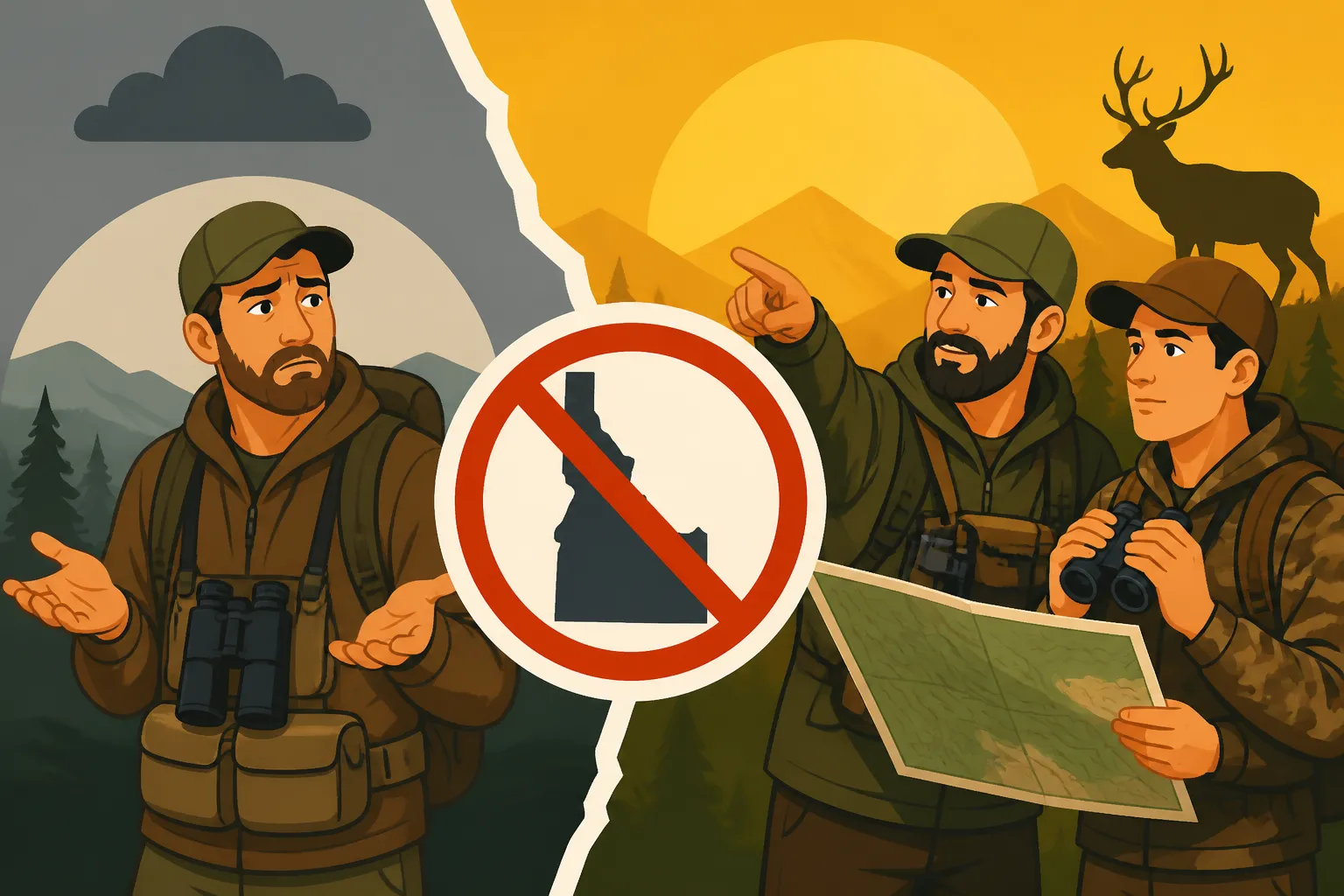
The simple answer to "Why Guides Cannot Work Independently in Idaho" is that it's illegal. An individual guide operating without the umbrella of a licensed outfitter lacks several critical components that are mandatory for commercial hunting operations in Idaho. First and foremost, they would not possess the necessary commercial operating permits for public lands. These permits are granted to businesses, not individuals, and are often limited to specific areas and client numbers. Without these, a guide would be trespassing or operating illegally on public lands, which could lead to severe penalties, including fines, confiscation of equipment, and even legal action that could impact their ability to hunt in Idaho in the future.
Beyond permits, an independent guide would typically not carry the extensive commercial liability insurance required by the state. This insurance is essential to protect clients in case of accidents, injuries, or unforeseen circumstances in the remote and often rugged Idaho backcountry. Without it, both the guide and the client would be exposed to immense personal and financial risk. Moreover, the IOGLB's regulatory oversight and complaint resolution mechanisms would not apply to an unlicensed individual. This means an "independent" guide would operate outside any official standards, with no formal accountability if things went awry. For all these reasons, Idaho strictly enforces the rule that guides must be employed by and operate under a licensed outfitter, ensuring a safer and more accountable experience for everyone on the mountain.
What This Means for Hunters Seeking a Guided Experience
As a hunter, this structure fundamentally changes how you approach booking a guided trip. You must book your hunt directly through a licensed outfitter, not an individual guide. The outfitter will then assign a guide or a team of guides to your hunt. This process is designed to give you peace of mind, knowing that you are dealing with a legitimate business that is accountable to state regulations.
If someone approaches you offering a "guided hunt" but can't provide an outfitter's license number or claims to be an "independent guide," that should be an immediate red flag. Engaging with such an individual could put your entire hunt, your personal safety, and even your hunting privileges at risk. You could unintentionally become complicit in an illegal operation. Instead, look for reputable outfitters who clearly advertise their licensing and affiliations. Many online platforms, like BookYourHunt or GoHunt, specialize in connecting hunters with vetted and licensed outfitters, though it's still always wise to perform your own due diligence.
Remember, too, that for nonresidents, specific rules apply in Idaho's designated wilderness areas. For certain species like elk, you are legally required to employ a licensed outfitter to guide your hunt within these boundaries. This is highlighted in topics like Idaho Forces Nonresidents to Hire a Guide for Wilderness Elk, adding another layer of importance to selecting a legitimate outfitter.
How to Ensure You're Working with a Legal Guide
Knowing that guides cannot operate independently is the first step. The next is understanding how to confidently choose a legitimate outfitter and ensure your hunting adventure is both legal and safe.
Verifying Outfitter Credentials Before You Book
Before you commit to any guided hunt, it's absolutely essential to verify the outfitter's credentials. This isn't just a suggestion; it's a critical step in protecting yourself and ensuring you have a positive experience. The primary way to do this is by checking directly with the Idaho Outfitters and Guides Licensing Board (IOGLB). They maintain a public database of all currently licensed outfitters. You can ask the outfitter for their license number, and then cross-reference it on the IOGLB website. This simple step confirms that you are dealing with a legitimate operation that is subject to state oversight.
Don't hesitate to ask detailed questions about their operations, permits, and insurance. Reputable outfitters will be transparent and happy to provide this information. When looking for outfitters, platforms like BookYourHunt or GoHunt can be helpful resources, as they often have their own vetting processes. However, always confirm details directly with the IOGLB before making a deposit. This due diligence includes asking about their success rates, what's included in the price, and their cancellation policies, as detailed in Questions Worth Asking Before You Book. Remember, a significant investment like a guided hunt warrants thorough research to ensure you're in good hands.
The Risks of Hiring an Unlicensed Guide
The allure of a cheaper hunt or a "friend of a friend" who promises a great trip can be tempting, but hiring an unlicensed guide or an outfitter operating without proper credentials carries substantial risks that far outweigh any perceived savings. Firstly, and most critically, it's illegal. Both the unlicensed guide and you, the client, could face fines, confiscation of hunting equipment, and potential loss of hunting privileges in Idaho. This isn't a small slap on the wrist; it can be a serious blow to your hunting career.
Beyond legal trouble, safety is a paramount concern. An unlicensed guide won't have the commercial liability insurance that a licensed outfitter is required to carry. This means if there's an accident, an injury in the rugged backcountry, or any other unforeseen incident, you could be left with no financial recourse. There's also no oversight from the IOGLB. If the guide engages in unethical practices, misrepresents the hunt, or provides substandard service, you'll have no official avenue for filing a complaint or seeking resolution, unlike with a licensed outfitter who is accountable to the board, as outlined in Filing a Complaint Against an Idaho Outfitter. In essence, you're placing your safety, your investment, and your legal standing in the hands of someone operating completely outside the bounds of the law, turning your dream hunt into a potential nightmare.
| Feature | Licensed Outfitter (and their Guides) | Independent / Unlicensed Guide |
|---|---|---|
| Legal Status | State-licensed business entity | Illegal for commercial operations |
| Permits | Holds USFS, BLM, or private land permits | No commercial permits |
| Insurance | Required commercial liability insurance | Typically none, or inadequate |
| Accountability | Accountable to IOGLB and state regulations | No official oversight |
| Client Protection | Formal complaint process, financial recourse | No official recourse, high risk |
| Ethical Standards | Subject to IOGLB ethical guidelines | No enforced standards |
| Penalties | Loss of license for violations | Fines, seizure, hunting privilege loss |
Disclaimer
This article is for general informational purposes only and does not constitute professional advice. Laws, prices and regulations vary by location and change over time. Consult a qualified professional for guidance on your specific situation.