Idaho Mountain Lion Season and Quota Closures
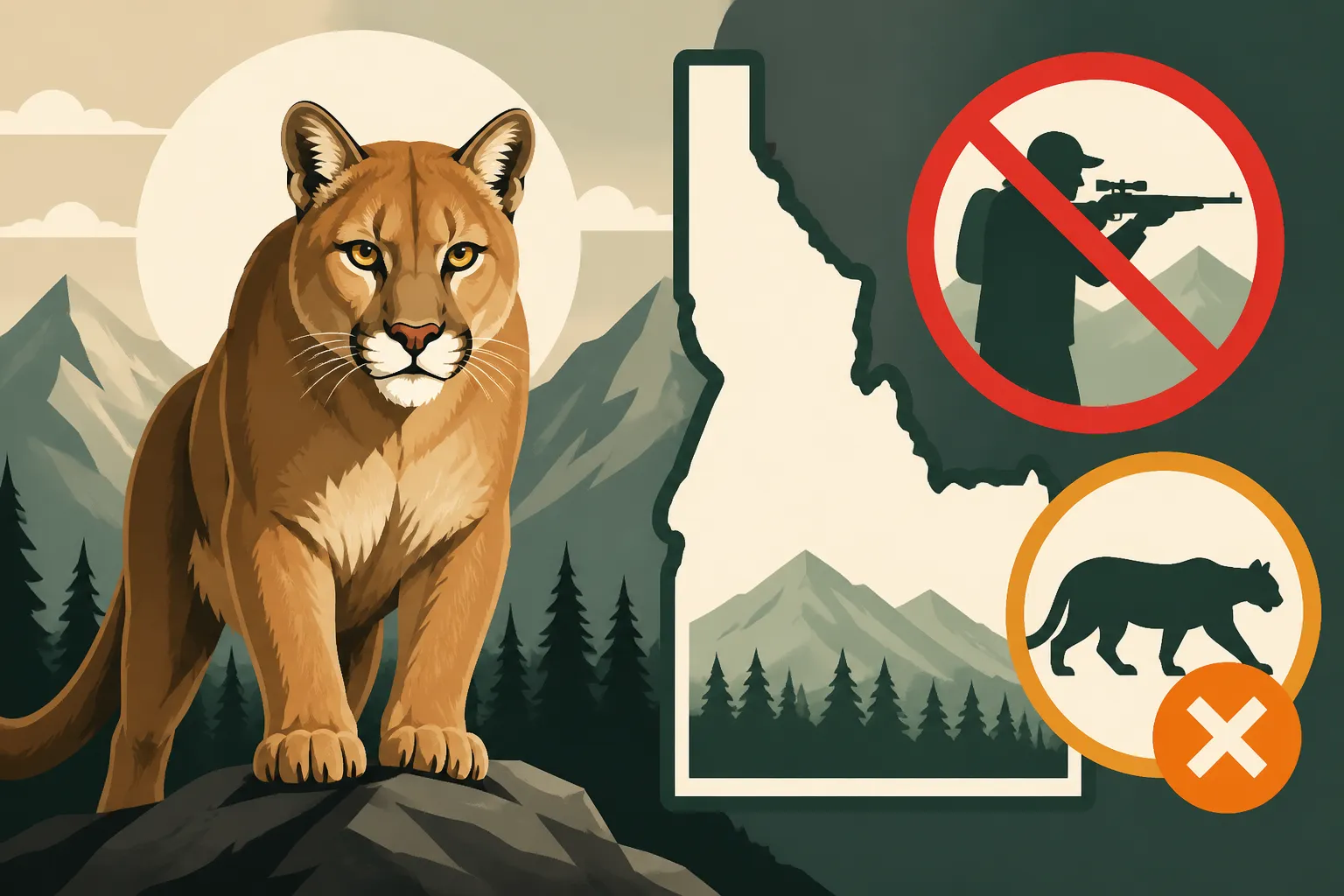
Few things are as frustrating as planning a hard-earned mountain lion hunt in Idaho, only to discover the season has abruptly closed in your chosen unit. It's a common scenario that can derail even the most meticulously planned trips. Unlike deer or elk seasons, which often have fixed dates, mountain lion hunting in Idaho operates on a dynamic quota system that can change day by day. This guide will walk you through the nuances of Idaho's mountain lion season structure, explain how quota closures work, and equip you with the knowledge to stay informed and maximize your chances of a successful hunt.
Understanding Idaho's Mountain Lion Management Strategy
Idaho's approach to managing mountain lions is much more dynamic than for other big game species. It's not simply about opening and closing dates; it's a careful balancing act designed to maintain healthy lion populations while also considering their impact on prey species like deer and elk. The Idaho Department of Fish and Game (IDFG) works diligently to set quotas based on scientific data, harvest history, and local population trends.
This nuanced strategy means that a mountain lion season isn't just a block of time on a calendar. Instead, it's often a window of opportunity that can snap shut without much prior warning once a specific harvest number is met. The goal is to allow for sustainable hunting opportunities without overharvesting, particularly female lions, which are critical for population growth. Hunters sometimes find this unpredictable nature daunting, especially when they've invested time and money into a trip. But understanding the 'why' behind these rules can help in navigating the 'how' of planning. The state is committed to ensuring long-term health for both predator and prey, and managing lion numbers plays a crucial role in that ecological balance.
How Mountain Lion Quotas Work in Idaho
At the heart of Idaho's mountain lion hunting lies the quota system, which is arguably the most critical element for any hunter to understand. It’s what differentiates a lion hunt from many other big game pursuits.
Defining Quotas and Their Regional Application
A mountain lion quota in Idaho isn't just a broad, statewide number. Instead, it's a very specific maximum number of lions that can be harvested within designated Game Management Units (GMUs) or larger zones. This hyper-local approach means that while one unit might remain open for weeks, an adjacent unit could close within days due to its quota being met. This level of granularity is essential for targeted management, allowing IDFG to address specific population dynamics or prey concerns in different areas. Hunters need to be intimately familiar with the boundaries of the unit they intend to hunt, as crossing into a closed unit could lead to serious legal repercussions. This regional variation, often tied to Idaho Mountain Lion Quota Areas Explained, means constant vigilance is required.
Gender-Specific Quotas for Conservation
Adding another layer of complexity, Idaho often implements gender-specific quotas for mountain lions. This typically means there's an overall quota for "any lion" in a given unit, but also a separate, often lower, sub-quota specifically for female lions. The reason for this distinction is deeply rooted in conservation. Female lions are the reproductive engine of the population; overharvesting them can have a much more significant and detrimental impact on long-term population numbers than harvesting males.
Imagine a scenario where a unit has an "any lion" quota of 10 animals, but a "female lion" sub-quota of 3. If hunters take three female lions, that sub-quota is met, and the season for females closes immediately in that unit, even if only five total lions have been harvested. The season might continue for male lions until the "any lion" quota is reached, or until the general season closes, whichever comes first. This detail highlights why accurate identification in the field is not just good practice, but absolutely critical for mountain lion hunters. Mistakenly harvesting a female after her quota has closed is a serious offense.
Tracking Quotas in Real Time
This is where the rubber meets the road for hunters. With quotas capable of closing at any moment, how do you stay informed? Idaho Fish and Game understands this challenge and provides resources to help. The primary method is their official website, which typically features a dedicated "Mountain Lion Quota and Harvest" page. This page is updated regularly, often daily, with the current harvest count and remaining animals allowed for each unit and gender-specific quota.
Savvy hunters know to check this page religiously, especially as the season progresses or if they are hunting in a unit known for high harvest rates. Additionally, some third-party services, like GoHunt, provide integrated data that can help hunters track these quotas, sometimes even offering alerts or better visualization. While these tools are incredibly helpful, always cross-reference with the official IDFG data. Relying on outdated information could lead to an unfortunate situation where you hunt in an area that has already closed. It’s a constant dance of planning and monitoring, but it's essential for a legal and ethical hunt.
Navigating Season and Quota Closures
The unpredictable nature of mountain lion seasons due to quotas can be incredibly frustrating. One day your target unit is open, the next it's not. Understanding how to react and stay informed is paramount.
The Reality of Sudden Closures
Picture this: you've driven hours, scouted diligently, and finally cut a fresh track. You're ready to deploy your hounds or start a careful stalk. Then, you check your phone, and the Idaho Fish and Game website clearly states that your unit's mountain lion quota has been met and the season is now closed. This isn't a hypothetical scenario; it's the lived experience of many mountain lion hunters in Idaho. Closures can happen literally overnight, or even mid-day if enough harvest reports come in quickly.
This suddenness is a direct consequence of the real-time quota management system. As soon as IDFG determines a quota has been reached, the closure is announced, and it's effective immediately. There's no grace period. This is a significant source of frustration for hunters who may have spent days or even weeks in the field, only to have their hunt cut short. However, it's a necessary component of responsible wildlife management, ensuring that localized populations are not over-pressured.
Essential Methods for Staying Informed
Given the dynamic nature, actively seeking information is not optional; it's a requirement for a successful and legal mountain lion hunt. The most critical resource is the official Idaho Fish and Game website. They host a dedicated page for mountain lion harvest statistics and quota statuses, typically updated daily. Hunters should bookmark this page and check it before heading into the field each day, and ideally, even throughout the day if hunting close to a quota limit.
Beyond the website, IDFG often provides regional offices with up-to-the-minute information, so a phone call to a local office can sometimes be beneficial, especially if internet access is spotty. Some hunters also utilize hunting apps or websites like GoHunt, which often aggregate and display IDFG data in a user-friendly format, sometimes even offering push notifications for quota changes. While these tools are invaluable, always remember that the official IDFG source is the ultimate authority.
Here's a quick look at how you might track quotas (hypothetical data):
| Game Management Unit (GMU) | Total Lion Quota | Female Lion Quota | Lions Harvested (Total) | Female Lions Harvested | Status |
|---|---|---|---|---|---|
| 10A (Lochsa) | 15 | 5 | 12 | 4 | Open |
| 14 (Clearwater) | 10 | 3 | 10 | 3 | Closed |
| 17 (Selway) | 20 | 7 | 8 | 2 | Open |
| 39 (Boise River) | 8 | 2 | 7 | 2 | Closed |
This table is for illustrative purposes only. Always check the official Idaho Fish and Game website for current quota information.
What to Do When a Unit Closes
When a unit closes, the message is unequivocal: you must cease hunting mountain lions in that specific unit immediately. This isn't a suggestion; it's a legal directive. Continuing to hunt, even if you were unaware of the closure, can lead to significant penalties, including fines, confiscation of harvested animals and equipment, and loss of hunting privileges. This is why constant vigilance with quota tracking is so crucial.
If you are already in the field when a closure is announced, the best course of action is to safely pack up your gear and exit the unit. If you've been working a track, you must abandon it. The temptation to "just finish this one" can be strong, but the consequences are not worth it. For those with backup plans, this is when they become critical. Having a few alternative units researched and potentially scouted, with their own quota statuses monitored, can salvage a hunt that would otherwise be over. Flexibility and strict adherence to the rules are the cornerstones of hunting ethically and legally in Idaho's dynamic mountain lion season.
Key Regulations Beyond Quotas
While understanding quotas is paramount for mountain lion hunting in Idaho, several other critical regulations govern the pursuit of these elusive predators. Ignoring these can lead to fines and loss of privileges, even if you’re well within quota limits.
Mandatory Tagging and Harvest Reporting
The instant you harvest a mountain lion in Idaho, your responsibilities don't end; they intensify. First, you must immediately validate your tag by notching or otherwise marking it as specified on the tag itself. This proves that you've legally taken the animal and prevents reuse of the tag. But that's just the beginning. Idaho law mandates prompt harvest reporting for mountain lions. Hunters must report their harvest to IDFG within a very specific timeframe, usually 24 to 48 hours, depending on the current regulations. This quick reporting is absolutely crucial because it's how IDFG monitors the quotas in real-time. If hunters delay reporting, the quotas could be exceeded before the state can announce a closure, which then impacts the overall management strategy. This vital step is part of Mandatory Reporting After an Idaho Harvest.
Beyond the initial report, you'll also be required to present the skull and hide of the harvested lion to an IDFG regional office or designated check station within a specified period (often within 10 days). During this mandatory inspection, the animal will be officially sealed or tagged, often with a CITES tag if the hide is intended for transport out of state or for commercial purposes. This inspection also allows biologists to collect valuable data, such as age, sex verification, and general health, which contributes to their ongoing population management efforts. Without this official sealing, transporting or possessing the hide or skull can be illegal. This process is detailed further in topics like Idaho Mountain Lion Pelt Tagging Rules.
Hound Hunting and Other Methods
Mountain lion hunting in Idaho is often synonymous with hound hunting, and it's a legal and traditional method widely practiced across the state. Using trained dogs to track and tree a lion is an effective way to hunt them, especially in the rugged, dense terrain they inhabit. The rules around Idaho Hound Rules for Mountain Lion Hunting are specific, covering everything from the number of dogs allowed to how they must be controlled. Hunters using hounds must ensure their dogs are properly licensed and that their activities comply with all state regulations. This method also ties into quota management, as hound hunters are typically very efficient and contribute significantly to harvest numbers, making their timely reporting even more critical.
Other legal methods for hunting mountain lions exist, though they are less common than hound hunting. Spot-and-stalk can be attempted, particularly in areas with good visibility or fresh snow, but it's incredibly challenging given the lion's elusive nature. Baiting for mountain lions is generally prohibited in Idaho, similar to other big game species, to ensure fair chase principles are maintained. Electronic calls, while legal for many predators and varmints, often have specific restrictions or are completely illegal for big game like mountain lions. Hunters should always consult the current Idaho hunting regulations booklet to confirm the legality of any specific hunting aid or method.
Motorized Vehicle Restrictions and Access
Idaho is a vast state with incredible public land, but that doesn't mean you can drive anywhere you want while hunting. The state has strict rules regarding motorized vehicle use on public lands, primarily to protect sensitive wildlife habitats, prevent erosion, and maintain the primitive hunting experience in many areas. Idaho's Motorized Hunting Rule Keeps You on the Road and specifically states that hunters must generally remain on established roads and trails. Driving off-road to pursue game or even retrieve a downed animal is often prohibited.
This rule is particularly relevant for mountain lion hunters, who often operate in remote, rugged terrain. While you might use a vehicle to access a trailhead, the actual pursuit of a lion will almost certainly involve foot travel, often through challenging landscapes. Understanding Idaho's Motorized Hunting Rule and Where It Applies is crucial for avoiding legal issues. Always consult motor vehicle use maps (MVUMs) provided by the Forest Service or BLM for the specific area you plan to hunt to know precisely which routes are open to motorized travel and which are closed or restricted seasonally. These rules ensure that even in pursuit of a trophy, conservation and respect for the land remain paramount.
Planning Your Idaho Mountain Lion Hunt
Successfully planning an Idaho mountain lion hunt requires more than just picking a date; it demands thorough research, adaptability, and a commitment to staying informed. Given the dynamic quota system, a well-thought-out plan is your best defense against disappointment.
In-Depth Unit Research and Data Analysis
Before you even think about packing your gear, dive deep into researching potential hunting units. The Idaho Department of Fish and Game (IDFG) provides a wealth of information that is crucial for planning. Start with The Idaho Hunt Planner Is the Tool to Start With, an invaluable online resource that allows you to explore units, view harvest statistics, check public land percentages, and even overlay various maps. This tool can show you historical lion harvest numbers for specific units, helping you identify areas that traditionally hold good populations or have higher success rates.
Look beyond just harvest numbers. Consider the terrain; mountain lions favor steep, rugged country with dense cover, often near their primary prey sources like deer and elk. Understanding Idaho mountain lion population and density in a given area will help you gauge your odds. Analyzing success rates, hunter effort, and past closure dates for various units can help you pinpoint areas that might remain open longer or offer better opportunities. Don't forget to look for data on snowpack, as fresh snow can make tracking lions significantly easier, potentially increasing harvest rates and leading to earlier quota closures. This detailed research is foundational, allowing you to develop a list of primary and backup units.
The Importance of Flexibility and Backup Plans
Given the unpredictable nature of quota closures, approaching your Idaho mountain lion hunt with a rigid plan is a recipe for frustration. Instead, cultivate flexibility. This means having not just one, but several potential units researched and ready to go. If your primary unit closes due to its quota being met, having a backup unit that you've also scouted (even if only via satellite imagery) and monitored for quota status can literally save your hunt.
Consider the implications of a gender-specific quota closure. If the female lion quota closes in your chosen unit, are you still interested in hunting for a male, or would you prefer to move to an area where both are open? Your personal hunting goals will heavily influence these decisions. This adaptability extends to your timing as well. While early season might offer more open units, later season often brings better tracking snows. Being prepared to shift locations, or even defer your hunt if conditions aren't right or all your target units close, is a sign of a seasoned and realistic hunter.
Optimal Timing and Weather Considerations
While quotas dictate when a season might end, timing plays a huge role in how you hunt mountain lions. Generally, the late fall and winter months are considered prime time for lion hunting in Idaho. Why? Snow. Fresh snowfall makes tracking lions infinitely easier, especially for those hunting without hounds. A new blanket of snow can reveal a lion’s movements, its kills, and its travel patterns, allowing hunters to cut a track and follow it. Without snow, finding fresh sign in the vast, rugged landscape is like finding a needle in a haystack.
However, this prime snow season often coincides with higher hunter pressure and thus, faster quota fulfillment. This means you might have excellent tracking conditions, but the unit could close quickly. Conversely, early seasons, often in the warmer fall months, might see fewer closures but present much harder hunting conditions due to lack of snow. When planning, consider weather forecasts and historical snow data for your chosen units. Tools like GoHunt can sometimes provide weather trend data that might assist in this planning. Trying to time your hunt with the first significant snows, while still monitoring quotas, often strikes the best balance for a productive and successful mountain lion hunt in Idaho.
Disclaimer
Please remember that hunting regulations, seasons, and quotas in Idaho are subject to change. Always consult the official Idaho Department of Fish and Game website or current regulations booklet for the most up-to-date and accurate information before planning and executing any hunt. This guide is for informational purposes only and should not be considered a substitute for official legal documents or direct communication with IDFG.