Mountain Goat and Sheep Under the Idaho Guide Rule
It can feel like a real gut punch when you're planning your dream mountain goat or bighorn sheep hunt in Idaho, only to discover there's a specific rule that might throw a wrench in your DIY plans if you're coming from out of state. Idaho has some incredibly special places, especially its vast wilderness areas, but these come with a unique set of regulations, particularly for nonresidents aiming for certain trophy species. This guide will walk you through Idaho's wilderness guide rule, focusing specifically on how it impacts nonresident hunters pursuing those elusive mountain goats and bighorn sheep, helping you understand the "why" and "how" of this important regulation.
Understanding Idaho's Wilderness Guide Rule for Nonresidents
Navigating the complex world of hunting regulations can be tough, and Idaho's wilderness guide rule is one of those specific clauses that often catches nonresident hunters off guard. It's not about making things harder; it's rooted in a blend of conservation, safety, and managing the unique challenges these remote landscapes present. For someone traveling a long distance with high hopes, encountering this rule can be frustrating, especially after spending years accumulating points or waiting for a coveted tag.
The Foundational Requirement for Out-of-State Hunters
Let's cut right to it: if you're a nonresident and you've drawn a tag for specific big game species, and you plan to hunt within a designated wilderness area in Idaho, you generally need to hire a licensed Idaho outfitter. This isn't a suggestion; it's a legal requirement. The rule is designed to ensure that hunters, especially those less familiar with Idaho's rugged backcountry, have the expertise and support needed to hunt ethically and safely in these challenging environments. For many, the wilderness areas are the true draw of Idaho hunting, offering unparalleled solitude and a real test of skill and endurance. However, that remoteness also brings significant challenges in terms of navigation, logistics, and emergency response.
This regulation helps manage the impact of hunting pressure in sensitive areas and provides a layer of local knowledge that can be invaluable. Imagine yourself deep in the Frank Church River of No Return Wilderness, miles from the nearest trail, suddenly needing assistance. A licensed outfitter, with their intimate knowledge of the terrain, weather patterns, and emergency protocols, becomes a critical asset. It's a rule that sparks a lot of discussion among hunters, but at its core, it's about responsible access to some of the wildest country left in the Lower 48. Idaho Forces Nonresidents to Hire a Guide for Wilderness Elk covers a similar application of this rule for elk hunting, which can offer further context.
Why Mountain Goat and Bighorn Sheep Fall Under the Mandate
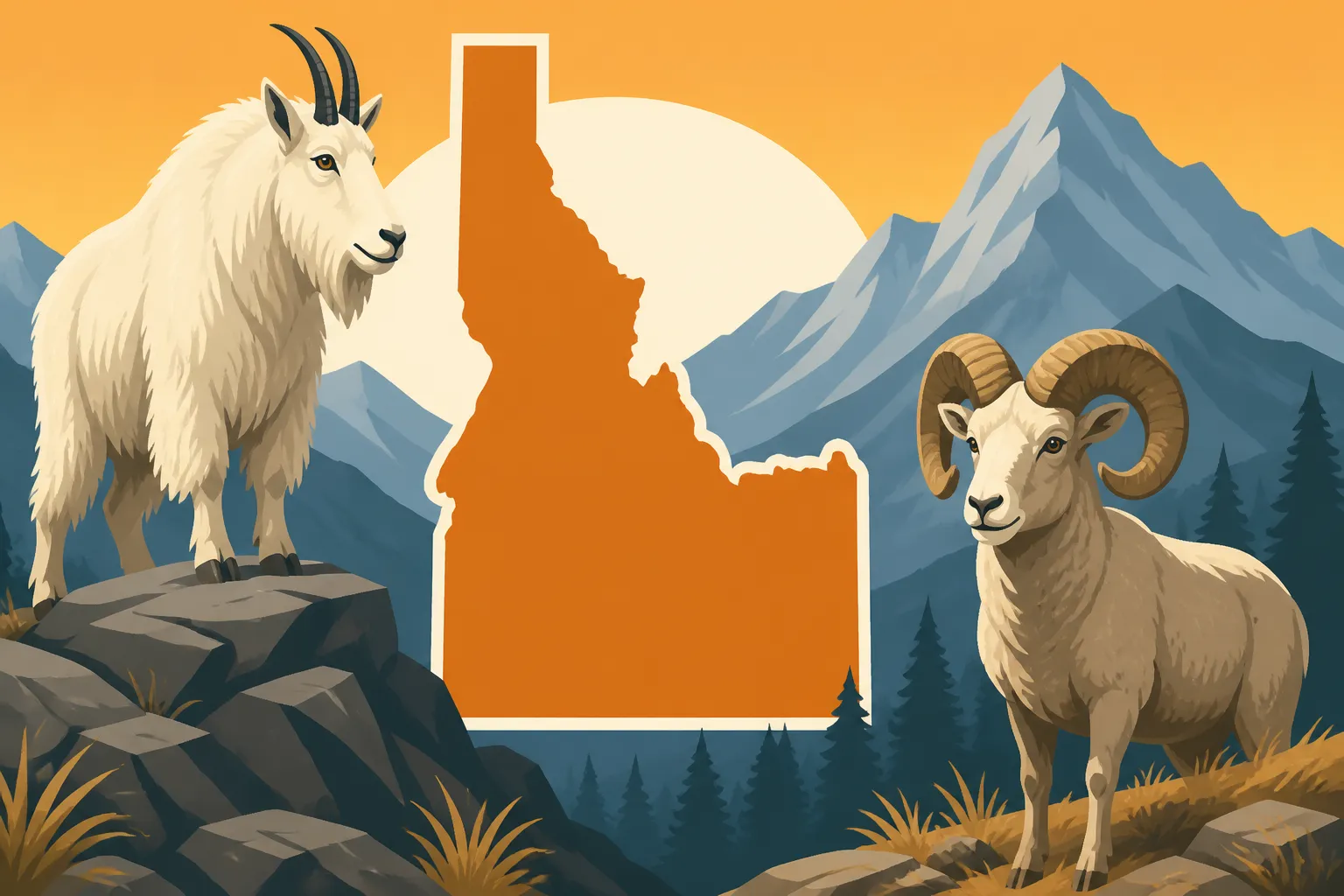
Now, specifically for mountain goats and bighorn sheep, this guide rule is very much in effect for nonresidents hunting in designated wilderness. These two species represent the pinnacle of high-country hunting. They live in incredibly steep, unforgiving terrain, often at elevations where the air is thin and the weather can turn on a dime. Getting to them, let alone retrieving a harvested animal, requires specialized skills, equipment, and often, pack stock.
The rationale for including goats and sheep is multi-faceted. First, their habitats are incredibly fragile. A small number of hunters, even well-intentioned ones, can have a significant impact on sensitive alpine ecosystems. Outfitters are often experienced in low-impact camping and travel techniques. Second, the inherent danger of pursuing these animals cannot be overstated. Accidents in steep, rocky terrain are unfortunately common, and an outfitter provides a layer of safety and preparedness. They understand the nuances of the mountains, from identifying unstable scree slopes to predicting sudden storms. Finally, these are extremely limited, highly sought-after tags. The state wants to ensure that those who draw these rare opportunities conduct themselves in a manner that reflects well on the hunting community and minimizes any negative impact on the resource itself. When you're dreaming of a Idaho Mountain Goat Hunting Above Idaho Timberline adventure, remember this guide rule is part of the package for nonresidents.
Distinguishing From Deer and Bear Exemptions
It's important to understand that Idaho's wilderness guide rule isn't a blanket mandate for all species. While elk, mountain goat, bighorn sheep, and mountain lion generally require a nonresident to be guided in designated wilderness, other popular species like deer and bear are typically exempt. This distinction can be a source of confusion for many. A nonresident can, for instance, hunt mule deer or black bear un-guided within a wilderness area, but not a bighorn sheep, even if they draw both tags and plan to hunt them in the same general vicinity.
The reasoning for this exemption often comes down to the perceived level of difficulty, potential impact, and resource management strategies for each species. Deer and bear, while challenging to hunt, often inhabit a wider range of terrain and are generally considered less vulnerable to the same kind of pressure or logistical issues in the deepest wilderness areas. Furthermore, the populations of deer and bear are typically more robust and widespread than those of mountain goats and bighorn sheep, which often occupy very specific, remote, and environmentally sensitive niches. Knowing these nuances is key, as highlighted in topics like Deer and Bear Escape Idaho's Wilderness Guide Rule. Always double-check the current regulations for the specific species you're pursuing and the area you intend to hunt.
The Philosophy Behind the Mandate: Conservation, Safety, and Access
Idaho's wilderness guide rule, particularly for its most coveted high-country species like mountain goats and bighorn sheep, isn't just an arbitrary hurdle. It's deeply intertwined with the core tenets of responsible wildlife management and hunter safety in some of the continent's most challenging landscapes. Understanding the underlying philosophy can help nonresident hunters appreciate why this rule is in place, even if it adds to their hunt cost and planning.
Protecting Fragile High-Elevation Ecosystems
Imagine the delicate balance of an alpine ecosystem: sparse vegetation clinging to rocky slopes, small pockets of water, and wildlife adapted to extreme conditions. Mountain goat and bighorn sheep habitat is precisely this kind of environment. These areas are incredibly sensitive to human disturbance. Uninformed or unprepared hunters can inadvertently cause damage to fragile plant life, disrupt critical water sources, or leave behind traces that detract from the wilderness experience for others.
Licensed outfitters, who operate under specific permits from land management agencies like the Forest Service, are often required to adhere to strict "Leave No Trace" principles. They understand how to establish low-impact camps, manage waste effectively, and minimize their footprint in these pristine settings. Their intimate knowledge of the terrain also means they can guide clients along established, durable routes, avoiding areas that might be particularly vulnerable to erosion or disturbance. For species like bighorn sheep, which can be particularly sensitive to stress, minimizing disturbance is not just good practice, it's crucial for their long-term health and survival. This guided approach helps ensure that these breathtaking landscapes and their unique inhabitants remain wild and healthy for future generations.
Ensuring Hunter Safety in Rugged Terrain
There's no sugarcoating it: hunting mountain goats and bighorn sheep in Idaho's wilderness is physically demanding and inherently dangerous. These hunts take place in vertical worlds, often involving treacherous climbs, risky traverses across rockslides, and exposure to rapidly changing, severe weather. A simple slip can have catastrophic consequences, and rescue operations in these remote areas are incredibly complex, time-consuming, and expensive.
Outfitters and their guides are required to have extensive backcountry experience, often including wilderness first aid training, navigation expertise, and a deep understanding of mountain weather patterns. They know how to assess risks, identify safe routes, and respond effectively to emergencies. Many outfitters also provide pack stock, which is not only essential for carrying heavy gear and harvested game out of the mountains but also provides a safer means of travel across difficult terrain than attempting to carry everything on your back. For nonresidents who may not have comparable experience in Idaho's specific mountain ranges, having a seasoned professional lead the way significantly reduces the risk of injury or becoming lost. This focus on safety protects both the hunter and the first responders who might otherwise be called into dangerous situations.
Managing Access and Impact in Remote Areas
Idaho's designated wilderness areas, such as the vast The Frank Church Wilderness and Idaho's Rules, are managed to preserve their wild character. This means limited infrastructure, few marked trails, and strict rules regarding motorized and mechanized equipment. This remoteness is a double-edged sword: it offers solitude but also presents immense logistical challenges for hunting. How do you get deep into these areas? How do you pack out a whole bighorn sheep or mountain goat from thousands of feet up?
Outfitters play a crucial role in managing access responsibly. They often utilize permitted backcountry airstrips or jet boats on major rivers like the Salmon to access remote trailheads, ensuring that travel into these areas is done in a controlled and permitted manner. They also employ experienced wranglers and pack strings to move camps and game, which is often the only practical way to retrieve an animal from such inaccessible locations. By channeling nonresident high-country hunting through licensed outfitters, the state can better regulate the number of parties accessing specific areas, monitor their impact, and ensure that the wilderness experience remains intact. This structured approach helps prevent over-utilization of popular areas and maintains the integrity of the wilderness for all users. You can often find reputable outfitters that specialize in these types of hunts through platforms like BookYourHunt.
Identifying Idaho's Designated Wilderness and Your Hunt Area
Before you even apply for a coveted mountain goat or bighorn sheep tag in Idaho, it's absolutely crucial to know where these designated wilderness areas are and how their boundaries interact with the hunting units. The guide rule only applies within these specific federal wilderness designations, and misinterpreting a map could lead to legal trouble or a hunt that can't happen. Don't let the excitement of a potential tag overshadow the detailed mapping work you need to do.
Key Wilderness Areas Where the Rule Applies
Idaho is home to some truly magnificent wilderness areas, each offering unique challenges and opportunities. The most prominent ones where a nonresident mountain goat or bighorn sheep hunt might occur and trigger the guide rule include:
- Frank Church River of No Return Wilderness: This is the largest contiguous wilderness area in the Lower 48 states, a sprawling expanse of mountains, canyons, and the iconic Salmon River. Many of Idaho's best bighorn sheep and mountain goat units either lie entirely within or heavily overlap this wilderness.
- Selway-Bitterroot Wilderness: Straddling the Idaho-Montana border, the Selway-Bitterroot is another vast, rugged area known for its challenging terrain and dense timber. Portions of this wilderness hold strong populations of both bighorns and goats.
- Gospel-Hump Wilderness: Located southeast of the Selway-Bitterroot, this wilderness offers incredible elk hunting, but also holds populations of mountain goats in its higher elevations.
- Sawtooth Wilderness: Famous for its jagged peaks and alpine lakes, the Sawtooths are quintessential mountain goat country. While not as vast as the Frank Church, it's incredibly rugged.
- Hells Canyon Wilderness: Part of the deeper Hells Canyon complex, this wilderness along the Snake River is home to California bighorn sheep. The terrain here is distinct, characterized by deep canyons and rimrock rather than high alpine peaks.
It's vital to remember that "wilderness" refers to federally designated areas under the Wilderness Act, not just any remote, roadless country. These areas have specific legal definitions and boundaries. For a nonresident, having a clear understanding of Which Idaho Wilderness Areas the Rule Covers is the first step in planning.
Mapping Your Hunt Unit: Wilderness Boundaries vs. GMUs
Here's where it gets a little tricky: Idaho's Game Management Units (GMUs) — the units you apply for tags in — often don't perfectly align with wilderness boundaries. A single GMU might encompass areas both inside and outside a wilderness designation. You might draw a tag for Unit 17, for example, and find that 70% of Unit 17 is within the Frank Church Wilderness, while 30% is outside. This distinction is absolutely critical.
If you plan to hunt mountain goats or bighorn sheep in the portion of Unit 17 inside the wilderness, then the nonresident guide rule applies. If you plan to hunt them in the portion of Unit 17 outside the wilderness, you do not need an outfitter (assuming no other specific local rules apply). This makes detailed map work, often with tools like The Idaho Hunt Planner Is the Tool to Start With, indispensable. You'll need to overlay wilderness boundaries with GMU boundaries to identify where the rule starts and stops. Using mapping apps with public land layers, including wilderness designations, is an absolute must-do before you even consider applying for these tags. You can use platforms like GoHunt for detailed mapping tools and drawing odds information to help you visualize these overlaps.
Scouting and Planning Legally from the Edges
For a nonresident, one strategy often considered is to hunt just outside the wilderness boundaries. This can be a valid approach, but it comes with its own set of challenges. Animals like mountain goats and bighorn sheep often move between wilderness and non-wilderness areas, especially during different times of the year or in response to pressure. However, their core habitat for many of Idaho's trophy-caliber animals often lies deep within the wilderness.
If you opt to hunt the "edges," you'll need to be absolutely meticulous with your navigation. Crossing into a wilderness area without a guide, if you're a nonresident hunting a covered species, is a violation. This means knowing your precise location at all times, relying on GPS and topographical maps, and understanding the subtleties of the terrain. Early season scouting, which for nonresidents means relying heavily on digital tools and detailed maps rather than on-the-ground recon, becomes even more important. You need to identify potential travel corridors, feeding areas, and bedding sites that are accessible without entering the restricted zones. While it might seem like a way around the guide rule, it often means foregoing some of the prime, low-pressure habitat these species are known to frequent deep within the wilderness.
Partnering with a Licensed Idaho Outfitter for Success
Once you've drawn that coveted mountain goat or bighorn sheep tag as a nonresident, the next crucial step is to engage a licensed Idaho outfitter. This isn't just about fulfilling a legal requirement; it's about maximizing your chances of success, ensuring safety, and having a truly memorable experience in some of Idaho's wildest country. Choosing the right outfitter is paramount.
Vetting Potential Outfitters: What to Look For
Selecting an outfitter for a hunt as unique and challenging as mountain goat or bighorn sheep is a significant decision, both financially and in terms of your time and effort. You can't just pick one at random. Start by researching outfitters who specifically advertise and have a proven track record for these species and in the specific wilderness areas you're targeting.
Here's what to look for:
- Licensing and Permits: Ensure they are currently licensed by the Idaho Outfitters and Guides Licensing Board (IOGLB). You can and should verify their license directly through the board's website. They should also hold the necessary special use permits from the Forest Service or BLM for the specific wilderness area and GMU you plan to hunt. A reputable outfitter will be transparent about this. You can learn more about this process in The Idaho Outfitters and Guides Licensing Board Explained and Verifying an Idaho Outfitter License.
- Experience with Species and Terrain: Ask for references from past clients who have hunted mountain goats or bighorn sheep with them. Inquire about their success rates (though remember, success is never guaranteed, especially with these animals), and critically, their experience in the exact type of terrain you'll be hunting. High-alpine goat hunting is very different from canyon-dwelling bighorn hunting.
- Safety Protocols and Equipment: Discuss their safety plan, emergency communication methods, and the quality of their gear, especially pack stock and camping equipment. A high-country hunt can be brutal on gear, and you want to ensure everything is in top shape.
- Guide Qualifications: Ask about the guides who will be with you. What is their experience with goats/sheep? Do they have wilderness first aid certification? Remember, you'll be spending days, possibly weeks, with these individuals.
- Inclusions and Exclusions: Get a clear, written contract detailing what's included (food, lodging, guide service, pack animals) and what's not (trophy fees, meat processing, taxidermy, personal gear, tips, or your tag cost). This clarity prevents surprises down the line.
Platforms like BookYourHunt can be a great starting point for finding outfitters that match your specific hunt type and desired species, often listing their specialties and client reviews.
What to Expect on a Guided High-Country Hunt
A guided mountain goat or bighorn sheep hunt in Idaho's wilderness is not a comfortable vacation; it's a demanding expedition. But it's also an unparalleled opportunity to experience some of the wildest places and chase some of the most magnificent animals.
Here's a general idea of what to expect:
- Physical Demands: Be prepared for extreme physical exertion. You'll be climbing steep, rocky slopes, often at high altitudes, carrying a pack. You need to be in top physical condition. Outfitters will often discuss conditioning expectations.
- Remote Camps: Camps will be basic, likely tents, often in spike camp style, moved as needed to follow the animals. Expect simple, hearty meals cooked in the backcountry.
- Pack Stock: Horses or mules will almost certainly be used for packing in gear and packing out your game. You'll likely be riding into and out of basecamp, which adds another layer of skill requirement.
- Daily Routine: Days start early and end late, focused on spotting animals, planning stalks, and executing the hunt. You'll spend hours glassing, hiking, and patiently waiting.
- Guide Expertise: Your guide will handle navigation, locate animals, assess their quality, and guide you through the stalk. They are your eyes, ears, and often, your moral support in challenging situations. Their knowledge of the terrain, animal behavior, and the precise boundaries of the hunting unit is invaluable.
- Weather Extremes: Be ready for anything. Bluebird skies can turn into blizzards in a matter of hours in the high country, even in early fall. Your outfitter will provide a gear list, and sticking to it is critical.
- Success is Not Guaranteed: Even with the best outfitter, these are wild animals in wild places. The thrill of the hunt is in the chase and the experience, not just the harvest.
This type of hunt is an immersive experience, a true test of grit and determination, facilitated by the invaluable assistance of your outfitter and guides.
Financial Considerations and Booking Strategies
The cost of a guided mountain goat or bighorn sheep hunt in Idaho's wilderness is substantial, reflecting the extreme logistics, specialized skills, and limited opportunities involved. Prices can vary widely based on the duration of the hunt, the area, the outfitter's reputation, and what's included. Expect costs to be significantly higher than a general elk hunt, for example, often falling into the upper tiers, similar to or exceeding the figures discussed in What a Guided Idaho Elk Hunt Costs.
Booking Strategies:
- Book Early: Trophy hunts, especially for sheep and goats, book up years in advance. As soon as you draw a tag (or even before, with a refundable deposit clause), contact outfitters immediately.
- Deposit and Payment Schedule: Outfitters typically require a significant deposit upfront, with the remaining balance due closer to the hunt date. Understand their cancellation and refund policies thoroughly, especially if your tag drawing is uncertain.
- Draw Odds Research: Utilize resources like GoHunt to research draw odds for different units and species. This can help you strategize your application process and potentially align it with outfitter availability. Drawing one of these tags can take years, so be patient and persistent.
- Be Flexible: If you've drawn a tag for a specific unit, be prepared to work with outfitters who have permits for that area. Your options might be limited, so having a few potential outfitters in mind is wise.
Remember, this is an investment in a once-in-a-lifetime experience. Plan meticulously, budget realistically, and choose your outfitter wisely.
| Aspect of Hunt | Nonresident Guided in Wilderness (Goat/Sheep) | Resident Unguided in Wilderness (Goat/Sheep) |
|---|---|---|
| Legal Requirement | Mandatory licensed outfitter | No outfitter required |
| Cost | Substantial outfitter fees + tag costs | Tag costs only (significant personal gear investment) |
| Logistics | Outfitter handles pack stock, camp, food, navigation, game retrieval | Hunter responsible for all logistics, equipment, and personal pack-out |
| Safety | Professional guides with backcountry/first aid expertise, emergency plans | Hunter solely responsible for safety, self-reliance critical |
| Local Knowledge | Outfitter provides deep knowledge of terrain, animal behavior, weather | Hunter relies on personal research, e-scouting, and experience |
| Access | Outfitter often utilizes permitted backcountry airstrips/jet boats | Hunter limited to hike-in access or self-arranged pack support |
| Physical Demands | Still very high, but support for heavy lifting/packing provided | Extremely high, 100% self-reliance for all physical tasks |
| Permits | Outfitter holds commercial permits for wilderness use | Hunter needs only personal hunting license and tag |
| Experience | Enhanced safety, higher chance of finding animals, invaluable learning opportunity | Ultimate DIY challenge, profound self-reliance, potentially lower success without local knowledge |
Resident Privileges and Navigating the Rule's Nuances
While the nonresident guide rule is a major consideration for many, it's also essential to understand how it applies to different hunter statuses and what nuances exist within its scope. This section clarifies resident privileges and explores strategies for hunting near, but not necessarily in, restricted wilderness zones.
The Freedom of Un-Guided Resident Wilderness Hunting
For Idaho residents, the wilderness guide rule is a non-issue when it comes to hunting mountain goats and bighorn sheep. Residents are legally permitted to hunt these species un-guided within any of Idaho's designated wilderness areas, provided they possess the correct license and tag. This is a significant privilege, reflecting the state's intent to allow its citizens full access to their public lands.
This resident freedom, however, does not diminish the inherent challenges or dangers of hunting these species in such rugged environments. A resident hunter still needs to possess expert navigation skills, wilderness survival knowledge, physical endurance, and the ability to self-rescue or call for help in an emergency. The responsibility for planning, logistics, safety, and game retrieval rests entirely on the resident hunter's shoulders. While the cost of an outfitter is removed, the investment in high-quality gear, pack animals (if used), and extensive preparation time is still substantial. This is the ultimate DIY hunt, offering immense satisfaction for those who successfully navigate its complexities. More information on this can be found in Hunting Wilderness as an Idaho Resident.
The "Just Outside" Wilderness Boundary Strategy
As mentioned earlier, some hunters, particularly nonresidents, might consider attempting to hunt mountain goats or bighorn sheep in areas just outside the designated wilderness boundaries. This strategy is technically legal for nonresidents without a guide, provided they never cross into the wilderness itself while hunting a covered species. However, it's fraught with challenges and is generally not recommended as a primary strategy for these elusive, high-country animals.
- Animal Behavior: Goats and sheep are wild creatures; they don't read maps. They move freely across landscapes, and often, the most secure or preferred habitat is deep within the protected wilderness. Hunting the fringes might mean you're chasing animals that are transient or have been pressured out of prime areas.
- Navigational Precision: The responsibility for staying outside the wilderness boundary is entirely yours. This requires constant vigilance with GPS and maps, especially in broken terrain where a boundary might follow an indistinct ridge or drainage. An accidental trespass, even by a few yards, could result in a violation.
- Access Challenges: While you avoid the wilderness guide rule, you still face the formidable access issues of remote, roadless country. Getting close to these boundaries can still require significant hiking or self-arranged pack support, effectively mimicking some of the logistical challenges an outfitter would handle.
- Reduced Opportunity: By limiting yourself to non-wilderness areas, you might be reducing your chances of finding and successfully harvesting a mature animal, as the highest concentrations of trophy-quality goats and sheep often reside in the deepest wilderness.
While legal, this approach demands extreme precision and often means settling for less than optimal hunting conditions compared to what's available deep within the wilderness.
Understanding the Guide Rule's Species-Specific Applications
It's crucial to reiterate that Idaho's wilderness guide rule is species-specific. While it applies to mountain goats, bighorn sheep, elk, and mountain lions for nonresidents in designated wilderness, it explicitly does not apply to others, like deer and bear. This distinction can be confusing and lead to misunderstandings.
For instance, a nonresident could theoretically draw an elk tag and a deer tag for the same unit, with part of that unit being wilderness. They would be required to hire an outfitter to hunt elk in the wilderness portion but could hunt deer in that same wilderness section un-guided. This highlights the importance of understanding Which Species Trigger Idaho's Wilderness Guide Rule and applying the regulations precisely to your specific tag and hunt plan. Always consult the official Idaho Fish and Game regulations for the most current and accurate information for your hunt. Don't assume that if one species requires a guide, all others do too.
Disclaimer
This article is for general informational purposes only and does not constitute professional advice. Laws, prices and regulations vary by location and change over time. Consult a qualified professional for guidance on your specific situation.