Calling Elk on Pressured National Forest Ground
Hunting elk on public land, especially within Idaho's sprawling National Forests, can often feel like you're playing a frustrating game of hide-and-seek with incredibly smart, invisible animals. You hear tales of screaming bulls, but when you hit the woods, all you find are fresh tracks and the ghost of a distant bugle. This guide aims to equip you with the strategies and mindset needed to call and connect with those wary elk that have learned a thing or two about dodging hunters in heavily pressured areas.
Understanding Pressure and Its Impact on Elk Behavior
It's a tough pill to swallow, but elk on readily accessible public lands aren't the same as those in truly remote wilderness. They've been educated, often extensively, by previous encounters with hunters. This pressure fundamentally changes their behavior, making traditional calling tactics less effective and demanding a more nuanced approach from us.
How Hunter Numbers Change Elk Habits
Think about it: the first few days of any archery or rifle season, especially in units with good road access, are usually teeming with hunters. Every ridge seems to have a truck parked on it, every drainage echoes with locator bugles, and every trail shows fresh boot prints. This intense initial pressure forces elk to adapt quickly. They learn to move further into dense cover, often deeper than you'd expect, and to become incredibly sensitive to human presence. What might have been a prime feeding area or wallow during the pre-season scouting trips becomes a ghost town as soon as opening day hits. They'll shift their patterns, sometimes abandoning established routes and bedding areas entirely, or only using them under the cover of darkness. This isn't just about avoiding direct contact; it's about avoiding the signs of human contact – the smell, the sounds, even the sight of orange vests.
The Sound of Silence: When Bulls Go Nocturnal
One of the most disheartening changes you'll notice in pressured areas is how quickly bulls go silent. That glorious bugling you heard on a scouting trip a week before the season opener can vanish almost overnight. When bulls are getting called at from every direction, or worse, have already had a close call, they quickly learn that bugling paints a target on their chest. They might still communicate, but it's often through much softer, more subtle cow and calf calls, or they simply go completely silent during daylight hours. They become primarily nocturnal, moving between bedding and feeding areas under the cloak of darkness, only settling into thick cover as the sun begins to rise. This shift makes it incredibly difficult for hunters relying solely on vocalizations to locate and engage them. You'll often find fresh tracks and droppings in open areas at dawn, only to realize the elk were there hours before you were.
Adapting to Elk Movement in Pressured Areas
Elk in pressured National Forests develop specific movement patterns to evade hunters. They favor steep, north-facing slopes with heavy timber, often referred to as "thermal cover," where they can bed down and detect threats from below. They'll utilize small pockets of dense timber in unlikely places, often just off a main trail or road, understanding that most hunters will walk past them in search of deeper wilderness. You might even find them tucked away on private land boundaries, using the fence line as a sanctuary. Instead of traveling along ridge tops or open meadows during the day, they'll stick to contour lines within dense timber, using every bit of topography and cover to their advantage. Their escape routes are carefully chosen, almost always leading to thicker cover, steep canyons, or impenetrable brush. Understanding these adaptive movements is key to intercepting them, as they're not going to be where you expect them to be based on pre-season scouting in unpressured areas.
Strategic Scouting for Pressured Elk
Effective scouting, both from your armchair and with boots on the ground, becomes even more critical when you're targeting elk in pressured National Forest areas. You're not just looking for elk sign; you're looking for unpressured elk sign, which often means finding pockets that other hunters overlook or are unwilling to reach.
E-Scouting for Hidden Sanctuaries
Before you even step foot in the woods, hours spent behind a screen can pay huge dividends. Digital mapping tools, like those offered by GoHunt, allow you to analyze topography, vegetation density, and access points from the comfort of your home. Look for areas with steep terrain, particularly north-facing slopes and deep, dark timber that are difficult to access. Identify pockets of public land that might be surrounded by private holdings or have a long, tough hike in, creating a natural buffer from road hunters. Pay close attention to subtle terrain features like small benches, saddles, or hidden drainages within larger, more obvious features. These are the places elk will often seek refuge. You can also use these tools to identify potential travel corridors between bedding and feeding areas, especially those that offer maximum cover and minimal human disturbance. Layers showing timber cuts, old burns, and water sources can reveal unexpected havens. Remember, the goal is to find terrain that is just difficult enough to deter the casual hunter, creating a sanctuary for elk. A good starting point is to look up E-Scouting an Idaho Unit Before the Season to get a solid grasp on the basics.
Boots on the Ground: Finding Remote Sign
Once you've narrowed down your e-scouting possibilities, it's time to hit the ground. When scouting pressured areas, focus on seeking out fresh, undisturbed sign in remote or hard-to-reach locations. This means going deeper, climbing higher, or traversing tougher terrain than most other hunters. Look for fresh tracks, droppings, rubs, and wallows in areas far from roads or established trails. Pay particular attention to dense timber, deep canyons, and steep side-hills where elk feel secure. If you're finding old, dry sign, or sign that's intermingled with lots of human boot prints, you're likely in a pressured area that elk are only using at night or have already abandoned. The key is to find that fresh evidence of daylight activity, indicating elk are still using the area and feel relatively safe. These remote pockets of good sign are often where you'll find those elusive, call-shy bulls. Don't be afraid to put on the miles; often, the best spots are just a little further than most people are willing to go. Looking for Reading Fresh Elk Sign in Dark Timber can help you discern quality sign.
Reading Terrain That Hides Elk from Pressure
Pressured elk have an uncanny ability to use topography to their advantage, vanishing into seemingly impossible places. They'll often bed on benches or saddles just below a ridge, where prevailing winds or thermals give them an early warning of approaching danger. They'll also favor the dense, dark timber on north-facing slopes, which offers thermal cover in colder weather and a cool retreat during warmer days, all while providing an abundance of visual and auditory cover. When you're scouting, look for these types of terrain features that offer both cover and escape routes. Instead of obvious meadows or open slopes, focus your attention on the transition zones between different types of cover—the edges of thickets, the heads of small drainages, or benches within steep canyon walls. Elk know how to navigate these complex terrains silently. Understanding Terrain That Hides a Stalk Above Timberline can provide valuable insights into how elk utilize subtle elevation changes and cover to stay hidden, even if you're not actually above timberline. The principles often translate directly to lower-elevation timbered country.
Advanced Calling Techniques for Wary Bulls
Traditional, aggressive bugling often backfires on pressured public land. These bulls have heard it all before, and they've learned that a loud bugle usually means trouble. Your calling strategy needs to evolve into something more subtle, more realistic, and often, less is more.
Subtle Calls and Soft Approaches
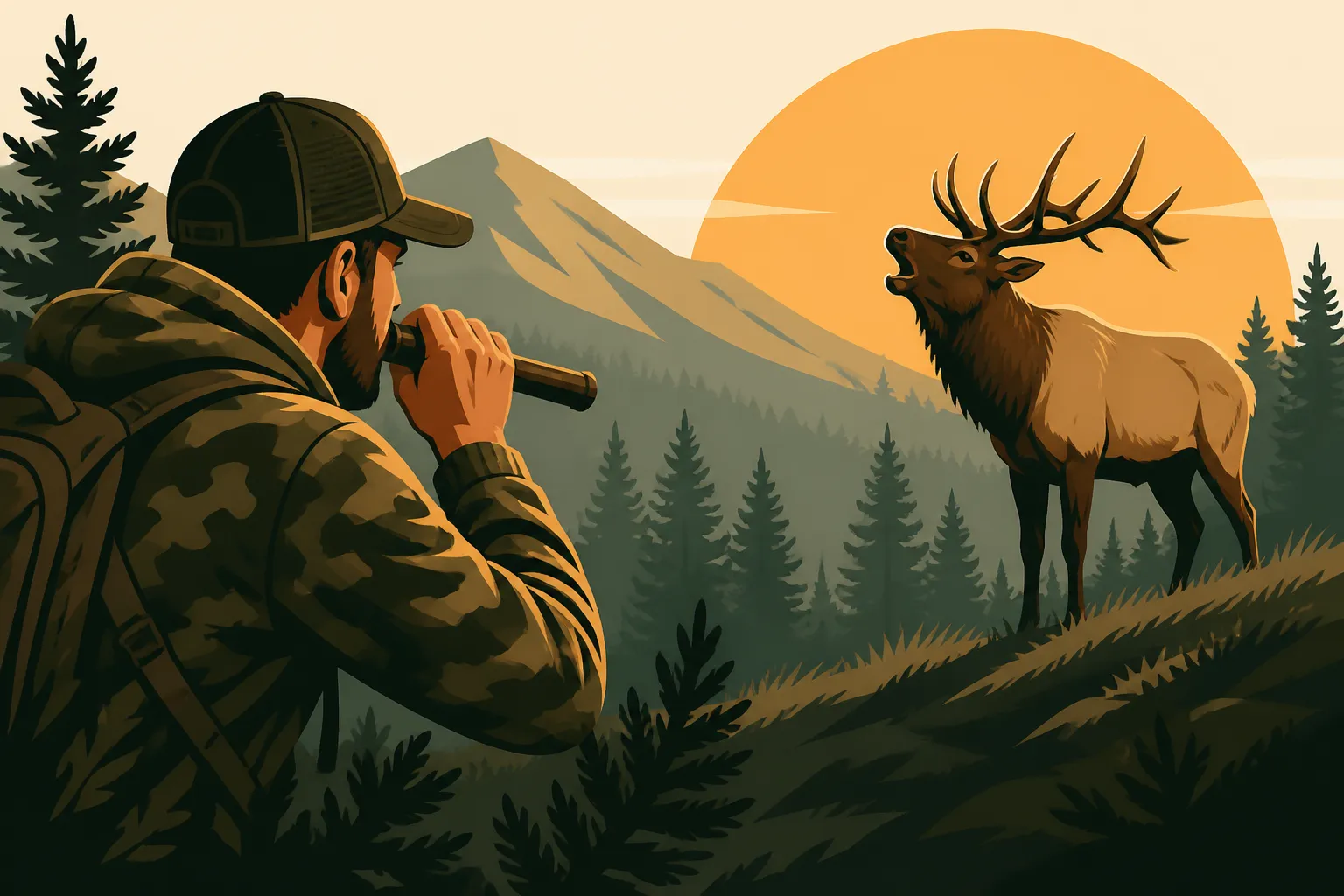
When dealing with pressured elk, loud, aggressive bugling can be your worst enemy. Instead, think like a quiet, cautious cow or calf. Start with very soft, intermittent cow calls, or even soft chirps and mews. The goal isn't to shock a bull into bugling back, but to mimic the natural, non-threatening sounds of a contented herd. Often, these subtle sounds are enough to pique a bull's curiosity without raising his alarm bells. If you get a response, don't immediately blast back with a power bugle. Instead, match his intensity, or even drop it a notch. A series of soft mews, followed by silence, can often be more effective at drawing in a wary bull than a screaming challenge. If you are going to bugle, make it a soft, questioning chuckle or a quiet locating whistle, rather than a full-throated roar. These bulls are looking for reasons to not come in, so give them a reason to think you're just another elk. This contrasts with the more aggressive tactics often used when Bugling Elk in Idaho's Timbered Zones for less pressured animals.
The Art of the Silence and Listening
Calling pressured elk isn't just about what you call, but also about when you don't call. Silence is a powerful tool. After a series of subtle calls, settle in and listen. Really listen. Often, a pressured bull won't vocalize immediately. He might circle downwind, or sneak in quietly, trying to pinpoint the source of the sound without revealing himself. Give him plenty of time. This can mean waiting 15, 20, or even 30 minutes in complete silence after your last call. Many hunters give up too soon, assuming the elk isn't there, when in reality, he's slowly working his way in. During these silent periods, be hyper-aware of your surroundings. Look for flicking ears, dark shapes moving through the timber, or even the sound of snapping twigs or rustling leaves that indicate movement. Your ears and eyes become your primary tools, far more than your diaphragm call. Mastering the art of listening can often lead to encountering an elk that never made a sound. This patience is a significant departure from the more active and persistent calling sometimes recommended in Bugle and Cow Call Timing Through September during peak rut.
Decoying and Two-Hunter Setups
When elk are wary, they often hang up at a distance, unwilling to commit to the call. This is where decoying and a strategic two-hunter setup can shine. With a two-hunter setup, one caller positions themselves 50-100 yards behind the shooter. The caller's job is to attract the bull's attention, while the shooter remains silent and ready. When the bull approaches, he'll be focused on the sound source (the caller), often presenting a broadside shot to the concealed shooter who is downwind and ahead of the caller. This strategy mimics a real-life elk scenario, where a bull might approach a cow from a distance. For even more realism, consider using an elk decoy. A cow or calf decoy can provide a visual confirmation that helps pull a hung-up bull those crucial extra yards. However, extreme caution must be exercised with decoys, especially on public land where other hunters might mistake your decoy for a live animal. Always place your decoy in a safe location with a clear shooting lane and know what's behind it. For detailed instructions on effective partner strategies, refer to Two-Hunter Calling Setups That Actually Work.
Timing Your Calls and Hunts on Pressured Public Land
The timing of your hunt and when you choose to unleash your calls can dramatically influence your success rate on pressured National Forest ground. Elk learn very quickly about hunting pressure, so adapting your strategy throughout the season is essential.
Early Season Strategies Before Peak Pressure
The very start of the season, typically late August or early September for archery, can offer a brief window before elk are fully "educated." During this time, while the rut might not be in full swing, bulls are less cautious. They might respond to a simple Locator Bugles for Finding Bulls at Dawn as they move from feeding to bedding areas. However, even then, pressure can build rapidly. Focus on the first few days, and if you're hitting it later, assume some pressure has already set in. During this period, before the intense rut activity, elk are often in bachelor groups or loose herds. Your best bet is to locate these groups early in the morning or late in the evening and then try subtle cow calls to draw them in. The key here is stealth and surprise; catch them before they realize hunting season has truly begun. If you find a fresh wallow or active feeding area, a soft setup with minimal calling can sometimes entice a curious bull.
Mid-Season Adjustments and Patience
As the season progresses into late September and early October, especially when the rifle seasons overlap, elk on public land become incredibly wary. This is often when the biggest bulls go silent and nocturnal. During this mid-season crunch, patience becomes your most valuable asset. Aggressive calling is almost always a mistake; it simply pushes elk further into hiding. Instead, focus on still-hunting through dense cover, moving slowly and quietly, looking for bedded animals. Use soft cow or calf mews only sparingly, if at all, and mostly to stop a moving animal for a shot. The goal is to be invisible, to intercept elk as they move between their secure bedding areas and feeding grounds. You might spend entire days covering ground without a single vocal response, but the silent hunter who patiently picks apart likely cover will often find success when the loud callers go home empty-handed. This is also the time when truly remote access pays off, moving far away from common access points.
Late Season Tactics for Quiet Woods
By late season, many hunters have hung up their bows or rifles, and the woods become quieter. This reduction in pressure can sometimes make elk a bit more vocal, or at least less skittish. Bulls might start responding more to calls, especially if they haven't been harassed for a few weeks. Focus on areas that held elk earlier in the season, or traditional winter range, as snow begins to push animals down in elevation. Use subtle cow and calf calls, and even quiet, searching bugles, to try and locate scattered animals. However, maintain a cautious approach; these elk are still educated. They've survived a full season of hunting pressure, so they're smart. The key is to take advantage of the reduced human presence, but still respect their learned wariness. Often, late-season success comes down to finding undisturbed food sources or areas with good thermal cover, then making a quiet approach and using minimal calling to coax an animal into range.
Minimizing Your Own Footprint and Scent
Elk have an incredible sense of smell and are acutely aware of human presence. On pressured ground, they've learned to associate these factors with danger. To call them in, you must become a ghost, minimizing every trace of your passage.
Stealthy Movement and Approach
Moving quietly is non-negotiable when hunting pressured elk. Every snap of a twig, every rustle of your clothes, sends a warning signal. When you're approaching a calling setup or stalking a responding bull, move at a snail's pace. Take short, deliberate steps, always looking for a clear path for your foot before putting your weight down. Use natural cover like dense timber, fallen logs, and terrain features to break up your silhouette. Avoid ridge tops and open areas; instead, stay below the skyline and utilize the draws and benches. If you hear a distant bugle, don't rush in. Instead, slowly work your way into a strategic position, often paralleling the elk, to get downwind or set up a favorable calling scenario. This often means taking a long, circuitous route to get into position, rather than a direct, noisy approach. Remember, it's not about speed; it's about being invisible and unheard.
Playing the Wind in Steep Timbered Country
The wind is arguably your most critical factor, especially in mountainous, timbered Idaho National Forests. Elk rely on their noses above all else. Always, always pay attention to wind direction, and adjust your approach accordingly. In steep country, wind can be incredibly tricky. Thermals often dictate wind flow, with air rising in the morning and falling in the evening. Drainages can act like funnels, creating swirling winds, and dense timber can cause localized eddies. It's not enough to check the wind once; you need to constantly monitor it with a wind checker. Never approach an elk directly from upwind, and try to set up your calling scenario so that any approaching bull must come in from across or into the wind, giving you the advantage. If a bull hangs up, it's often because he's trying to circle downwind to get a scent check. Anticipate this move and position yourself to intercept him. Mastering Reading Wind in Steep Timbered Country is a skill that will pay off tenfold.
Scent Control and Reducing Noise
Beyond playing the wind, actively controlling your scent is vital. Wear scent-free clothing, shower with scent-eliminating soap, and use scent sprays. While these products aren't magic bullets, they can certainly help reduce your human odor, especially when combined with a good wind strategy. Store your hunting clothes in airtight bags to prevent them from absorbing foreign odors. Avoid wearing cologne, scented deodorant, or even using strongly scented detergents on your hunting gear. Pay attention to what you eat and drink; certain foods can make your sweat more pungent. Equally important is reducing noise from your gear. Silence all zippers, cinch down loose straps, and ensure nothing rattles or clanks. Wrap noisy items in athletic tape or moleskin. Every piece of equipment, from your rangefinder to your water bottle, should be quiet. Even the rustle of your pack or the creak of your boots can send an educated elk bolting.
Gear Considerations for Hunting Pressured Elk
While calling technique and woodsmanship are paramount, having the right gear can significantly enhance your ability to hunt pressured elk successfully. Investing in quality, purpose-built equipment can give you an edge.
Optics for Distant Glassing
On pressured ground, elk are often spotted at a distance before they're heard. High-quality optics are essential for picking apart vast landscapes, especially the dark timber and shadowed draws where elk seek refuge. A good pair of 10×42 binoculars is a minimum, but adding a spotting scope, especially a 15-45x or 20-60x, on a stable tripod can be a game-changer for identifying distant animals or confirming what that 'dark spot' really is. When you're trying to locate elk that aren't bugling, glassing for hours, slowly picking apart every patch of timber and shadow, is incredibly effective. The ability to distinguish an elk from a stump at 1,000 yards allows you to plan your approach long before you risk spooking them. Consider the advice found in Optics Power for Idaho's Long Canyon Sightlines to choose the right magnification for your hunting style and terrain.
The Right Calls for Specific Scenarios
While aggressive bugles might be out, a range of realistic calls is still crucial. Invest in a good diaphragm call, which allows for hands-free operation and a wide range of realistic sounds, from soft mews to challenge bugles. Add a bite-and-blow cow call or a simple external reed call for versatility and ease of use, especially when you need to make a quick, soft sound. Practice, practice, practice! Make sure your calls sound authentic and natural. Carry a grunt tube for bugles, but remember, volume control is key. You'll likely use quiet, subtle sounds far more often than screaming bugles. Some hunters even carry a small, portable elk decoy, often a cow or calf silhouette, to give visual confirmation when a bull hangs up at a distance. Having a variety of calls allows you to adapt to the specific situation and the elk's mood, which can change rapidly on pressured ground.
Pack Systems for Remote Access
Reaching unpressured areas in Idaho's National Forests often means carrying everything you need for the day, or even several days, on your back. A comfortable, durable pack system is vital. Look for a pack with a strong frame that can handle heavy loads, good organizational pockets, and most importantly, one that fits you well. You'll be carrying water, food, calls, optics, emergency gear, and potentially meat if you're successful. A pack that is uncomfortable or poorly designed will make those long hikes into remote basins feel even longer and more grueling. Brands like Mystery Ranch, Kifaru, and Stone Glacier offer excellent pack systems designed for backcountry hunting. Consider a pack with an external frame or a meat shelf that allows you to carry quarters comfortably and efficiently. Remember, the deeper you go, the less pressure you'll likely encounter, and a reliable pack is your ticket to those untouched areas. Utilizing Hunting Idaho's National Forests and BLM Ground for general access information and pairing it with a robust pack can get you to those elusive spots.
| Calling Strategy | Pressure Level | Best Use Case | Key Considerations |
|---|---|---|---|
| Soft Mews & Chirps | High | Close-range setups, stopping moving elk, curiosity | Extremely subtle, use sparingly, mimic contented herd, hands-free diaphragm is ideal. |
| Silent Listening | High | After any call, in known bedding areas, low visibility | Patience is paramount, stay concealed, rely on eyes and ears, expect long waits. |
| Bugle (Locating) | Medium | Early morning/evening, long distance, checking areas | Soft, inquisitive bugle (e.g., GoHunt's "locator bugle"), minimal follow-up. |
| Cow/Calf Talk (Series) | Medium | Drawing in wary bulls, simulating small group | Realistic cadence, varied tones, mix with silence, often combined with two-hunter setup. |
| Challenge Bugle | Low-Medium | Aggressive bulls, later in rut, unpressured areas | Use with extreme caution on pressured ground, can easily spook. |
| Two-Hunter Setup | High | Bulls hanging up, target acquisition | Shooter 50-100yds ahead, caller draws attention, excellent for wary animals. |
Disclaimer
The information provided in this guide is for general informational purposes only. Hunting regulations and conditions can change rapidly. Always consult the most current Idaho Fish and Game regulations before planning any hunting trip. It is your responsibility to understand and adhere to all applicable laws and regulations.