The Frank Church Wilderness and Idaho’s Rules
For nonresident hunters eyeing the rugged, expansive beauty of Idaho, the thought of pursuing elk or deer in a vast wilderness area like the Frank Church River of No Return is often a dream come true. However, the specific rules and regulations surrounding hunting in these pristine, protected landscapes, especially concerning the requirement for licensed outfitters, can be a real head-scratcher. This guide aims to demystify Idaho's wilderness hunting regulations, ensuring you understand exactly what's involved when planning your adventure.
Understanding Idaho's Designated Wilderness Areas for Hunting
Idaho is blessed with some of the largest and most untamed wilderness areas in the lower 48, offering truly remote hunting experiences. These aren't just big tracts of public land; they are federally designated wilderness, meaning they come with a unique set of rules designed to preserve their pristine nature. Understanding these distinctions is crucial before you even start packing your bags.
What Makes a Wilderness Area Different for Hunters
When an area is designated as wilderness, it's set aside by Congress to remain "untrammeled by man," where "man himself is a visitor who does not remain." For hunters, this translates into strict limitations on motorized travel, permanent structures, and even certain types of equipment. You won't find roads winding deep into these areas, nor will you see permanent camps or extensive signs of human development. Access is primarily by foot, horseback, or in very specific cases, by jet boat or small aircraft to designated backcountry airstrips. This commitment to wildness is what draws many hunters seeking an authentic, challenging experience, but it also necessitates thorough planning and adherence to specific regulations. The emphasis is on self-reliance and minimal impact, making it a truly unique hunting environment that tests skills and endurance.
The Frank Church River of No Return Wilderness: A Quick Overview
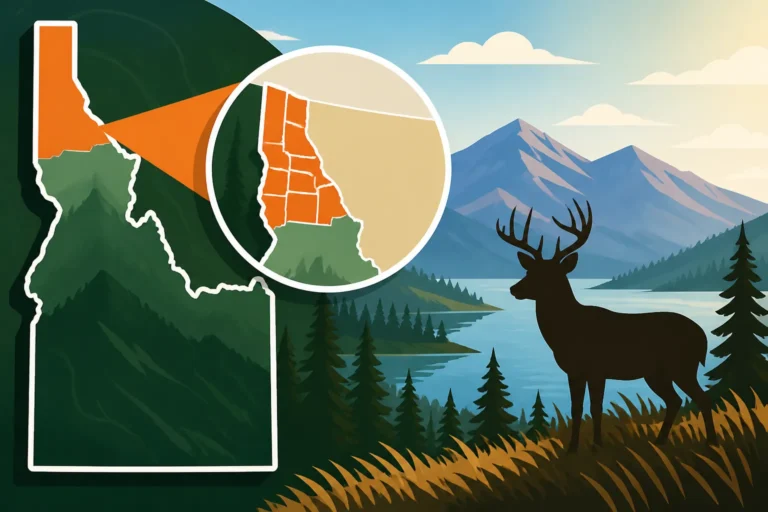
The Frank Church River of No Return Wilderness, affectionately known as "the Frank," is the largest contiguous wilderness area in the Lower 48 states, spanning over 2.3 million acres. It's a land of towering peaks, deep canyons carved by wild rivers like the Salmon, and vast stretches of timber and sagebrush. For hunters, it represents the epitome of backcountry hunting, with diverse terrain that supports healthy populations of elk, mule deer, bear, and mountain lion, among other species. However, its immense size and rugged topography also present significant logistical challenges. The remoteness means that help is often days away, and even basic services are non-existent once you're beyond the perimeter. This wilderness is where Idaho's nonresident guide rule for certain species comes squarely into play, making it a focal point for understanding the regulations. Hunting the Frank Church River of No Return requires a level of preparation and respect for the land that few other areas demand.
Other Key Wilderness Areas in Idaho
While the Frank Church is undeniably the largest, Idaho boasts several other significant wilderness areas that offer incredible hunting opportunities, each with its own character and access challenges. The Selway-Bitterroot Wilderness, straddling the Idaho-Montana border, is another vast expanse known for its rugged mountains and dense forests, popular for elk and deer. The Sawtooth Wilderness, with its iconic jagged peaks near Stanley, offers stunning scenery and tough high-country hunting. Further south, the Gospel-Hump Wilderness provides a mix of timber and open ridges, while the Hells Canyon Wilderness encompasses parts of North America's deepest river gorge. Each of these areas falls under the same general wilderness management principles, meaning motorized vehicle restrictions and the nonresident guide rule will generally apply to specific big game species. Knowing which wilderness area you intend to hunt is the first step in deciphering the specific regulations that will govern your trip.
The Nonresident Outfitter Rule: Who It Applies To
This is where things can get a bit confusing and, frankly, frustrating for many nonresident hunters dreaming of a do-it-yourself wilderness adventure in Idaho. Unlike many other states, Idaho has specific laws dictating when a nonresident must employ the services of a licensed outfitter or guide for certain species within designated wilderness areas. This rule is designed to manage pressure, ensure safety, and support the state's outfitting industry, but it can certainly throw a wrench in your plans if you're not aware of it.
Which Species Trigger the Outfitter Requirement for Nonresidents
Idaho's nonresident guide rule isn't a blanket statement for all hunting in wilderness areas. It specifically targets certain big game species. If you're a nonresident planning to hunt elk, bighorn sheep, mountain goat, or moose within any of Idaho's designated wilderness areas, you are legally required to be accompanied by an Idaho-licensed outfitter or guide. This means you cannot simply pack your own horses or hike in with a backpack and hunt these species on your own. Idaho Forces Nonresidents to Hire a Guide for Wilderness Elk is a critical piece of legislation to understand. This requirement ensures that these hunts are conducted with professional oversight, which can be particularly beneficial in the challenging and remote wilderness environment. It's important to verify the specific regulations for your target species and chosen wilderness area before making any plans.
Why Elk and Other Ungulates Are Different from Deer and Bear
It might seem arbitrary that elk require an outfitter while deer don't, but there's a reason behind it. The rule focuses on species that typically draw significant nonresident hunting pressure and often involve more complex logistics and safety concerns in remote wilderness settings. Elk, bighorn sheep, mountain goat, and moose hunts often demand extensive backcountry knowledge, specialized equipment, and a high level of physical fitness to navigate the extreme terrain and successfully pack out large animals. Why Deer and Bear Are Exempt in Wilderness from the outfitter rule for nonresidents is primarily due to their typically lower impact, less demanding logistics, or different management considerations within wilderness boundaries. Nonresidents can hunt deer, black bear, and mountain lion without a licensed guide in Idaho's wilderness areas. This distinction allows for some self-guided opportunities while still managing the resource and experience for the species that draw the most interest and require the most support.
Resident Hunters and the Wilderness Rule: A Different Standard
It's also important to note that this outfitter requirement applies only to nonresidents. If you're an Idaho resident, you are free to hunt any legal species, including elk, bighorn sheep, mountain goat, and moose, in designated wilderness areas without hiring an outfitter or guide. This difference in regulation often sparks debate, but it's a common approach in many western states to prioritize resident hunting opportunities and manage nonresident impact, especially in highly sought-after areas or for specific high-value species. For residents, the wilderness is truly an open invitation for a DIY adventure, provided they adhere to all other hunting laws and regulations. However, even for residents, venturing into these vast, untamed lands requires significant preparation, experience, and self-reliance, as the wilderness does not discriminate between resident and nonresident when it comes to its challenges.
Navigating the Frank Church: Access and Logistics
Hunting in the Frank Church River of No Return Wilderness isn't your typical drive-up-and-hunt scenario. Its sheer size and protected status mean that access is limited, challenging, and often requires specialized methods. Understanding these logistics is paramount, whether you're hiring an outfitter or are a resident planning a self-guided trip for deer or bear.
Primary Access Points and Challenges of the Frank Church
The Frank Church Wilderness is largely surrounded by National Forest lands, but direct road access into the wilderness boundary is severely restricted, if not entirely absent. Most hunters approach the Frank Church from trailheads located on its periphery, often requiring significant travel on unimproved forest roads just to reach the starting point. Popular access corridors include areas off the Salmon River Breaks, near Yellow Pine, or from the Middle Fork of the Salmon River. The challenges are immense: trails can be steep, rocky, and overgrown; river crossings might be necessary; and extreme weather can roll in quickly. Even reaching a trailhead can be a multi-hour drive on rough roads. Maps are absolutely essential, and I highly recommend using a robust GPS system like those offered by onX Hunt with downloaded maps for offline use, as cell service is non-existent. These tools allow you to pinpoint your location, identify legal boundaries, and plan your routes effectively, minimizing the risk of getting lost or inadvertently violating motorized rules.
Flying into Backcountry Airstrips: A Unique Idaho Experience
One of the most iconic and practical ways to access the deep interior of the Frank Church and other Idaho wilderness areas is by flying into one of the many designated backcountry airstrips. These aren't your typical paved runways; they are often short, unimproved strips of dirt or gravel carved into the landscape, requiring highly skilled bush pilots to navigate. Outfitters frequently utilize these strips for drop camps, flying hunters and their gear deep into the wilderness, then returning later for pickup. This method drastically cuts down on arduous days of hiking or horseback riding, allowing hunters to get right into prime hunting country. However, it's not a cheap option, and weather can heavily influence flight schedules, leading to potential delays. Backcountry Airstrips and Jet Boats Change Idaho Access significantly, transforming the logistics for many wilderness hunters. It's a truly unforgettable experience, offering breathtaking views and unparalleled access to remote areas that would otherwise be almost impossible to reach with significant gear.
Jet Boat Access on the Salmon River
Another unique access method for parts of the Frank Church, particularly areas adjacent to the main Salmon River, is by jet boat. The Salmon River, often called "the River of No Return," flows directly through the wilderness, and licensed jet boat operators can transport hunters and gear to various points along the river corridor. This is another service frequently provided by licensed outfitters, allowing them to establish camps or drop off hunters in areas otherwise inaccessible by traditional means. Like flying, jet boat access allows for quick penetration into prime areas, but it's restricted to specific stretches of the river and requires specialized equipment and expertise. This method is particularly effective for hunting river breaks and tributaries that feed into the Salmon, offering a different perspective on wilderness hunting. For those looking to hunt the river country, this can be an incredible way to experience the Frank Church.
The Role of Licensed Outfitters in Idaho's Wilderness
For nonresident hunters targeting elk, bighorn sheep, mountain goat, or moose in Idaho's wilderness, a licensed outfitter isn't just a convenience; it's a legal requirement. This means understanding what an outfitter does, how to choose one, and what to expect is crucial to a successful and compliant hunt. These professionals are the backbone of guided wilderness hunting in Idaho.
What an Idaho Licensed Outfitter Provides
An Idaho-licensed outfitter provides a comprehensive range of services, acting as your gateway to the wilderness. At a minimum, they supply the required licensed guide(s) to accompany nonresidents hunting specific species in wilderness areas. Beyond that legal necessity, they bring invaluable experience, equipment, and local knowledge. This often includes:
- Logistics: Transportation to and from trailheads, or arranging for backcountry flights or jet boat services.
- Equipment: Horses and pack animals for hauling gear and game, tents, cooking equipment, and sometimes even firearms or archery gear (though most hunters bring their own).
- Knowledge: Guides possess intimate knowledge of the area, including game patterns, water sources, terrain, and weather. They can read the land, track animals, and put you in the best position for success.
- Safety: Outfitters are equipped for emergencies, carrying first-aid supplies and satellite communication devices, which are vital in remote settings. They also understand the rules and regulations inside and out, ensuring your hunt is legal.
- Camp: They typically provide full-service camps, including meals, sleeping arrangements, and the necessary infrastructure for a comfortable wilderness stay.
Essentially, an outfitter transforms a potentially overwhelming wilderness undertaking into a structured, supported, and safer experience.
Vetting an Outfitter for a Wilderness Hunt
Choosing the right outfitter is one of the most critical decisions for your wilderness hunt. This isn't just about finding someone who meets the legal requirements; it's about finding a partner who aligns with your hunting style, expectations, and safety standards.
- Verify Licensing: Always confirm that the outfitter and their guides are currently licensed by The Idaho Outfitters and Guides Licensing Board Explained. You can typically do this through the board's website.
- References: Ask for references, especially from hunters who have pursued the same species in the same area. Speak to these past clients about their experience, including camp quality, guide professionalism, success rates, and overall satisfaction.
- Experience: Inquire about their experience in the specific wilderness area you're targeting. How long have they operated there? Do they have Forest Service special use permits for that specific region?
- Inclusions and Exclusions: Get a clear understanding of what the hunt price includes (e.g., food, lodging, transportation, guide services) and what it doesn't (e.g., tags, licenses, meat processing, taxidermy, tips).
- Safety Protocols: Ask about their emergency plans, communication methods in the backcountry, and guide-to-hunter ratios.
- Cancellation Policy: Understand their deposit and cancellation terms, especially concerning unforeseen circumstances like draw failures (if it's a controlled hunt).
Using resources like GoHunt can also help in researching outfitters, reading reviews, and understanding drawing odds which might influence when and where you book.
Understanding Drop Camps and Fully Guided Options
When working with an outfitter, you typically have two main service levels for wilderness hunts:
- Fully Guided Hunts: This is the most comprehensive option. You are accompanied by a licensed guide (or guides, depending on group size) from start to finish. The outfitter handles all camp setup, cooking, daily hunting decisions, animal retrieval, and packing out. This is ideal for hunters with less wilderness experience, those seeking maximum assistance, or simply those who want to focus solely on hunting. The guide's expertise in tracking, calling, and navigating unfamiliar terrain is a huge asset.
- Drop Camps: A drop camp service is a more economical option where the outfitter packs you and your gear (and often your horses) into a pre-established camp or a designated remote location in the wilderness. They then leave you to hunt independently for a set number of days, returning at a predetermined time to pack you and your harvest out. While you still benefit from the outfitter's logistical support, you are responsible for your own hunting, cooking, and daily camp management. This option is suitable for experienced backcountry hunters who prefer to hunt on their own terms but need help with the heavy lifting of getting into and out of remote country. It still fulfills the nonresident guide requirement for species like elk, as the outfitter is licensed to operate in the wilderness and provides the necessary transport services.
| Feature | Fully Guided Hunt | Drop Camp Hunt |
|---|---|---|
| Nonresident Guide | Guide accompanies hunter at all times | Outfitter provides transport, hunter hunts solo |
| Logistics | All logistics handled by outfitter | Outfitter transports gear/hunter, rest is DIY |
| Hunting | Guide assists with tracking, calling, decision-making | Hunter makes all hunting decisions |
| Camp Services | Outfitter provides meals, camp setup, chores | Hunter responsible for own cooking, camp chores |
| Cost | Generally higher due to extensive services | More economical, still requires significant budget |
| Experience Level | Suitable for all, especially less experienced | Best for experienced backcountry hunters |
Planning Your Wilderness Hunt: Essential Considerations
Regardless of whether you're hiring an outfitter or planning a resident DIY trip, hunting in the Frank Church or any Idaho wilderness demands meticulous planning and preparation. These remote areas are unforgiving, and overlooking key details can quickly turn a dream hunt into a survival situation.
Physical Demands and Preparation for Remote Hunts
Hunting in Idaho's wilderness is incredibly demanding, often requiring exceptional physical fitness. The terrain is frequently steep, rugged, and densely timbered, with significant elevation changes. You'll be carrying heavy packs, potentially packing out game over miles of challenging country, and enduring long days on your feet or in the saddle. Altitude can also be a factor for those coming from sea level. Physical Conditioning for Idaho Backcountry isn't just about being able to walk; it's about being able to perform under duress, carrying weight, and remaining sharp mentally. Begin a rigorous fitness regimen months in advance, focusing on cardiovascular endurance, strength training (especially for legs and back), and hiking with a loaded pack. Don't underestimate the physical toll—it's better to be over-prepared than to find yourself struggling midway through your hunt.
Essential Gear and Navigation Tools for Wilderness
Your gear choices are paramount for a wilderness hunt. Weight, durability, and multi-functionality are key.
- Layered Clothing: Weather in the mountains can change rapidly. Pack breathable, moisture-wicking layers, including a good waterproof and windproof outer shell.
- Footwear: High-quality, broken-in hunting boots are non-negotiable. Consider gaiters for wet or snowy conditions.
- Backpack: A comfortable, durable pack capable of hauling meat is essential.
- Shelter & Sleep System: If not using an outfitter's camp, a lightweight tent, warm sleeping bag, and pad suited for mountain temperatures are critical.
- Navigation: While an outfitter's guide will lead, having your own reliable navigation tools is smart. A dedicated GPS device, a compass, and waterproof paper maps are indispensable. Apps like onX Hunt are fantastic digital tools, but always have a backup plan in case electronics fail. Knowing how to read a map and use a compass without battery power is a skill you absolutely need.
- First Aid & Emergency: A comprehensive first-aid kit, bear spray (grizzlies are present in some northern Idaho wilderness areas, though less common in the Frank Church), a headlamp with extra batteries, fire-starting tools, and a personal locator beacon (PLB) or satellite messenger are crucial.
- Water Purification: Reliable water filters or purification tablets are a must.
- Optics: High-quality binoculars are essential for glassing vast wilderness landscapes for game.
- Weapon: Ensure your rifle, bow, or muzzleloader is sighted in, and you are proficient with it at realistic hunting distances.
Camping on Forest Ground During Hunting Season has specific rules, so be sure to familiarize yourself with those, especially regarding fire restrictions and food storage in bear country.
Understanding Idaho's Motorized Hunting Rule in Wilderness
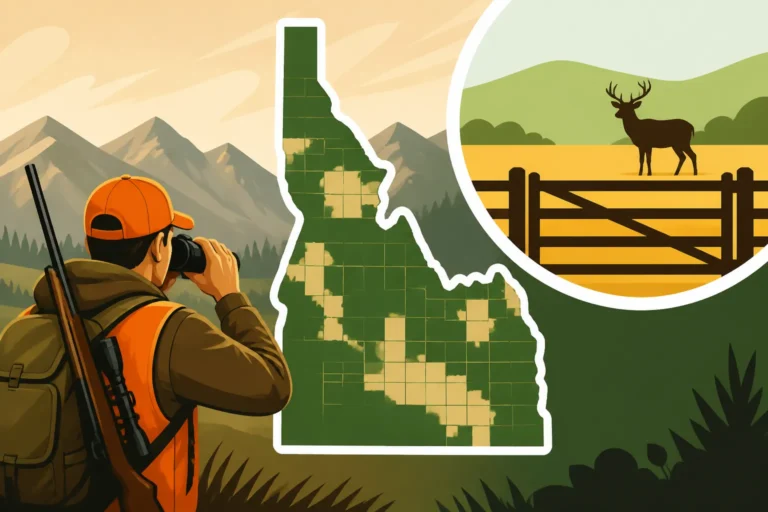
One of the defining characteristics of designated wilderness is the strict prohibition of motorized vehicles. This rule is absolute within the wilderness boundaries, meaning no ATVs, dirt bikes, or even electric bicycles are allowed. You must access these areas on foot or horseback. Motorized Vehicles Inside Wilderness Boundaries is a rule that has zero tolerance, and violations carry significant penalties. This restriction ensures the wild character of the landscape is preserved, providing a truly primitive experience for those who venture within. Even outside wilderness boundaries, Idaho has broader "Motorized Hunting Rules" that restrict off-road travel during hunting season. While these rules might not be wilderness-specific, they reinforce the general principle that vehicles are meant for established roads and not for chasing game or retrieving animals off-road. Always consult current regulations and maps (like those found on onX Hunt or The Idaho Hunt Planner Is the Tool to Start With) that clearly delineate wilderness boundaries and motorized vehicle corridors. Knowing these boundaries precisely will save you from potential legal trouble and help preserve the wild places we all cherish.
Disclaimer
This article is for general informational purposes only and does not constitute professional advice. Laws, prices and regulations vary by location and change over time. Consult a qualified professional for guidance on your specific situation.