Idaho Ground Squirrel Shooting Rules Explained
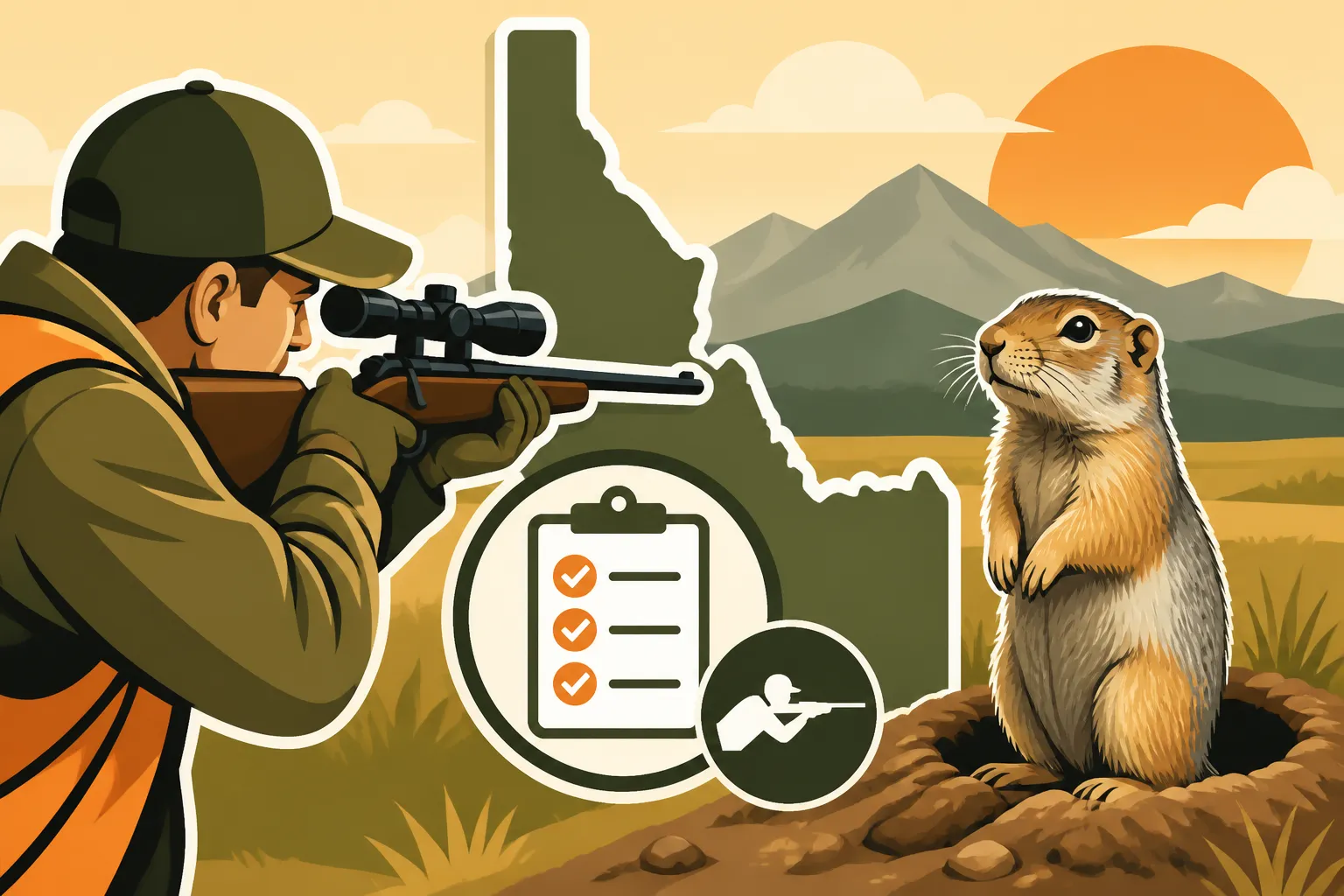
It's easy to assume that small critters like ground squirrels, which can be a real nuisance to agriculture and property owners, might not have any specific hunting rules attached to them. Many folks just see them as pests and figure it's a free-for-all. However, just like with any wildlife in the Gem State, there are indeed regulations and guidelines you need to follow if you plan on shooting Idaho ground squirrels, and understanding them is crucial to staying legal and ethical. This guide will walk you through everything you need to know, from licenses to methods and important safety considerations.
Understanding Idaho's Ground Squirrels: The Species and Their Impact
Before you even think about shouldering a rifle, it's vital to understand what exactly an Idaho ground squirrel is and why they're often a target for hunters and landowners alike. Idaho is home to several species, and while many are considered fair game, knowing the difference can save you a headache, or even a fine.
Common Idaho Ground Squirrel Species
When we talk about "ground squirrels" in Idaho, we're usually referring to a few distinct species. The most common you'll encounter, and the ones most often targeted, are the Columbian ground squirrel and the Uinta ground squirrel. These are the burrowing rodents you see dotting open fields, sagebrush flats, and even pastures. They're generally larger than a chipmunk but smaller than a marmot, known for their social behavior and often found in colonies.
The Columbian ground squirrel is widespread, especially in central and northern Idaho. They're typically brownish-gray with a reddish wash on their sides and a short, bushy tail. Uinta ground squirrels are more common in the southern and eastern parts of the state, often a bit grayer and found in similar open habitats. These species can cause significant damage to crops, hay fields, and even irrigation systems due to their extensive burrowing habits. This is often the primary driver for wanting to control their populations, beyond just the enjoyment of a day out shooting varmints.
Why Ground Squirrel Control Matters in Idaho
For many Idaho residents, ground squirrels aren't just a target for sport; they're a genuine agricultural pest. Their burrowing can undermine fence lines, create tripping hazards for livestock and people, and damage expensive farm equipment. Imagine driving a tractor across a field only to hit a hidden ground squirrel tunnel – that's a quick way to bend an axle or worse. Furthermore, they compete with livestock for forage, eating valuable grass and crops.
This dual role as a popular varmint for target practice and a legitimate agricultural pest means that managing ground squirrel populations is often a win-win. Hunters get an opportunity to hone their shooting skills, practice range estimation, and enjoy the outdoors, while landowners get some much-needed relief from persistent damage. It's a pragmatic approach to wildlife management that often benefits multiple parties.
The Legal Framework: Licenses, Seasons, and Methods for Shooting Ground Squirrels
Even though ground squirrels are often seen as pests, you can't just go out and start shooting them anywhere, anytime, with anything. Idaho has rules in place, and knowing them is the foundation of a legal and responsible hunt.
Licensing Requirements for Ground Squirrels
This is where some folks get surprised. Yes, you generally need a hunting license to shoot ground squirrels in Idaho. Specifically, you'll need a valid Idaho hunting license. This isn't a special "varmint" license; it's your standard small game or big game hunting license. If you're a resident, you'd typically purchase your Idaho Resident Hunting License Price. Non-residents also need to purchase their equivalent. The rationale is simple: you're still hunting wildlife, even if it's considered a pest, and the state wants to ensure everyone participating has gone through the proper channels and understands basic hunting laws.
There might be very limited exceptions, such as a landowner dealing with squirrels strictly on their own private property to prevent damage, but for general recreational shooting on public or permitted private land, assume a license is required. It’s always best to check the current Idaho Fish and Game regulations or use resources like the Idaho Hunt Planner Is the Tool to Start With to confirm. Don't risk a citation over a few ground squirrels!
Seasons and Hours
Good news here! Ground squirrels in Idaho generally fall under "unprotected nongame wildlife" or "predatory animals" depending on the specific species and region, and often have no closed season. This means you can typically hunt them year-round. However, it's crucial to confirm this in the latest regulations, as classifications can sometimes change or local ordinances might apply. Always consult Where the Current Idaho Regulations Are Posted for the most up-to-date information.
While there might not be a closed season, you still need to adhere to legal shooting hours, which typically align with big game or small game seasons – usually from half an hour before sunrise to half an hour after sunset. Shooting at night is generally restricted to certain predatory animals with specific equipment and permits, and ground squirrels typically don't fall into that category for nighttime activities.
Legal Shooting Methods and Restrictions
When it comes to weapons, Idaho is pretty flexible for ground squirrels. Rimfire rifles (like a .22LR or .17 HMR) are incredibly popular due to their accuracy, low recoil, and relatively quiet report, making them ideal for target-rich environments. Small centerfire calibers like .223 Remington are also used, particularly for longer shots. Shotguns with small birdshot are less common but could be used in close quarters.
However, there are some critical restrictions:
- Motorized Vehicle Rule: You generally cannot shoot from, or across, a public road. Furthermore, Idaho's Idaho's Motorized Hunting Rule Runs August Into December is in effect in many areas, dictating that you must stay on established roads and trails. This means you can't drive off-road to pursue ground squirrels, even if they're a nuisance. This rule aims to protect habitat and prevent resource damage.
- Electronic Calls: The good news for varmint hunters is that Electronic Calls for Predators and Varmint Hunting are typically legal for ground squirrels and other unprotected species. This can be a highly effective way to draw them out of their burrows.
- Proximity to Dwellings: This is a big one. You absolutely cannot discharge a firearm within a certain distance of occupied dwellings, livestock, or other structures, especially without specific permission. Always maintain a safe and legal distance. Common sense and respect for others' property are paramount.
- Private Land: If you're on private land that isn't your own, you must have Getting Landowner Permission in Idaho in writing. Without it, you are trespassing, regardless of whether you're hunting ground squirrels or elk.
| Idaho Ground Squirrel Hunting Rule | General Requirement/Status | Important Considerations |
|---|---|---|
| Hunting License | Required | Standard Idaho hunting license. |
| Season | Open Year-Round | Confirm with current regulations; species-specific rules rare. |
| Shooting Hours | Half-hour before sunrise to half-hour after sunset | No night hunting for ground squirrels. |
| Weapon | Rimfire, small centerfire rifles, shotguns | Choose appropriate caliber for safety and effective dispatch. |
| Motorized Vehicles | No shooting from public roads; stay on established roads/trails | Idaho's Motorized Hunting Rule Runs August Into December may apply. |
| Electronic Calls | Generally legal | Great tool for calling them in. |
| Private Land Access | Written permission required | Always respect property boundaries. |
| Proximity to Dwellings | Strict distance requirements | Safety first; avoid residential areas. |
Practical Considerations for Idaho Ground Squirrel Hunters
Beyond the legalities, there are practical aspects that will make your ground squirrel hunting experience safer, more effective, and more enjoyable. These range from scouting to equipment choices and ethical considerations.
Scouting and Locating Ground Squirrels
Ground squirrels are creatures of habit and habitat. They prefer open, sunny areas with good visibility, often near pastures, crop fields, or sagebrush flats where they can dig extensive burrow systems. To find them, you'll want to scout areas with these characteristics. Look for signs of active burrows – fresh dirt piles are a dead giveaway. They are most active during the warmer parts of the day, particularly mid-morning and late afternoon, usually emerging to feed and sunbathe.
Tools like GoHunt can be incredibly helpful here. Their mapping systems allow you to overlay public and private land boundaries, topography, and even identify potential agricultural areas or open flats where ground squirrels thrive. This allows you to e-scout from home, identify potential access points, and plan your approach before you even step foot in the field. Understanding the terrain and land ownership is key, especially if you're venturing onto Hunting Idaho's National Forests and BLM Ground or looking at Idaho State Endowment Land Access Rules.
Essential Gear and Equipment
For ground squirrel hunting, a reliable rifle is your best friend. A good quality rimfire rifle in .22LR, .17 HMR, or .22 WMR is often perfect for typical ranges, offering precision without excessive noise. For longer shots, a .223 Remington or similar small centerfire might be preferred. Don't forget a quality scope; ground squirrels are small targets, and magnification helps immensely.
Beyond the rifle, consider:
- Bipod or Shooting Sticks: These make a huge difference for stability, leading to more accurate and ethical shots.
- Binoculars or Spotting Scope: Crucial for spotting these small animals at a distance and confirming your shot placement.
- Ammunition: Bring plenty! Ground squirrel shooting can be fast-paced, and you'll go through rounds quickly.
- Sunscreen and Hat: You'll likely be out in open, sunny areas.
- Water: Stay hydrated.
- Eye and Ear Protection: Absolutely non-negotiable for safety.
- Garbage Bag: To pack out your spent casings and any other trash. Respecting the land is paramount.
Safety First: Always
This cannot be stressed enough: safety is always the number one priority. Even when shooting small critters, every bullet fired is potentially lethal and can travel a long way.
- Know Your Backstop: Always, always ensure you have a safe backstop that will stop your bullet. Dirt banks are ideal. Never shoot towards water, rocks (which can cause ricochets), or over a ridge where you can't see what's beyond.
- Positive Identification: Be absolutely certain of your target. Don't shoot at movement; shoot at a confirmed ground squirrel.
- Firearm Handling: Treat every firearm as if it's loaded. Keep the muzzle pointed in a safe direction. Keep your finger off the trigger until ready to shoot.
- Communicate: If hunting with a partner, clearly communicate your intentions, target acquisition, and when you're ready to shoot.
Responsible Hunting: Ethics, Safety, and Distinguishing Protected Species
As hunters, we have a responsibility to not only follow the law but also to act ethically and ensure we're not inadvertently harming non-target species. This is particularly important with small game.
Distinguishing Ground Squirrels from Protected Species
One of the biggest ethical and legal responsibilities is to correctly identify your target. While Columbian and Uinta ground squirrels are typically fair game, Idaho is also home to other, sometimes similar-looking rodents that are protected.
- Marmots: Often confused with ground squirrels, marmots are significantly larger, typically live in rockier, higher elevation terrain, and are not generally open for year-round, un-licensed hunting in the same way ground squirrels are. There are specific seasons and rules for marmots.
- Chipmunks: Much smaller than ground squirrels, chipmunks are easily distinguished by the prominent stripes on their faces and backs. They are protected and not legal to hunt.
- Endangered/Threatened Species: While no ground squirrel species in Idaho are currently listed as federally endangered or threatened, staying informed about local conservation efforts or unique species (like some rare pocket gophers) is always a good practice. Resources like GoHunt often include information on species distribution that can help with identification.
When in doubt, don't shoot. It's better to pass up a shot than to mistakenly take a protected animal.
Ethical Shooting Practices
Ethical shooting means striving for clean, quick kills.
- Shot Placement: Aim for the vitals (head or chest) to ensure a humane dispatch. Avoid body shots that might wound the animal and allow it to suffer.
- Effective Range: Know the effective range of your rifle and your own shooting ability. Don't take shots that are beyond what you can consistently make accurately. A .22LR might be great at 50 yards, but unreliable at 150 yards. Push your limits in practice, not in the field.
- Follow-Up Shots: If an animal is wounded, take immediate follow-up shots to ensure a humane end.
Respecting the Land and Other Users
Hunting ground squirrels often takes place in areas frequented by hikers, mountain bikers, or other recreational users.
- Be Visible: Consider wearing blaze orange, even though it's not strictly required for small game, to make yourself easily seen by others.
- Be Considerate: If you see other users, cease fire, make yourself known, and ensure they are aware of your activity. Avoid shooting if it creates a perception of danger or disturbs their experience.
- Leave No Trace: Pack out all your trash, including spent casings. Leave the area cleaner than you found it. This demonstrates respect for the environment and ensures these areas remain open for future hunting opportunities and other outdoor activities. After all, if you're using public lands like the National Forest Hunting in Northern Idaho or BLM Ground Across Southern Idaho, you're a steward of that land.
In summary, while ground squirrels are abundant and often considered pests in Idaho, approaching their control with a solid understanding of the rules, ethical considerations, and safety practices will ensure you have a responsible and enjoyable experience in the field.
Disclaimer
This article is for general informational purposes only and does not constitute professional advice. Laws, prices and regulations vary by location and change over time. Consult a qualified professional for guidance on your specific situation.