Hunting Lions Behind a Pack of Hounds
Hunting a mountain lion in Idaho is truly one of the most demanding and rewarding big game pursuits you can undertake, but for many, the sheer elusiveness of these apex predators makes the idea of finding one feel impossible. That's where the unique, historical tradition of hunting with a skilled pack of hounds comes into its own. It's a specialized endeavor, and understanding how it works, what to expect, and how to prepare is key to an ethical and successful experience. This guide will take you through the incredible world of hunting Idaho mountain lions behind a pack of hounds, from understanding the rules to the thrill of the chase.
Understanding Idaho's Mountain Lion Management and Quotas
Idaho takes its mountain lion management seriously, and for good reason. These incredible predators play a vital role in the ecosystem, but their populations need careful monitoring to ensure health and sustainability. Unlike some other big game animals, lion hunting often operates under specific, dynamic rules that can be a real head-scratcher for new hunters or those accustomed to more straightforward general seasons.
How Quotas Work by Unit
One of the biggest differences you'll encounter when hunting mountain lions in Idaho is the quota system, which is typically managed on a unit-by-unit basis. This isn't a situation where you just buy a tag and hunt until the season closes on a set date. Instead, each Game Management Unit (GMU) has a specific number of lions that can be harvested before the season in that particular unit is shut down. This applies to both male and female lions, with separate quotas for each sex in many units, and sometimes combined quotas as well. The state is constantly monitoring harvest numbers against these quotas to ensure they don't overharvest the local population.
What this means for you, the hunter, is that the season for a specific unit can literally close at any moment, sometimes with very little advance warning. Imagine driving for hours, arriving in your chosen hunting area, only to discover the quota was met that morning. It's a frustrating but necessary part of the management strategy. This emphasizes the critical need to be vigilant and constantly check the Idaho Fish and Game website or platforms like GoHunt for real-time updates on quota closures. A good houndsman will also be incredibly dialed into this information, as their livelihood depends on it. Early snows can push lions down to accessible areas, leading to quotas being met rapidly in some years. This dynamic nature is why lion hunting is often a spur-of-the-moment decision once conditions are right and quotas are still open. You can get a better sense of these areas by checking Idaho Mountain Lion Quota Areas Explained.
Season Dates and Reporting Requirements
Beyond the quota system, mountain lion hunting in Idaho also has established season dates. These are the general windows during which hunting is permitted, but remember, the quota closing can override these dates at any time. So, while a season might technically run for several months, if the quota is filled, the season ends, regardless of the published end date. It's crucial to consult the annual Idaho hunting regulations for the precise start and end dates for your chosen unit. These dates can sometimes vary based on the method of take or whether a specific management objective is being pursued, so always check the most current information posted by Idaho Fish and Game. Knowing Where the Current Idaho Regulations Are Posted is an absolute must.
Equally important, and perhaps even more immediate, are the mandatory harvest reporting requirements. Once you've successfully harvested a mountain lion, you generally have a very short window—often within a matter of days—to physically present the animal's hide and skull to an Idaho Fish and Game regional office or designated check station. This isn't a suggestion; it's a legal obligation. During this check, agency personnel will collect important biological data, confirm the sex of the animal, and officially tag your harvest. This process helps the state monitor populations, track harvest trends, and ensure compliance with regulations. Failure to report your harvest within the specified timeframe, or failing to present the required parts, can lead to serious penalties, so make sure this critical step is part of your hunt plan. For more details on what's required, review Idaho Mountain Lion Harvest Reporting Rules.
The Unique Role of Hounds in Mountain Lion Hunting
Hunting mountain lions behind a pack of hounds is a time-honored tradition and, for many, the only truly effective way to pursue these incredibly secretive animals. It’s a dynamic, physically demanding, and deeply engaging form of hunting that relies heavily on the instincts of highly trained dogs and the expertise of their handler.
Why Hounds Are So Effective for Lions
Let's face it: mountain lions are built for stealth. They are masters of their environment, moving like ghosts through dense timber, over rugged mountainsides, and across vast landscapes without leaving much more than a whisper of a track. Trying to still-hunt or spot-and-stalk a mountain lion is akin to searching for a needle in a colossal, constantly shifting haystack. Their nocturnal habits, camouflaged coats, and uncanny ability to navigate treacherous terrain make them nearly impossible for humans to track consistently on foot.
This is precisely where a pack of well-trained hounds becomes indispensable. These dogs possess an olfactory sense thousands of times more powerful than a human's, allowing them to pick up the faintest scent trail—even a "cold" track left hours earlier. Once they hit a track, their innate drive takes over. They follow it relentlessly, working through snow, dirt, and rock, often deciphering faint scent particles that no human eye or nose could ever detect. This specialized ability to find and follow a track, often for miles, is what makes hounds so incredibly effective. They turn an impossible quest into a manageable, albeit still challenging, pursuit, eventually leading the hunters to the lion.
Working with a Pack of Hounds and a Professional
While the image of a lone hunter with a trusty hound might persist, the reality of successful mountain lion hunting in Idaho, especially for non-residents, often involves working with an experienced houndsman or a professional outfitter. Developing and maintaining a successful pack of lion hounds is a monumental undertaking, requiring years of dedication, significant financial investment, and an immense amount of time in the field. These aren't just pets; they are highly specialized athletes, bred and trained for a very specific task. A good houndsman understands the individual personalities of each dog, knows how they work together as a pack, and can interpret their barks, howls, and body language to understand exactly what's happening on the trail.
When you join a hunt with a professional, you're not just buying access to their dogs; you're tapping into decades of their expertise. They know the terrain, they understand mountain lion behavior, and they can read tracks and sign that most hunters would completely overlook. They'll also be intimately familiar with the quotas and local regulations. The houndsman guides the entire operation, from finding a track to managing the chase and safely handling the treed lion. Your role as the hunter is to follow their lead, stay with the dogs, and be prepared for the physical demands of the chase. You can learn more about finding reputable professionals who offer these experiences by researching Hound Hunting for Idaho Lions.
The Chase and the Final Stand
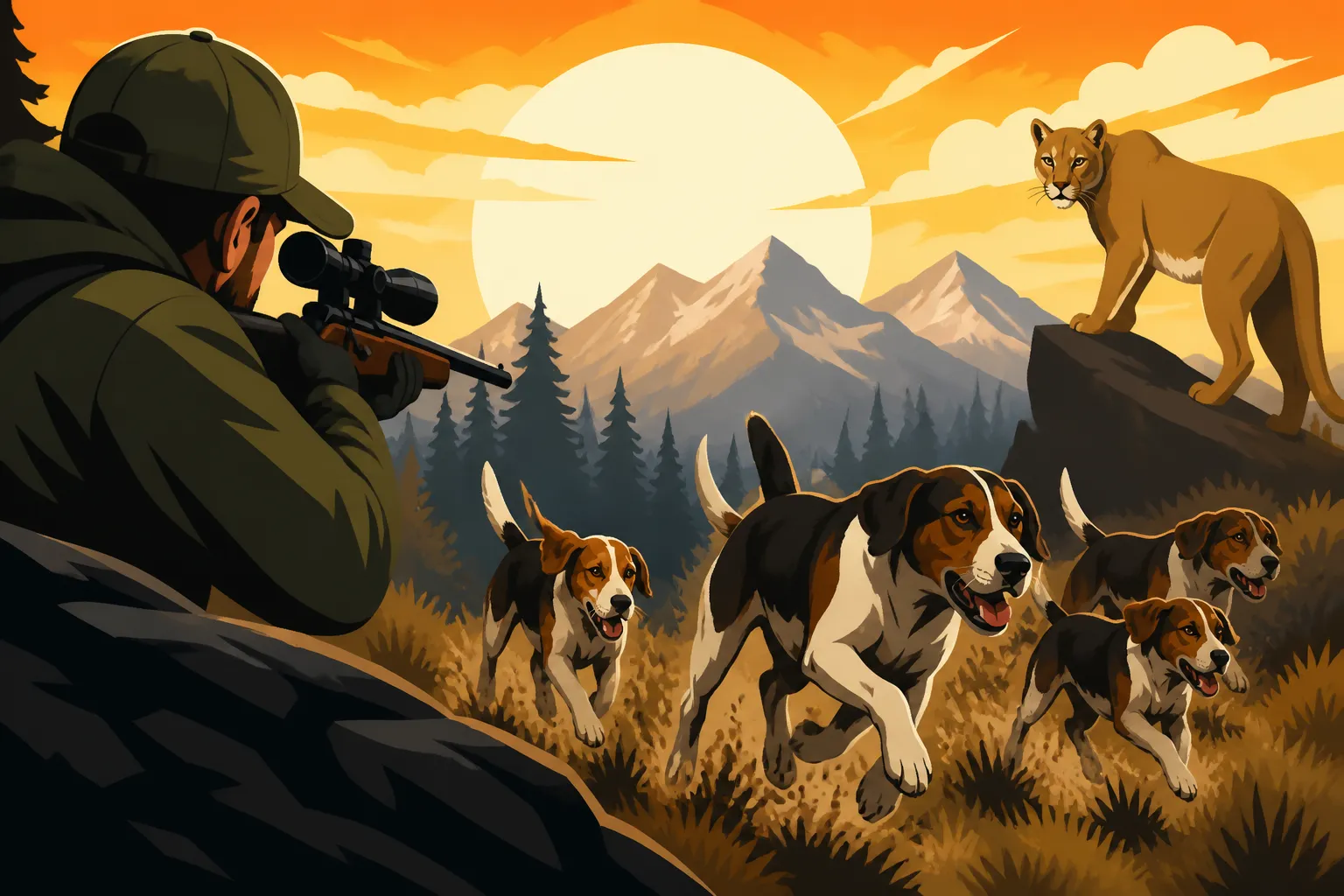
Once the hounds strike a hot track, the hunt transforms into an adrenaline-fueled chase. The dogs will open up, their baying echoing through the canyons and timber, signaling that they're on a fresh trail. This is where the physical test truly begins for the hunter. You'll be following the sound of the hounds, often for miles, across incredibly rugged and varied terrain. Expect steep climbs, dense brush, rocky descents, and often deep snow. Staying with the dogs is paramount, as you want to reach them as quickly and safely as possible once they've treed or bayed the lion. Many houndsmen use GPS collars on their dogs, allowing them to track the pack's location and direction, which is invaluable in vast, wild country.
The intensity of the chase can last for minutes or for hours, pushing both dogs and hunters to their limits. The reward for this arduous journey is the "final stand" – the moment the hounds have cornered the mountain lion, typically up a tree or in a secluded rock formation. This is often an electrifying scene, with the dogs excitedly baying below the treed cat, while the lion observes from above, sometimes hissing or growling. At this point, the houndsman will assess the situation, ensuring the lion is safely positioned and the dogs are out of harm's way. The hunter then carefully approaches, with the guidance of the houndsman, to make an ethical, humane shot. It's a testament to the incredible synergy between human, dog, and nature, culminating in a respectful harvest.
Preparing for Your Idaho Mountain Lion Hunt
Embarking on a mountain lion hunt in Idaho, particularly with hounds, is an adventure that requires significant preparation. It's not a casual outing; it's a physically taxing and mentally engaging pursuit that demands the right mindset, conditioning, and gear.
Physical Conditioning and Gear Essentials
Let me be blunt: a mountain lion hunt behind hounds is often one of the most physically demanding hunts you'll ever undertake. We're talking about covering miles, often quickly, through very steep, rugged, and sometimes snow-covered country. It’s not uncommon to gain and lose thousands of feet of elevation in a single day, all while trying to keep up with an excited pack of dogs. You'll want to focus on cardiovascular endurance, leg strength, and overall stamina in the months leading up to your hunt. Think about what it takes to hike several hours with a heavy pack, then multiply that intensity. Being in prime physical condition isn't just about success; it's about safety and enjoying the experience rather than simply enduring it. More insights on this can be found in Physical Conditioning for Idaho Backcountry.
When it comes to gear, durability and functionality are paramount. You'll likely be hunting in colder weather, often with snow on the ground, so a layering system is crucial. This includes a good wicking base layer, insulating mid-layers, and a waterproof, breathable outer shell. Footwear is perhaps the most critical item: invest in high-quality, insulated, waterproof boots with excellent ankle support and aggressive traction. Nothing will ruin a hunt faster than wet, cold, or blistered feet. Don't forget durable gaiters to keep snow out of your boots. Other essentials include a reliable backpack with enough capacity for extra layers, water, snacks, a first-aid kit, and perhaps a headlamp. For optics, good binoculars are key for scanning terrain and spotting the treed cat, while a rangefinder is invaluable for confirming distances for an ethical shot. When it comes to firearms, many hunters opt for a reliable rifle in a common deer or elk caliber, or even a magnum handgun, given that shots are often taken at relatively close range once the lion is treed.
Navigating Regulations and Securing a Tag
Before you even dream of hitting the Idaho backcountry, you absolutely must immerse yourself in the current Idaho hunting regulations. These regulations are updated annually and are your ultimate source of truth for everything from season dates and quotas to legal weapons and reporting requirements. Do not rely on old information or hearsay; always consult the official Idaho Fish and Game publications. Pay close attention to the specific regulations for the Game Management Unit you plan to hunt, as rules can vary considerably from one area to another. This includes understanding the specific boundaries of your unit, which you can easily cross without realizing it if you're not careful.
Securing your mountain lion tag is typically an over-the-counter purchase, meaning you don't usually have to apply in a draw like you might for elk or deer. However, you will need to purchase a general Idaho hunting license first. For non-residents, this involves understanding costs like The Idaho Nonresident Hunting License Price. While the lion tag itself might not be as expensive as, say, an elk tag, it still adds to your overall hunt investment. Always check if there are any specific validations or endorsements required for lion hunting. It’s a good idea to purchase your license and tag well in advance of your hunt and ensure you have it physically with you in the field. Never take for granted that you can just show up and hunt; Idaho takes its regulations seriously, and ignorance is rarely an excuse for non-compliance.
Ethical Considerations and Responsible Hunting Practices
Hunting mountain lions, particularly with hounds, carries a unique set of ethical responsibilities. As hunters, we are stewards of the resource, and our actions reflect not only on us individually but on the entire hunting community. Upholding high ethical standards is non-negotiable.
Ensuring an Ethical Harvest
When a mountain lion is treed or bayed by hounds, the situation presents a moment that requires careful consideration and unwavering commitment to an ethical harvest. While the animal is contained, it is still a wild creature deserving of respect. This is not the time for rushed decisions or ill-advised shots. Your primary goal is a quick, humane kill. This means waiting for the right shot angle, ensuring there are no obstructions between your muzzle and the animal, and being absolutely certain of your backdrop to prevent any unintended consequences. A good houndsman will be invaluable here, guiding you to the best position and helping you confirm the shot placement. They'll ensure the dogs are clear and that you have a steady, safe opportunity.
Consider your weapon choice and your proficiency with it. A well-placed shot with an appropriate caliber is crucial. After the shot, be prepared to quickly field dress the animal and take care of the meat and hide. Even though mountain lions are primarily hunted for their trophy value, Idaho, like many states, has strict Meat Salvage Requirements for Big Game, meaning you must make reasonable efforts to preserve and utilize the edible portions of the animal. Proper care of the hide, especially if you intend to have it tanned or mounted, should also be a priority immediately after the harvest. For specific guidelines on this, review Field Dressing and Carcass Transport Rules Explained.
Respecting the Hounds and the Land
The hounds are the heart and soul of a lion hunt, and they deserve the utmost respect. These dogs are athletes and partners, and their dedication to the chase is truly remarkable. Always listen to and follow the instructions of the houndsman, even if it means waiting for their cue to approach the treed cat or to interact with the dogs. Do not interfere with the dogs' work or put them in harm's way. Understanding their immense value, both in terms of training and contribution to the hunt, fosters a deeper appreciation for the entire experience. They are not merely tools; they are integral members of the hunting team.
Just as we respect the animals and the dogs, we must also respect the land we hunt on. This means adhering to "Leave No Trace" principles: pack out everything you pack in, avoid unnecessary damage to vegetation, and be mindful of your impact on trails and access points. Idaho has vast public lands, but also significant private land holdings. Always be aware of property boundaries and ensure you have the necessary permission if a track leads onto private ground. You can find more information on this by looking at Getting Landowner Permission in Idaho. Additionally, be a good ambassador for hunting. Other outdoor enthusiasts, hikers, snowmobilers, or cross-country skiers, may be sharing the same areas. A courteous and respectful interaction goes a long way in shaping public perception of hunting with hounds, ensuring these traditions can continue for future generations.
| Aspect of Hunt | Description | Importance |
|---|---|---|
| Quotas | Unit-specific limits on lion harvest, managed dynamically. | Crucial to check daily; unit closes when met. |
| Season Dates | Defined calendar windows, but quotas can cause early closure. | Hunt only when open; varies by unit. |
| Houndsmen | Expert handlers with trained dog packs, essential for tracking. | Key for efficient tracking, locating, and ethical harvest. |
| Physical Fitness | Ability to hike rugged, steep, snow-covered terrain for long distances. | Critical for keeping up with the chase and reaching the lion. |
| Reporting | Mandatory presentation of hide/skull to IDFG within a specific timeframe. | Legal requirement; provides vital population data and verification. |
Disclaimer
This article is for general informational purposes only and does not constitute professional advice. Laws, prices and regulations vary by location and change over time. Consult a qualified professional for guidance on your specific situation.