Idaho Depredation Hunt Opportunities
It can be incredibly frustrating for landowners to see their hard-earned crops destroyed or their fences torn down by wildlife, leading to significant financial losses and constant headaches. When wildlife populations cause widespread damage, public safety concerns, or disease outbreaks, the Idaho Department of Fish and Game (IDFG) sometimes implements special "depredation hunts" to address these issues. This guide will walk you through what these opportunities entail, how hunters can get involved, and what responsibilities come with participating in these unique hunts.
Understanding Idaho's Depredation Hunts
Depredation hunts in Idaho are a specific wildlife management tool, distinct from your regular general or controlled hunt seasons. They're not just about increasing hunting opportunities; they're a targeted response to serious wildlife-related problems that impact landowners and public resources. Think of them as a crucial way to balance thriving wildlife populations with the needs of the communities and landscapes they share.
What Triggers a Depredation Hunt?
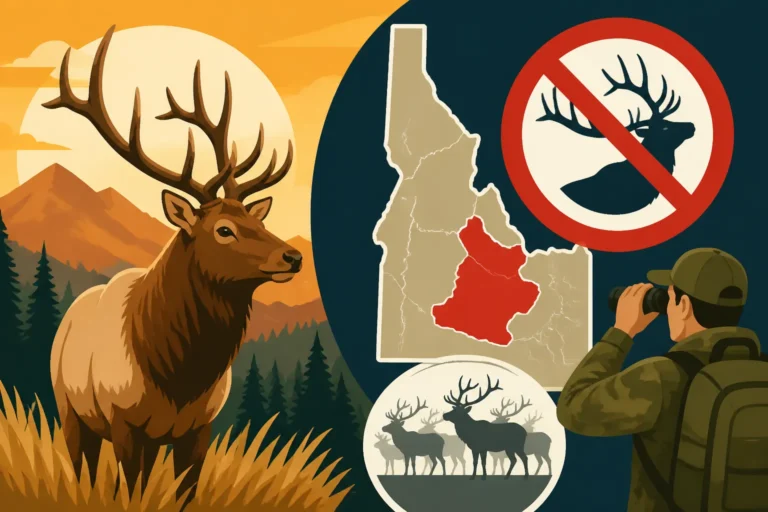
The decision to initiate a depredation hunt isn't taken lightly. It typically arises from verified reports of significant damage or risk caused by a specific species in a localized area. Imagine a rancher in the Magic Valley seeing their valuable alfalfa fields completely wiped out by a persistent herd of mule deer, or a farmer near Grangeville constantly repairing fences after elk herds push through them. These tangible losses are often the primary drivers.
- Property Damage: This is perhaps the most common trigger. Deer, elk, and sometimes even wild turkeys can decimate agricultural crops like corn, hay, fruit orchards, or damage irrigation systems and private property. IDFG will investigate these claims, assessing the extent and frequency of the damage to determine if a depredation hunt is warranted.
- Public Safety Concerns: While less frequent for big game, localized overpopulation in areas close to human habitation can sometimes lead to increased vehicle collisions or other direct safety risks.
- Disease Control: In rare instances, if a specific wildlife population is showing signs of disease that could spread to domestic livestock or other wildlife, a targeted reduction might be necessary. IDFG is constantly monitoring populations for diseases like Chronic Wasting Disease (CWD), which can inform management decisions.
- Localized Overpopulation: Even without direct property damage, a local population explosion that exceeds habitat carrying capacity in a specific area can trigger a depredation hunt to prevent future problems and maintain ecosystem health.
Who Manages and Authorizes These Hunts?
The Idaho Department of Fish and Game (IDFG) is the central authority for managing and authorizing all depredation hunts. When a landowner reports damage, IDFG staff, typically a local wildlife biologist or conservation officer, will conduct a thorough investigation. They'll verify the damage, assess the number of animals involved, and determine if other non-lethal deterrents (like hazing or fencing assistance) have been tried and failed.
If a depredation hunt is deemed necessary, IDFG coordinates with the affected landowners. The landowners play a critical role, as these hunts often take place entirely on their private property. Their cooperation is essential for hunter access and success. This collaboration ensures that the hunt is targeted and effective in mitigating the specific problem at hand, while also respecting private land rights. It's a true partnership between wildlife managers, landowners, and hunters to solve a specific problem.
Distinguishing Depredation from General Seasons
It’s crucial to understand that depredation hunts are not your typical hunting seasons. They operate under different rules and with different objectives. For instance, while a general elk season might run for several weeks across a broad geographic area with specific weapon types, a depredation hunt might be a very short-notice event, limited to a small private property, with a specific number of animals (often cows or antlerless animals) to be removed.
These hunts are highly flexible and adaptable. They might occur outside regular hunting season dates, potentially during times when general seasons are closed. The intent isn't to provide recreational hunting opportunities in the traditional sense, but rather to serve a very direct and practical wildlife management purpose. This means hunters participating often have a more utilitarian goal in mind: helping to solve a problem for a landowner and the IDFG, rather than simply pursuing a trophy. You might be focused on an antlerless deer to reduce agricultural damage, not necessarily a Boone and Crockett buck. The focus is on precision and effectiveness to address the specific issue.
How Idaho Depredation Hunts Work for Hunters
So, you're interested in helping out and potentially getting some venison in the freezer while doing a good deed? Depredation hunts offer a unique avenue for hunters to contribute directly to wildlife management and support landowners. But the path to participating is often quite different from applying for a standard controlled hunt.
Finding Depredation Opportunities
This is perhaps the trickiest part, as these opportunities aren't always widely advertised like general season dates or controlled hunt drawings. Depredation hunts often arise quickly and require a rapid response.
- IDFG Website and Regional Offices: The most direct source for official information is the Idaho Fish and Game website or by contacting your local IDFG regional office. Sometimes, IDFG will post notices of upcoming depredation hunts or specific programs designed to address localized issues. It's worth calling the regional office in areas known for agriculture and high wildlife populations.
- Specialized Hunter Lists/Programs: IDFG sometimes maintains lists of hunters who have expressed interest in participating in depredation efforts. If you're serious, reach out to your regional IDFG office and inquire about such lists or how you might be notified of opportunities. Being a reliable, ethical hunter who respects private property goes a long way here.
- Landowner Connections: Building relationships with landowners in areas prone to depredation can also open doors. If a landowner knows and trusts you, they might contact you directly or recommend you to IDFG when a problem arises.
- Online Platforms: While official postings are key, some third-party platforms and apps can help consolidate information or provide alerts. For instance, platforms like GoHunt sometimes provide tools or information channels that can help you keep an eye on unique hunting opportunities, including special draws or depredation programs that might be announced by state agencies. While not a direct source of every single depredation hunt, keeping an eye on such resources, alongside official IDFG channels, can help you stay informed.
The Application and Selection Process
Unlike the highly structured process for most controlled hunts, the application and selection for depredation hunts can be less formal and vary widely depending on the nature of the specific hunt.
- Direct Invitation: In many cases, especially for smaller, localized issues, IDFG or the landowner might directly invite hunters they know and trust to help. This underscores the value of being a responsible, ethical hunter.
- Limited Application Periods: If a larger-scale depredation effort is needed, IDFG might announce a specific, often very short, application period. These applications usually focus on practical criteria:
- Proximity: Hunters who live closer to the depredation site are often preferred for their ability to respond quickly.
- Availability: Due to the often short-notice nature, hunters who can drop everything and participate on specific dates are highly valued.
- Equipment: Hunters with the appropriate weapon (e.g., shotgun with slugs for safety close to homes, as detailed in "Which Weapons Qualify as Short-Range in Idaho") and the ability to handle game quickly are often favored.
- Prior Participation: Hunters with a proven track record of ethical hunting and adherence to rules in previous depredation hunts or general seasons might receive preference.
- Notification: Successful applicants are typically notified directly by phone or email. Given the urgency, responses are often required quickly. This is where being prepared with your valid Idaho hunting license and relevant tags (if required, as sometimes special depredation tags are issued) comes in handy.
Specific Rules and Restrictions
Depredation hunts are often highly specific in their regulations to achieve the management goal effectively while ensuring safety and compliance. These rules can differ significantly from general season rules.
- Weapon Types: Depending on the location and proximity to residences or livestock, weapon restrictions might be in place. You might be limited to archery equipment, shotguns with slugs, or specific muzzleloader calibers. For example, "Are Shotgun Slugs Legal for Big Game?" is a common question, and in depredation scenarios, they might be the preferred method due to safety considerations in specific areas.
- Bag Limits: Depredation hunts often have very precise bag limits, often focusing on antlerless animals (e.g., cows or does) to reduce breeding populations, or a specific number of animals to mitigate damage. It's rarely about harvesting the biggest bull.
- Season Dates and Times: These are usually highly flexible and dictated by the depredation event itself. They might open and close with very little notice, and specific shooting hours might be designated to align with animal movement patterns or landowner schedules.
- Tag Requirements: While some depredation hunts might involve a special depredation tag issued by IDFG, others might allow you to use an existing general season tag (like an A tag or B tag) if it falls within a legal season and area. Always clarify the exact tagging requirements with IDFG or the hunt coordinator. Understanding "When You Need a Muzzleloader Validation in Idaho" or if your specific elk tag applies is critical.
- Area Limitations: Depredation hunts are usually confined to a very specific property or small geographic area where the damage is occurring. You won't be hunting a whole game management unit; it might be just one field or pasture. Using the "Idaho Hunt Planner" can help you understand unit boundaries and identify areas historically prone to depredation issues, even if specific hunt details aren't publicly listed.
- Landowner Cooperation: Adhering strictly to landowner instructions is paramount. This includes respecting property lines, gates, travel routes, and any specific safety protocols they have in place. Remember, you are a guest there to help.
Hunter Responsibilities and Ethical Considerations
Participating in an Idaho depredation hunt isn't just about the opportunity to hunt; it comes with significant responsibilities. You're representing the entire hunting community and directly impacting the relationship between wildlife management, private landowners, and public perception.
The Importance of Landowner Relations
This cannot be stressed enough: the success of many depredation efforts hinges entirely on the goodwill and cooperation of landowners. When you're invited onto private land for a depredation hunt, you are a guest, and your actions reflect directly on all hunters.
- Respect Property: Always stick to designated access routes, close gates, avoid driving off established roads unless specifically instructed, and leave no trash behind. Understand that "Idaho's Motorized Hunting Rule Keeps You on the Road" applies to public lands, but private landowners might have even stricter rules.
- Follow Instructions: Listen carefully to and abide by all instructions from the landowner and IDFG personnel. This includes where you can hunt, what direction you can shoot, and how to handle harvested game.
- Communicate Clearly: Confirm arrival and departure times, report your success or lack thereof, and thank the landowner for the opportunity. Clear communication builds trust. Good relationships can lead to future opportunities, not just for you, but for other ethical hunters as well. Remember, "Landowner Permission on Idaho Private Ground" is a privilege, not a right.
Ethical Harvesting and Meat Salvage
Just because a hunt is for depredation purposes doesn't mean ethical hunting practices go out the window. In fact, they become even more critical.
- Clean Kills: Aim for quick, humane kills. Take only shots you are confident in making. Wounded animals that escape add to the problem rather than solving it, and reflect poorly on the hunter.
- Meat Salvage: Idaho has strict "Meat Salvage Requirements for Big Game," and these apply fully to depredation hunts. You are required to remove all edible portions of the animal. This means being prepared to field dress, quarter, and pack out the animal quickly, especially if the hunt occurs in warmer weather or a remote location. Have a plan for getting the meat processed and cooled.
- No "Trophy" Focus: While you might encounter a large animal, the primary goal of a depredation hunt is population control and damage mitigation. Focus on the assigned target (e.g., antlerless animals) rather than attempting to selectively harvest trophy-class animals, which might not align with the management objective.
Reporting Requirements and Data Collection
Your participation in a depredation hunt is a valuable contribution to Idaho's wildlife management efforts, and accurate reporting is a critical part of that.
- Mandatory Reporting: You will almost certainly be required to report your harvest to IDFG promptly, often within a very short timeframe. This data helps IDFG assess the effectiveness of the hunt and informs future management decisions. This is similar to the "Mandatory Reporting After an Idaho Harvest" for general seasons.
- Biological Data: In some cases, IDFG might ask hunters to collect specific biological samples (e.g., lymph nodes for CWD testing, jawbones for age estimation). Cooperating with these requests provides invaluable data for wildlife health and population monitoring.
- Accountability: Your adherence to reporting rules ensures the integrity of the depredation program. It demonstrates that hunters are responsible partners in wildlife conservation, not just participants.
Benefits and Challenges of Depredation Hunting
Like any hunting opportunity, depredation hunts come with their own set of unique advantages and potential hurdles. Understanding both sides can help you decide if these specialized hunts are the right fit for you.
Advantages for Hunters and Wildlife Management
There's a lot to gain, both personally and for the broader conservation effort, by getting involved in depredation hunts.
- Unique Hunting Opportunities: Depredation hunts can offer access to areas that are typically closed to public hunting, often on private land where game may be less pressured. These hunts might also occur during times of the year when general seasons are closed, providing extra time afield. Imagine being able to hunt elk in late winter when general seasons ended months ago.
- Direct Contribution to Conservation: Participating in a depredation hunt is a tangible way to help manage wildlife populations and prevent human-wildlife conflicts. You're directly solving a problem, which is incredibly rewarding.
- Mentoring Opportunities: These hunts can sometimes be excellent opportunities to mentor a new hunter. Under direct supervision, you could introduce someone to hunting while teaching them the importance of wildlife management. Remember, "Anyone Born After 1974 Needs Idaho Hunter Education," but a mentored hunt can be a fantastic way to gain experience.
- Table Fare: Successfully harvesting an animal during a depredation hunt means putting high-quality, organic meat on your table. It’s a win-win: helping a landowner and filling your freezer.
- Building Relationships: Establishing a good rapport with landowners and IDFG staff through responsible participation can open doors to future opportunities and deepen your connection to the Idaho hunting community. Many hunters find these relationships to be among the most valuable aspects of their hunting pursuits.
Common Challenges and What to Expect
While the benefits are clear, it’s important to go into a depredation hunt with realistic expectations. They are often not easy hunts and require a specific mindset.
- Short Notice and Flexibility: Depredation events often require a rapid response. You might get a call a few days or even hours before the hunt. This demands flexibility in your schedule and the ability to drop everything and go. This is a common "frustration" for hunters who have rigid schedules, but it’s the nature of the beast.
- Specific Objectives, Not "Trophy" Hunting: As mentioned, the goal is often to remove a specific number of animals, usually antlerless, to alleviate damage. Don't expect to be passing up smaller animals looking for a giant. The satisfaction comes from achieving the management objective.
- Potentially Less "Traditional" Hunting: Depending on the situation, the hunt might involve sitting in a blind overlooking a damaged field, or a quick stalk rather than an extensive backcountry expedition. This can be a different experience than what many hunters typically seek.
- Access Restrictions: While on private land, you'll be limited to the specific areas designated by the landowner and IDFG. You won't have free reign over an entire ranch.
- Pressure to Perform: There can be an inherent pressure to be successful, given that you've been selected to address a specific problem. Landowners are relying on you to help them. This can add a layer of stress not typically present in a recreational hunt.
- Weather and Conditions: Depredation hunts can happen at any time of year, potentially in less-than-ideal weather conditions outside of typical hunting seasons. Be prepared for anything, from scorching summer days to deep winter snows.
Here’s a quick comparison of depredation hunts versus general season hunts to help you visualize the differences:
| Feature | Idaho Depredation Hunt | Idaho General Season Hunt |
|---|---|---|
| Primary Purpose | Address specific wildlife damage, public safety, or disease. | Recreational hunting, population management across broad areas. |
| Season Dates | Highly flexible, often outside traditional seasons, short notice. | Fixed dates, published annually, long lead time. |
| Location | Specific private property or localized area. | Broad public land units, some private land with permission. |
| Target Animals | Often antlerless (doe, cow), specific numbers. | Any legal animal per tag, often buck/bull focused. |
| Hunter Selection | Direct invite, short application, landowner recommendation. | Annual draw (controlled) or over-the-counter (general). |
| Weapon Restrictions | Can be highly specific (e.g., shotgun, archery only). | Defined by season (e.g., archery, muzzleloader, any weapon). |
| Ethical Expectation | High responsibility, landowner relations paramount. | General ethical hunting practices. |
| Data Collection | Often more intensive, mandatory rapid reporting. | Mandatory reporting, but less immediate biological collection. |
| Flexibility Required | High, quick response often needed. | Less urgent, planned in advance. |
Depredation hunts are a unique and valuable tool in Idaho's wildlife management toolkit. For the right hunter, they offer an incredible opportunity to contribute to conservation, help landowners, and gain unique experiences in the field. If you’re willing to be flexible, responsible, and prioritize the management objective, these hunts can be immensely rewarding. You might even discover a new favorite type of hunting!
Disclaimer
Please remember that hunting regulations, seasons, and opportunities are dynamic and can change frequently. Always consult the official Idaho Department of Fish and Game regulations specific to the current year and area before planning or participating in any hunting activity. This guide is for informational purposes only and should not be considered legal advice or a substitute for official IDFG resources.