How Much Private Ground Access Yes Opens
Finding quality hunting access in Idaho, especially when you're staring at a map filled with "No Trespassing" signs, can feel like an impossible puzzle. It's a real frustration when prime habitat is locked away behind private gates, leaving public land feeling crowded. This guide will walk you through the Idaho Fish and Game's incredible Access Yes program, detailing exactly how much private ground it opens up for hunters and how you can take advantage of this vital resource to find more places to pursue game.
Understanding the Idaho Access Yes Program
The Access Yes program isn't just a simple designation; it's a vital partnership between the Idaho Department of Fish and Game (IDFG) and private landowners. The core idea is brilliantly simple: compensate private landowners who are willing to open their property, or portions of it, to public hunting and fishing. This initiative was born out of a growing need to address shrinking public access due to private land development and changing land use practices. Many hunters, especially those new to the state or trying to find new spots, often feel the pinch of limited access, and Access Yes is designed to alleviate that pressure by unlocking new opportunities.
Why Access Yes Was Created
For years, hunters have faced the challenge of "checkerboard" land ownership, where public and private parcels are intertwined, making navigation and legal access a headache. Landowners, on their side, often deal with concerns about trespass, property damage, and liability when considering opening their land to the public. Access Yes was designed to bridge this gap, offering a financial incentive to landowners for their cooperation, while also providing them with some liability protection. It’s a win-win scenario that acknowledges the complexities of modern land use and still prioritizes hunting heritage. Without programs like this, vast tracts of prime habitat that are privately owned would simply remain inaccessible, concentrating hunting pressure on what little public land remains in some areas.
How Landowners Benefit from Participating
Participating in Access Yes isn't just about altruism for landowners; it comes with tangible benefits. Firstly, there's the financial compensation, which can be a welcome income stream for agricultural producers or rural property owners. Secondly, the program offers certain protections against liability when public access is granted, helping to ease a significant concern for many who might otherwise hesitate to open their gates. Furthermore, the IDFG often provides signage, enforces rules, and helps manage hunter numbers on these properties, reducing the administrative burden on the landowner. It's a way for property owners to contribute to wildlife conservation and public recreation while also safeguarding their own interests and property values. It helps foster good relations between the hunting community and private landowners, which is crucial for the future of hunting in Idaho.
The Scale of Access: How Much Private Land is Actually Opened
Now, let's talk numbers because that's what really matters when you're looking for new places to hunt. The Idaho Access Yes program is incredibly robust, consistently opening up hundreds of thousands of acres of private land across the state. This isn't just a handful of fields; we're talking about significant acreage that, without the program, would be entirely off-limits. These lands vary widely, from agricultural fields and river bottoms to timbered hillsides and sagebrush country, offering diverse hunting experiences for various species.
Acreage and Distribution Across Idaho
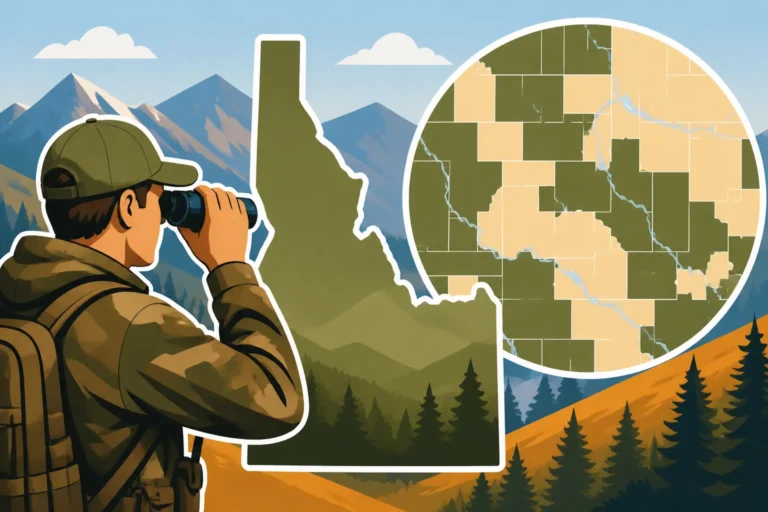
While the exact numbers can fluctuate slightly year to year as new agreements are forged and others expire, the Access Yes program typically provides access to around 328,000 acres of private land. Think about that for a moment: that's over half a million acres that were once private domain, now accessible to you. This land isn't concentrated in one corner; it's distributed throughout the state, often in areas that are critical for big game winter range, waterfowl staging, or upland bird habitat. You'll find Access Yes properties in agricultural areas of the Snake River Plain, along river corridors, and even parcels adjacent to vast national forest or BLM lands, acting as crucial access points that might unlock otherwise landlocked public ground. How Many Acres Idaho's Access Yes Covers is a great resource if you're curious about the specifics of the program's reach.
Impact on Hunter Opportunity
This substantial acreage has a profound impact on hunter opportunity. It directly alleviates pressure on public lands, especially during popular seasons, by spreading hunters out. For those pursuing species like pheasant, quail, or waterfowl, where private agricultural lands are often key habitat, Access Yes is a game-changer. It also opens up crucial migration corridors and winter range for deer and elk that might otherwise be inaccessible. Imagine finally being able to pursue deer on that tempting private parcel you drive by every season, or finding new spots for duck hunting along a private stretch of river. It transforms potential frustration into real opportunity, allowing hunters to experience a broader range of Idaho's diverse landscapes and wildlife.
How Access Yes Properties Are Secured and Managed
The process of bringing a private parcel into the Access Yes program is a collaborative effort between the IDFG and the landowner. It’s much more than just a handshake; it involves formal agreements that define the terms of access, ensure landowner protection, and outline the responsibilities of hunters. This structure is what makes the program sustainable and beneficial for all parties involved.
Agreements with Landowners
When a landowner agrees to participate in Access Yes, they enter into a contract with the Idaho Fish and Game. These contracts are tailored to the specific property and the landowner's needs, dictating everything from the type of access allowed (walk-in only, vehicle access on designated roads, etc.) to the specific species that can be hunted. The IDFG works closely with landowners to identify their concerns and integrate them into the agreement. For instance, a farmer might open their cornfields for pheasant hunting after harvest but restrict access to protect crops or livestock during other times. These agreements are crucial for managing expectations and ensuring that both the landowner's property and the hunter's experience are positive.
Types of Access Offered
Not all Access Yes properties are created equal, and that's by design. The program offers various access types to suit different landowner needs and hunting styles. Here's a general breakdown:
| Access Type | Description | Common Use |
|---|---|---|
| Walk-In Only | Hunters must park at designated areas and access the property on foot. No motorized vehicles allowed. | Upland birds, deer, elk, some waterfowl |
| Vehicle Access | Hunters may drive on designated roads or trails within the property. Strict rules on off-road travel. | Easier access for those with mobility issues or heavy gear, often for big game |
| Hunting by Permission | Hunters must contact the landowner directly for permission before entering, even if it's an Access Yes property. | Often for smaller parcels or properties with specific management needs |
| Specific Use | Access might be restricted to certain species, seasons, or even weapon types. | Waterfowl blinds, limited big game draws, youth hunts |
It's absolutely critical to understand the specific rules for each individual Access Yes property before you even set foot on it. You can find these details on the IDFG website or through mapping applications like onX Hunt. Always assume "walk-in only" unless explicitly stated otherwise.
Managing Hunter Pressure
One of the landowner's primary concerns is often managing hunter numbers and potential impacts. The IDFG addresses this by actively monitoring and managing Access Yes sites. This can involve requiring sign-in sheets at entry points, limiting the number of hunters on a given day, or even specific hunt area designations. The goal is to provide a quality hunting experience while preventing overcrowding and minimizing disturbance to the landowner's operations. This active management helps ensure the longevity of the program by maintaining good relationships with the cooperating landowners.
Finding and Using Access Yes Lands
So, you're convinced that Access Yes is worth exploring, but how do you actually find these elusive parcels and incorporate them into your hunt plan? It's easier than you might think, thanks to modern mapping technology and the resources provided by the Idaho Fish and Game.
IDFG Online Resources
Your first stop should always be the official Idaho Fish and Game website. They maintain an interactive map dedicated to Access Yes properties, which is regularly updated. This map allows you to zoom in on specific regions, see the boundaries of Access Yes parcels, and, most importantly, read the specific rules for each one. These details will tell you if it's walk-in only, if certain species are prohibited, or if there are special parking instructions. Always check these details, as they are non-negotiable. Furthermore, the IDFG often provides printable maps and detailed descriptions that you can download before heading out of cell service. You can also explore the Idaho Hunt Planner Is the Tool to Start With for a broader overview of hunting opportunities.
Utilizing Mapping Applications
For many modern hunters, a robust mapping application is indispensable, and this is where tools like onX Hunt truly shine. Many premium hunting apps integrate Access Yes property boundaries directly into their public/private land layers. This means you can see these parcels right on your phone or GPS device in the field, making it incredibly easy to identify where you can legally hunt. You can often filter by Access Yes properties, see the boundaries clearly delineated, and even get a quick summary of the rules directly within the app. This takes a lot of the guesswork out of navigating mixed-ownership areas, allowing you to confidently plan your approach and avoid accidental trespass. Other resources like GoHunt might also provide insights or mapping overlays that highlight Access Yes areas, helping you fine-tune your hunt strategy.
Scouting Access Yes Areas
Just like any other hunting ground, effective scouting is crucial for success on Access Yes properties. Don't assume that just because it's private land, it's automatically teeming with game or easy to hunt. Use satellite imagery on your mapping app to look for cover, water sources, and potential travel corridors. Pay attention to how the Access Yes parcel connects to adjacent public land or other private parcels. Sometimes, these lands act as crucial pinch points or feeding areas. Consider a pre-season drive-by (if allowed for vehicle access) or even a walk-in reconnaissance to understand the terrain, identify potential bedding areas, and look for fresh sign. Remember, these lands are often actively managed by landowners, so agricultural cycles or logging operations could change the landscape from year to year.
Rules and Responsibilities on Access Yes Properties
Hunting on Access Yes properties is a privilege, not a right, and it comes with a significant responsibility to respect the landowner's property and the rules of the program. Failing to adhere to these guidelines can jeopardize access for all hunters, potentially leading to the landowner withdrawing from the program.
Adhering to Posted Regulations
Every Access Yes property will have specific rules, often posted at entry points and detailed on the IDFG website or within mapping applications. These rules are not suggestions; they are mandates. This could include requirements like walk-in only access, parking in designated areas, prohibitions on specific activities (like target shooting or ATV use), or restrictions on certain times of day. Ignoring these signs is not only disrespectful but can also lead to citations for trespass or other violations. Remember, these properties are still private land, and the landowner has every right to enforce their rules. Always confirm the specific regulations for the property you plan to hunt, even if you’ve hunted an Access Yes property before, as rules can vary from one parcel to another. Access Yes Rules Hunters Must Follow is an excellent resource to dive deeper into these obligations.
Respecting Landowner Property
This goes beyond just following hunting regulations. It means treating the land as if it were your own, or even better. Close all gates you open, stay on designated trails or access routes, and never disturb livestock or agricultural equipment. Pack out all your trash, including spent shell casings, and leave no trace of your presence. Avoid driving vehicles off established roads, even if the main access is vehicle-friendly, as this can damage fields or fragile ecosystems. When you see livestock, give them a wide berth. These simple acts of respect build trust with landowners and ensure the continued success of the Access Yes program for future generations of hunters.
Ethical Hunting Practices
Beyond the specific Access Yes rules, always uphold the highest standards of ethical hunting. This includes ensuring clean shots, making every effort to retrieve downed game, and treating the harvested animal with respect. Be mindful of other hunters on the property; while Access Yes aims to spread pressure, you might still encounter others. Practice safe firearm handling and clearly identify your target and what lies beyond it before taking a shot. Remember that the image you project as a hunter reflects on the entire hunting community, and on private land, this impression is even more critical for maintaining access opportunities.
The Broader Impact of Access Yes on Idaho Hunting
The Access Yes program is more than just a means to open a few acres; it's a strategic initiative that has a ripple effect across the entire landscape of Idaho hunting. It contributes significantly to wildlife management, conservation, and the overall health of the hunting tradition in the state.
Bridging Public and Private Lands
One of the program's most significant contributions is its ability to bridge the gap between public and private lands. Often, private parcels act as critical access routes to otherwise landlocked public ground, or they provide essential habitat corridors that connect larger blocks of public land. By securing access to these private tracts, Access Yes essentially unlocks additional public land opportunities that would be extremely difficult, if not impossible, to reach otherwise. This connectivity is vital for wildlife movement, especially during migration periods or when animals seek refuge from hunting pressure. This creates a more cohesive hunting landscape, benefiting both wildlife and hunters.
Contribution to Wildlife Management
Access Yes also plays a crucial role in wildlife management by allowing hunters into areas that are important for population control or specific harvest goals. For example, some private lands may hold significant concentrations of deer or elk that need to be managed through hunting to prevent overgrazing or disease. The program provides a mechanism for the IDFG to work with landowners to facilitate this management, often in areas that would otherwise be off-limits. This collaborative approach ensures that hunting remains an effective tool for maintaining healthy wildlife populations across diverse landscapes, including those largely dominated by private ownership.
Securing the Future of Hunting Access
Perhaps most importantly, Access Yes is an investment in the future of hunting access in Idaho. As urbanization and development continue, private lands become even more critical for wildlife habitat and recreational opportunities. Programs like Access Yes demonstrate a proactive approach to securing these opportunities for generations to come. It fosters a positive relationship between landowners, hunters, and the IDFG, built on mutual respect and shared conservation goals. By supporting this program through your actions and adherence to rules, you're directly contributing to ensuring that Idaho remains a premier hunting destination with diverse and ample access for all.
Disclaimer
This article is for general informational purposes only and does not constitute professional advice. Laws, prices and regulations vary by location and change over time. Consult a qualified professional for guidance on your specific situation.