Crossing a State Line With a Harvested Animal
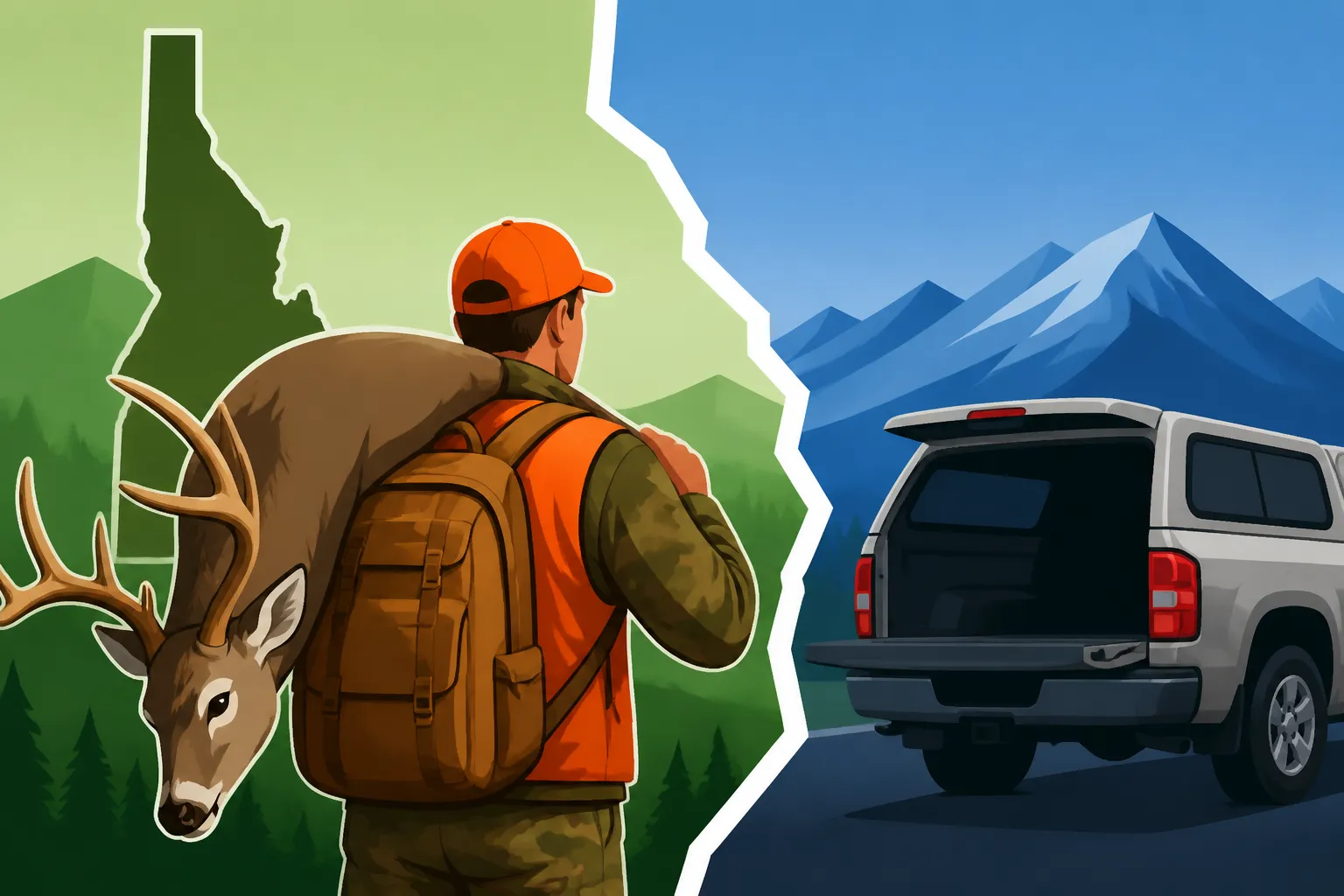
Okay, you've done the hard work, packed out your elk or mule deer from the backcountry, or maybe that trophy whitetail from the Panhandle. The hunt was a success, the freezer is about to get a whole lot happier, but now a nagging question hits you: how do you actually get this animal, or at least its prime cuts and antlers, across state lines without running afoul of the law? It's a common worry, and frankly, the rules can feel like a labyrinth. This guide will help demystify the process of legally transporting your harvested Idaho game back to your home state, ensuring your prized memories don't turn into a legal headache at the border.
Understanding CWD and Its Impact on Transport Rules
Let's cut right to the chase: Chronic Wasting Disease, or CWD, is the single biggest factor dictating how you can transport harvested game across state lines these days. It's a serious neurological disease that affects cervids—deer, elk, and moose—and it's absolutely critical for hunters to understand its implications. Ignoring CWD regulations isn't just risky; it can have severe consequences for wildlife populations and for you personally.
Why CWD Matters for Hunters
CWD is a prion disease, similar to Bovine Spongiform Encephalopathy (BSE) in cattle, and it's always fatal to the infected animal. It slowly degrades the animal's brain, leading to emaciation, abnormal behavior, and eventually death. While there's currently no evidence of CWD transmitting to humans, wildlife agencies are working tirelessly to prevent its spread, and that includes regulating the movement of animal carcasses. The goal is to keep infected parts, particularly those where the prions concentrate, from moving into new areas.
For hunters, this means that even if you're not personally concerned about the disease, the state you're leaving (Idaho) and the state you're entering (your home state) are very concerned. They've put strict rules in place to manage this risk. Think of it less as a hurdle and more as a crucial step in responsible wildlife stewardship. We all want healthy deer and elk populations for future generations, and controlling CWD is a big part of that effort. This is why you'll see specific rules around Carcass Transport Rules After a CWD Detection.
Idaho's CWD Management Areas
Idaho has specific units that are designated as CWD Management Areas, particularly in areas where the disease has been detected. If you've been lucky enough to harvest an animal within one of these zones, your transport requirements will be much more stringent than if you hunted in an area with no known CWD. Idaho Fish and Game will have clear guidance on their website about which units are affected and what actions you need to take, such as mandatory testing or specific carcass disposal methods within the state.
Even if you hunt outside a designated CWD area, the general principle of minimizing the movement of high-risk parts still applies when you cross state lines. It’s always best practice to process your animal as thoroughly as possible in the field or at a local processor before heading home. This helps protect Idaho's herds and those in your home state. You can find more specific information on where and how the state conducts its Chronic Wasting Disease Testing in Idaho.
The Importance of Knowing Your Destination State's Rules
This is perhaps the most critical piece of the puzzle that many hunters overlook. It's not enough to simply know Idaho's export rules; you absolutely must know your destination state's import rules. Every state has its own set of regulations concerning the entry of cervid carcasses or parts from other states, especially those with known CWD. What might be perfectly legal to remove from Idaho could be illegal to bring into Oregon, for example.
Imagine harvesting a magnificent bull elk in Idaho's backcountry, butchering it carefully, and driving it hundreds of miles home, only to have a game warden in your home state confiscate it because you brought in a skull with brain matter or certain lymph nodes. That's a gut-wrenching scenario that's entirely avoidable with proper planning. Before you even pack your hunting gear, take the time to visit your home state's fish and game website and look specifically for "importation of cervid carcasses" or "CWD regulations for out-of-state hunters."
General Carcass Transport Rules for Crossing State Lines
Navigating the rules for taking your hard-earned game across state lines boils down to understanding which parts are considered low-risk and generally allowed, versus those that are high-risk and almost universally restricted. This isn't just about CWD; it's also about preventing the spread of other potential diseases or simply making sure you're not transporting un-tagged portions of an animal.
What Parts Are Generally Safe to Transport
For the vast majority of states, and particularly when coming from Idaho, the following parts of a harvested cervid are generally considered safe for cross-state transport:
- Deboned Meat: This is the gold standard. All meat that has been completely removed from the bone is almost always permissible. Think of it as clean, lean protein ready for the freezer. This includes roasts, steaks, and ground meat, as long as it's free of brain or spinal tissue.
- Cleaned Skull Plate (Antlers): If you're bringing home a trophy, the antlers attached to a skull plate are fine, as long as all brain and spinal cord tissue has been completely removed. This often means boiling or pressure washing the skull plate until it's bone-dry and clean.
- Hides and Capes: Hides (the skin) are typically allowed, provided they are thoroughly cleaned and free of any brain matter, spinal tissue, or significant amounts of muscle tissue. Capes, used for shoulder mounts, must also be meticulously cleaned of all soft tissue, especially around the skull and neck, where lymph nodes could reside.
- Teeth: If you want to keep the jaw or specific teeth for a memento, these are generally allowed once cleaned.
- Finished Taxidermy Products: A mount that has been professionally prepared and processed by a licensed taxidermist is almost universally allowed, as all high-risk tissues would have been removed during the preservation process.
These items are considered low-risk because the parts most likely to harbor CWD prions (brain, spinal cord, lymph nodes) have been removed. This thorough cleaning and preparation is key to a smooth journey home. Remember, Idaho itself has Field Dressing and Carcass Transport Rules Explained that are worth reviewing as part of your post-harvest activities.
Parts That Are Usually Restricted or Prohibited
Conversely, certain parts of a harvested cervid are routinely restricted or prohibited from crossing state lines, especially if they originate from states or areas with known CWD. These high-risk parts include:
- Brain and Spinal Cord: These are the primary sites where CWD prions accumulate. Any part of the skull that contains brain matter, or any portion of the vertebral column (spinal cord), is almost always restricted. This is why a "skull plate" must be completely cleaned.
- Eyes: Due to their proximity to brain tissue and potential for prion accumulation, eyes are often included in the restricted list.
- Lymph Nodes: These small glands, found throughout the animal's body (especially around the head, neck, and digestive tract), can harbor CWD prions. Their presence in transported meat or tissue can lead to confiscation.
- Spleen: The spleen is another organ that can accumulate prions and is often restricted.
- Unprocessed Carcasses (Whole or Partially Processed): Bringing an entire, unquartered, or partially processed carcass across state lines is almost universally prohibited, especially from CWD-positive states or areas. The risk of spreading disease via remaining high-risk tissues is too great.
The rationale behind these restrictions is purely disease prevention. By limiting the movement of these specific tissues, wildlife agencies aim to prevent CWD from spreading to new regions where it could devastate local cervid populations. Always err on the side of caution: if in doubt, remove it.
Packaging and Labeling Best Practices
Once you've deboned your meat, cleaned your skull plate, or prepared your cape, proper packaging and labeling are essential. This not only keeps your meat fresh but also demonstrates to any inspecting official that you've done your due diligence.
- Vacuum Sealing or Double Bagging: For meat, vacuum sealing is ideal for freshness and preventing leaks. If you don't have a vacuum sealer, double-bagging meat in heavy-duty freezer bags and ensuring all air is squeezed out will work.
- Coolers and Ice: Ensure your coolers are well-insulated and packed with plenty of ice (or dry ice for longer trips) to maintain a consistently cold temperature. This is crucial for food safety.
- Clear Labeling: Label each package of meat with the species (e.g., "Idaho Elk"), the date of harvest, and potentially the hunting unit number. For skull plates or capes, attach a tag with your name, hunting license number, and the Idaho tag number. This transparency can save you a lot of hassle.
- Separate Storage: Keep meat, capes, and skull plates separate from personal items. A well-organized cooler or storage area makes inspection easier and faster.
- Proof of Harvest: Always carry your valid Idaho hunting license and the physical tag attached to your animal (or a portion as required by Idaho law). This is your undeniable proof that the animal was legally harvested. Remember How Soon You Must Tag a Downed Animal to avoid issues.
Taking these extra steps in packaging and labeling doesn't just make you a responsible hunter; it protects your valuable harvest and helps ensure a smooth, legal journey home.
| Carcass Part | Generally Allowed for Cross-State Transport (with proper cleaning) | Usually Restricted/Prohibited for Cross-State Transport |
|---|---|---|
| Deboned Meat | Yes (free of brain/spinal tissue) | No (unless containing high-risk tissue) |
| Cleaned Skull Plate | Yes (all brain/spinal tissue removed) | Yes (if brain/spinal tissue present) |
| Antlers (shed or cut) | Yes | No |
| Hides/Capes | Yes (cleaned, no attached high-risk tissue) | Yes (if significant high-risk tissue attached) |
| Teeth | Yes (cleaned) | No |
| Brain | No | Yes |
| Spinal Cord / Vertebrae | No | Yes |
| Eyes | No | Yes |
| Spleen | No | Yes |
| Lymph Nodes | No | Yes |
| Whole/Partially Carcass | No | Yes |
| Finished Taxidermy Mount | Yes | No |
Specific Considerations for Idaho Hunters Leaving the State
You've spent your days hunting in Idaho, whether it was chasing elk in the rugged mountains or mule deer in the high desert. Now it's time to head home. While the general rules about CWD apply, there are some Idaho-specific nuances and practical steps that can make your departure hassle-free.
Idaho's Carcass Transport Rules After a Harvest
Idaho wants its hunters to be responsible, and that includes how game is handled within the state, especially if CWD is a concern in the unit you're hunting. If you're hunting in an identified CWD Management Zone in Idaho, there will be very clear instructions from Idaho Fish and Game regarding carcass transport out of that specific zone. This might involve mandatory check stations or specific rules about only transporting deboned meat, cleaned skull plates, and hides. Always check the current Idaho Hunting Regulations booklet, or their website, for the most up-to-date information pertaining to the specific Idaho game management units you're hunting in.
Generally, even outside CWD zones, Idaho expects you to follow ethical practices like ensuring the carcass is tagged appropriately and that all edible meat is salvaged. You cannot just leave salvageable meat in the field. But the critical distinction comes when you intend to cross a state line. Idaho's rules for exporting game will mirror the general CWD guidelines, focusing on keeping high-risk parts within the state or ensuring they are removed before transport. It's not uncommon for states to require hunters to dispose of restricted parts in designated CWD disposal sites before leaving the state.
Navigating Border States: Montana, Wyoming, Oregon, Washington, Utah, Nevada
Idaho shares borders with several states, and each of these states has its own unique set of import regulations for cervid carcasses. You absolutely cannot assume that what's okay for Montana is okay for Oregon, or vice versa. The onus is entirely on you as the hunter to research and comply with the laws of the state you're traveling into.
Here's a general approach for checking neighboring states' rules:
- Identify Your Route: Determine which states you will be driving through on your way home.
- Visit Their Official Websites: Go directly to the fish and wildlife or game and fish department website for each state on your route. For example, if you're driving from Idaho to California, you'd check Oregon's and California's wildlife agency sites.
- Search for "CWD Carcass Importation": Look specifically for regulations on bringing cervid carcasses or parts into their state from out-of-state. These regulations are usually prominently displayed during hunting season due to their importance.
- Print or Screenshot: Have a copy of the regulations, either printed or on your phone, to show officials if questioned. This demonstrates your proactive effort to comply.
Many states bordering Idaho, like Montana and Wyoming, have robust CWD surveillance programs themselves and will have strict import rules. Being prepared and informed means you won't be caught off guard, potentially saving your harvest. Tools like GoHunt or onX Hunt can sometimes provide quick access to state regulations or highlight important unit-specific rules, but always verify with the official state agency website.
The Role of Taxidermists and Processors
For many nonresident hunters, using an Idaho-based professional taxidermist or meat processor is an absolute game-changer. These professionals are intimately familiar with both Idaho's export regulations and the import regulations of neighboring states. They know exactly which tissues need to be removed to make a skull plate or cape compliant for cross-state travel, and they can process your meat into deboned, freezer-ready packages.
By utilizing their services, you're essentially outsourcing the complexity of carcass preparation. They handle the removal of all high-risk materials, ensuring that what you take home is legal. This saves you the headache of performing meticulous cleaning in the field under less-than-ideal conditions and gives you peace of mind that your trophy or meat won't be confiscated. Plus, you're supporting local Idaho businesses, which is a nice bonus! Always ask your chosen taxidermist or processor about their experience with out-of-state clients and their knowledge of CWD regulations.
Planning Ahead for a Smooth Journey Home
The key to a stress-free experience when crossing state lines with your harvested game isn't improvisation; it's meticulous planning. Just as you scouted your hunting unit months in advance, you should prepare for the journey home long before you pull the trigger.
Researching Regulations Before You Hunt
I can't stress this enough: the time to check regulations is before you leave for your hunt, not when you're standing over a downed animal miles from home. Knowing the rules in advance allows you to make informed decisions about where you hunt, how you'll process your animal, and what preparations you need to make for the trip home. Will you need extra coolers? Do you need to pack specialized cleaning tools for a skull?
Start by thoroughly reviewing the current year's Idaho hunting regulations, which are usually available months before the season. The official Idaho Fish and Game website is your best friend for this; look for the most current rules, as they can sometimes change year to year. Specifically, pay close attention to sections on CWD, carcass transport, and tagging requirements. You can often find a link to "Where the Current Idaho Regulations Are Posted" directly on the Fish and Game site. Also, check your home state's game agency website for their import rules. Having this information in hand before you depart gives you confidence and ensures compliance. Don't forget, The Idaho Hunt Planner Is the Tool to Start With for a lot of crucial information, including unit-specific rules and CWD status.
Documenting Your Harvest and Route
Having proper documentation for your harvest is non-negotiable. This includes your valid Idaho hunting license, the original big game tag (properly filled out and attached to the animal as per Idaho law), and any required federal waterfowl stamps or upland bird validations if you're bringing other game home.
When preparing your game for transport, ensure the tag remains affixed to the appropriate part of the animal, as specified by Idaho regulations. If you're deboning an entire animal, some states require the tag to remain with the largest portion of meat, or with the head/antlers if that's what you're keeping. Always confirm Idaho's specific requirements. It's also a good idea to keep a copy of your license and tag in a separate, waterproof bag in case the original is lost or damaged. You should also be prepared to explain your hunting unit and route to any game warden or law enforcement officer you encounter. Knowing these details offhand shows you're a responsible and informed hunter.
Preparing Your Vehicle for Game Transport
Getting your vehicle ready for transporting game is about more than just tossing coolers in the back. It's about preserving your harvest, maintaining cleanliness, and preventing any issues during transit, especially on long drives from Idaho back home.
- Cleanliness is Key: Make sure your vehicle's cargo area is clean and free of debris before loading game. Line it with tarps or heavy plastic sheeting to protect against leaks and odors. Blood and fluids can be difficult to clean and can attract unwanted attention or pests.
- Temperature Control: For meat, maintaining a cold temperature is paramount. Invest in quality coolers and plan for regular ice replenishment, especially if your journey home spans more than a day. Dry ice is an excellent option for long trips, but be sure to vent your vehicle as dry ice emits carbon dioxide.
- Secure Storage: Ensure all coolers and containers are securely strapped down. You don't want them sliding around or tipping over during sudden stops or turns. A loose cooler can be a hazard and a mess.
- Accessibility for Inspection: While you hope for an uninterrupted drive home, be prepared for potential inspections. Pack your game in a way that allows easy access for a game warden to view contents, if necessary, without having to unpack your entire vehicle.
- Personal Hygiene: Have some cleaning supplies like hand sanitizer, wipes, and plastic bags readily available for yourself after handling game. A little preparation here makes the entire process smoother and more enjoyable.
By meticulously planning and understanding the regulations, your journey home with your Idaho harvest can be just as rewarding as the hunt itself. Safe travels!
Disclaimer
This article is for general informational purposes only and does not constitute professional advice. Laws, prices and regulations vary by location and change over time. Consult a qualified professional for guidance on your specific situation.