Flying Into a Backcountry Airstrip to Hunt
Hunting in Idaho offers some of the most spectacular, yet challenging, opportunities for big game, particularly when you're dreaming of escaping the crowds and finding truly untouched country. However, the sheer vastness and rugged terrain of Idaho's wilderness areas often make conventional access nearly impossible. For many dedicated hunters, the frustration of knowing prime habitat lies just beyond the reach of roads and trails is all too real. This guide is designed to walk you through the exciting, albeit logistically complex, world of flying into a backcountry airstrip for your Idaho hunting adventure, helping you unlock those hidden gems and experience the wild like never before.
The Allure of Idaho's Remote Backcountry for Hunters
Idaho is renowned for its expansive wilderness, and for good reason. Miles of roadless terrain, deep canyons, and towering peaks often hide exceptional hunting opportunities that are simply inaccessible to the average hunter on foot or by vehicle. Flying into a backcountry airstrip isn't just a novelty; it's often the only practical way to reach these truly remote havens.
Unparalleled Access to Untouched Wilderness
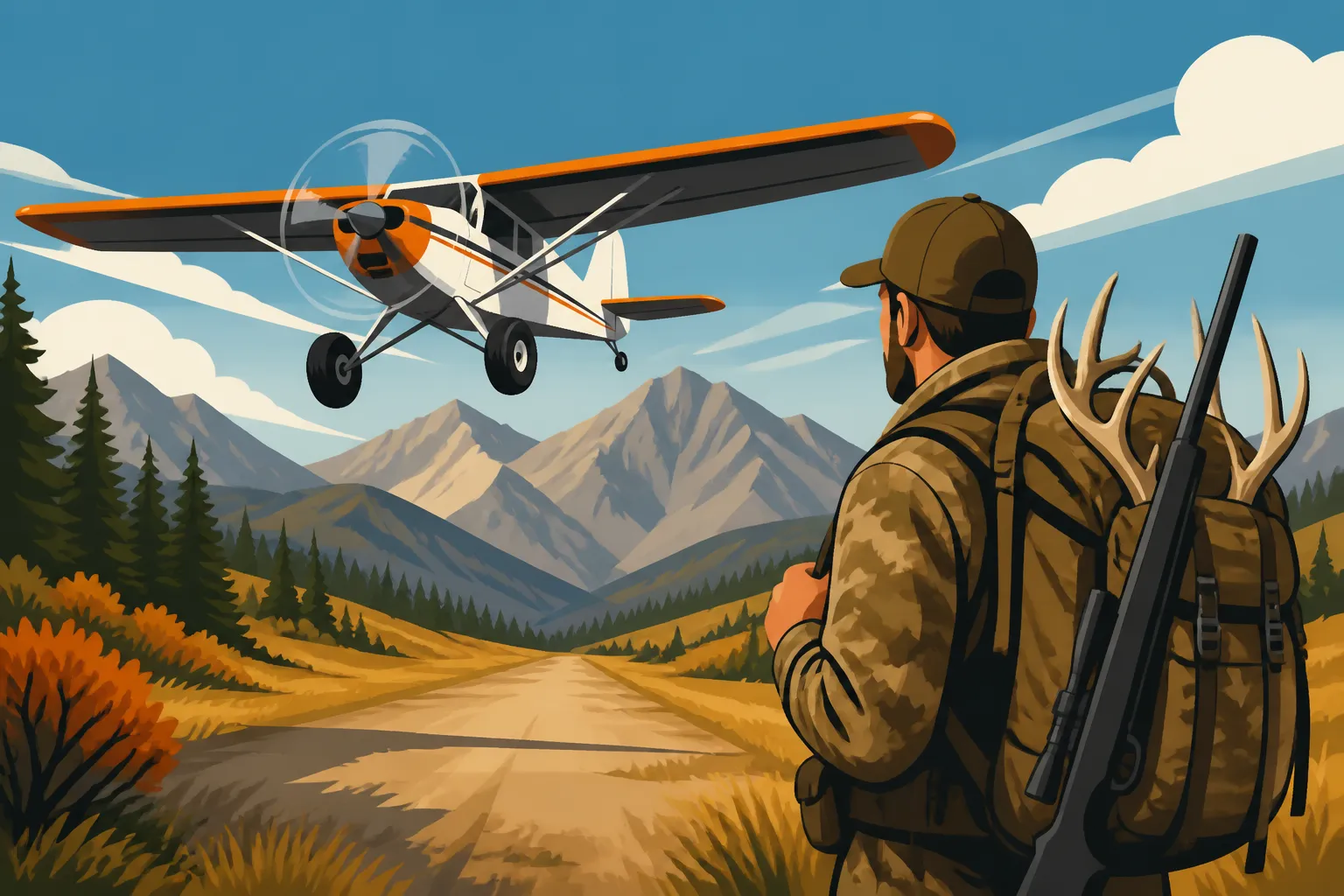
Imagine stepping out of a small plane onto a gravel strip surrounded by hundreds of thousands of acres of pristine wilderness. That's the reality a fly-in hunt offers. You're immediately immersed in country where game animals might see fewer human encounters, potentially leading to less pressured animals and more natural behavior. This kind of access can place you deep within zones that would otherwise require days, if not weeks, of arduous packing in on horseback or foot. You bypass the trailheads that see heavy pressure and put yourself in a position to hunt areas that few others experience.
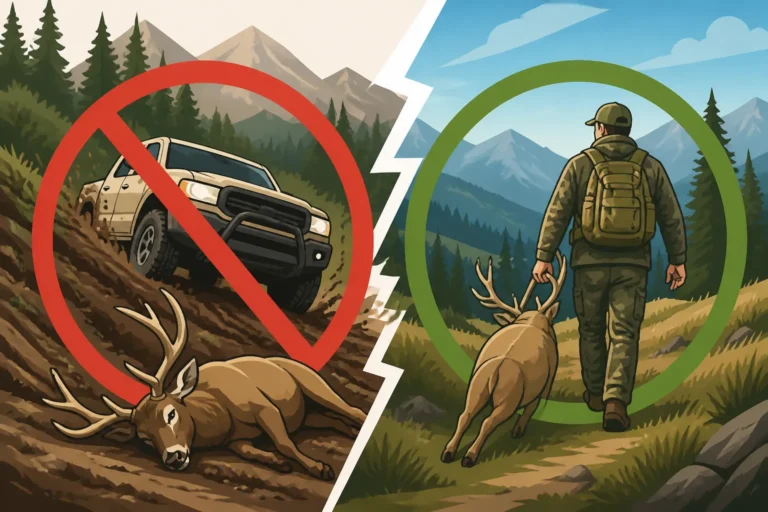
It’s about more than just getting away from people; it’s about getting to the prime habitat that’s tucked far from civilization. These areas often hold mature animals that have grown old without constant human disturbance, making them prime targets for serious hunters. While Idaho's Motorized Hunting Rule Keeps You on the Road in most areas, flying in lets you skip over those restrictions and land right where the real wilderness begins. This isn't just a hunt; it's an immersive wilderness experience.
The Efficiency Factor: Time Saved, Ground Gained
Let's be honest: time is a precious commodity, especially when planning a demanding hunting trip. A traditional backcountry hunt often means days spent just getting to your hunting grounds, slogging through miles of dense timber or steep mountainsides, all while carrying heavy packs. A fly-in hunt dramatically compresses this travel time. What might take two or three grueling days of packing in can be accomplished in a matter of minutes or a few hours in a small plane.
This efficiency means more actual hunting time on the ground. Instead of arriving exhausted and spending your first day recovering, you can be fresh and ready to scout or hunt almost immediately after setting up camp. This is particularly valuable for shorter trips or if you're targeting animals in very specific, far-flflung areas. The cost of an air taxi might seem significant upfront, but when you weigh it against the value of your time, the physical toll, and the increased opportunity, it often makes perfect sense for reaching the most remote sections of Hunting Idaho's National Forests and BLM Ground. It's a strategic investment in a deeper, more productive hunt.
Different Types of Fly-In Hunting Experiences
Not all fly-in hunts are created equal, and understanding the options is crucial for planning. You generally have a few distinct choices when considering flying into an Idaho backcountry airstrip. The most common is the "drop camp" scenario, where an air taxi flies you and your gear into a remote airstrip, leaving you to hunt independently. They’ll then return on a pre-determined date to pick you up. This option is popular with experienced DIY hunters who want to access remote areas without the expense of a fully guided trip.
On the other end of the spectrum, some outfitters offer fully guided fly-in hunts. In this case, the air taxi might be part of the outfitter's service, flying you and your guide directly into a backcountry camp. This provides the ultimate convenience and expertise but comes with a higher price tag. Lastly, some experienced backcountry hunters might even fly their own planes (if certified) or get dropped off by a friend, assuming they have the right aircraft and flying skills for short, unimproved strips. Each option offers a unique balance of cost, independence, and support, catering to different hunting styles and budgets.
Choosing Your Airstrip and Planning the Journey
The vastness of Idaho's wilderness means there are quite a few backcountry airstrips, each with its own quirks, access points, and surrounding hunting opportunities. Deciding where to land is as critical as deciding where to hunt.
Researching Airstrips and Regulations for Wilderness Access
Idaho has several designated wilderness areas, most famously the Frank Church-River of No Return Wilderness and portions of the Selway-Bitterroot Wilderness. These areas contain numerous historic backcountry airstrips. However, hunting in these areas comes with specific regulations, particularly for nonresidents. For instance, Hunting the Frank Church River of No Return and Selway-Bitterroot Wilderness Access in Idaho are prime examples where specific rules, such as the requirement for nonresidents to hire a licensed outfitter for certain big game species (like elk), apply. It's paramount to understand these regulations before you even start scouting for an airstrip.
Beyond the guide requirements, you need to research the airstrip itself. What are its dimensions? Is it maintained? What are the typical weather patterns and prevailing winds? Most backcountry airstrips are unimproved gravel or dirt strips, often short, with challenging approaches. You'll need to coordinate directly with your air taxi service, as they are the experts on which strips are suitable for their aircraft and the conditions. The Idaho Department of Fish and Game regulations or Forest Service maps are invaluable resources for understanding the surrounding unit boundaries and specific hunting rules for the area you're considering.
Mapping Your Hunt from the Air
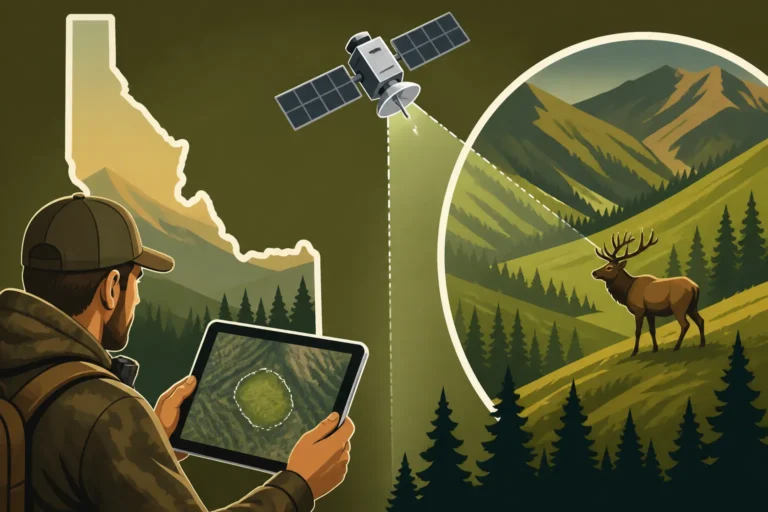
Once you have a few potential airstrips in mind, it's time to dive deep into mapping. Modern mapping tools are absolute game-changers for fly-in hunts. Services like onX Hunt allow you to overlay public and private land boundaries, topography, and even satellite imagery, giving you a detailed view of the terrain around your chosen airstrip. You can identify potential camp locations, water sources, game trails, and bedding areas long before your boots hit the ground. GoHunt also offers excellent research tools, including draw odds and harvest statistics for various units, which can help confirm the potential of your chosen area.
This detailed e-scouting is crucial because once you're on the ground, your mobility is limited. You won't have the luxury of driving around to find a better spot. Spend hours pouring over maps, looking at elevation changes, timber pockets, and natural funnels. Identify escape routes for game and plan your hunting strategies. Understanding where the game will move in relation to the airstrip and surrounding terrain is critical. By using these tools, you can essentially conduct a virtual scouting trip from your living room, dramatically increasing your chances of success once you arrive. E-Scouting an Idaho Unit Before the Season is a skill that becomes even more vital for fly-in hunts.
Logistics of Gear and Weight
Flying into the backcountry means strict weight limits. This isn't like car camping where you can throw in everything but the kitchen sink. Every ounce counts. Air taxis operate under stringent safety regulations and aircraft weight limitations, which means you'll be charged by the pound, and there are often hard caps on how much gear they can transport per trip. This forces you to become a minimalist.
You need to prioritize essential survival gear, reliable hunting equipment, and calorie-dense, lightweight food. Forget the heavy cast iron skillet or that extra pair of boots you might need. Think ultralight tent, compact sleeping bag, water filtration system, and dehydrated meals. The challenge is balancing necessity with comfort and safety. Planning out your gear meticulously, often down to the individual item, is part of the process. Remember, you'll also need space for your meat and hide on the way out, so plan to come in lighter than you leave. It’s a delicate dance, but one that ensures a safe and efficient flight.
Here’s a simplified breakdown of typical gear considerations:
| Category | Essential Items | Weight Considerations |
|---|---|---|
| Shelter | Lightweight tent/tarp, sleeping bag, pad | Ultralight materials are key. |
| Clothing | Layering system, rain gear, warm insulation | No cotton, focus on wool/synthetics. |
| Food & Water | Dehydrated meals, water filter/purifier | High calorie-to-weight ratio, ample fuel for stove. |
| Navigation | GPS, map, compass, onX Hunt on phone |
Batteries, power bank. |
| Safety | First-aid kit, bear spray, satellite comms | Don't skimp here; consider two-way communication. |
| Hunting | Rifle/bow, optics, knives, game bags | Lightweight rifle, compact optics. |
| Misc. | Headlamp, fire starter, cordage, repair kit | Multi-use items, small personal hygiene kit. |
Partnering with an Air Taxi Service
Your air taxi service isn't just a ride; they are a critical partner in your fly-in hunting adventure. Their expertise, reliability, and understanding of backcountry flying are paramount to your safety and success.
Vetting and Booking Your Air Taxi
Choosing the right air taxi is perhaps the most important decision you'll make after selecting your hunting unit. Not all air services are equipped or experienced in landing on unimproved backcountry strips, especially with heavy hunting loads. Start by researching services that specialize in backcountry air charter for hunters in Idaho. Look for companies with a long track record, positive reviews, and pilots experienced in mountain flying and operating out of short, challenging strips. Don't hesitate to ask for references from past hunting clients.
When contacting them, ask about their aircraft, their safety record, and their specific experience with the airstrip you're targeting. Inquire about their typical turnaround times for pick-ups and what happens if weather delays your flight in or out. Reputable air taxis will be upfront about their capabilities and limitations. Booking needs to happen well in advance, often a year or more, especially if you're targeting prime hunting dates. Getting this foundational relationship right is crucial for a smooth and safe trip. Remember, services like those that offer What a Backcountry Airstrip Flight Costs can vary, so ensure you get a clear quote upfront.
Understanding Costs and Expectations
Flying into the backcountry isn't cheap, but it provides unparalleled access. Air taxi services typically charge by the flight hour, by the load, or a combination thereof, often with a minimum charge. This cost will cover flying you in and picking you up on a pre-arranged date. Expect to pay extra for any additional flights, such as resupplies or unscheduled pick-ups due to early success or unforeseen circumstances. Be very clear about what's included in the price: is it a round trip? What are the weight limits? What are the charges for overweight gear?
Beyond the financial cost, managing expectations is key. Backcountry flying is heavily dependent on weather. Fog, high winds, or heavy storms can ground planes for days, potentially delaying your drop-off or, more critically, your pick-up. You need to be prepared for these contingencies, both mentally and practically, with extra food and supplies. Clear communication with your air taxi service before, during (if you have satellite comms), and after your hunt is vital. They're your lifeline to and from the wilderness.
Drop Camps Versus Full Service
When you choose to fly in, you're essentially choosing between a "drop camp" or a "fully outfitted" experience. A drop camp, facilitated by an air taxi, is ideal for experienced hunters who want the independence of a DIY hunt but need to bypass the physical ordeal of packing in all their gear. The air taxi literally "drops" you and your camp off, leaving you to manage all aspects of the hunt, from setting up camp to field dressing and packing out your game to the airstrip. This is a very popular and often more affordable option for those who are confident in their backcountry skills. If you're considering this, reading up on Drop Camps in Idaho's Backcountry can provide more detailed insights.
On the other hand, a fully outfitted fly-in hunt involves an outfitter providing guides, camp, food, and often even some of your gear. The air taxi merely serves as transportation for the outfitter's clients and supplies. This option is great for those new to backcountry hunting, or who prefer a more luxurious and less physically demanding experience. While more expensive, it removes much of the logistical burden from the hunter, allowing them to focus purely on the hunt. The choice between these two largely depends on your budget, experience level, and desire for independence.
Backcountry Safety and Equipment for Fly-In Hunts
When you're miles from the nearest road, with only a small plane as your connection to the outside world, self-sufficiency and robust safety planning aren't just good ideas—they're absolute necessities.
Essential Gear for Remote Hunts
Because every item has to be flown in, selecting the right gear is a meticulous process. Beyond your primary hunting weapon and optics, consider what truly defines "essential" for survival in Idaho's rugged wilderness. A robust first-aid kit, comprehensive enough to handle serious injuries, is non-negotiable. A reliable water filtration system or purification tablets are crucial, as clean water sources might not always be readily available or guaranteed. For shelter, lightweight but durable tents or tarp systems that can withstand high winds, rain, or even early season snow are vital.
Perhaps most importantly, a satellite communication device (like a satellite phone or a two-way messenger) is your absolute lifeline. Cell service is non-existent in most of Idaho's backcountry. This device allows you to communicate with your air taxi, alert emergency services if needed, and check in with loved ones. It's not just a convenience; it's a critical safety tool. Think about Physical Conditioning for Idaho Backcountry too, as even with a fly-in, you'll be doing a lot of hiking in challenging terrain. Every piece of gear should be chosen for its durability, lightweight nature, and multi-purpose function.
Contingency Planning for the Unexpected
Even the best-laid plans can go awry, especially in the backcountry. A key part of preparing for a fly-in hunt is having a solid contingency plan. What if your pick-up is delayed by bad weather for two extra days? You'll need enough extra food, fuel, and supplies to comfortably extend your stay. Pack at least two to three days' worth of emergency rations beyond your planned trip length.
What if someone in your party gets injured? Your first-aid kit and satellite communication device become crucial. Knowing how to use them, and having a pre-determined emergency contact plan, can save lives. Also, consider the possibility of losing or damaging essential gear. A small repair kit with duct tape, cordage, and multi-tool can patch up many field problems. Sharing your detailed itinerary, including your airstrip location and planned pick-up date, with a trusted person back home is also a must. They can initiate a search if you don't check in on time. Understanding How Outfitters Plan Emergency Evacuations can provide insight into the types of preparations even professionals make.
Bear Safety in Remote Areas
Idaho is bear country, and when you're deep in the wilderness, you're firmly in their domain. Both black bears and grizzly bears inhabit different regions of the state, and knowing how to identify them and interact safely is paramount. Proper food storage is key to preventing unwanted ursine visitors to your camp. All food, scented items, and even trash should be stored in bear-resistant containers, hung from a tree, or placed in a bear bag at least 100 yards from your tent.
Carrying bear spray and knowing how to quickly deploy it is highly recommended, especially when you're hiking away from camp. Keep it easily accessible, not buried in your pack. Make noise while hiking, especially in dense cover, to avoid surprising a bear. Understand basic bear behavior—never approach a bear, especially cubs or a carcass. Familiarize yourself with Grizzly Identification for Idaho Bear Hunters and always assume a bear could be present, particularly in grizzly overlap zones. Your awareness and actions are your best defense. Integrating these practices into your routine helps ensure a safer hunting experience for everyone.
Disclaimer
This article is for general informational purposes only and does not constitute professional advice. Laws, prices and regulations vary by location and change over time. Consult a qualified professional for guidance on your specific situation.