How Outfitter Trophy Fees Work
It's incredibly frustrating to budget for an Idaho hunting trip, thinking you've got all the costs nailed down, only to hear whispers or, worse, discover after the fact that there's an entirely separate charge for the animal itself – a "trophy fee." This often unspoken cost can throw a serious wrench into your finances and leave a bitter taste, even after a successful hunt. This guide is here to pull back the curtain on how outfitter trophy fees work in Idaho, what to expect, and most importantly, how to avoid those unwelcome surprises.
Understanding the Basics of an Outfitter Trophy Fee
When you embark on a guided hunt, you're usually paying for a comprehensive service: the guide's expertise, lodging, food, transportation within the hunting area, and the general effort involved in putting you on game. It's a significant investment, and rightly so, considering the logistics and knowledge involved. However, the concept of a "trophy fee" sometimes enters the picture as an additional cost, separate from your initial booking price. It's an aspect that many hunters, especially those new to guided experiences or to specific Western states like Idaho, might not fully anticipate or understand.
The "Additional Cost" Beyond Your Base Package
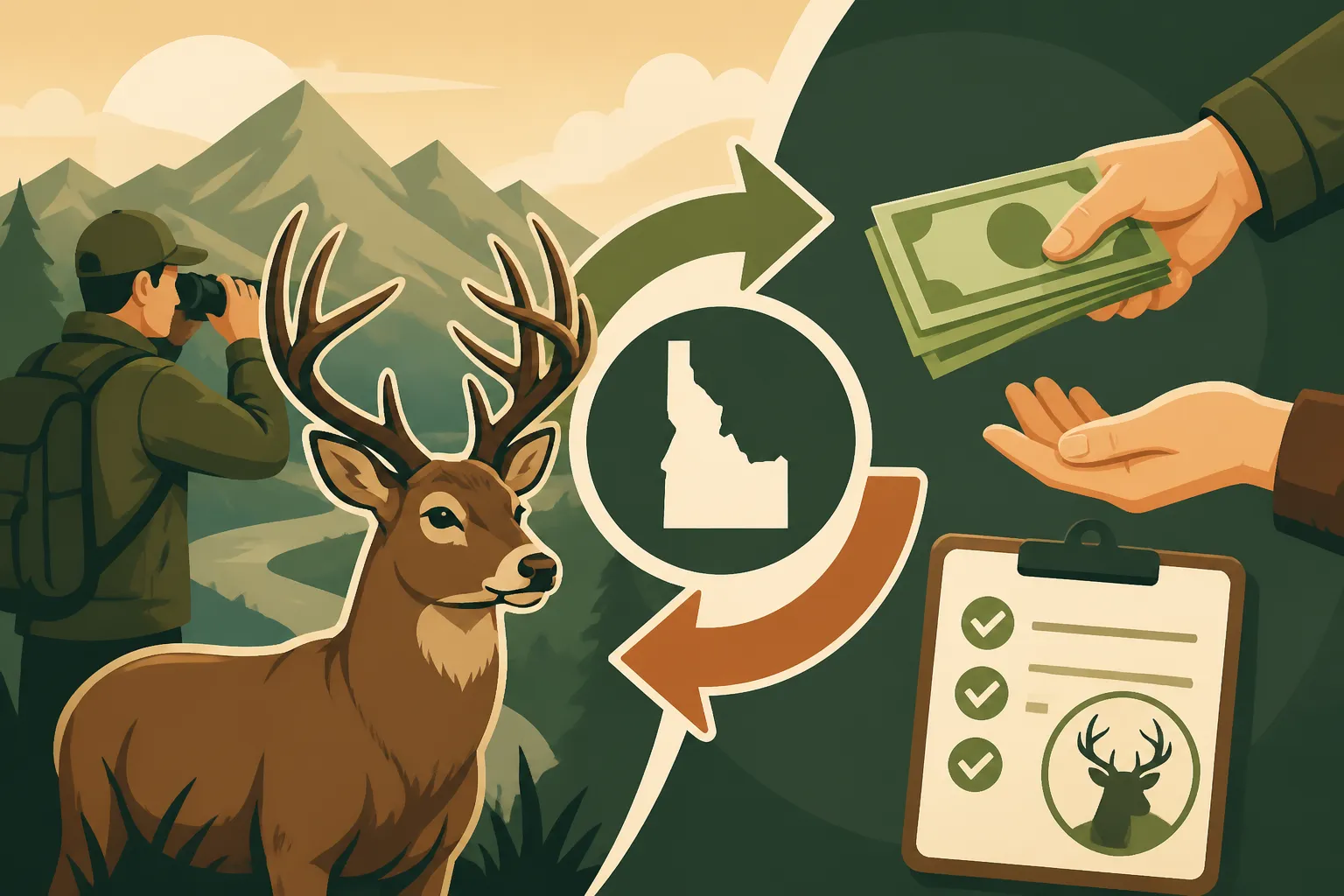
Think of your base outfitter package as the cost to rent the stage and the actors for the play. The trophy fee, then, is like a bonus payment only if the star actor delivers an exceptional performance – or, in this case, if you harvest a particular animal or one of a certain size. It's a charge levied after a successful harvest, tied directly to the animal you take. This can feel counterintuitive to hunters accustomed to simply buying a tag and hunting, where the tag price covers the right to pursue and harvest an animal. With an outfitter, that initial payment typically covers the opportunity and service, not necessarily the inherent value of the animal itself in the outfitter's eyes. It’s a nuance that can catch even seasoned hunters off guard if they aren't diligent in their pre-booking research and communication.
Many hunters find this system a bit perplexing. After all, they've already spent a significant sum on the hunt itself, perhaps thousands of dollars, as outlined in What a Guided Idaho Elk Hunt Costs. Why an extra charge? It comes down to how different outfitters structure their business and manage perceived value. Some outfitters, for example, bundle all costs into a single price, while others itemize, and trophy fees are a common itemization, particularly for certain species or larger animals.
Why Outfitters Implement Trophy Fees
Outfitters implement trophy fees for a variety of reasons, often stemming from the economics of running a hunting business and the desire to manage game populations or hunter expectations. One primary reason is to manage the value of the game harvested. For highly desirable or difficult-to-draw species, or for animals that represent exceptional quality (like a Boone and Crockett class bull), an outfitter might see additional value that isn't fully captured in their base hunt price. This allows them to keep the upfront cost of the hunt slightly more accessible while still being compensated for a truly exceptional animal.
Another factor is resource management. In some cases, a trophy fee might be a disincentive against taking smaller, younger animals. By charging more for larger, more mature animals, outfitters might implicitly encourage hunters to be more selective, thus promoting the growth of larger animals within their hunting areas over time. This can be especially true on private lands or through specific access agreements they hold. It’s a way to ensure that the herd quality remains high, which benefits both the outfitter’s reputation and future hunting opportunities. Of course, the efficacy of this as a management tool is debated, but it's a rationale often cited. It’s critical to remember that every outfitter is a business, and like any business, they're looking to balance operational costs, profit, and the long-term sustainability of their service.
Common Structures and Triggers for Trophy Fees in Idaho
Trophy fees aren't a one-size-fits-all concept. How they're structured and what triggers them can vary significantly from one Idaho outfitter to another. This is precisely why it's so important to dig into the details before you commit to anything. You might encounter fees based on the size of the animal, the specific species, or even for circumstances like a "wounding loss." Each structure has its own implications for your hunt planning and overall budget. Knowing these common structures can help you anticipate potential costs and ask targeted questions.
Size-Based Trophy Fees
Perhaps the most common type of trophy fee structure is one based on the size or quality of the animal harvested. This is often seen with species like elk or mule deer, where antler size is a primary indicator of a "trophy." For elk, an outfitter might charge an additional fee if you harvest a bull scoring above a certain minimum B&C (Boone and Crockett) gross score, or if it has a certain number of points, like a "6-point or better." Similarly, for mule deer, a spread measurement or tine length might trigger an extra fee.
These fees can be flat rates (e.g., "$1,500 for any bull 6×6 or larger") or, less commonly, a tiered system where the fee increases incrementally with the score or size (e.g., "$1,000 for 300-320", "$2,000 for 321-340", etc.). The intention here is clear: to derive additional income from animals that are considered exceptional within their category. While these fees might seem steep, they reflect the outfitter's investment in providing access to quality animals and the perceived market value of such an experience. For hunters specifically targeting a Boone and Crockett Bulls From the Northwest caliber animal, this is a cost they might be willing to pay, but it should never be a surprise.
Species-Based Trophy Fees and Unexpected Encounters
Another common structure involves species-specific trophy fees. This typically applies when an outfitter offers a hunt for one primary species (e.g., elk) but allows for secondary opportunities or has incidental encounters with other animals that might also be legally harvested. For example, your elk hunt might come with an option to add a deer tag, but if you successfully harvest a mule deer during your elk hunt, there might be an additional, separate trophy fee for that deer. This isn't just an Idaho thing; it's a common practice across the West.
Sometimes, these fees come into play with "opportunity kills" – unexpected encounters with game not specifically targeted in your primary hunt package. Imagine you're deep in elk country, and a beautiful mountain lion crosses your path. While you might have a lion tag, harvesting it could incur an additional species-specific trophy fee if it wasn't part of your initial hunt agreement. These types of scenarios are why clarity upfront is paramount. Before you decide to pull the trigger on an animal that wasn't your primary target, always confirm with your guide if an additional fee applies. It's much easier to have that conversation before the animal is on the ground.
Wounding Loss and the Ethics of a Trophy Fee
This is perhaps the most difficult and controversial aspect of trophy fees: the "wounding loss" clause. Many outfitter contracts in Idaho, and elsewhere, stipulate that if a hunter wounds an animal (meaning blood is drawn or clear signs of a hit are observed) but does not recover it, the trophy fee for that animal is still owed. This clause is in place for several reasons. From the outfitter's perspective, a wounded animal that escapes represents a lost opportunity for another hunter, or a potential loss to the local herd if the animal perishes later. They see it as a "harvested" animal, even if not physically recovered, and thus the associated fee is due.
For hunters, this can be incredibly hard to swallow. No one wants to wound an animal and not recover it. It's a gut-wrenching experience. To then be asked to pay a significant sum for an animal you don't even have in hand feels like adding insult to injury. However, outfitters often view it as part of the ethical responsibility that comes with taking a shot. It reinforces the idea that every shot counts and that hunters should only take shots they are confident in. This policy can also be a point of contention and requires a very clear understanding in your contract. Discuss with your outfitter what constitutes a "wound" that triggers the fee (e.g., any blood, specific tracking evidence) and what the process is for determining if the fee is indeed owed. This is one of the most vital Questions Worth Asking Before You Book.
Navigating and Avoiding Surprises with Idaho Trophy Fees
The best defense against an unwelcome trophy fee surprise is proactive communication and diligent research. You're investing a significant amount of money and time into your Idaho hunting experience, whether it's for elk, deer, bear, or another species. It only makes sense to understand every potential financial obligation before you sign on the dotted line or send that deposit. Don't assume anything, because assumptions are where most costly misunderstandings begin.
Asking the Right Questions Before You Book
When you're first making inquiries and evaluating potential outfitters, whether through a platform like BookYourHunt or directly, this is your prime opportunity to get crystal clear on all costs. Don't be shy; professional outfitters expect these questions.
Start by asking directly: "Are there any trophy fees associated with this hunt?"
If the answer is yes, follow up with:
- "What specific animals or sizes trigger a trophy fee?" (e.g., "6-point bull elk," "deer over 24-inch spread," etc.)
- "What is the exact amount of each trophy fee?"
- "Are there different fees for different classes of animals (e.g., a higher fee for a truly exceptional animal vs. a solid representative)?"
- "What happens if I wound an animal but don't recover it? Is there a 'wounding loss' fee, and if so, what are the criteria for determining if that fee is owed?" This last point is crucial, and you need to understand the outfitter’s policy completely.
- "If I purchase additional tags (like a bear or deer tag on an elk hunt), are there separate trophy fees for those species?"
Make sure to get these answers in writing, whether through email correspondence or clearly stipulated within the outfitter's brochure or website. Verbal agreements can easily be misunderstood or forgotten, and written proof offers invaluable clarity for both parties. This due diligence is just as important as understanding Booking Around the Idaho Draw Calendar or Outfitter Success Rates for Elk.
Scrutinizing Your Outfitter Contract
Once you've narrowed down your choices and an outfitter sends you a contract, read it meticulously. I mean, every single word. This isn't the time to skim. Look specifically for clauses related to "additional fees," "harvest fees," "trophy fees," or "wounding policy." Ensure that what you discussed verbally or via email is accurately reflected in the contract.
Pay close attention to the exact language. If it says "any legal bull," does that imply no trophy fee, or is there a hidden addendum? If there's any discrepancy or anything unclear, do not sign until you get a written clarification or an amendment to the contract. It's completely reasonable to ask an outfitter to highlight or explain sections related to fees. A reputable outfitter will appreciate your thoroughness and transparency, knowing that clear expectations lead to happier clients. Remember, once you sign, that contract is legally binding, so Reading the Cancellation and Refund Terms and all other fee structures is paramount. This process is similar to how you'd review an agreement for What an Idaho Drop Camp Costs, ensuring no hidden charges.
Budgeting for Potential Trophy Fees
Even if you go into a hunt determined to only shoot an animal that doesn't trigger a trophy fee, it's wise to budget for the possibility. Sometimes, a truly exceptional animal might step out, and in the heat of the moment, you might decide it's worth the extra cost. Or, in the unfortunate scenario of a wounding loss, you'll be prepared for that financial obligation.
Consider setting aside an "opportunity fund" or a "contingency fund" specifically for potential trophy fees. This prevents sticker shock and allows you to make decisions in the field based on the hunting opportunity, rather than being paralyzed by unexpected costs. If you're researching costs for a Idaho Mountain Lion Hound Hunt Pricing, for example, you'd factor in the base price, travel, and then a potential trophy fee. This forward-thinking approach means you can focus on the hunt itself, knowing that if a magnificent animal presents itself or an unforeseen event occurs, you're financially prepared. This is part of the overall budgeting that goes beyond just the base price and licenses, addressing What Outfitter Prices Almost Never Include, such as processing, taxidermy, and tips. Being upfront with yourself about all potential costs means you can fully enjoy your Idaho adventure.
Disclaimer
This article is for general informational purposes only and does not constitute professional advice. Laws, prices and regulations vary by location and change over time. Consult a qualified professional for guidance on your specific situation.