Float Hunting Trips on Idaho Rivers
There’s a unique kind of challenge and reward that calls to hunters in Idaho, something beyond the usual hike-in or drive-in experience. It’s the river, winding its way through some of the most remote and pristine country, often serving as the only true highway into prime hunting grounds. But for many, the idea of combining hunting with a river trip sounds daunting, a logistical nightmare fraught with unknowns. This guide is here to unravel the complexities of float hunting on Idaho rivers, from choosing your watercraft to understanding the permitting and making sure you get home safely with your game.
What Exactly Is Float Hunting in Idaho?
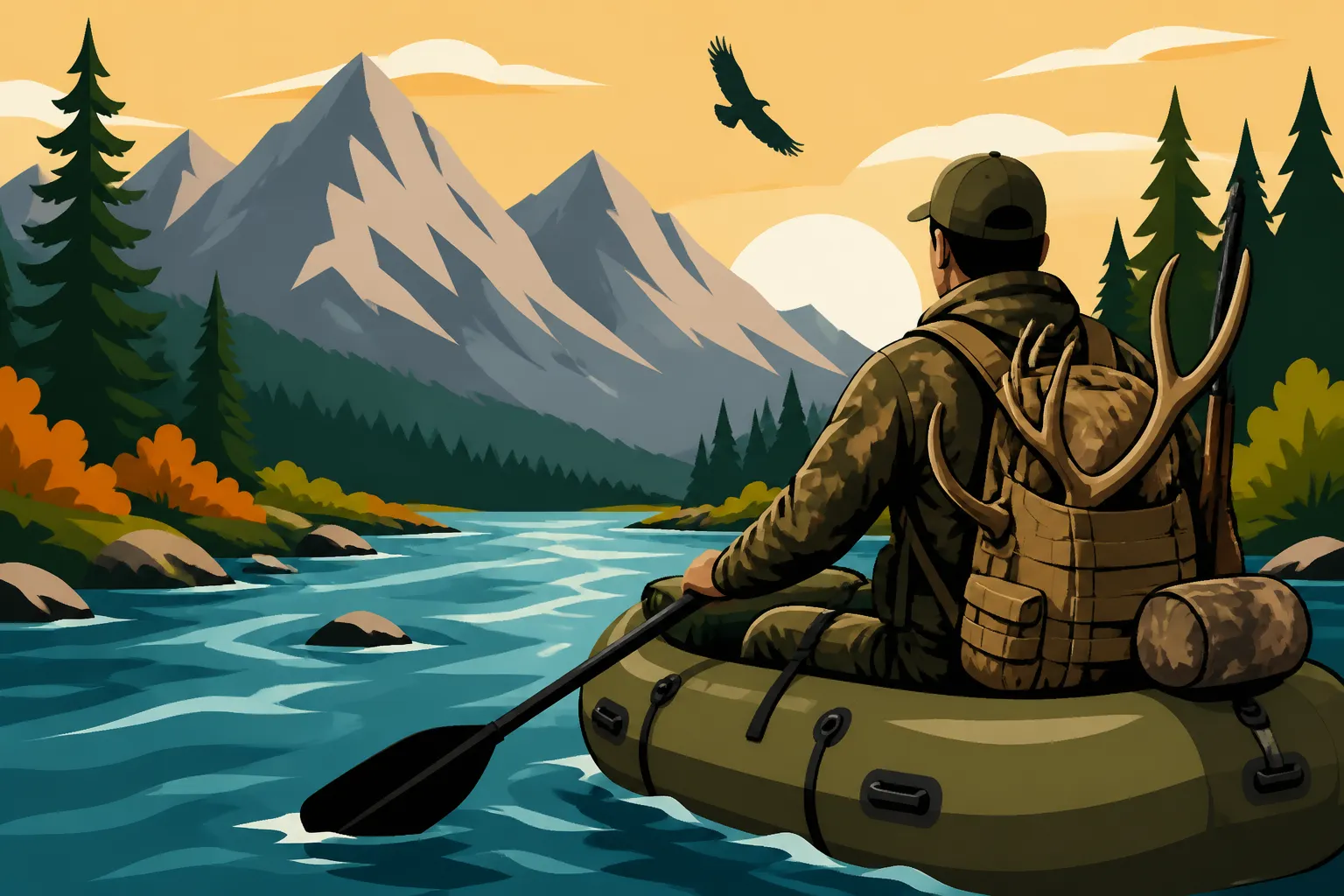
When we talk about float hunting in Idaho, we’re really describing an approach to accessing and hunting remote areas where a river serves as your primary mode of transportation and often your camp. Instead of humping a heavy pack over miles of mountain terrain or driving forest service roads, you’re letting the river do the heavy lifting, carrying you and your gear into places few others can reach. It's an immersive experience that blends the quiet stealth of a river journey with the primal pursuit of big game.
The Different Faces of River Hunting
Float hunting isn't a one-size-fits-all endeavor. It encompasses a range of methods and mindsets, each tailored to different river types, species sought, and individual preferences. At its heart, it’s about moving downriver, either setting up temporary camps on shore each night or simply floating, stopping to scout and hunt from the river’s edge or by making short excursions inland. This can range from a solo hunter with a small raft on a mellow stretch of river, to a fully outfitted expedition with multiple boats, guides, and an extensive camp for a week or more. The core idea remains: the river is your lifeline.
Watercraft Choices for Idaho’s Rivers
The type of watercraft you choose will heavily influence the kind of float hunt you can undertake. For bigger, more technical rivers like sections of the Salmon or the Middle Fork, you'll often see larger rafts, sometimes with frames for rowing and gear capacity, or even jet boats on the main Salmon. These offer stability and the ability to carry substantial loads, which is crucial when you're hauling camp, food, and potentially a quartered elk. Smaller, more nimble rafts or even inflatable kayaks might be suitable for gentler flows or shorter trips where less gear is needed. Drift boats, common in the fly-fishing world, also have a place on some rivers for their quiet approach and ease of maneuverability, though they can be less forgiving in technical rapids and generally carry less bulk than a full-size raft.
Why Choose a Float Hunt on Idaho Rivers?
Float hunting offers some distinct advantages that other hunting methods simply can’t match, especially here in Idaho. It's not just a novelty; it's a strategic choice for serious hunters looking for unique opportunities and experiences.
Unparalleled Access to Remote Areas
Idaho is a state of vast wilderness and rugged mountains, and often, the rivers are the only practical gateways deep into these landscapes. Miles of roadless country might be inaccessible by truck or even ATV, but a river boat can glide right through, dropping you off in areas that see very little hunting pressure. This is particularly true for designated wilderness areas, where motorized vehicle restrictions keep most hunters on the fringes. Imagine floating through canyons where the only sounds are the river and the wind, knowing that the elk or deer you’re pursuing haven’t heard the rumble of a truck engine for miles. This access can translate into higher quality hunts and a genuine feeling of being truly out there. Flying Into a Backcountry Airstrip to Hunt offers similar remote access, but with different logistics.
Stealth and Covering Ground Efficiently
There’s an undeniable stealth factor to floating silently down a river. The water muffles your approach, and wildlife often focuses on threats from land, not from the water. This can allow you to get surprisingly close to animals feeding or watering along the banks. Furthermore, a river allows you to cover significant ground with minimal physical exertion, especially compared to backpacking. You can scout miles of river frontage in a day, glassing distant benches and timbered slopes, all while conserving your energy for the actual stalk. This efficiency means you can dedicate more time to hunting and less to grueling travel, which is a huge advantage when you're trying to Pack an Elk Out of Steep Country Alone.
A Truly Immersive Wilderness Experience
Beyond the practical advantages, float hunting offers an incredible wilderness experience. The rhythm of the river, the constant change of scenery, and the complete immersion in nature are deeply rewarding. Your camp moves with you, often set up on pristine gravel bars or forested benches, far from any roads or crowds. Nights are spent under a canopy of stars, without the light pollution of even the smallest town. It's a chance to truly disconnect and connect with the wild. This immersive quality is often what draws hunters back to float trips year after year, sometimes even more than the harvest itself.
Planning Your Idaho Float Hunt: Logistics and Permits
Float hunting, while incredibly rewarding, isn't something you just "wing." It requires meticulous planning, especially when it comes to permits, gear, and managing the unexpected. The logistics can feel like a puzzle, but breaking it down makes it manageable.
DIY Against Guided Float Trips
One of the first big decisions is whether to tackle a float hunt as a do-it-yourself (DIY) adventure or to hire an outfitter. A DIY trip offers ultimate freedom and can be more budget-friendly, but it demands significant river experience, specialized gear (boats, frames, dry bags), and a robust understanding of Idaho's regulations and river hazards. You'll be responsible for all food, shuttles, emergency plans, and animal retrieval. For those new to river travel or seeking a less stressful experience, a guided float hunt is often the way to go. Outfitters handle the complex logistics, provide expert river navigation, and often have access to specialized permits. This is particularly crucial if you’re a nonresident targeting elk in designated wilderness areas, as Idaho Forces Nonresidents to Hire a Guide for Wilderness Elk. For finding reputable outfitters, resources like BookYourHunt can be very helpful in seeing various options and reading reviews.
River Permits and Designated Launches
Many of Idaho's most popular and sought-after float hunting rivers, especially those within wilderness areas like the Middle Fork of the Salmon or the Selway, operate on a permit system. These permits are often allocated through a lottery drawing system far in advance, sometimes a year or more out. Missing these deadlines means you miss your chance. It’s absolutely critical to research which permits are required for your chosen river, understand the application periods, and secure them well in advance. Without the proper permit, you won't be able to launch your boat. Even on rivers without a permit system, understanding designated launch and take-out points, and any associated fees or regulations, is essential.
| River Name | Typical Craft | Permit System | Key Challenges | Notes |
|---|---|---|---|---|
| Middle Fork Salmon | Rafts (large) | Lottery (popular) | Rapids, remoteness, long trip planning | Iconic wilderness float; very limited permits. |
| Main Salmon | Rafts, Jet Boats | Permit (less strict) | Rapids (class III-IV), long shuttle | Can be accessed by jet boat outfitters. |
| Selway River | Rafts (technical) | Lottery (extreme) | Extreme rapids, short season, highly restricted | Very challenging, high-skill river. |
| Snake River (Hells Canyon) | Rafts, Jet Boats | Permit (moderate) | Rapids, wind, extreme canyon terrain | Deepest canyon in North America; challenging access. |
| St. Joe River | Smaller Rafts, Canoes | No formal permit | Log jams, smaller game areas | More accessible, less wilderness feel. |
Shuttles, Gear, and Emergency Preparedness
A critical piece of float hunting logistics is the shuttle. Unless you're doing a loop, you'll need a way to get your vehicle from the put-in point to the take-out point, which can often be hundreds of miles apart via winding mountain roads. Professional shuttle services exist for many popular rivers, and they are worth their weight in gold. As for gear, expect to pack for all seasons and conditions, as Idaho weather can change dramatically. Dry bags are non-negotiable for all your personal items, sleeping gear, and electronics. Beyond that, a robust first-aid kit, satellite communication device, repair kits for your boat, and extra food and water are essential. Always have a detailed emergency plan in place, and let someone reliable know your float plan and expected return time. Wilderness First Aid on a Guided Hunt is a good topic to brush up on, even for DIY trips.
Key Rivers for Idaho Float Hunting
Idaho is blessed with some of the most iconic and wild rivers in the Lower 48, each offering a distinct float hunting experience. Understanding the character of each river is vital to choosing the right adventure for you.
The Middle Fork of the Salmon River: A Wilderness Gem
The Middle Fork of the Salmon, flowing through the Frank Church-River of No Return Wilderness, is arguably the most famous wilderness float trip in Idaho. This river is a true gem, offering spectacular scenery, challenging rapids, and incredible fishing and hunting opportunities. Access into the Middle Fork is strictly controlled by a permit lottery, and successful applicants often spend years trying to draw a permit. The hunting here is primarily for elk and deer, with very limited pressure due to the extreme remoteness and difficulty of access. Hunters typically float for several days to a week or more, setting up spike camps inland from the river to hunt specific drainages. The logistics are complex, requiring experienced river runners and meticulous planning. For anyone considering this, understand that it's an advanced undertaking.
The Main Salmon River: The "River of No Return"
Below its confluence with the Middle Fork, the Main Salmon River continues its epic journey through deep canyons, earning its moniker "River of No Return." This section offers a mix of float hunting opportunities. While parts of it can be floated with rafts, jet boat access plays a significant role, particularly for retrieving game or making faster progress. Outfitters frequently utilize jet boats to access prime hunting areas along the Main Salmon. The terrain is rugged, with steep canyon walls rising directly from the river, offering a different challenge than the more open timbered country of some other units. Jet Boat Access Up the Salmon River truly opens up some incredible country here. Hunting here can be for elk, mule deer, and even bear, with varied success depending on the section and timing.
The Snake River in Hells Canyon: Untamed and Rugged
Carving the deepest canyon in North America, the Snake River through Hells Canyon offers a truly untamed float hunting experience on Idaho's western border. This isn't a gentle float; the Snake is known for its powerful currents, formidable rapids, and dramatic winds. Hunting opportunities here can be excellent for mule deer, bighorn sheep (though these tags are incredibly rare and highly sought after), and sometimes elk in the adjacent uplands. Access is challenging, often requiring launching near Hells Canyon Dam or other specific points downstream. The terrain is exceptionally steep and rugged, demanding excellent physical conditioning for any excursions away from the river. Access Points Along the Snake River Breaks can give you a clearer picture of getting in and out. Floating the Snake is an adventure in itself, even before you add hunting to the mix.
Other Idaho Rivers for Float Opportunities
While the "big three" often get the most attention, Idaho has many other rivers that offer fantastic, albeit sometimes smaller-scale, float hunting possibilities. Rivers like the St. Joe in the northern panhandle, or various sections of the Clearwater and Selway (outside the designated wilderness portion), can provide excellent opportunities for white-tailed deer, black bear, and forest grouse. These rivers might involve less intense rapids and more accessible terrain, making them suitable for hunters with less extreme river experience. They often lend themselves well to shorter trips or combining floating with Still Hunting Timber for Bedded Mule Deer along the banks. It's always worth checking local Fish and Game regulations for specific river sections and associated hunt units using tools like GoHunt, as rules and conditions can vary greatly.
Essential Gear and Safety for Idaho River Hunts
A successful float hunt relies just as much on smart gear choices and a rigorous approach to safety as it does on hunting skill. The river environment is unforgiving, and being prepared is not just about comfort—it's about survival.
Choosing and Outfitting Your Watercraft
Your boat is the most critical piece of gear for a float hunt. As discussed, rafts are popular for their stability and cargo capacity, especially on multi-day trips or in whitewater. A sturdy frame for rowing, often made of aluminum, allows you to manage the boat effectively and provides attachment points for dry boxes, coolers, and gear bags. It's essential to have a boat that is rated for the class of rapids you expect to encounter and that has sufficient capacity for all your gear, food, and the added weight of game meat. Always carry a comprehensive repair kit, including patch material, glue, and a good pump, because a punctured boat in a remote canyon can quickly turn into a nightmare. Knowing how to use these items proficiently before you're on the water is non-negotiable.
Personal Gear for River and Backcountry
Beyond the boat, your personal gear needs to be robust and designed for a dynamic environment. Waterproofing is paramount. Invest in high-quality dry bags of various sizes to protect everything from your sleeping bag and clothing to your optics and electronics. Layered clothing is crucial for adapting to Idaho's notoriously variable mountain weather, which can swing from warm sunshine to cold rain or snow in a single day. Footwear should include river shoes that can get wet and provide good grip, as well as sturdy hiking boots for when you leave the river to hunt. Navigation tools like a GPS and paper maps are essential, as cell service will be nonexistent in many float hunting areas. Don’t forget a satellite communication device for emergencies – it’s a small investment for huge peace of mind.
River Safety and Emergency Planning
River safety is not something to take lightly. Always wear a properly fitted life jacket when on the water. Know the river you're floating: study maps, read guidebooks, and be aware of potential hazards like rapids, strainers (fallen trees in the current), and sweepers (low-hanging branches). Never exceed your skill level, and if in doubt, scout rapids from shore before attempting to run them. A throw bag, rescue rope, and basic swiftwater rescue knowledge are highly recommended, especially if you're venturing into whitewater. For a guided trip, River Trip Requirements for Float Guides ensure your guides are well-trained in these areas. For DIY, consider taking a swiftwater rescue course. Beyond river-specific dangers, have a plan for general backcountry emergencies, including treating injuries, signaling for help, and dealing with wildlife encounters, particularly bears.
Working with Outfitters for an Idaho Float Hunt
For many, especially non-residents or those without extensive river experience, hiring an outfitter for an Idaho float hunt is the smartest and safest way to experience these unique adventures. Outfitters bring a wealth of local knowledge, equipment, and expertise that can transform a complex trip into a seamless and successful one.
The Benefits of a Guided Float Hunt
A guided float hunt means the outfitter handles virtually all the logistical headaches. They provide the boats, guides, camp gear, food, and often the shuttle service. Their guides are experienced river runners and local hunting experts who know the terrain, the game movements, and how to navigate the river safely. This frees you up to focus on the hunting experience itself, learning from seasoned professionals, and enjoying the incredible scenery. Many outfitters also have the necessary permits for popular, limited-entry rivers, which can be nearly impossible for individual DIY hunters to secure. Furthermore, they are adept at game retrieval, which can be an immense challenge when you're miles from any road with a downed animal. What a Fully Guided Idaho Elk Hunt Includes can give you a better idea of the comprehensive services offered.
Understanding Drop Camps vs. Fully Guided Trips
Outfitters typically offer a couple of service levels for float hunts. A "fully guided" trip means guides are with you every step of the way, from running the boat to setting up camp, cooking meals, and actively guiding you during the hunt. This is the most comprehensive and often the most expensive option. "Drop camps," on the other hand, involve an outfitter floating you and your gear into a pre-arranged camp location, leaving you there to hunt independently for a set number of days, and then returning to pick you up. This is a hybrid approach that offers some of the benefits of guided access with the self-sufficiency of a DIY hunt. Idaho Drop Camp Hunts Explained can be a great option for experienced hunters who want the remote access without the full guide service cost. It's crucial to understand exactly what is included in each service level when you book.
Vetting and Booking Your Idaho Outfitter
Choosing the right outfitter is paramount to a successful float hunt. Start by researching outfitters who specialize in river trips on the specific Idaho river and for the species you're interested in. Look for outfitters with a long track record, positive reviews, and proper licensing. You can verify an outfitter's license through the Idaho Outfitters and Guides Licensing Board. Don't hesitate to ask for references and contact past clients to get their honest feedback. Discuss all aspects of the hunt: the itinerary, what's included and not included, expected group size, the guides' experience, and their contingency plans for bad weather or emergencies. Websites like BookYourHunt are excellent for initial research, but always follow up with direct conversations with the outfitter. Be sure to read the contract carefully, paying close attention to cancellation policies and refund terms, especially if you're booking around the Idaho draw calendar.
Disclaimer
This article is for general informational purposes only and does not constitute professional advice. Laws, prices and regulations vary by location and change over time. Consult a qualified professional for guidance on your specific situation.