Moose Controlled Hunt Wait Times
Oh, the Idaho moose tag. For so many of us, it represents the absolute pinnacle of Western big game hunting, a true bucket-list animal. But let's be honest, the dream of drawing one of those coveted tags can feel like an impossible quest, shrouded in mystery and frustration, especially when you hear tales of decades-long waits. You're not alone in wondering how long that wait actually is, and what you can do to tip the scales, if anything. This comprehensive guide is here to pull back the curtain on Idaho's moose controlled hunt system, shedding light on realistic wait times, application strategies, and how to stay sane while chasing that once-in-a-lifetime opportunity.
Understanding the Allure of an Idaho Moose Tag
Before we dive deep into the draw mechanics, it's crucial to understand why an Idaho moose tag holds such a mythical status among hunters. It’s not just about the size of the animal, but the rarity of the opportunity and the unique hunting experience it promises.
The Rarity of Shiras Moose in Idaho
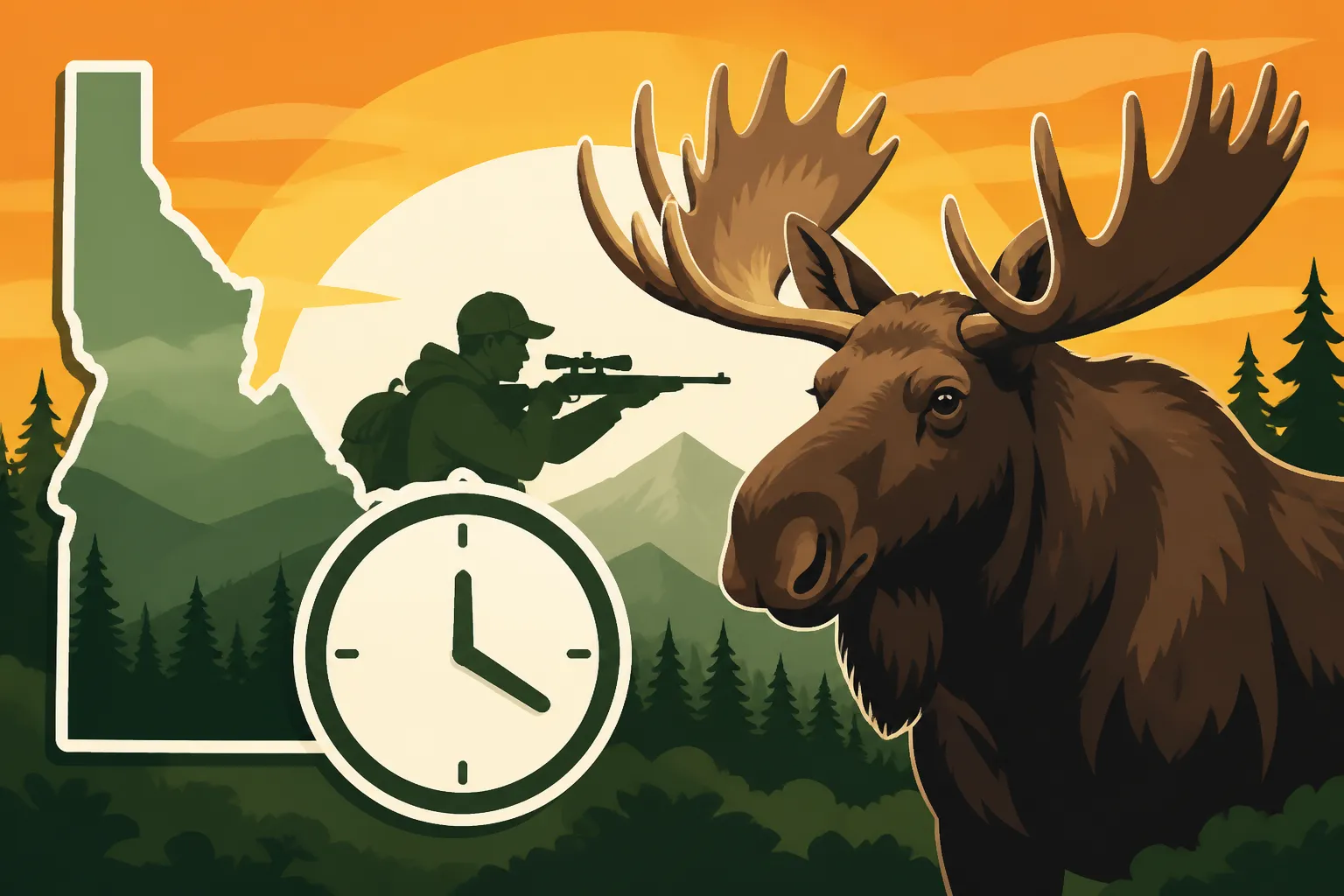
Idaho is home to the Shiras moose, a subspecies found primarily in the Rocky Mountains. These magnificent animals are the smallest of North American moose subspecies, but don't let "smallest" fool you; a mature bull Shiras moose is still an enormous, awe-inspiring creature, easily weighing over 1,000 pounds. Unlike their Alaskan or Canadian counterparts that often inhabit vast, open tundras, Idaho's Shiras moose are typically found in dense timber, subalpine meadows, and along riparian corridors at higher elevations. They thrive in areas with abundant willow and aquatic vegetation, often leading hunters into some of the state's most rugged and breathtaking backcountry.
The challenge of hunting Shiras moose isn't just about their size or the difficult terrain; it's also about their limited population. While their numbers fluctuate, they are far less abundant than elk or deer, making every tag incredibly precious. This limited population is precisely why the Idaho Fish and Game (IDFG) manages them with such tight control, ensuring sustainable hunting opportunities without overharvesting. If you're looking for more details on their distribution, checking out a resource like Shiras Moose Across Idaho can give you a better idea of where these animals make their home in the Gem State.
Why Controlled Hunts Are the Only Option
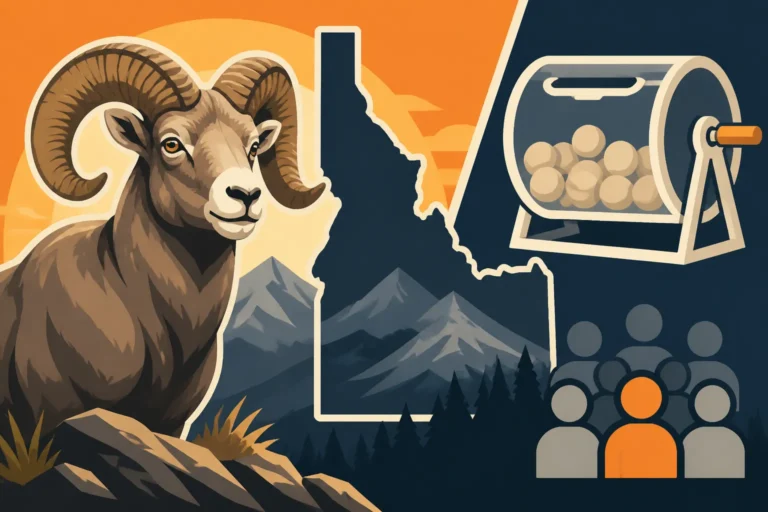
Given the delicate balance of moose populations and the high demand from hunters, IDFG relies exclusively on a controlled hunt system for moose. This isn't like general season elk or deer hunting where you can just buy an over-the-counter tag in many units. For moose, every single tag is allocated through a lottery drawing. This controlled hunt framework is vital for several reasons. Firstly, it allows IDFG to precisely manage harvest levels, ensuring that only a predetermined number of animals are taken each year. This scientific approach helps maintain healthy population dynamics, sex ratios, and age structures within the herd. Without it, the population could easily be overhunted, leading to a collapse in numbers and the eventual closure of all hunting opportunities.
Secondly, controlled hunts help distribute hunting pressure more evenly across suitable habitats. Instead of everyone flocking to the most well-known moose areas, the draw system forces hunters to apply for specific units, preventing localized over-pressure. This structured approach is fundamental to long-term wildlife conservation, ensuring that Idaho's moose populations remain robust for generations to come. For anyone serious about this pursuit, understanding that Idaho Moose Is a Controlled Hunt You Wait Years For is the first step in managing expectations.
Deconstructing Idaho's Draw System for Moose
Understanding the controlled hunt system is one thing, but truly grasping how the draw works (or doesn't work, depending on your perspective) is crucial for anyone hoping to tag a moose in Idaho. It's a system that often confounds hunters from other states accustomed to different methods.
The Absence of Preference Points
If you've hunted in states like Wyoming, Colorado, or Arizona, you're likely familiar with preference points, bonus points, or a similar system where every year you apply and don't draw, you accumulate an advantage for future drawings. This often means that if you apply consistently, you will eventually draw a tag for a desirable species. Idaho, however, operates on an entirely different philosophy. There are no preference points for controlled hunts in Idaho. What does that mean for you? It means that whether it's your first time applying or your twentieth, you have the exact same statistical odds as every other applicant for that specific tag each year.
This "pure lottery" system can be incredibly frustrating for long-time applicants. You might hear stories of someone drawing a coveted moose tag on their very first attempt, while another hunter has applied faithfully for 30 years and never seen their name called. It's a true roll of the dice every single time. While it levels the playing field for new hunters, it also means there's no guaranteed progression towards a tag. This is why when people say Idaho Has No Preference Points, and What That Changes, they're not kidding; it fundamentally alters the long-term strategy for drawing a premium tag like moose.
The Impact of Application Volume
Even with a pure lottery system, the sheer volume of applications dramatically impacts your draw odds. As the allure of a Western moose hunt grows, more and more hunters, both resident and nonresident, throw their hats into the ring. Each additional applicant for a limited number of tags dilutes everyone's chances. Idaho’s reputation for incredible big game hunting, combined with its relatively accessible public lands, means demand for all its trophy species is incredibly high.
For moose, this is particularly true. While not as many people apply for moose as they do for elk or mule deer, the ratio of applicants to available tags is often extremely low. Think about it: if there are only a handful of tags for an entire unit and hundreds, if not thousands, of people applying for them, your chances are naturally slim. Tools like GoHunt can be invaluable here. They aggregate application data, helping you visualize the applicant-to-tag ratio for various units and understand how many people you're really competing against. This kind of data-driven insight, even without preference points, allows you to make more informed decisions about which units might offer slightly better (though still tough) odds, or simply confirms the challenge ahead.
Limited Tag Quotas
The primary driver behind the long wait times for an Idaho moose tag is the extremely limited number of tags issued annually by the Idaho Fish and Game. These quotas are not arbitrary; they are the result of rigorous biological surveys, population assessments, and habitat evaluations. IDFG biologists work tirelessly to determine the health, size, and reproductive success of moose herds in different game management units. Based on these findings, they set specific quotas designed to allow for a sustainable harvest without negatively impacting the overall population.
For instance, a particular unit might only have one or two bull moose tags available, or perhaps a handful of cow tags if population management dictates. Some years, certain units might not have any tags at all if the local population isn't robust enough to sustain a hunt. This conservative approach is essential for maintaining a healthy and huntable moose population in the long run. Hunters often look at these numbers and feel a pang of disappointment, but it's important to remember that these limitations are for the greater good of the resource. Understanding how many moose the state actually holds and how that translates into tag numbers is key to appreciating the scarcity.
Realistic Expectations for Moose Tag Wait Times
So, how long are we really talking about here? It's the burning question on every aspiring moose hunter's mind. While there's no crystal ball in a pure lottery system, we can still establish some realistic expectations based on historical data and the dynamics of the draw.
Average Wait Times and Exceptions
When discussing "average" wait times for an Idaho moose tag, it's critical to remember that this isn't like waiting in line; it's more like playing the lottery repeatedly. An average can be misleading because some incredibly lucky individuals draw on their first or second try, while others might apply for 20, 30, or even 40+ years and never draw. Anecdotally, for resident hunters, a successful bull moose tag draw often falls somewhere in the 10-25 year range of consistent application, though it's not unheard of for it to take less or significantly more time. For non-residents, the wait can be even more protracted, sometimes pushing into the 20-40 year range, simply because fewer tags are allocated to them and the applicant pool is still very competitive.
The frustration this brings is completely valid. It’s hard to stay motivated when you see newcomers hit the jackpot, or when you’ve been diligent for decades with no reward. But this is the nature of a true random draw. There are no points to fall back on, no increasing odds over time. Every year is a fresh slate, which is both its beauty and its bane.
Factors Influencing Your Personal Wait
While the pure lottery system means every application starts fresh, a few factors can subtly influence your personal journey through the draw:
- Unit Choice: Some units are consistently more popular than others, often due to higher harvest success rates, trophy potential, or easier access. Applying for these premier units means you're competing against a much larger pool of applicants, which naturally extends your theoretical wait time. Conversely, applying for less popular units, perhaps those with lower historical success or tougher access, might slightly increase your odds. However, this often means sacrificing some perceived quality or increasing the difficulty of the hunt itself. It’s a trade-off many consider. If you’re scouting out various areas, knowing how to navigate regions like Hunting the Units Around Salmon or understanding the potential in Units Around Idaho Falls Worth Scouting could be beneficial.
- Residency Status: This is perhaps the most significant factor influencing wait times. Idaho, like most Western states, heavily favors its residents with a larger allocation of controlled hunt tags. Non-residents face much tougher odds due to a smaller percentage of tags being available to them. This makes the wait for a non-resident moose tag considerably longer and more challenging.
- Cow Moose Tags: While many hunters dream of a bull moose, cow moose tags are sometimes available in certain units. These hunts often have slightly better draw odds than bull tags, as the demand is typically lower. For hunters whose primary goal is to experience an Idaho moose hunt, regardless of sex, applying for cow tags can be a viable strategy to potentially shorten the wait. It's an opportunity many overlook, and checking out Cow Moose Tags and Where They Go can provide more specific information.
The Role of GoHunt in Odds Analysis
Given Idaho's pure lottery system, managing expectations and making informed decisions becomes paramount. This is where resources like GoHunt truly shine. While they can't magically give you preference points, they can provide incredibly detailed data and analysis of past draw odds. GoHunt typically breaks down drawing odds by unit, residency, and even specific tag types (e.g., bull vs. cow).
By reviewing historical draw statistics on a platform like GoHunt, you can:
- Identify highly competitive units: See which units consistently have thousands of applicants for only a handful of tags.
- Spot trends: Notice if certain units' popularity is rising or falling, which could subtly impact future odds.
- Compare resident vs. non-resident odds: Get a clear picture of the statistical uphill battle non-residents face.
- Evaluate cow tag opportunities: See if cow tags genuinely offer a statistically better chance in specific areas.
While GoHunt won't guarantee you a tag, it empowers you to make strategic application choices based on real numbers, helping you understand the landscape of the draw and adjust your expectations accordingly. It allows you to move beyond pure guesswork and apply with a data-informed approach, even in a random system.
Strategies for Navigating the Moose Draw
Even though Idaho's draw is a pure lottery, there are still some strategies you can employ to maximize your chances and stay engaged in the process. It's about playing the long game and making smart decisions when the application window opens.
Consistent Application is Key
This might sound like a broken record, but in a system without preference points, the single most important strategy is consistent application. Every year you don't apply is a year you definitely won't draw. It sounds simple, but it's easy to get discouraged after several years of disappointment and decide to sit a year out. That could be the very year your number would have been called.
Think of it like buying a lottery ticket every week. You can't win if you don't play. While the odds don't increase, having your name in the hat every single season keeps you in contention for that random stroke of luck. Develop a habit, mark your calendar, and make sure you apply for your desired moose tag every year. It’s a marathon, not a sprint, and showing up at the starting line annually is the only way to eventually cross the finish line with a tag in hand.
Researching Hunt Areas and Units
Blindly applying for a moose tag is a recipe for prolonged frustration. Instead, invest time in researching specific hunt areas and units, even while you're waiting to draw. The Idaho Fish and Game website is a treasure trove of information, offering harvest statistics, unit boundaries, and often, biologist reports. You can dive into data on how many tags were issued in a unit, how many hunters were successful, and even the average size of animals harvested.
Beyond the official channels, tools like GoHunt, mentioned earlier, can overlay public land ownership, roads, and historical harvest data onto maps, giving you a comprehensive view of potential units. Look for units that might have slightly higher tag allocations, or conversely, those with historically lower application numbers (though these often come with greater access challenges or lower success rates). Consider the terrain, public land access, and the type of hunt you envision. Do you want a truly rugged backcountry experience, or something more accessible? Researching this while you wait allows you to be prepared when you finally draw and ensures you've picked the unit that best aligns with your hunting style. For example, understanding specifics about The Idaho Controlled Hunt Calendar, April Through August can also help you align your application timing with your preferred hunt dates and locations.
Considering Cow Moose and Controlled Hunts
While the image of a massive bull moose is what most hunters dream of, don't overlook the opportunity that cow moose tags can present. In certain units, IDFG issues cow moose tags as part of its population management strategy. These tags often have significantly better draw odds than bull tags because demand is lower, and there are typically more of them available.
If your ultimate goal is simply to hunt a Shiras moose in Idaho, experience the thrill, and put high-quality wild game meat in your freezer, a cow tag could be your ticket to a much shorter wait. It's still an incredibly challenging and rewarding hunt. Additionally, keep an eye on all controlled hunt opportunities beyond just the typical bull tags. Sometimes unique controlled hunts pop up for specific areas or seasons. Regularly checking the IDFG regulations and using resources like GoHunt to track all available moose controlled hunts ensures you don't miss any potential chances to get your foot in the door.
Preparing for the Hunt of a Lifetime (While You Wait)
Drawing an Idaho moose tag is a monumental achievement, but it's just the beginning. The actual hunt itself is an incredibly demanding endeavor. The years you spend waiting for the draw can, and should, be spent preparing yourself mentally, physically, and with the right gear.
Physical and Mental Conditioning
Moose are large animals that often inhabit rugged, high-elevation terrain. When your tag finally hits your inbox, you don't want to be caught off guard by the physical demands of the hunt. Many Shiras moose hunts involve significant hiking, often off-trail, through dense timber, across steep slopes, and sometimes even through marshy or boggy areas. Packing out hundreds of pounds of meat from a remote kill site is a brutal undertaking that requires immense strength and endurance.
Use your waiting years wisely by getting into peak physical condition. Focus on hiking with a weighted pack, strengthening your legs and core, and improving your cardiovascular endurance. Don't underestimate the mental toughness required either. A moose hunt can be a grind, with long days, tough weather, and periods of no activity. Cultivating patience, resilience, and a positive mindset during these waiting years will pay dividends when you're finally tracking that bull or cow through the Idaho backcountry. Taking time to work on your Physical Conditioning for Idaho Backcountry now means you won't be playing catch-up later.
Gear Acquisition and Practice
A moose hunt often requires specialized gear that can stand up to the rigors of the backcountry. Don't wait until you draw your tag to start scrambling for equipment. Use the waiting period to slowly acquire, test, and become proficient with high-quality gear. This includes:
- Optics: Good binoculars and a spotting scope are essential for glassing vast timbered slopes and identifying moose at a distance. Consider higher-power binoculars like 10×42 or 12×50, and a quality spotting scope (e.g., 65mm or 85mm) for detailed viewing. Understanding Optics Power for Idaho's Long Canyon Sightlines is a good start.
- Layered Clothing System: Idaho weather in the fall can be highly unpredictable, ranging from warm, sunny days to freezing rain and snow. A versatile layering system will keep you comfortable.
- Backpack: Invest in a comfortable, high-capacity backpack with a good frame that can handle heavy loads for packing out meat.
- Navigation Tools: GPS devices, satellite communicators (like a Garmin inReach or Zoleo), and detailed topographic maps are critical for safety and success in remote areas.
- Weapon: Whether rifle, bow, or muzzleloader, practice regularly. Become intimately familiar with your chosen weapon and its capabilities in various shooting positions and at different ranges.
By gradually building your gear arsenal and honing your skills, you'll be well-prepared and confident when that coveted tag finally arrives.
Alternative Idaho Hunting Opportunities
Waiting years for a moose tag can be tough on the hunting spirit. Don't let the long wait for one species overshadow the incredible hunting opportunities Idaho has to offer for others! Use these interim years to explore the state and gain valuable experience chasing other big game.
- Elk Hunting: Idaho is renowned for its elk hunting. Drawing an elk tag is often much more accessible, and it will immerse you in similar mountainous terrain, allowing you to practice your scouting, tracking, and calling skills. Plus, the physical demands of an elk hunt are excellent preparation for a moose hunt. You might find a whole new passion in Elk Are Why Most Hunters Come to Idaho.
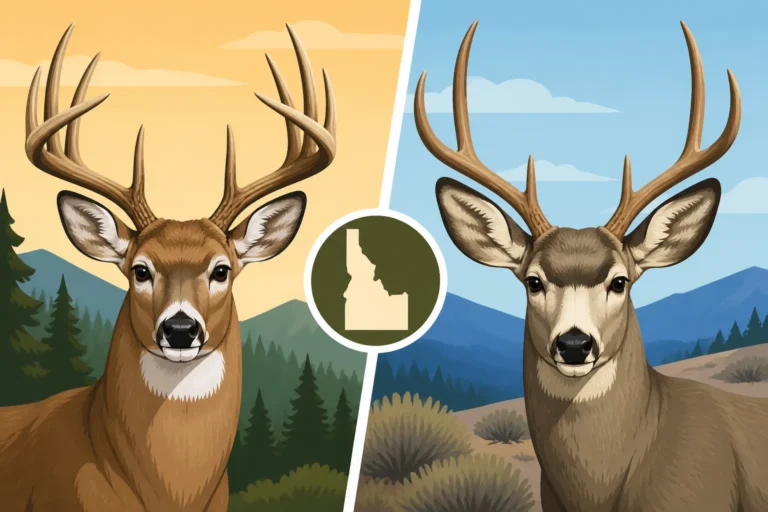
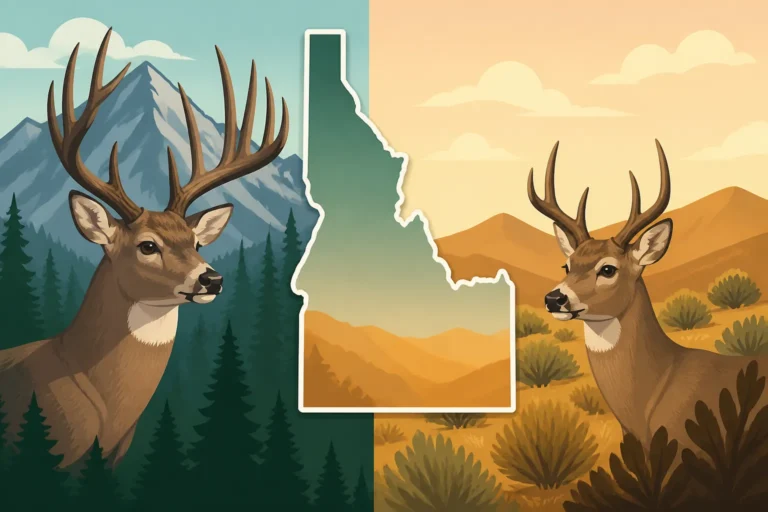
- Mule Deer Hunting: Similarly, Idaho offers fantastic mule deer hunting, particularly in its high desert and rugged breaks. This type of hunting hones your glassing abilities and stalking techniques, skills directly transferable to moose hunting. You can learn a lot about the state's diverse landscapes and gain invaluable experience with a deer tag while waiting for your moose. If you're interested, you can explore more about Mule Deer Across Idaho's High Desert and Breaks.
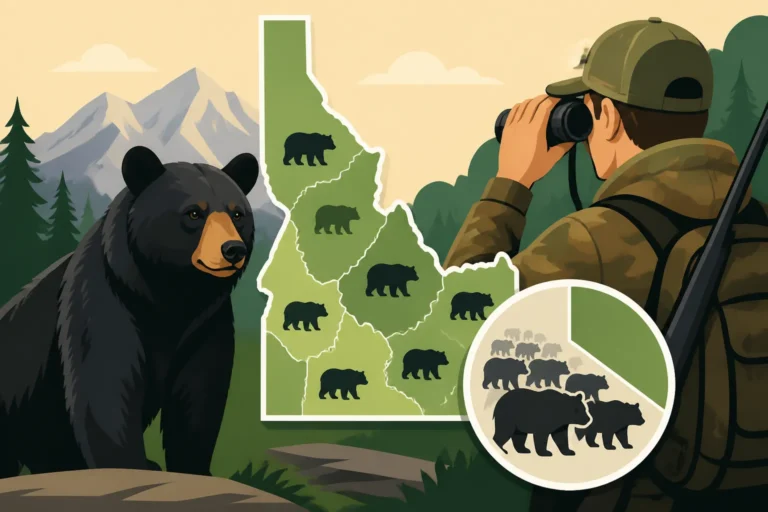
- Black Bear or Lion: These hunts can also provide challenging experiences in similar habitats, keeping you sharp and in tune with the rhythms of the forest.
By diversifying your hunting pursuits in Idaho, you can enjoy thrilling seasons year after year, build your skills, and deepen your understanding of the state's wild country. This way, the waiting game for a moose tag becomes less about deprivation and more about continuous growth and adventure.
Idaho Moose Controlled Hunt Snapshot
Here's a quick look at what prospective Idaho moose hunters can generally expect, keeping in mind that these are averages and actual results can vary wildly.
| Factor | Resident Hunter (Approx.) | Non-Resident Hunter (Approx.) | Notes |
|---|---|---|---|
| Annual Tag Allocation | ~85-90% of total tags | ~10-15% of total tags | Varies by year and specific unit. |
| Bull Tag Draw Odds | <1% to 5% (per unit) | <0.1% to 1% (per unit) | Highly competitive, especially for premium units. |
| Cow Tag Draw Odds | 1% to 10% (per unit) | <0.5% to 3% (per unit) | Generally better odds than bull tags, when available. |
| Average Wait Time | 10-25+ years | 20-40+ years | Pure lottery, no guarantee. Some draw faster, many wait longer. |
| Application Period | April 1 – April 30 | April 1 – April 30 | Annual controlled hunt application window. |
| License Cost (2024) | $37.75 (Resident) | $185.00 (Non-Resident) | Must purchase license before applying for controlled hunt. |
| Moose Tag Cost (2024) | $31.75 (Resident) | $2,126.75 (Non-Resident) | Cost if you draw the tag. |
Note: All costs are approximate and subject to change by Idaho Fish and Game. Always verify current fees and dates directly with IDFG.
Disclaimer
Please remember that hunting regulations, seasons, and tag allocations in Idaho can change annually. It is your responsibility to review the most current Idaho Fish and Game hunting regulations for the specific year you plan to hunt. Always verify information directly with IDFG before making any hunting plans or purchases.