Moose, Sheep and Goat Season Windows in Idaho
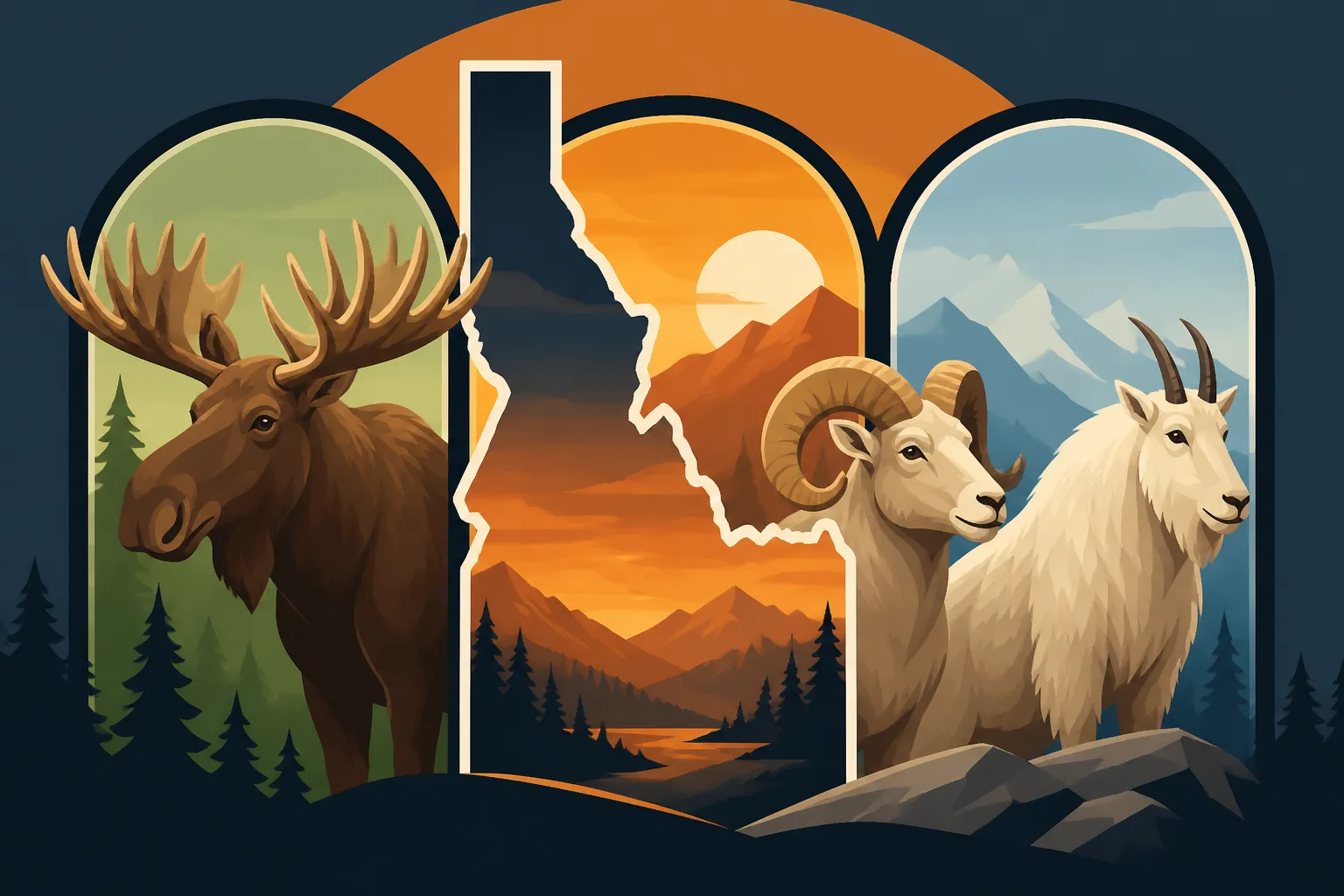
Trying to secure one of Idaho's highly coveted trophy tags for moose, bighorn sheep, or mountain goat can feel like navigating a labyrinth blindfolded. The sheer anticipation, the complex application windows, and the incredibly slim odds can be daunting, leaving many hunters frustrated and unsure of where to even begin. This guide is here to untangle that complexity, walking you through the critical season windows, application processes, and specific considerations for pursuing these once-in-a-lifetime animals in the Gem State.
Decoding Idaho's Trophy Hunt Application Process
Let's face it, getting a tag for an Idaho moose, bighorn sheep, or mountain goat isn't like picking up a general deer tag over the counter. These are truly special opportunities, and the Idaho Department of Fish and Game manages them through a controlled hunt draw system designed to distribute these limited tags fairly. The first hurdle, and often the most nerve-wracking, is understanding the application process itself. It's a system that rewards careful planning and a deep dive into the regulations.
The All-Important April Application Window
For non-residents, and even for many residents, the primary application period for Idaho's trophy species—moose, bighorn sheep, and mountain goat—kicks off in April. This is your absolute critical window to throw your hat in the ring. Miss this deadline, and you're out of luck for the year, plain and simple. Imagine spending months researching, pouring over maps, dreaming of that majestic bull moose or a bighorn ram, only to realize you let the application period slip by. It's a gut-wrenching feeling that every serious trophy hunter strives to avoid. It’s also important to remember that this April window for trophy species is separate from other controlled hunts. For a broader overview of the application schedule, you might want to look at the official guide on The Idaho Controlled Hunt Calendar, April Through August.
Once the application period opens, you'll need to submit your application through the Idaho Fish and Game licensing system, often via their GoOutdoorsIdaho portal. This isn't just about clicking a button; it requires careful consideration of which specific hunt you want to apply for. Each trophy species has numerous hunt areas, and each area will have its own limited number of tags, often broken down by sex and weapon type. Researching these options thoroughly before April arrives is paramount. Many hunters use tools like GoHunt to sift through historical draw odds and unit specifics to make an informed decision. They often provide valuable insights into what units historically offer better odds, even if those odds are still incredibly low for trophy species.
How Idaho's Draw Works Without Preference Points
One of the unique aspects of Idaho's controlled hunt system, especially when compared to many other Western states, is that Idaho Has No Preference Points, and What That Changes. This means that every single applicant, whether it's their first time applying or their twentieth, has an equal chance in the drawing each year. While this can be frustrating for those who've built up years of points in other states, it also means that a first-time applicant could theoretically draw a coveted moose, sheep, or goat tag right out of the gate. This "clean slate" approach is both a blessing and a curse.
Because there are no preference points, your strategy revolves less around accumulating points and more around intelligent unit selection and understanding the current year's application trends. Many experienced hunters spend countless hours analyzing past draw statistics, looking for units that might have slightly higher odds due to fewer applicants or a marginally higher tag allocation. While GoHunt and similar platforms compile this historical data, it’s still a true lottery. The dream of a once-in-a-lifetime tag can materialize for anyone with an application in the hat, which adds an exciting, albeit nerve-wracking, element to the process. It's a stark reminder that persistence and a little bit of luck are your best friends in the Idaho draw.
What Happens After the Initial Draw
Once the April application deadline passes, the waiting game truly begins. Idaho Fish and Game typically conducts its drawing for moose, sheep, and goat tags in May, with results usually posted online shortly after. This is when countless hunters across the country anxiously refresh their browsers, hoping to see those magical words: "Successful in the drawing." The feeling of drawing one of these tags is often described as winning the lottery—a truly momentous occasion that kicks off months of intense planning and preparation.
However, not everyone will draw a tag, which is the unfortunate reality of these limited-opportunity hunts. If you weren't successful in the initial draw, don't despair entirely, though your chances for trophy species drop significantly. Idaho does run a second drawing in early August for leftover tags, as detailed in How Idaho's Second Controlled Hunt Drawing Works. While this second draw often includes tags for deer or elk, it's exceedingly rare for moose, bighorn sheep, or mountain goat tags to remain unclaimed or go into a second drawing. These tags are simply too sought after. The vast majority are spoken for in the initial April-May draw. So, while you can always check, your primary focus and hope should be on that first application period.
Navigating Idaho's Moose Hunting Seasons
Hunting moose in Idaho is truly a bucket-list experience for many, offering a chance to pursue one of North America's most impressive big game animals. Idaho is home to the Shiras moose subspecies, known for its impressive size and habitat preferences, typically found in timbered, high-elevation areas with plenty of water. Getting a moose tag is tough, with many hunters applying for years before drawing. As the saying goes, Idaho Moose Is a Controlled Hunt You Wait Years For.
General Season Structure for Moose
Idaho's moose hunting seasons are entirely managed through controlled hunts, meaning there are no general over-the-counter tags available. Each hunt area (or unit) will have specific season dates, which usually fall within the late summer and fall months. For instance, you might find archery-only seasons starting in late August or early September, extending into rifle seasons that run through September and October. These dates are meticulously planned by the Idaho Department of Fish and Game to align with moose behavior, such as the rut, and to manage herd populations effectively within designated areas.
The exact season dates vary significantly from one unit to another, so it's absolutely crucial to consult the current year's Idaho hunting regulations once you've identified your desired hunt area. What might be an archery season in one unit could be a rifle season just across the boundary. Ignoring these specific regulations could lead to a violation, ruining a hunt that took years to draw. Many hunters spend considerable time on The Idaho Hunt Planner Is the Tool to Start With to understand these nuances, filtering by species and specific hunt codes to get the most accurate information. This level of detail is necessary to avoid any mishaps once you're in the field.
Understanding Moose Hunt Area Boundaries
The Shiras moose population in Idaho is spread across various regions, with some of the best habitat in the northern, central, and eastern parts of the state. Understanding Shiras Moose Across Idaho involves looking at specific hunt areas (GMUs) where these tags are offered. These areas are defined by specific geographical boundaries, and knowing them intimately is key to a successful hunt. A boundary might be a major river, a highway, a wilderness area edge, or even a specific elevation contour. Straying outside your designated hunt area, even by a few yards, is a serious violation.
Hunters often use mapping applications like onX Hunt or Basemaps, layered with Idaho Fish and Game's GMU shapefiles, to precisely define their hunting grounds. E-scouting becomes incredibly important here, as you're likely looking for remote, high-elevation timbered areas with good water sources and willow browse. A hunt area could encompass thousands of acres of rugged terrain, often within national forests or wilderness areas. Identifying potential access points, possible bedding areas, and rutting corridors within your drawn unit is a massive undertaking, but it’s what sets successful hunters apart. Knowing your boundaries inside and out means you can hunt confidently and legally.
Cow Moose Tag Opportunities and Considerations
While the dream for most hunters is to draw a bull moose tag, Idaho also offers limited cow moose tags in certain controlled hunts. These tags are typically issued as part of population management strategies, often in areas where cow numbers might need to be reduced to improve herd health or reduce depredation issues. Drawing a cow moose tag is still a fantastic opportunity to hunt this magnificent animal and harvest a significant amount of high-quality meat.
The draw odds for cow moose tags can sometimes be slightly better than for bull tags, though they remain extremely low given the overall scarcity. These tags are often concentrated in specific units that have healthy cow populations but might not be managed for trophy bull production in the same way. If your primary goal is the experience of hunting a moose and filling your freezer, a cow tag can be an excellent option. However, the same rules apply: you must apply for a specific cow moose hunt code within the April application window and adhere strictly to the season dates and unit boundaries specified on your tag. It’s a rewarding hunt, offering all the challenge and wilderness experience without the pressure of finding a trophy-class bull.
Bighorn Sheep: Rocky Mountain and California Subspecies Seasons
Hunting bighorn sheep in Idaho is perhaps the pinnacle of North American mountain hunting. It's an exceptionally challenging hunt, both physically and mentally, in some of the most rugged and breathtaking terrain the state has to offer. Idaho is unique in that it hosts two distinct subspecies of bighorn sheep, each with their own populations and specific management strategies, making the application process even more nuanced.
Distinguishing Between Idaho's Bighorn Subspecies
Idaho is home to both the Rocky Mountain Bighorns in Idaho and the California Bighorns Along the Owyhee. These aren't just minor differences; they are genetically distinct populations, and Idaho Fish and Game manages them separately. Rocky Mountain bighorns are found in the more rugged, high-elevation river breaks and mountain ranges, particularly in the central and eastern parts of the state, often associated with the Salmon and Clearwater river drainages. These are the classic, big-bodied sheep with massive, curling horns that often come to mind when you think of bighorns.
California bighorns, on the other hand, are found primarily in the arid, desolate Owyhee Breaks of southwestern Idaho. They are generally smaller-bodied and tend to have less massive, more flared horns than their Rocky Mountain cousins. The key distinction for hunters is that if you're lucky enough to draw a tag for one subspecies, it doesn't preclude you from applying for the other subspecies in the future, as they are considered separate once-in-a-lifetime opportunities. Understanding these differences is crucial when applying, as each subspecies will have its own specific hunt codes and areas.
Season Lengths and Ram Curl Requirements
Bighorn sheep seasons in Idaho are incredibly short and are always controlled hunts. They typically run for a few weeks, sometimes extending into a month or two, during the fall. The exact dates are tailored to specific units to maximize hunter opportunity while carefully managing the sheep population. Given the extreme rarity of these tags, successful applicants are often granted a season that provides a reasonable window to locate a ram, typically running from mid-August through September or sometimes into October.
A critical aspect of bighorn sheep hunting in Idaho, and almost universally across Western states, is the ram curl requirement. This regulation dictates the minimum horn development a ram must possess to be legally harvested. Typically, this means a "full curl" or "four-fifths curl" or "broken tip" rule, designed to protect younger rams and ensure older, genetically superior rams can continue to breed. Field judging a ram's curl from hundreds of yards away in steep, broken country is one of the most challenging aspects of the hunt. Mistakes can lead to serious legal repercussions, so absolute certainty is paramount. This makes the hunt not just about finding a sheep, but about finding the right sheep.
The Once-in-a-Lifetime Opportunity
Drawing a bighorn sheep tag in Idaho truly is a once-in-a-lifetime opportunity for each subspecies. What does this mean? If you successfully draw and harvest a Rocky Mountain bighorn ram, you cannot apply for another Rocky Mountain bighorn tag in Idaho ever again. The same applies to California bighorns. This "once-in-a-lifetime" rule underscores the extreme rarity and value of these tags, ensuring that as many hunters as possible get a chance at this dream hunt.
This policy heavily influences application strategy. Many hunters will wait until they have accumulated significant experience and are physically at their peak before seriously applying for a bighorn tag, understanding that this might be their only shot. It's not a hunt you "practice" for; it's the culmination of a lifetime of hunting dreams and physical preparation. Given that these hunts often occur in designated wilderness areas, non-residents should be aware that Idaho Forces Nonresidents to Hire a Guide for Wilderness Elk, and similar rules may apply to bighorn sheep, depending on the specific wilderness area. Always double-check current regulations regarding guided requirements for specific trophy hunts.
Mountain Goat Hunting Above the Timberline
Mountain goat hunting in Idaho is an experience steeped in rugged beauty and incredible physical challenge. These majestic animals inhabit the highest, most inaccessible peaks and ridges of the state's mountain ranges, far above the timberline. Securing a tag for a mountain goat is even more difficult than for moose or bighorn sheep, making it one of the rarest hunting opportunities available.
Extremely Limited Mountain Goat Tag Availability
To say mountain goat tags are limited in Idaho is an understatement. The populations are small, and management is extremely conservative to ensure their long-term health. Consequently, Idaho offers very few mountain goat tags each year, often only a handful across the entire state. The draw odds reflect this scarcity, making them arguably the toughest tags to draw in Idaho. This means that many dedicated hunters will apply for decades without ever seeing their name come up in the draw.
The limited availability directly translates into the application strategy. Hunters typically research specific units known to have viable goat populations, even if they have only one or two tags allocated per year. Patience and persistent application are the only routes to securing one of these coveted permits. It's a testament to the allure of these animals and the challenge of the hunt that so many continue to apply year after year, knowing the odds are stacked against them. For information on specific areas, you'll want to review resources such as Idaho Mountain Goat Hunt Areas which can provide a starting point for your research.
Typical Season Dates for Idaho Mountain Goats
Mountain goat seasons in Idaho, like other trophy species, are strictly controlled hunts with specific dates that usually fall during the late summer and early fall. You can expect seasons to open in August or early September and run through October, sometimes into November, depending on the specific hunt area and weather conditions. These dates are chosen to coincide with cooler weather, better hair growth on the goats, and before the most extreme winter conditions make the high country impassable.
Hunting mountain goats often involves traversing extremely steep, rocky, and exposed terrain. While the early season might offer more moderate temperatures, weather in the high country can change rapidly, bringing sudden snowstorms and freezing rain even in September. Hunters must be prepared for all conditions, as the season window can close abruptly with heavy snowfall, making access impossible or unsafe. Precision in planning your hunt dates within the legal window is essential, considering both animal behavior and weather forecasts. This is where detailed weather monitoring and flexible travel plans become critical.
Physical Demands and Remote Hunt Areas
Hunting mountain goats is not for the faint of heart or the out of shape. It demands peak physical conditioning, as you'll often be climbing thousands of vertical feet at high altitudes, sometimes over several days, to reach goat habitat. These animals are masters of vertical terrain, and to hunt them successfully, you must be able to navigate their world. The very nature of Mountain Goat Hunting Above Idaho Timberline means you'll be in remote, rugged country where self-sufficiency is paramount.
Many mountain goat hunt areas are located deep within designated wilderness or national forest lands, far from roads or easy access. This often requires extended backcountry trips, carrying heavy packs with all your gear, food, and water. The climb can be grueling, and packing out a goat can be even more arduous, sometimes requiring multiple trips. Hunters must be proficient in route finding, navigation, and wilderness first aid. The reward, however, is an unparalleled hunting experience, a true test of grit, and an encounter with one of North America's most iconic alpine species in some of Idaho's most spectacular landscapes.
Essential Planning for Your Idaho Trophy Hunt
Securing a trophy tag for moose, bighorn sheep, or mountain goat is only the first step; the real work begins in planning and preparing for the actual hunt. These aren't hunts you can just wing; they demand meticulous preparation, both in terms of research and physical conditioning. The limited opportunity means you need to maximize every possible advantage.
Researching Draw Odds and Hunt Area Success
Given the incredibly low draw odds for moose, sheep, and goat tags, intensive research into specific hunt areas is non-negotiable. Don't just pick a unit because it sounds good; dig into the data. Utilize resources like the Idaho Fish and Game's online hunt planner, which provides harvest statistics, public land percentages, and unit boundaries. Online platforms like GoHunt are invaluable here, offering comprehensive data analysis, historical draw odds, and filtering capabilities that can help you identify trends and make more informed application choices.
Beyond raw numbers, delve into satellite imagery and topographic maps of your chosen hunt area. Identify potential access routes, natural pinch points, water sources, and bedding areas. Understanding the terrain, elevation changes, and vegetation types before you even set foot in the unit is a massive advantage. If you're considering a hunt in units with mixed land ownership, knowing Idaho State Endowment Land Access Rules and other specific land designations will be crucial for legal access and planning your movements. Every piece of information helps paint a clearer picture of what you'll encounter once you're on the ground.
Physical Preparation for Rugged Backcountry Hunts
I cannot stress this enough: these trophy hunts, especially for bighorn sheep and mountain goat, are incredibly physically demanding. You will be climbing mountains, traversing steep slopes, and covering significant distances at high altitudes, often with heavy packs. If you draw one of these tags, your training regimen needs to kick into high gear immediately. Start months, even a year, in advance. Focus on cardiovascular fitness, strength training (especially legs and core), and hiking with a weighted pack on varied terrain.
Imagine yourself climbing 2,000 feet in an hour at 10,000 feet elevation, then having to make a precise shot, and then facing the prospect of packing out a heavy animal over the same brutal terrain. It's a tall order. Incorporate exercises like step-ups, lunges, squats, and long hikes with gradually increasing pack weight. If possible, train at elevation or spend time acclimatizing before your hunt. Neglecting physical preparation is one of the quickest ways to sabotage a once-in-a-lifetime opportunity. Your body needs to be a tool, not a hindrance, in these challenging environments.
Considering Professional Guidance for Trophy Species
While many hunters pride themselves on DIY hunts, for certain trophy species in Idaho, particularly if you are a nonresident in a wilderness area, professional guidance can be a game-changer, or even a requirement. For example, some units might be so remote or rugged that utilizing a packer with horses or mules can vastly improve your chances of success and safety. Consider what a guided Idaho hunt entails, and how an outfitter can facilitate logistics and increase success.
For nonresidents pursuing certain species within designated wilderness areas, Idaho regulations might actually require you to employ a licensed outfitter or guide. While Deer and Bear Escape Idaho's Wilderness Guide Rule, species like elk, and often bighorn sheep and mountain goat, may fall under this mandate depending on the specific wilderness area. Always check the latest regulations for your chosen hunt area. Even if not required, an experienced outfitter who knows the specific area, goat or sheep behavior, and the logistics of a high-country hunt can provide an invaluable advantage, transforming a grueling expedition into a more manageable and potentially successful endeavor. The cost can be significant, but for a hunt that you may only get one shot at, it can be a worthwhile investment.
Disclaimer
Please note that hunting regulations, season dates, and application processes can change annually. It is imperative that all hunters consult the most current official Idaho Fish and Game regulations and proclamations before planning or participating in any hunting activity. This guide provides general information and should not be considered a substitute for official sources.