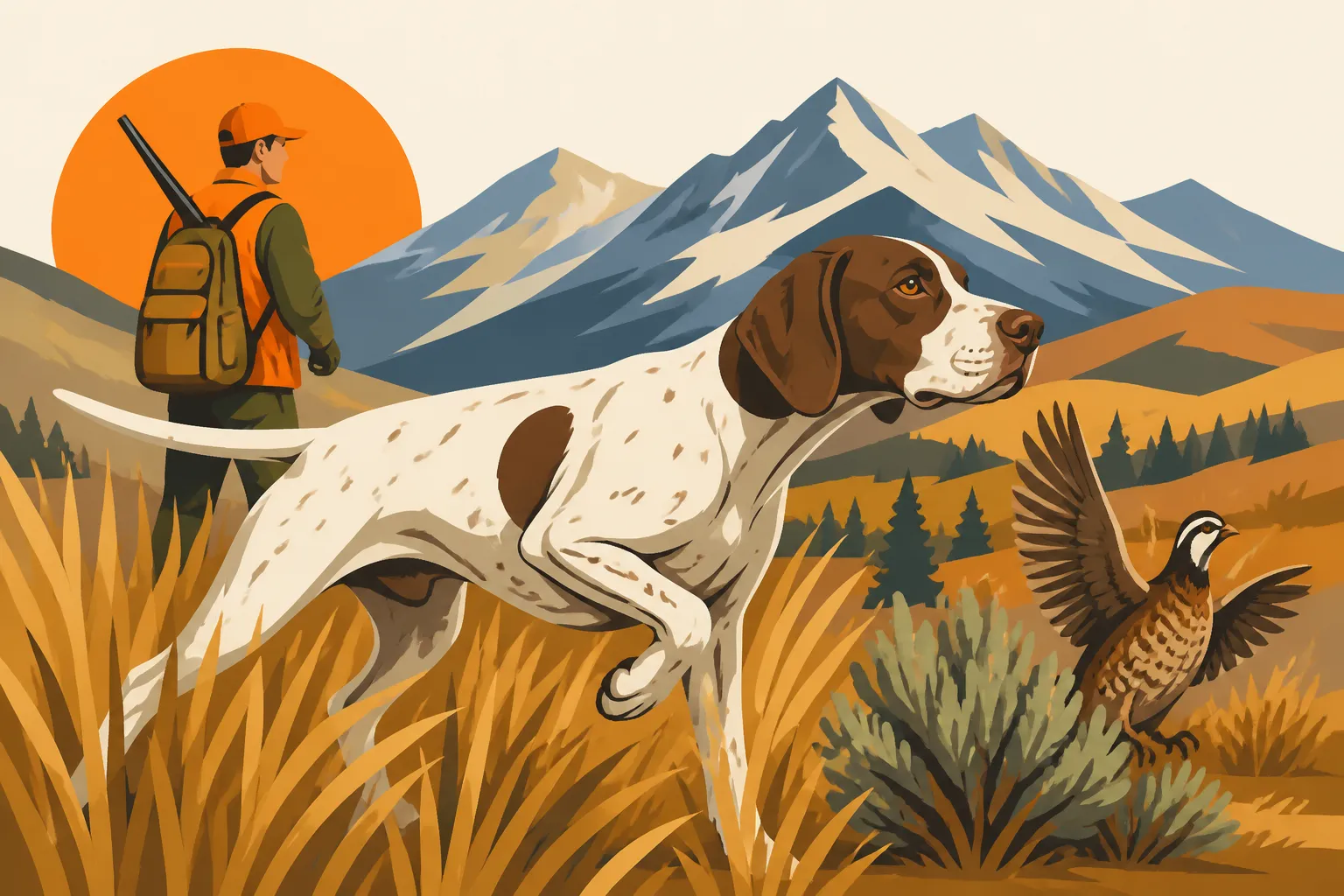
Bird Dog Rules for Upland Game Hunting
There's nothing quite like the thrill of hunting upland birds with a well-trained dog, but navigating the specific rules and regulations in Idaho can sometimes feel like trying to hit a fast-flying pheasant with a broken wing. It's frustrating to invest so much time and effort into training your canine companion only to find out you've overlooked a crucial legal detail. This guide is here to clarify Idaho's bird dog rules, helping you understand exactly what’s allowed so you and your four-legged hunting partner can enjoy those crisp autumn mornings safely and legally.
Understanding Idaho's General Rules for Hunting with Dogs
When you bring your beloved bird dog into the field, you’re adding an exciting, dynamic element to your hunt. However, Idaho, like all states, has a set of foundational rules that apply whenever you’re hunting with any dog, regardless of species. These aren't just arbitrary guidelines; they're in place to ensure fair chase, prevent harassment of wildlife, and maintain public safety. Overlooking these overarching regulations can lead to a quick end to your hunting day, or worse, legal trouble.
One of the first things to grasp is that your dog remains your responsibility at all times. This means knowing where your dog is, what it’s doing, and ensuring it’s not interfering with other hunters or non-target wildlife. Imagine the frustration of another hunter whose stalk is ruined by an off-leash dog that spooks game. These situations are avoidable with responsible dog handling. It's also critical to remember that while your dog can assist in finding and retrieving game, it cannot be used to harass or pursue big game animals, especially during closed seasons or if you don't possess the proper tags.
Leash Laws and Off-Leash Privileges
Idaho's regulations often grant more flexibility for hunting dogs compared to general pet leash laws, but this isn't a blanket pass. In designated hunting areas and during open seasons, upland bird dogs are generally allowed to work off-leash to pursue game. This is, of course, essential for a pointing dog to range out and find scent, or for a flushing dog to work cover effectively. However, this privilege comes with significant caveats. You, as the handler, are still responsible for your dog's actions. If your dog wanders onto private property without permission, you could face trespassing issues, even if you’re legally hunting on adjacent public land. Tools like GoHunt can be immensely helpful here, providing detailed land ownership maps that allow you to constantly monitor your location and your dog's likely range. Before heading out, make sure your digital maps, perhaps on GoHunt, are updated with the latest land ownership layers.
Furthermore, there are areas where even during an open hunting season, general leash laws might still apply. Think about developed recreation sites, campgrounds, or certain wildlife management areas (WMAs) where specific rules are posted. Always double-check local regulations for the specific area you plan to hunt. The Idaho Hunt Planner Is the Tool to Start With can be a great resource for identifying specific rules or restrictions within particular Game Management Units or WMAs. Understanding Idaho State Endowment Land Access Rules is also vital, as some state lands have unique regulations.
Dog Licensing and Health Requirements
Just like you need your hunting license, your dog needs to be properly licensed according to county or city ordinances, especially if it’s going to be traveling with you. While there isn't a statewide "hunting dog license" per se, general pet licensing ensures that if your dog gets lost in the field, it can be identified and returned. This might seem like a small detail, but losing a valuable hunting companion miles from the nearest road can be a heartbreaking experience.
Beyond licensing, keeping your dog healthy is paramount. Vaccinations, especially rabies, are a must, not just for your dog's health but for public safety and the safety of other animals it might encounter. Consider also regular deworming and flea/tick prevention, particularly when working in dense cover. Idaho’s diverse terrain, from sagebrush flats to thick timber, presents various challenges, and keeping your dog in top physical condition and free from parasites will not only make your hunt more enjoyable but also reduce the risk of illness or injury. A well-conditioned dog can cover more ground and endure longer days, which is crucial when pursuing species like Chukar, Grouse and Idaho's Upland Country.
Specific Regulations for Upland Game Birds with Dogs
Idaho’s upland bird hunting scene is incredibly diverse, offering opportunities for pheasants, quail, chukar, partridge, and various grouse species. The beauty of hunting these birds often lies in the partnership with a trained dog, but each species and habitat type might come with its own nuances in how dogs can be legally and effectively utilized. It's never a one-size-fits-all approach.
Permitted Dog Breeds and Types
Idaho regulations don't specify or restrict particular breeds of dogs for upland bird hunting. Whether you prefer a hard-charging English Setter, a methodical German Shorthaired Pointer, a tireless Labrador Retriever, or a versatile Brittany, all are welcome. The key is that the dog is trained and handled appropriately for the task at hand. The emphasis is on ethical hunting practices rather than breed specifics.
This flexibility allows hunters to choose a dog that best suits their hunting style and the specific upland species they target. For example, when pursuing Pheasant and Quail on Idaho Farmland, a strong flusher that can penetrate dense cover might be ideal, while a staunch pointer might be favored for the more scattered populations of Forest Grouse Through Idaho's Timber. As long as your dog is not harassing non-game animals or big game and is responding to your commands, its breed is irrelevant to Idaho Fish and Game.
Specific Upland Species Considerations
While the general rules apply, the tactics and, consequently, how your dog works, can vary significantly depending on the bird.
- Pheasants and Quail: Often found in agricultural areas, CRP fields, and riparian zones. Dogs are invaluable for flushing birds from thick cover and retrieving downed birds, preventing losses in heavy vegetation. Remember that some pheasant hunting areas might be managed and stocked by the state, like the Idaho Pheasant Bag Limit Explained areas, which often have specific entry or tag requirements.
- Chukar and Partridge: These birds inhabit steep, rocky, arid terrain. Your dog needs to be physically fit and have tough pads for the challenging environment. Chukar are notorious runners, so a dog that can quickly pin them or track them effectively is a huge advantage. They are often found in "chukar country" on Idaho's breaks.
- Grouse (Ruffed, Spruce, Blue): Typically found in timbered mountain regions. These birds can be tricky, often holding tight until a dog is right on them, then flushing into dense trees. A dog that works close and is steady to flush is often preferred to avoid wild flushes.
Always be mindful of the particular habitat you're in. If you're in areas with known big game populations, especially during open big game seasons, ensure your dog is strictly focused on birds to avoid any issues. Idaho's general hunting regulations are clear about dogs pursuing big game, which is prohibited.
| Upland Bird Species | Typical Habitat | Dog Skill/Temperament Preferred | Common Dog Breeds |
|---|---|---|---|
| Pheasant | Farmland, CRP, riparian zones | Flushing, retrieving, dense cover | Lab, Springer Spaniel, German Shorthair |
| Quail | Irrigated farms, brushy draws | Pointing, flushing, close working | Brittany, English Setter, Pointer |
| Chukar/Partridge | Steep, rocky, arid canyon breaks | Tracking, physically tough, close working | German Shorthair, Vizsla, Brittany |
| Forest Grouse | Timbered mountains, thick undergrowth | Close working, steady to flush | Brittany, English Springer, Cocker Spaniel |
This table provides a snapshot, but individual bird behavior and terrain will always dictate the best approach.
Prohibited Dog-Related Activities
Idaho is quite clear about what you cannot do with a dog while hunting. You absolutely cannot use a dog to pursue or harass big game animals, including deer, elk, moose, or bear, during any season unless it's specifically authorized (e.g., hound hunting for bear or mountain lion, which has its own strict regulations). If your bird dog starts to trail a deer, you must call it off immediately. Failure to do so can result in serious penalties, including fines and license revocation.
The concept of fair chase is central to Idaho hunting ethics. Using a dog to corner, trap, or unduly pressure any wildlife beyond the specific intent of flushing upland birds is unlawful. This includes using dogs to drive game towards hunters. Your dog is a partner in locating and retrieving, not a tool for unfair advantage. Also, be aware of Idaho's Motorized Hunting Rule Keeps You on the Road; you cannot use any motorized vehicle to pursue game or retrieve game off an established roadway, and this applies to how your dog might be used in conjunction with a vehicle. Remember Why You Cannot Drive Off Road to Retrieve Game and always ensure your dog isn't doing so either.
Training Your Bird Dog in Idaho: Legalities and Best Practices
Training a bird dog is a year-round commitment, not something you just dust off a week before Idaho Upland Bird Season Opening Dates. You'll spend countless hours in the field, honing skills like pointing, flushing, retrieving, and obedience. Understanding Idaho’s specific rules regarding dog training is just as important as knowing the hunting regulations, as these activities also fall under wildlife management guidelines.
Off-Season Training on Public Lands
Good news for dog trainers: Idaho generally allows off-season training of bird dogs on public lands, such as national forests and BLM ground, provided you're not violating any other regulations. This means you can work on obedience, conditioning, and basic bird work throughout the spring, summer, and fall. However, there are crucial considerations:
- No Live Ammunition: During the off-season, the use of live ammunition to take game (even training birds) is typically prohibited. Most trainers rely on blank pistols, bird launchers, and training dummies.
- Training Birds: If you're using live birds for training, ensure they are legally acquired and, if released, are either native species that can sustain themselves or non-native birds like pheasants from a licensed game farm. You cannot just trap wild birds for training purposes.
- Disturbance of Wildlife: You must ensure your training activities do not harass or disturb non-target wildlife, especially during sensitive periods like nesting seasons for birds or fawning seasons for deer and elk. Avoid areas known for high concentrations of vulnerable wildlife.
- Public Access: Always be mindful of other public land users – hikers, horseback riders, mountain bikers, etc. Share the space responsibly and ensure your dog is under control to prevent any negative encounters.
Using resources like GoHunt or other detailed mapping apps can help you identify public land that offers good training opportunities, keeping you well within legal boundaries. It’s important to familiarize yourself with Hunting Idaho's National Forests and BLM Ground regulations which often govern access and specific activities.
Using Training Devices and Aids
Idaho regulations permit the use of various training devices to enhance your dog's performance, as long as they are not designed to injure or harm the animal. Electronic collars (e-collars) are widely accepted and used for remote correction and command reinforcement. They are incredibly effective tools for extending your control over a dog at a distance, which is crucial in wide-open country or dense cover. However, they should be used humanely and only after proper training, not as a shortcut for basic obedience.
Bird launchers, check cords, and even remote controlled bird release systems are also commonly used. These aids help simulate real hunting scenarios and teach your dog to handle scent, hold point, or retrieve. The overarching principle is that the device aids in training and control, not in causing undue stress or injury to the dog, or in circumventing fair chase rules by unfairly disadvantaging game.
Avoiding Violations During Training
The biggest mistake a bird dog owner can make during training is inadvertently violating hunting or wildlife harassment laws. This usually stems from a lack of awareness rather than malicious intent. For instance, letting your dog range too far in areas where game birds might be nesting in the spring could be seen as harassment, even if you’re not actively hunting.
Another common pitfall is training with live birds without understanding the regulations surrounding their use and release. Always confirm the legality of your training methods with Idaho Fish and Game if you have any doubts. It’s also important to be aware of the exact dates for open hunting seasons; even if you’re just training, you don't want to accidentally appear as if you’re hunting out of season. Participating in courses like Anyone Born After 1974 Needs Idaho Hunter Education can provide a solid foundation in hunting ethics and regulations, which translates well to responsible dog training practices.
Ensuring Responsible Dog Handling and Safety in the Field
A successful and enjoyable upland bird hunt with your dog isn't just about finding birds; it's deeply rooted in responsible handling and prioritizing safety for both your canine companion and yourself. The wild can be unpredictable, and being prepared for anything is key.
Maintaining Control and Obedience
Ultimately, the most important rule for hunting with a bird dog in Idaho, or anywhere for that matter, is absolute control and obedience. Your dog must respond to your commands, even when game is present or distractions are high. A dog that busts birds prematurely, chases deer, or ignores recall commands is not only ineffective but can quickly become a liability. Consistent training, both at home and in the field, builds this trust and responsiveness.
This control extends to situations where you encounter other hunters, hikers, or even domestic animals. A well-behaved dog reflects positively on the entire hunting community, fostering respect for shared outdoor spaces. Conversely, an unruly dog creates negative impressions and can fuel anti-hunting sentiment. Investing in a dog that is truly "finished" and ready for the field means prioritizing their training, especially vital commands like "whoa," "heel," and "come."
Safety Gear and First Aid for Dogs
The rugged Idaho landscape can be tough on a dog. Investing in appropriate safety gear can prevent injuries and make your hunt more comfortable for your canine partner. Consider these essentials:
- Protective Vests: If hunting in dense brush or areas with sharp vegetation, a protective vest can prevent cuts and scrapes to your dog's chest and belly.
- GPS Collar: A GPS collar is a game-changer. It allows you to track your dog's location in real-time, which is invaluable if they get lost, injured, or simply range out of sight in thick cover. There are many reliable brands, and some even integrate with mapping apps like GoHunt.
- First Aid Kit: A specialized first-aid kit for dogs should be a staple in your pack. Include items like antiseptic wipes, sterile gauze, vet wrap, super glue (for minor cuts), tweezers (for thorns/splinters), pain medication approved by your vet, and a tick removal tool. Knowing basic canine first aid can be life-saving far from veterinary care.
- Hydration: Always carry plenty of water for your dog, especially on warm days or strenuous hunts. Dehydration can quickly incapacitate a dog. Collapsible bowls make it easy to offer water regularly.
These items aren't luxuries; they're vital for ensuring your dog returns home safely after a hard day in the field.
Respecting Landowners and Fellow Hunters
Hunting with a dog sometimes means covering a lot of ground, and it's easy for a dog, especially a wide-ranging pointer, to cross property lines. Always be acutely aware of land boundaries and obtain permission before entering private property. Digital mapping tools with accurate land ownership overlays are indispensable for this. Reading a Land Ownership Layer Correctly is a skill every hunter should master. If your dog accidentally crosses onto private land, retrieve it as quickly and respectfully as possible without trespassing yourself.
When encountering other hunters or outdoor enthusiasts, keep your dog close and under control. A friendly greeting and a respectful demeanor go a long way. Not everyone is comfortable with dogs, and an off-leash dog, no matter how friendly, can be intimidating. Being a responsible dog owner and hunter contributes positively to the public image of our sport. Remember, we share Idaho's beautiful outdoors, and courtesy ensures everyone can enjoy it.
Disclaimer
Please note that hunting regulations, seasons, and rules can change. It is the individual hunter's responsibility to consult the most current Idaho Fish and Game regulations before participating in any hunting activity. This article is intended for informational purposes only and does not constitute legal advice.