Minimum Age to Hunt Big Game in Idaho
It can be incredibly exciting to think about taking your child or a young family member out for their first big game hunt in Idaho, but the rules around age limits and certifications can feel like a labyrinth. Many parents and guardians are left scratching their heads, wondering at what exact age their eager young hunter can actually carry a tag for deer or elk. This guide is here to untangle those regulations, breaking down Idaho's specific requirements to ensure you and your young hunter are fully prepared and compliant for a safe and legal big game experience.
Decoding Idaho's Fundamental Age Rules for Big Game
Idaho's regulations are designed to introduce young hunters to the sport responsibly, balancing opportunity with safety and proper mentorship. It’s not just about a single age number; it’s about a combination of age, education, and supervision. Getting this right is the first step toward a memorable and successful hunt.
The Absolute Minimum Age for Big Game Opportunities
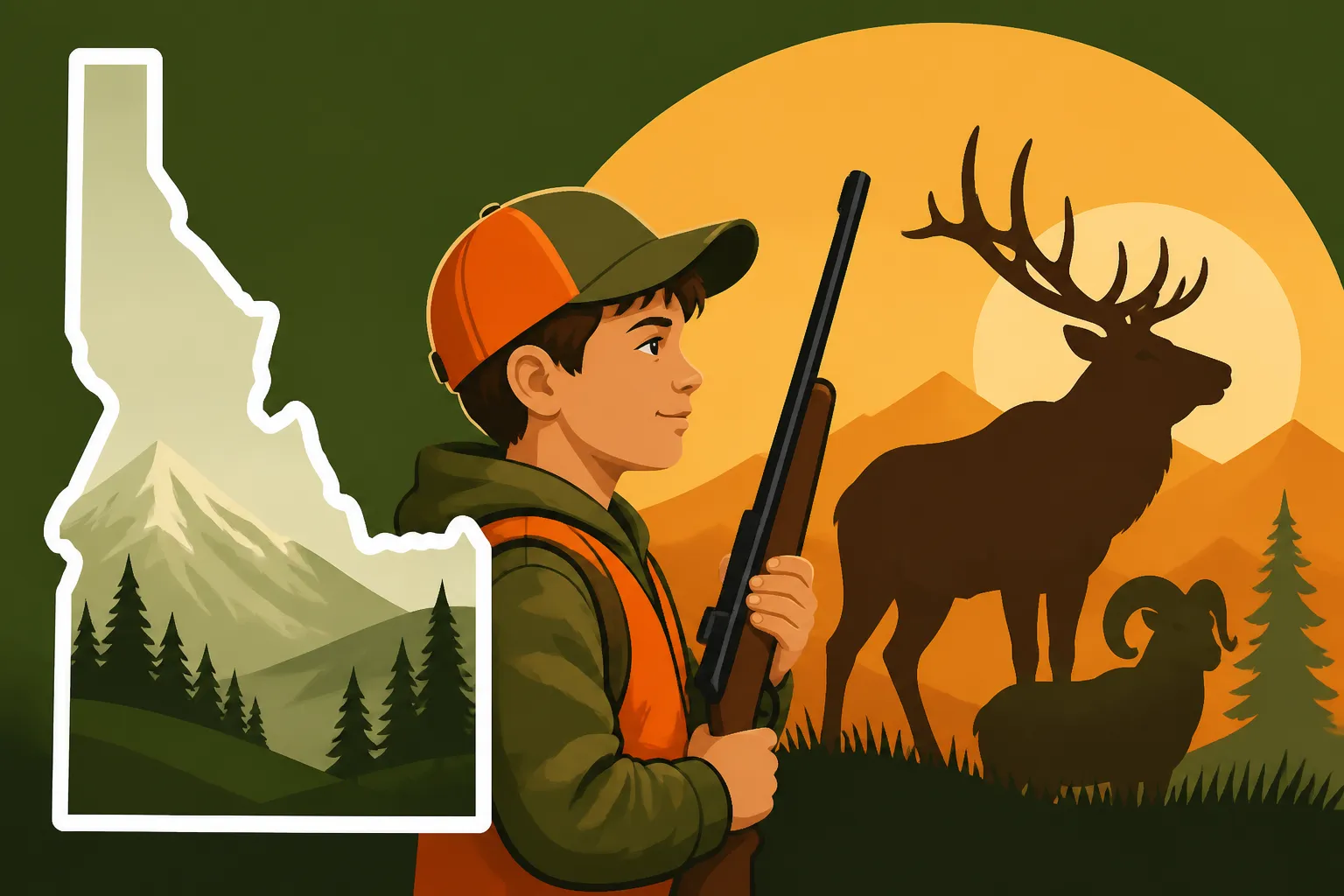
Let's cut right to the chase for those eager young hunters: In Idaho, a youth must be at least 10 years old to hunt big game animals like deer, elk, bear, or antelope. This age is not arbitrary; it's a careful consideration of a child's physical and mental development. At 10, most children possess a greater capacity for understanding complex safety instructions, ethical hunting principles, and the physical demands of a big game hunt. They are generally better equipped to handle a firearm or bow safely, maintain focus for extended periods, and comprehend the gravity of taking an animal's life. While a younger child might be passionate about hunting, Idaho Fish and Game has determined that 10 is the appropriate threshold for the responsibilities involved in big game pursuits. This specific requirement is often highlighted when discussing the broader topic of the Minimum Age for Big Game and Cranes.
It's a tough pill for some parents to swallow, especially if they have an incredibly mature and keen 8 or 9-year-old. You might see kids on hunting shows that look younger, but it's vital to remember that state regulations vary wildly. Idaho's rule is firm, and there's no workaround for being under 10 when it comes to punching a big game tag. This foundational age requirement ensures that every youth embarking on a big game hunt has reached a certain level of cognitive and physical readiness to participate in such a significant activity.
Hunter Education Requirements and the Age Cutoff
Age 10 opens the door to big game, but it doesn't automatically grant access. The next crucial piece of the puzzle is hunter education. Idaho, like most states, has a hunter education requirement for a very good reason: safety. If your young hunter was born on or after January 1, 1975, they must complete a hunter education course to purchase a hunting license. This includes any youth who is 10 years old and wants to pursue big game. This rule is clearly outlined in topics like Anyone Born After 1974 Needs Idaho Hunter Education, which is essential reading for anyone planning to hunt in the state.
This requirement means that before your 10-year-old can even think about drawing a bow or sighting down a rifle at a deer, they need to have successfully passed a certified hunter education course. These courses cover everything from firearm safety, ethical hunting practices, wildlife identification, and game care to navigating public lands and understanding regulations. It's a comprehensive program designed to instill a deep respect for wildlife and the outdoors, ensuring new hunters are responsible stewards of the resource. Without that hunter education certificate, they won't be able to get their license, and therefore, no big game tag.
The Idaho Hunting Passport as a Gateway for Younger Hunters
Now, what if your child is 10 or 11, but they haven't had the chance to complete hunter education yet? Or perhaps they want to try hunting before committing to the full course? Idaho has a fantastic solution: the Idaho Hunting Passport. This program allows eligible individuals, including youth under 18 who do not yet have hunter education certification, to hunt under the direct supervision of a licensed adult mentor. It's a wonderful way to introduce them to the field experience without the immediate pressure of passing a course. You can learn more about this program in resources like The Idaho Hunting Passport Lets You Try Before You Certify.
The Hunting Passport acts as a provisional license, allowing your young hunter to participate in the actual hunt, purchase tags, and even harvest an animal, all while under strict supervision. It provides a real-world learning environment where they can apply the principles they'll eventually learn in hunter education. However, it’s important to remember that the passport has limitations; for instance, it's typically only valid for one year, as detailed in Why a Passport Only Lasts One Year. This means it's a stepping stone, not a permanent substitute for full hunter education, especially if they plan to continue hunting in future seasons. It truly enables a mentored experience, fostering skills and passion under experienced guidance.
Navigating the Nuances of Mentored Hunting and Supervision
Idaho's commitment to responsible hunting is deeply embedded in its mentored hunting provisions. These rules are not just bureaucratic hurdles; they are safeguards designed to ensure that young hunters gain experience safely and ethically, learning directly from seasoned outdoorsmen and women. Understanding these provisions is critical, whether you're supervising your own child or mentoring another youth.
Defining "Direct Supervision" in the Field
The concept of "direct supervision" is paramount in mentored hunting, especially for those utilizing the Idaho Hunting Passport or any hunter under the age of 10 pursuing small game. In Idaho, direct supervision for big game hunting, when required, means that the mentor must be within arm's reach of the mentored hunter at all times. This isn't just about being in the same general area; it's about being close enough to physically intervene if a safety issue arises, to provide immediate instruction, or to assist with game identification and shot placement. This level of proximity ensures that the young hunter benefits from constant, hands-on guidance. Detailed explanations of these requirements can be found in Supervision Rules for Hunters Under Ten, which clarifies the expectations for close oversight.
Imagine a scenario: you and your 10-year-old mentee are stalking elk through a timbered hillside. With direct supervision, you would be right beside them, able to whisper instructions, confirm the target, and even help steady a rifle or bow if needed. This close contact is vital for critical moments, such as identifying if an animal is a legal bull or cow, confirming the kill zone, or ensuring a safe shooting lane. It prevents hasty decisions and reinforces good habits from the very beginning. This constant, immediate presence is the cornerstone of a safe and educational mentored hunt, preventing accidents and imprinting responsible hunting behaviors.
Mentor Qualifications and Hunter-to-Mentor Ratios
Being a mentor carries significant responsibility, and Idaho ensures that those who guide young hunters are qualified. To serve as a mentor, an individual must be at least 18 years old and hold a valid Idaho hunting license. Critically, if the mentor was born on or after January 1, 1975, they must also possess proof of hunter education certification. This ensures that the mentor themselves is knowledgeable in hunting safety and regulations, making them a reliable source of guidance for the young hunter.
Idaho also sets clear limits on how many mentored hunters one adult can supervise simultaneously. A mentor may supervise no more than two mentored hunters at one time. This regulation, often detailed in rules such as Idaho Mentors May Take Two Hunters at Once, is designed to maintain a high level of direct supervision and attention. Trying to supervise three or more young, inexperienced hunters in the field, especially during a high-stakes big game encounter, would dilute the quality of supervision and potentially compromise safety.
Table: Idaho Youth Big Game Hunting Requirements at a Glance
| Requirement | Age 10-11 (Hunting Passport) | Age 12+ (Hunter Ed Certified) | Key Details |
|---|---|---|---|
| Minimum Age | 10 years old | 10 years old | Absolute minimum for big game. |
| Hunter Education | Not required (temporarily) | Required | Required for those born after 1974, usually by age 12-18. |
| Hunting Passport | Yes | Optional (for first year) | Allows hunting under supervision without prior Hunter Ed. |
| Supervision | Direct (mentor within arm's reach) | Not legally required (but highly recommended for youth) | Essential for safety and learning, especially for new hunters. |
| Mentor Age | 18+ | 18+ | Mentor must also hold a valid Idaho hunting license. |
| Mentor Ratio | 1 mentor to max 2 hunters | N/A (for unsupervised certified hunter) | Ensures adequate attention and safety for mentored hunts. |
| License/Tags | Junior License + Big Game Tag | Junior License + Big Game Tag | Same tag requirements, but license basis differs. |
This clear ratio helps ensure that each young hunter receives the necessary guidance and that the mentor can effectively manage the hunting party's safety and ethical conduct. It's about quality over quantity when it comes to teaching the next generation of hunters.
Essential Considerations for Equipping and Licensing Young Big Game Hunters
Once the age and supervision requirements are sorted, the practicalities of getting your young hunter ready for the field come into play. This involves navigating the licensing process and, perhaps most importantly, selecting appropriate equipment that ensures their safety and increases their chances of a successful, enjoyable hunt.
Licensing and Tag Acquisition for Youth
For any young hunter, whether they have completed hunter education or are hunting under the passport program, obtaining the correct licenses and tags is non-negotiable. The process begins with purchasing an Idaho Junior Hunting License. The Idaho Junior Hunting License Price is typically more affordable than an adult resident or nonresident license, making it accessible for families. This license is the foundation upon which all other hunting privileges are built.
Once they have a valid hunting license, they can then purchase the necessary big game tags for the species they intend to hunt—be it a deer tag, an elk tag, or another species-specific tag. It's critical to remember that specific tags are tied to specific game management units and seasons, and some highly sought-after tags may require participation in a controlled hunt drawing. The license and tags can typically be purchased online through the Idaho Fish and Game website, or at authorized vendors across the state. Always double-check the current year's regulations for any changes to license types, prices, or application deadlines. The ability to legally carry and fill a tag is a huge milestone for any young hunter, cementing their place in the hunting tradition.
Choosing Appropriate Equipment and Prioritizing Safety
Selecting the right equipment for a young big game hunter is paramount, balancing effectiveness with safety and comfort. You wouldn't hand a 10-year-old a .300 Win Mag for their first deer hunt, just as you wouldn't give them a bow with a 70-pound draw weight.
For archery, Idaho has specific minimum draw weight requirements. For instance, Idaho Requires a 40-Pound Bow at a 28-Inch Draw for hunting deer and elk. For a young archer, finding a compound bow that they can comfortably and accurately draw, while still meeting the minimum, is key. Many youth-specific bows are designed with adjustable draw weights and lengths, making them ideal. It’s also important to ensure they understand how compound bow let-off works and how it relates to measured draw weight. Similarly, if they are using a recurve, understanding the Recurve Poundage That Will Kill an Elk is crucial for both ethics and effectiveness.
When it comes to firearms, managing recoil is essential for new shooters. A bad experience with excessive recoil can create a flinch that lasts a lifetime. Calibers like the .243 Winchester, 6.5 Creedmoor, 7mm-08 Remington, or even a low-recoil .308 Winchester are often excellent choices for deer and antelope. For elk, something a bit more powerful might be considered, but with careful load selection or a good muzzle brake, a .308 or .270 can still be effective. Choosing a Rifle for Idaho's Timber and Breaks requires balancing power with shootability for the young hunter. Proper gun fit—stock length, weight, and scope eye relief—is just as important as the caliber itself.
Beyond the weapon, safety gear is non-negotiable. Hearing protection, shooting glasses, and blaze orange clothing (even when not legally required for archery, it's a smart safety choice) should be standard. Furthermore, beyond the legal requirements, practical skills like field dressing, tracking, and basic survival are crucial. Instilling these values early ensures a responsible and well-rounded hunter.
Strategic Planning for a Successful Youth Big Game Hunt
A successful youth big game hunt isn't just about showing up with a tag and a rifle; it's about meticulous planning, thoughtful preparation, and realistic expectations. For a young hunter, their first experiences are formative, so setting them up for enjoyment and learning, regardless of harvest, is key.
Researching Units and Species for Youth Success
When planning a big game hunt for a young person, the goal should be to maximize opportunity and minimize frustration. This often means choosing areas and species known for higher success rates or easier access. Whitetail deer in Idaho's northern Panhandle, for example, might offer different hunting experiences than mule deer in the high desert breaks. Similarly, general season opportunities might be less competitive than drawing a coveted controlled hunt tag, though controlled hunts can sometimes offer higher success odds if drawn.
Tools like the Idaho Hunt Planner Is the Tool to Start With are invaluable. This online resource allows you to research specific Game Management Units (GMUs), view harvest statistics, check public land percentages, and even review drawing odds if you're considering a controlled hunt. By focusing on units with good public land access, manageable terrain, and a reasonable chance of encountering game, you increase the likelihood of a positive experience for your young hunter. A platform like GoHunt also offers robust tools for researching units, historical harvest data, and even mapping features that can help identify areas with easier access or higher animal densities. Looking up Harvest Statistics by Idaho Unit can help you gauge the realistic chances of success for a specific area.
Furthermore, consider the time of year. Early archery seasons might offer milder weather, while late rifle seasons could mean colder temperatures and snow. For a first big game hunt, comfortable conditions can make a huge difference in a child's enthusiasm and endurance. Focus on areas where you can reasonably expect to see animals, even if you don't harvest, as sightings alone can be incredibly motivating.
Cultivating Physical and Mental Readiness
Big game hunting in Idaho, especially for elk or mule deer in rugged terrain, can be physically demanding. Preparing your young hunter physically is just as important as their shooting skills. Start with hikes that simulate hunting conditions, gradually increasing distance and elevation. Carry a pack with some weight to get them used to hauling gear. Good physical conditioning will not only make the hunt more enjoyable but also reduce the risk of injury or exhaustion, which can quickly sour an experience.
Mentally, prepare them for the realities of hunting. Discuss ethical shot placement, the importance of patience, and the fact that success is never guaranteed. It’s vital they understand that hunting isn't just about pulling a trigger; it's about respect for the animal and the land. Talk about the possibility of failure – missing a shot, not seeing an animal, or having to pass on a marginal opportunity. Celebrate the effort, the time spent together outdoors, and the lessons learned, regardless of whether an animal is harvested. Instill the importance of game recovery and proper field care, ensuring that if an animal is taken, it is honored and processed correctly. This holistic preparation fosters a lifelong love and respect for hunting, creating not just a hunter, but a true conservationist.
Disclaimer
The information provided in this article is for general guidance only and is based on current Idaho hunting regulations. Regulations can change annually. It is the sole responsibility of the reader to consult the official Idaho Fish and Game regulations for the current year to ensure full compliance with all hunting laws and requirements before participating in any hunting activity.