Trail Camera Rules on Idaho Public Land
The question of leaving a trail camera out on public land in Idaho can feel like navigating a minefield of unspoken rules and potential ethical quandaries. It's a common frustration for hunters trying to leverage technology for better scouting while staying on the right side of the law and respecting fellow outdoors enthusiasts. This guide aims to clear up the confusion surrounding trail camera rules on Idaho's public lands, offering practical advice and clarifying what's permitted and what's best avoided.
The General Lay of the Land for Trail Cameras in Idaho
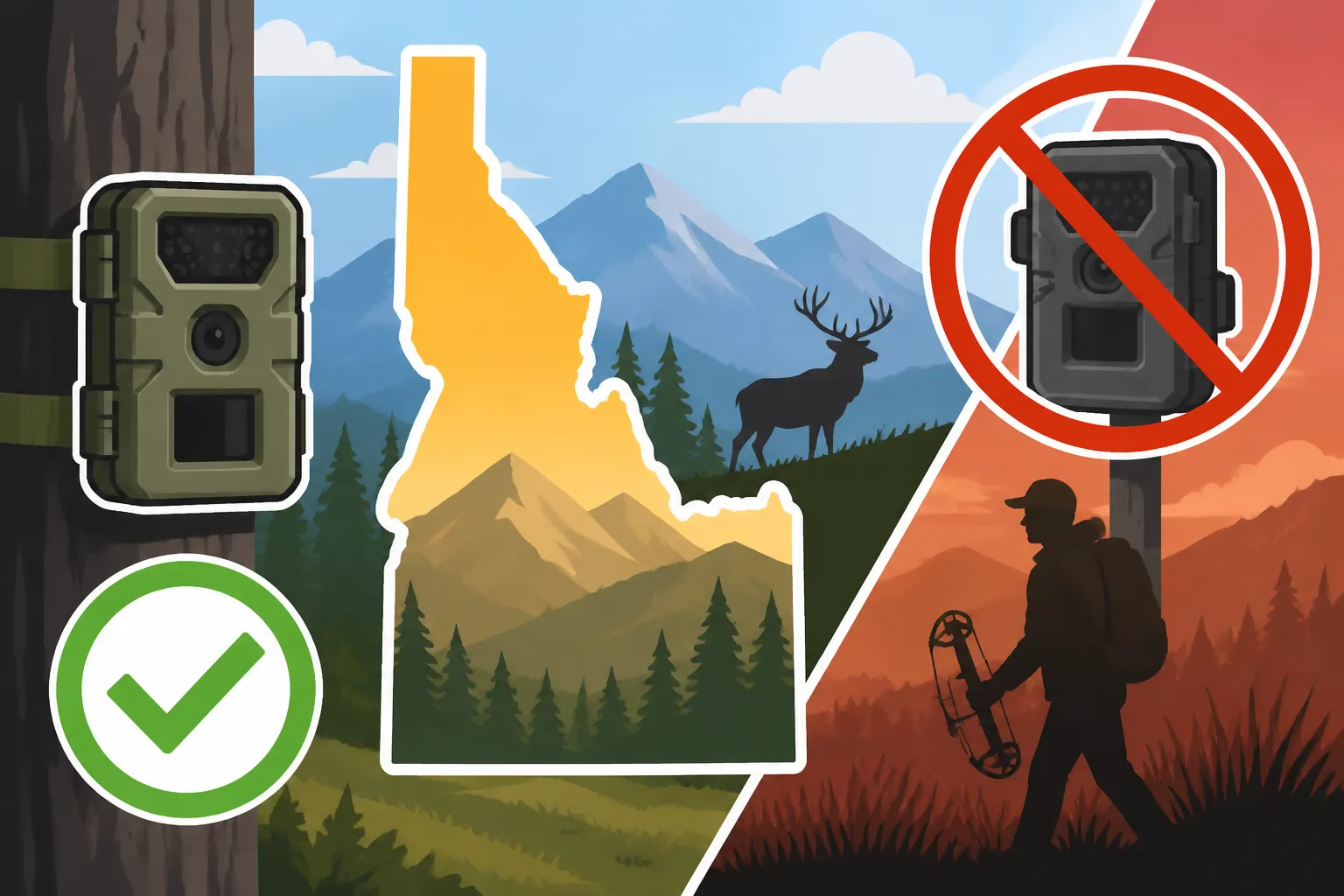
Let's cut right to it: generally speaking, leaving a trail camera on public land in Idaho is not explicitly illegal. However, that simple answer belies a much more nuanced reality. The Idaho Department of Fish and Game (IDFG) doesn't have a sweeping, statewide ban on the use of trail cameras for hunting or scouting on public lands, unlike some other western states that have moved to restrict or outright prohibit them. This lack of an overarching ban means you'll often find cameras tucked into trees across national forests, BLM lands, and even some state-managed areas.
But here's where it gets complicated. Just because something isn't illegal doesn't mean it's without consequence or ethical considerations. Hunters often grapple with the balance of using modern technology to improve their chances and maintaining the spirit of fair chase and respect for the natural environment and other users. The rules, or lack thereof, also vary slightly depending on the specific managing agency of the public land you're on, adding another layer of complexity.
Distinguishing Legal Use from Ethical Dilemmas
The line between legal and ethical use of trail cameras can be blurry. Legally, as long as you're not damaging public property, abandoning equipment, or infringing on specific regulations of a particular land management agency (which we'll get into), you're usually in the clear. However, the ethical side is where many hunters face internal conflict or external judgment.
Consider this scenario: you've set up a camera deep in a national forest, hoping to pattern a mule deer buck. You check it once a week, hiking miles in, swapping SD cards, and leaving scent. This is generally accepted practice. Now, imagine another hunter setting up ten cameras, checking them every other day, and placing them directly over a water source or scrape, effectively "claiming" that spot or disrupting wildlife patterns more frequently. While both might be legal, the latter definitely raises more ethical eyebrows. It speaks to the idea of fair chase – are you hunting, or are you essentially monitoring a private ranch with public funding?
Many hunters feel that excessive camera use, especially with advanced cellular cameras that transmit images in real-time, takes away from the traditional scouting and woodsmanship skills that are the hallmark of hunting. The frustration often stems from feeling like certain areas become over-pressured or "owned" by those who can afford the most tech and dedicate the most time to camera placement and monitoring. It’s a debate that touches on the very core of what hunting means to different people, and Idaho, like many states, continues to wrestle with it.
Key Regulations from Idaho Fish and Game (IDFG)
While IDFG doesn't ban trail cameras, their broader regulations on public land use certainly apply. For instance, any equipment left on public land generally falls under the umbrella of "abandoned property" if it's left for an unreasonable amount of time or beyond the hunting season. This means that if you leave your camera out indefinitely, it could potentially be considered abandoned and removed by land managers. While IDFG might not specifically target trail cameras with an abandonment rule, forest service or BLM rangers certainly could.
Furthermore, hunters are always expected to adhere to regulations concerning property damage. Nailing a camera directly into a tree, causing significant harm to the bark, or cutting branches excessively could be seen as damaging public property and might incur fines. Most modern camera mounts are designed to strap or screw into a tree without causing lasting damage, and responsible hunters utilize these methods. The key takeaway from IDFG's perspective is to be a responsible land user first and a hunter second. Always ensure your actions don't degrade the resource for others.
Where You Can and Cannot Deploy Trail Cameras
Understanding the varying rules across different types of public land is crucial for responsible trail camera use in Idaho. It's not a one-size-fits-all situation, and what's permissible in one area might be restricted or outright prohibited in another.
National Forests and Bureau of Land Management (BLM) Land
The vast majority of Idaho's public hunting opportunities occur on lands managed by the U.S. Forest Service (USFS) and the Bureau of Land Management (BLM). These lands are generally very open to public use, including hunting and scouting with trail cameras. On these lands, you typically won't find explicit bans on trail cameras.
However, there are still important considerations. You're generally expected to place your camera in a way that doesn't damage natural resources. This means using straps or screw-in mounts that don't girdle trees or cause excessive harm. Furthermore, the camera should not impede public access or create a safety hazard. While these might seem like common sense, sometimes a poorly placed camera could block a game trail that other hikers or hunters use. Using mapping tools like those offered by GoHunt can be incredibly helpful here, as they allow you to clearly identify land ownership boundaries and ensure you're indeed on USFS or BLM ground, not inadvertently trespassing or placing your camera on private land. This is an essential step that many hunters overlook, but knowing your Reading a Land Ownership Layer Correctly can save a lot of headaches.
A significant caveat on these lands relates to designated Wilderness Areas. While technically managed by USFS or BLM, these areas have a unique legal designation aimed at preserving their wild character.
State Lands, Wildlife Management Areas (WMAs), and Other Designated Areas
Idaho's state-managed lands and Wildlife Management Areas (WMAs) often come with their own set of specific rules, which can be more restrictive than those on broader federal lands. For instance, some WMAs might have policies against leaving any equipment unattended for extended periods, or they might have specific regulations regarding how or where items can be affixed to trees or structures. The purpose of WMAs is often to manage specific wildlife populations and habitat, and excessive human disturbance, even from cameras, might be restricted to meet those goals.
It's absolutely imperative to check the specific regulations for any state-managed land or WMA you plan to hunt or scout. These rules are usually available on the IDFG website or at kiosks located at WMA entrances. Don't assume that what applies to a National Forest automatically applies to a WMA. For example, some WMAs have very strict rules about Motorized Rules on Idaho Wildlife Management Areas, which gives you a hint that they might be more restrictive in other areas too. Always do your homework before deploying your gear.
Wilderness Areas: A Special Case
Wilderness Areas, such as portions of the vast Frank Church River of No Return Wilderness or the Selway-Bitterroot Wilderness, present the most significant restrictions for trail camera use. By definition, designated Wilderness Areas are managed to preserve their primeval character and are explicitly intended to be free from mechanical transport and permanent improvements. This often means anything that could be considered "mechanized" or a "permanent installation" might be prohibited.
While some might argue a small trail camera isn't "permanent," the spirit of wilderness management often views any electronic device or item left unattended for an extended period as contrary to the wilderness experience. While not all wilderness areas explicitly ban trail cameras by name, the underlying regulations against motorized equipment, temporary structures, or leaving personal property can easily be interpreted to include them. For instance, the discussion around Motorized Vehicles Inside Wilderness Boundaries reflects the broader intent to keep these areas pristine and free from modern intrusions.
For non-residents, hunting in some of these wilderness areas even requires hiring a licensed outfitter for certain species, highlighting their special status. If you're considering setting up a camera in a wilderness area, the safest bet is to assume it's prohibited or to contact the specific Forest Service district office managing that wilderness area for absolute clarity. It's far better to err on the side of caution than to risk a fine or contribute to the degradation of these unique and protected landscapes. Understanding the rules for areas like the Hunting the Frank Church River of No Return is crucial, as these vast, pristine areas are managed very differently from general public access lands.
Practical Considerations and Best Practices for Hunters
Even where trail cameras are permitted, responsible use goes a long way toward enhancing your hunting experience and respecting the shared resource of public land. There are a lot of nuances to deploying these tools effectively and ethically.
Preventing Theft and Tampering
One of the most frustrating realities of using trail cameras on public land is the risk of theft or tampering. Hunters often spend good money on these devices, and having one stolen or messed with can really sour a season. While no method is foolproof, there are several steps you can take to minimize your risk:
- Concealment is Key: Don't place your camera in an obvious spot right next to a well-used trail or road. Look for natural cover – thick brush, the backside of a large tree, or an area that naturally funnels game but isn't a human thoroughfare. Getting off the beaten path is always a good strategy for both finding game and deterring thieves.
- Security Boxes and Locks: Investing in a robust security box and a python cable lock can deter opportunistic thieves. While a determined thief with bolt cutters will still get through, these measures make your camera less of a quick grab.
- Mark Your Gear: Engraving your name and phone number on your camera, or at least an email address, can help in recovery if it's found by an honest person. It also clearly establishes ownership.
- Respect Others' Gear: Never, under any circumstances, tamper with another hunter's trail camera. Moving it, taking its SD card, or damaging it is not only unethical but could lead to legal trouble. If you find a camera, leave it alone. We're all out there trying to enjoy the outdoors, and that includes respecting each other's equipment and efforts.
Marking, Placement, and Data Management
Strategic placement of your camera goes beyond just avoiding theft; it's about maximizing your intel while minimizing your impact.
- Identification: While not legally required in Idaho, some hunters choose to put a small, discreet tag on their camera with their name and phone number. This isn't just for theft recovery; it can also prevent misunderstandings with other hunters or land managers who might wonder about abandoned equipment.
- Minimizing Scent: When placing or checking cameras, treat it like a mini-hunt. Wear clean clothes, rubber boots, and try to minimize your scent. Game animals are sensitive, and leaving a strong human scent directly on a trail or near a food source can alter their behavior.
- Location, Location, Location: Think about the data you want. Are you trying to identify a specific buck, pattern elk movement, or scout a new area? Place your camera accordingly. For E-Scouting an Idaho Unit Before the Season, your camera placements can confirm theories you develop from maps and aerial imagery. Use apps like GoHunt to overlay public land boundaries with satellite imagery to ensure your camera is legally positioned and giving you the best vantage point for scouting. This kind of precise mapping can also help you avoid common access points and keep your camera more hidden.
- Data Review: Don't just collect data; analyze it. Look for patterns in movement, time of day, and specific animals. This intel is what makes trail cameras truly valuable.
Ethical Use and Respect for Other Hunters
This really gets to the heart of the matter for many in the hunting community. Ethical trail camera use is about more than just following the letter of the law; it's about upholding the spirit of fair chase and promoting a positive hunting culture.
- Avoid "Claiming" Spots: While it's tempting to put a camera on a hot scrape or water hole, excessive camera presence can make other hunters feel like the spot is "taken." It's a fine line, but consider how your camera placement might impact another hunter's experience. If an area feels like it has a camera on every tree, it can quickly detract from the wildness of the hunt.
- Frequency of Checks: Regularly checking cameras can put significant pressure on an area, especially during the season. Consider how often you really need to visit. Sometimes, less is more, both for the wildlife and for minimizing your presence.
- Cellular Cameras: The advent of cellular cameras that transmit images instantly has amplified this ethical debate. While incredibly efficient, they blur the line between scouting and active hunting in real-time. For many, this feels like an unfair advantage, diminishing the challenge of the hunt. While currently legal in Idaho, the debate continues to rage across the hunting world, and hunters should be aware of the sentiment surrounding these technologies.
- The Golden Rule: Ultimately, apply the golden rule: hunt as you would want others to hunt. If you wouldn't want someone else's camera constantly monitoring your preferred hunting spot, perhaps reconsider placing yours there. Idaho's public lands are for everyone to enjoy, and part of that enjoyment comes from the feeling of solitude and discovery. Responsible camera use can contribute to Finding Low Pressure Ground on Opening Weekend for everyone, not just yourself.
The Future of Trail Camera Regulations in Idaho
The discussion around trail cameras on public lands is not static in Idaho, or anywhere else in the West for that matter. As technology evolves and more hunters adopt these tools, the Idaho Fish and Game and various land management agencies will continue to evaluate their impact on wildlife and the hunting experience.
Emerging Trends and Other Western State Examples
Idaho is in a unique position right now where general trail camera use is still permitted. However, it's worth looking at what's happening in neighboring states. States like Arizona, Nevada, and Montana have implemented much stricter rules, including outright bans on certain types of trail cameras or their use during specific seasons on public lands.
- Arizona: Has banned the use of trail cameras for locating or aiding in the take of big game on public lands.
- Nevada: Has restrictions on how long cameras can be left out and has also considered bans.
- Montana: Has had extensive discussions and proposals for stricter rules, including a ban on live-feed (cellular) cameras.
These examples show a clear trend: as technology advances, wildlife agencies and hunter ethics committees are grappling with how to maintain fair chase principles and minimize pressure on wildlife. Idaho could very well follow suit in the coming years, especially if concerns about over-pressured animals, ethical hunting, or public land etiquette become more pronounced. Hunters should be prepared for the possibility that current regulations are not set in stone.
Staying Informed with Idaho Fish and Game
Given the dynamic nature of these discussions, the single most important action any Idaho hunter can take is to stay informed. Regulations change annually, sometimes mid-season, and ignorance is rarely an acceptable excuse.
- Annual Regulation Book: The Idaho Fish and Game publishes a new regulation book every year. This is your bible. Always consult the most current version. Pay particular attention to sections on general rules, equipment, and any specific unit or WMA regulations. You can find the most up-to-date information on Where the Current Idaho Regulations Are Posted.
- IDFG Website and Newsletters: The IDFG website is a wealth of information, and signing up for their email newsletters can keep you abreast of proposed rule changes, public meetings, and new policies.
- Public Meetings: When IDFG proposes rule changes, they often hold public meetings or solicit public comments. Participating in these processes is an excellent way to make your voice heard and understand the rationale behind potential changes.
By being proactive and staying engaged, Idaho hunters can adapt to evolving regulations and continue to enjoy the incredible hunting opportunities the state offers responsibly. Using tools like The Idaho Hunt Planner Is the Tool to Start With can provide not just scouting data but also links to current regulations and information relevant to specific units.
Here's a quick reference table to help visualize key considerations for trail camera use on public land in Idaho:
| Public Land Type | General Camera Rule | Specific Considerations | Best Practice / IDFG Recommendation |
|---|---|---|---|
| National Forests (USFS) | Generally Permitted | Avoid tree damage, don't block trails, don't abandon. | Use non-damaging straps, mark camera, retrieve post-season. |
| BLM Land | Generally Permitted | Same as USFS. Be mindful of fragile ecosystems and cultural sites. | Concealment, secure placement, check land ownership via GoHunt/onX. |
| State Lands/WMAs | Permitted (but often stricter) | Check specific unit regulations. May have rules against unattended equipment or time limits. | Always consult WMA-specific rules; don't assume. |
| Designated Wilderness | Generally Prohibited | Spirit of "mechanized" or "permanent" installations often applies to cameras. | Avoid entirely or contact USFS/IDFG for explicit clarity. |
| Private Land | With Permission Only | Absolutely prohibited without landowner permission. | Secure written permission. |
Remember, the goal is always to be a good steward of the land and a respectful member of the hunting community.
Disclaimer
Please note that hunting regulations, including those pertaining to trail cameras, can change frequently. This article provides general information and best practices based on current understanding. It is the individual hunter's responsibility to review the most current Idaho Fish and Game regulations and specific land management agency rules before engaging in any hunting or scouting activities. Always verify information with official sources.