Spotting Scope Power for Canyon Glassing
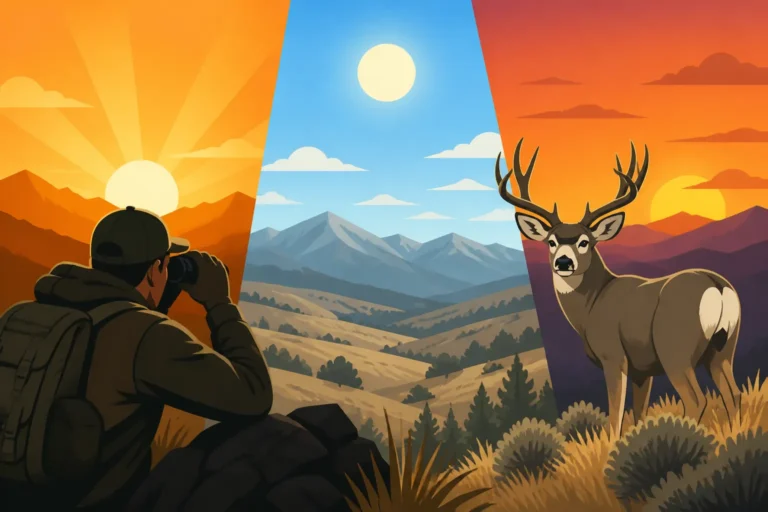
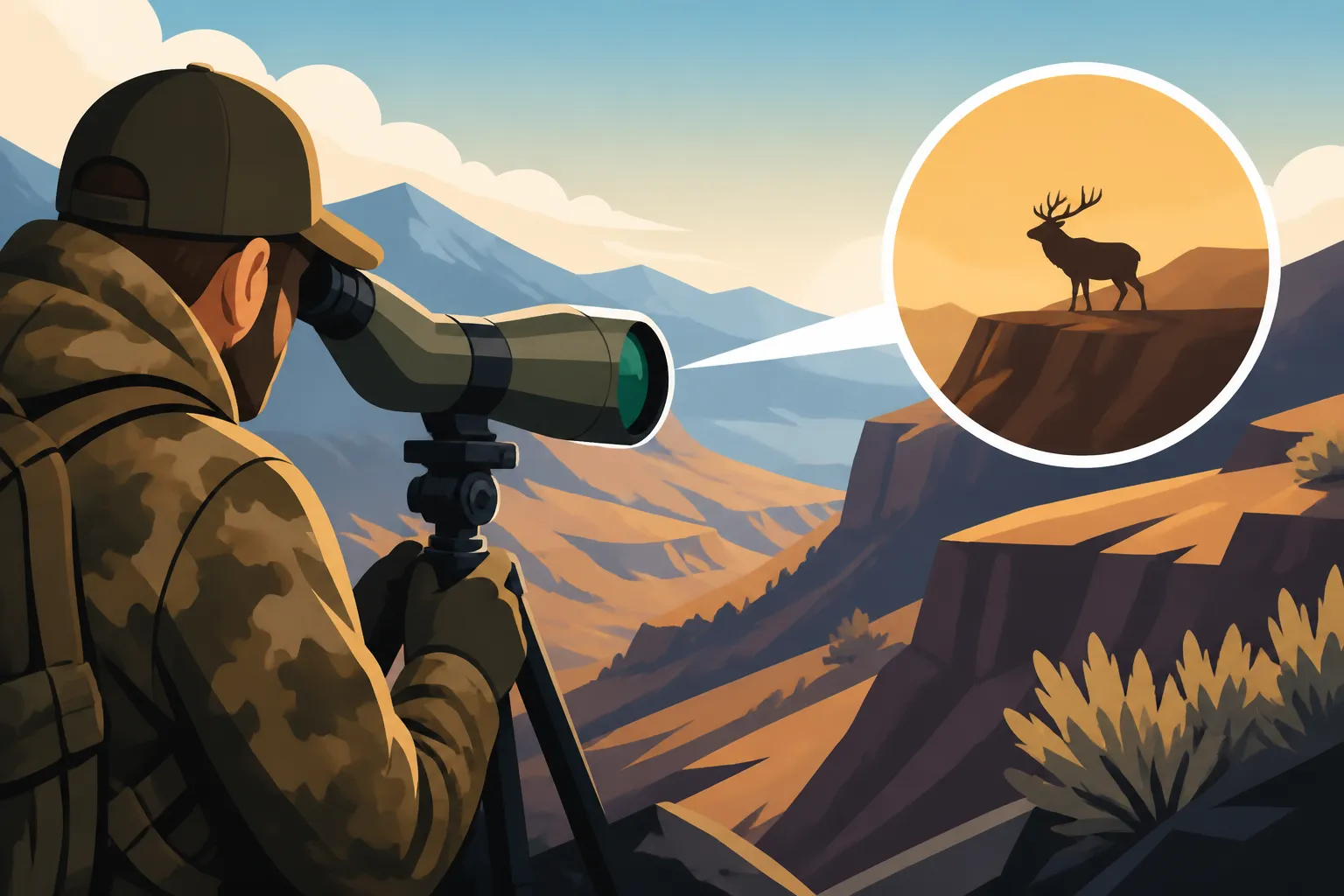
There’s nothing quite like standing on the edge of a vast Idaho canyon, peering into the endless folds and shadows, hoping to catch a glimpse of a trophy bull elk or a magnificent mule deer. But let's be honest, that initial awe quickly gives way to a real frustration: how do you even begin to pick apart such immense country? This guide is going to deep dive into the specific power of spotting scopes, helping you understand how to choose the right magnification to effectively glass those sprawling Idaho canyons, ensuring you don't miss that once-in-a-lifetime animal.
The Canyon Glassing Challenge: Why Optics Matter So Much in Idaho
Idaho's landscape is a hunter's dream, but it's also a significant challenge, especially when it comes to locating game in vast, broken country. You might spend hours looking, convinced there's nothing out there, only to have a buddy with better glass point out three deer you completely overlooked. It's a humbling experience that highlights just how crucial your optics are, and nowhere is this more true than when you're staring into the abyss of a deep canyon.
Understanding Idaho's Vast and Varied Terrain
If you've spent any time hunting in Idaho, you know the terrain can be brutal and beautiful all at once. From the steep, timbered slopes of the Panhandle to the sage-covered breaks of the Owyhee, distance and elevation changes are the name of the game. A canyon might be a mile wide at the bottom but stretch for five miles in either direction, offering countless pockets, benches, and draws where game can bed down, completely invisible to the naked eye or even basic binoculars.
Game animals here are masters of camouflage, and they don't just stand out in the open waiting for you. They'll be tucked into a sliver of shade under a Douglas fir, or bedded against a rock outcropping that perfectly matches their hide. The sheer scale means you're often trying to distinguish a set of antlers from a gnarled branch at distances that would make an Olympic marksman sweat. This is precisely why relying on a good spotting scope isn't a luxury; it's a necessity for efficient and successful hunting. You need to be able to pick apart every detail without having to hike every ridge, and for more on that, check out our guide on Glassing Idaho Breaks for Mule Deer.
The Role of Magnification in Identifying Game
When you're trying to determine if that tan blob is indeed a mule deer buck or just a sun-drenched boulder, magnification becomes your best friend. Binoculars are fantastic for scanning and covering a broad area, but once you spot something that piques your interest, you need to zoom in. A spotting scope allows you to dramatically increase that magnification, turning a questionable speck into a discernible animal.
This isn't just about "seeing" an animal; it's about identifying it. Can you confirm it's a bull and not a cow? Is it a legal spike bull for your Spike-Only Bull Rules Inside Idaho A Tag Seasons hunt, or does it have the four points required? You need to count points, assess body size, and confirm gender to make ethical and legal decisions, and that simply isn't possible at long range without serious magnification. Imagine seeing a flash of movement, but you can't tell if it's a coyote, a wolf, or a deer without higher power. That clarity is what a good spotting scope provides, reducing guesswork and allowing you to make informed decisions about your next move.
Deciphering Spotting Scope Power: What the Numbers Mean for Canyon Hunters
Choosing a spotting scope can feel like decoding a secret language with all the numbers and technical terms. But for canyon hunting in Idaho, understanding these specifications is key to matching the right tool to the challenge. The numbers, like "20-60x80mm," aren't just arbitrary; they tell you exactly what that scope is capable of, and how it will perform when you're looking across a three-mile expanse.
Fixed vs. Variable Magnification for Idaho Canyons
When you look at spotting scopes, you'll generally see two types of magnification: fixed or variable. A fixed power scope, like a 20x, means it always magnifies 20 times. These scopes are often praised for their brightness and simplicity, as they have fewer internal lenses to dim the image. They can be very robust and offer excellent optical clarity for their price point. However, for the dynamic and often extreme distances of Idaho's canyon country, fixed power can be quite limiting.
This is where variable magnification scopes, such as a 20-60x or 25-75x, truly shine. These allow you to adjust the magnification within a range, offering incredible versatility. You can start at the lower end, say 20x or 25x, to get a wider field of view and scan large swaths of terrain. Once you spot something, you can then smoothly zoom in to 60x or 75x to scrutinize the animal, count points, and confirm details that would be impossible at lower powers. This adaptability is invaluable when you're trying to pick apart complex terrain where animals might be bedded deep in a shadow, a long way off. Most hunters glassing canyons will lean heavily towards variable power, as the ability to zoom in and out allows them to transition from scanning to detailed examination without switching optics.
Objective Lens Size and Light Gathering Ability
The second number in a spotting scope's description, like the "80mm" in "20-60x80mm," refers to the diameter of its objective lens – the large lens at the front of the scope. This number is incredibly important because it dictates how much light the scope can gather. The larger the objective lens, the more light it can collect, which translates directly into a brighter, clearer image, especially in challenging lighting conditions.
Think about it: when are animals most active? Often at dawn, dusk, or when they're tucked away in the deep, shaded recesses of a canyon. These are exactly the times when light is at a premium. An 80mm objective lens will outperform a 60mm objective lens in low light every single time, giving you those crucial extra minutes of usable viewing before the sun completely sets or rises fully. This extra light gathering capability can be the difference between confidently identifying a legal animal and having to pack up, unsure of what you saw. The trade-off, of course, is weight and size. A larger objective lens means a heavier, bulkier scope, which can be a consideration if you're planning a deep backcountry hunt where every ounce matters. You'll need to balance that optical advantage with your personal comfort and pack limits, but for static glassing setups, maximizing objective size is often a wise choice.
Finding the Sweet Spot: Optimal Magnification Ranges
While it might seem like more magnification is always better, there's definitely a "sweet spot" when it comes to spotting scope power for canyon glassing. Going too low, as we've discussed, means you'll miss critical details and struggle with positive identification. You'll see "something," but you won't know what that something is, leading to wasted time or missed opportunities.
However, going too high with magnification can also create problems. While some scopes offer upwards of 75x or even 100x, pushing the limits of magnification often introduces a host of issues. The field of view narrows dramatically, making it harder to find and track animals. The image becomes much dimmer, even with a large objective lens, because the available light is spread over a much larger image. Perhaps most significantly, atmospheric conditions like heat shimmer or mirage become highly problematic. That wavy distortion you see rising from hot ground? At 75x, it can completely obscure your target, rendering the extra magnification useless. For extensive use in Idaho's diverse conditions, most experienced canyon glassers find that a range of 20-60x, or sometimes 25-75x, hits the optimal balance of power, brightness, and usable resolution. The 60x upper limit is often cited as the practical maximum before mirage and other factors significantly degrade image quality. Many hunters often find themselves doing the majority of their detailed glassing between 30x and 45x, only bumping up to 60x for quick, critical checks. For more on maximizing your vision in these expansive areas, take a look at our article on Optics Power for Idaho's Long Canyon Sightlines.
Practical Considerations for Choosing a Spotting Scope for Idaho's Canyons
Selecting the right spotting scope isn't just about the numbers on the box; it's also about how that scope will perform in the real world of an Idaho hunt. Weight, stability, and how well it handles the unpredictable mountain weather are all critical factors that can make or break your glassing experience. Ignoring these practical aspects can leave you with a fantastic piece of glass that you either hate carrying or can't use effectively in the field.
Weight and Portability for Backcountry Hunts
When you're packing into the Idaho backcountry, every ounce in your pack feels like a pound after a few miles and thousands of feet of elevation gain. This makes the weight and portability of your spotting scope a major consideration. A heavy, bulky scope, even if it has incredible optics, might end up staying in your truck more often than not. Manufacturers are keenly aware of this, and many offer excellent lightweight options. Brands like Kowa, Vortex Razor HD, and Maven produce scopes with exceptional glass that are also designed to be as light as possible, often utilizing advanced materials like magnesium alloys and high-density glass.
The physical design of the scope also plays a role in its portability. Straight eyepieces can be slightly easier to pack in certain backpack configurations, but angled eyepieces are often far more comfortable for long glassing sessions, especially when you're looking uphill or downhill. They allow for a more natural head position, reducing neck strain. You’ll need to decide which trade-off works best for your specific hunting style and physical comfort. If you're planning multi-day excursions where you're covering serious ground, a more compact and lighter 65mm or 70mm objective lens might be a better choice than a massive 95mm scope, even if it means a slight compromise in ultimate low-light performance. Every hunter has to make this personal calculation based on their endurance and the specific demands of their hunt, especially on those challenging multi-day trips to find game in remote areas.
Tripods: The Non-Negotiable Partner for Glassing
Here’s a truth bomb for you: a spotting scope, no matter how good, is only as effective as the tripod it sits on. Trying to use a high-powered spotting scope freehand is an exercise in futility; the image will be so shaky it's utterly useless. A sturdy, stable tripod is not just recommended; it is an absolute necessity for any serious canyon glassing. This is not the place to cheap out, folks.
When choosing a tripod, consider two main factors: material and head type. Carbon fiber tripods are the gold standard for backcountry hunting. They are significantly lighter than aluminum, making them much easier to pack, and they also do a better job of dampening vibrations. While they come with a higher price tag, the investment is worth it for the stability and weight savings. For the tripod head, you'll generally find pan heads or ball heads. Pan heads offer smooth, controlled horizontal and vertical movements, which are ideal for slowly scanning a canyon for hours. Ball heads are more compact and faster to adjust, but can sometimes lack the precision for fine-tuning your view when you're making tiny adjustments to pick apart a distant hillside. Many hunters prefer a fluid pan head for spotting scopes because of the controlled motion it provides for those long, methodical glassing sessions that are the hallmark of Western hunting. You'll be glad you invested in a good one when you're set up for hours, slowly picking apart distant features, trying to find Bugling Elk in Idaho's Timbered Zones.
Environmental Factors: Mirage, Wind, and Light
Idaho's weather and unique atmospheric conditions can dramatically affect your spotting scope's performance. Understanding these environmental factors helps you choose and use your scope more effectively.
- Mirage: This is the bane of high-magnification glassing. On sunny days, especially over open, sun-baked canyon floors or south-facing slopes, heat rising from the ground creates shimmering distortions that can make even a close animal look blurry and indistinct. At 60x or 75x, mirage can completely wash out your image. There's not much you can do to eliminate mirage, but knowing about it means you might need to lower your magnification, even if your scope can go higher. Early mornings and late evenings, or cooler, overcast days, are often the best times to avoid severe mirage. When you're using platforms like GoHunt to e-scout and identify potential glassing locations, pay attention to the terrain; open, exposed areas are more prone to mirage.
- Wind: Idaho's mountains are no stranger to wind, and a strong gust can make your tripod-mounted spotting scope vibrate enough to blur your image. A heavier, sturdier tripod helps, as does a compact scope that presents less surface area to the wind. Sometimes, simply using your body as a windbreak can make a difference. If you're planning to hunt in areas known for high winds, like some of Idaho's expansive ridges or open basins, factor this into your gear choices and setup strategy.
- Light: As mentioned earlier, light gathering is crucial. But beyond dawn and dusk, deep canyons create their own light challenges. One side might be bathed in harsh sunlight, while the opposite slope is in deep shadow. Your scope needs to perform well across these extreme contrasts. Good quality glass (HD, ED, or APO designations) and lens coatings help to transmit light more efficiently and reduce chromatic aberration, giving you a clearer, truer-color image even in these tricky conditions. This superior optical quality becomes particularly evident when you're trying to discern an animal at the edge of a timberline or in the dark timber, where light is always at a premium. Having quality glass can mean the difference between seeing a leg and identifying a full animal, which is why premium optics are so highly valued by seasoned hunters.
| Feature | Typical Range for Canyon Glassing | Why It Matters for Idaho Canyons | Considerations |
|---|---|---|---|
| Magnification Range | 20-60x or 25-75x | Versatility to scan wide (low power) and identify details (high power) across vast distances. | Too low misses detail; too high introduces mirage, dimness, and narrow field of view. |
| Objective Lens | 65mm – 85mm | Critical for light gathering in low light (dawn/dusk) and deep canyon shadows. | Larger diameter = brighter image, but also more weight and bulk. Balance with portability. |
| Glass Type | ED/HD (Extra-low/High Dispersion) | Reduces chromatic aberration for clearer, sharper images with truer colors, especially at high magnification. | Worth the investment for superior clarity and reduced eye strain during long glassing sessions. |
| Field of View | Wider at lower magnification | Helps in quickly locating objects when scanning. Narrows significantly at higher magnification. | Trade-off: great for initial sweeps, but you zoom in for details. Practice finding targets at high power. |
| Eye Relief | 15mm – 20mm | Crucial for comfortable viewing, especially for eyeglass wearers or during extended periods. | Generous eye relief prevents "tunnel vision" and makes glassing less fatiguing. |
| Weight | 35-65 oz (2.2 – 4 lbs) | Directly impacts portability for backcountry hunts; every ounce counts. | Carbon fiber bodies and smaller objective lenses reduce weight. Consider your typical hunting style and pack weight. |
| Tripod Material | Carbon Fiber | Offers excellent stability, dampens vibrations, and is significantly lighter than aluminum. | Essential for clear, shake-free viewing at high magnifications. Do not skimp on tripod quality. |
| Tripod Head | Fluid Pan Head | Provides smooth, precise horizontal and vertical movements for methodical scanning. | Ball heads are quicker but less precise for fine adjustments when picking apart distant terrain. |
Disclaimer
The information provided in this article is for general guidance and educational purposes only. Hunting regulations, seasons, and requirements can change frequently. Always consult the most current Idaho Fish and Game regulations or visit their official website before planning any hunting activity.