How Outfitters Plan Emergency Evacuations
When you sign up for a guided hunt in the vast, untamed backcountry of Idaho, you're investing in an experience, but you're also placing a lot of trust in your outfitter. One of the biggest concerns, especially for those venturing deep into remote areas, isn't just whether you'll bag an elk, but what happens if someone gets hurt, seriously ill, or lost miles from the nearest road. This guide is here to pull back the curtain and explain exactly how reputable Idaho outfitters meticulously plan for emergency evacuations, ensuring that while you focus on the hunt, they've got your back if the worst-case scenario unfolds.
The Reality of Backcountry Emergencies in Idaho
Let's be real: hunting in Idaho's rugged mountains and vast wilderness is an incredible adventure, but it's not without its risks. We all hope for a smooth, uneventful trip, but experienced hunters know that Mother Nature can throw a curveball at any moment. Understanding what constitutes an emergency and why Idaho's unique terrain adds layers of complexity is the first step in appreciating the value of a well-prepared outfitter.
What Constitutes an Emergency on a Guided Hunt?
An "emergency" on a guided hunt isn't just a scraped knee or a mild headache. It's any situation that significantly jeopardizes the health, safety, or well-being of a client or guide, requiring immediate and often external intervention. Think of it this way: if you could walk it off, patch it up with a basic first-aid kit, and continue the hunt without lasting consequences, it's probably not an emergency in the context of an evacuation plan.
Major injuries, like a broken leg from a fall on steep, rocky terrain, a deep cut that won't stop bleeding, or a severe head injury, certainly qualify. These aren't just painful; they can render a person immobile and quickly turn life-threatening if not addressed promptly. Similarly, sudden and severe illness, such as a heart attack, a stroke, a serious allergic reaction, or a rapid onset of hypothermia or heatstroke, demands immediate action. The remote nature of Idaho's hunting grounds means that every minute counts when medical attention is needed.
Beyond physical ailments, other situations can trigger an emergency response. A hunter becoming separated from the group and lost in dense timber or rugged canyons, especially as darkness falls or weather deteriorates, is a critical scenario. While guides are experts at navigation, human error or unexpected environmental changes can happen. Furthermore, critical gear failure in extreme conditions – like a tent collapse in a blizzard or a broken stove when temperatures plummet – might not be a direct medical emergency but could quickly lead to one, necessitating an evacuation or resupply mission for safety.
Why Idaho's Terrain Amplifies Risk
Idaho is gorgeous, no doubt about it. But that raw beauty comes hand-in-hand with formidable challenges, especially when you're thinking about emergency evacuations. The sheer scale and ruggedness of places like the Frank Church River of No Return Wilderness, the Selway-Bitterroot, or even the steep, timbered units of the Panhandle, mean that getting help in a hurry is a logistical nightmare.
First, consider the remote wilderness itself. Many prime hunting areas are days, not hours, from the nearest paved road, let alone a hospital. There are no convenience stores, no gas stations, and certainly no urgent care clinics out there. This isolation means that any incident quickly becomes more serious because response times are inherently extended. A sprained ankle that might be a minor inconvenience closer to civilization becomes a major problem when you're three days' hike from the trailhead. It’s why outfitters spend so much time planning their routes and understanding potential hazards.
Then there's the elevation and extreme weather. Many hunts take place at high altitudes, where thin air can exacerbate pre-existing conditions or lead to altitude sickness, especially for hunters coming from sea level. The weather in Idaho's mountains can be notoriously unpredictable, swinging from warm sunshine to whiteout blizzards or torrential rain in a matter of hours, even during what seems like a mild fall. These conditions not only make travel difficult and dangerous but can lead to hypothermia, frostbite, or heatstroke. Knowing how to pack for all possibilities, and keeping an eye on the forecast, is crucial for both hunters and guides. Preparing for Elevation on an Idaho Hunt is something every hunter should consider long before they even arrive.
Finally, cell service is a luxury you simply cannot count on in most of Idaho's backcountry. Forget checking Instagram or making a quick call to home. Vast stretches of hunting country are dead zones, which is why communication devices are paramount to an outfitter's emergency plan. This lack of connectivity means that if an emergency arises, calling 911 isn't an option. The communication system needs to be robust, reliable, and independent of traditional cell networks, adding another layer of complexity that outfitters must meticulously plan for.
Essential Elements of an Outfitter's Evacuation Plan
A successful emergency evacuation isn't just about having a plan; it's about having the right tools, the right training, and the right people. Idaho outfitters, especially those working in the most remote areas, invest heavily in ensuring these essential elements are in place. It's a testament to their professionalism and commitment to client safety.
Communication Protocols and Devices
In the wilderness, communication isn't a convenience; it's a lifeline. Reputable Idaho outfitters equip their camps and guides with a robust array of communication tools, understanding that one method might fail or be insufficient in certain terrains or weather conditions. This multi-layered approach is critical for Satellite Communication From a Backcountry Camp.
The backbone of remote communication often involves satellite phones. These devices allow for direct voice calls from virtually anywhere to anywhere, bypassing the need for cell towers. They are essential for contacting emergency services, coordinating with base camp, or relaying critical information to medical professionals. However, they can be finicky in dense timber or deep canyons, and battery life is always a concern.
Another popular and increasingly vital tool is a satellite messenger device, such as a Garmin inReach or a Zoleo. These small, rugged units allow for two-way text messaging and can send SOS signals with GPS coordinates directly to a dedicated 24/7 monitoring center. The monitoring center then relays the emergency to the appropriate local Search and Rescue (SAR) or other emergency services. These devices also allow for tracking, so base camp always knows the general location of hunting parties, which is invaluable if contact is lost. Many outfitters will issue one of these to each hunting group, or at least ensure the head guide carries one.
For shorter range, within-camp or line-of-sight communication, VHF radios might be used. These are great for coordinating between different parties in a larger camp or for communicating with a spotting plane if one is involved in the hunt. While not suitable for reaching outside the immediate area, they add another layer of safety for localized coordination.
Outfitters also establish clear communication protocols: when to check in, what information to report, and who to contact in different scenarios. Guides are trained on how to use all devices, conserve battery life, and troubleshoot issues. This comprehensive approach ensures that even in the most isolated corners of Idaho, help can be summoned when needed.
| Communication Device | Primary Use Case | Pros | Cons |
|---|---|---|---|
| Satellite Phone | Direct voice calls to emergency services/base camp | Full voice communication, global coverage | Expensive, can be bulky, needs clear sky, battery life |
| Satellite Messenger (e.g., inReach) | Two-way text, SOS, tracking, basic weather | Smaller, cheaper, reliable SOS, decent battery life, tracking | Text-only (no voice), can be slow, less detailed than phone |
| VHF Radio | Short-range, line-of-sight communication | Immediate contact between nearby parties, simple | Limited range, needs line of sight, not for external calls |
| Personal Locator Beacon (PLB) | One-way SOS signal transmission | Highly reliable SOS, long battery life, rugged | No two-way communication, only for dire emergencies |
First Aid and Medical Preparedness
It’s one thing to call for help, but it’s another to keep someone stable until that help arrives. This is where an outfitter's medical preparedness really shines. A critical component of any evacuation plan is having guides trained in wilderness first aid, often to a Wilderness First Responder (WFR) or even EMT level. These certifications go far beyond basic first aid, teaching guides how to manage prolonged care in remote environments, handle trauma, stabilize fractures, treat hypothermia or heatstroke, and administer medications for common backcountry ailments.
Every guided hunt in Idaho will have at least one comprehensive medical kit. These aren't just a few band-aids and aspirin; they are often robust kits tailored for the specific environment and potential injuries. They typically include items for severe bleeding, splinting materials for fractures, burn care, advanced wound closure, a range of pain medications, and possibly even antibiotics or EpiPens if a client has disclosed relevant medical conditions.
Before any hunt, a good outfitter will collect detailed medical information from their clients. This includes allergies, pre-existing conditions (like heart issues, diabetes, or asthma), and any medications being taken. This information is kept confidential but accessible to the head guide in case of an emergency. Knowing that a client is diabetic, for example, allows the guide to monitor for blood sugar issues and respond appropriately if a problem arises. It also informs the medical supplies they bring into the field. Wilderness First Aid on a Guided Hunt is a topic that could easily fill a separate book, highlighting its importance.
The training and supplies are constantly updated, and guides often undergo refreshers annually. This commitment ensures that should an injury or illness occur, they are not just waiting for help but actively providing critical care and stabilization, potentially saving a life.
Transportation Assets and Logistics
Getting someone out of the deep Idaho backcountry is rarely simple, and it often involves a complex dance of different transportation methods, sometimes working in relays. Outfitters understand this and plan their logistics accordingly, considering everything from traditional pack animals to modern aviation.
For many wilderness hunts, horses and mules are the primary mode of transportation. They can navigate rugged, steep trails where vehicles cannot, and they are invaluable for packing out game or gear. In an emergency, a sturdy pack animal can be used to transport an injured person on a litter or strapped to a saddle if their injuries allow. Horsemanship Knowledge Guides Must Demonstrate is not just for packing out a trophy, it’s for patient transport as well.
In areas with some road access, albeit rough and unpaved, ATVs or side-by-sides might be part of the plan. These vehicles can cover ground much faster than horses and can quickly reach established trailheads or forest service roads where a larger vehicle can pick up a patient. However, they are still limited by terrain and specific motor vehicle use regulations. Idaho's Motorized Hunting Rule Keeps You on the Road – a critical regulation guides are intimately familiar with.
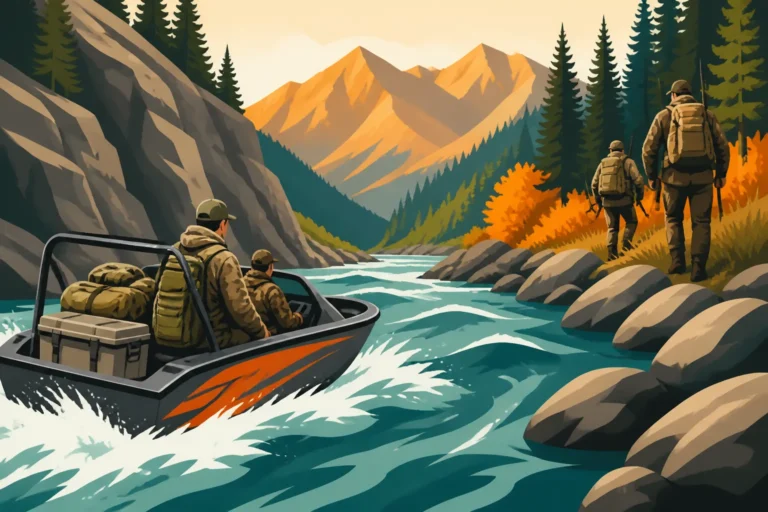
For river-based hunts, or those near major waterways like the Salmon River, jet boats can provide rapid transportation. They can quickly cover long distances, accessing areas otherwise unreachable by land. Some outfitters specialize in these types of operations, using jet boats to set up camps and provide access to remote hunting grounds.
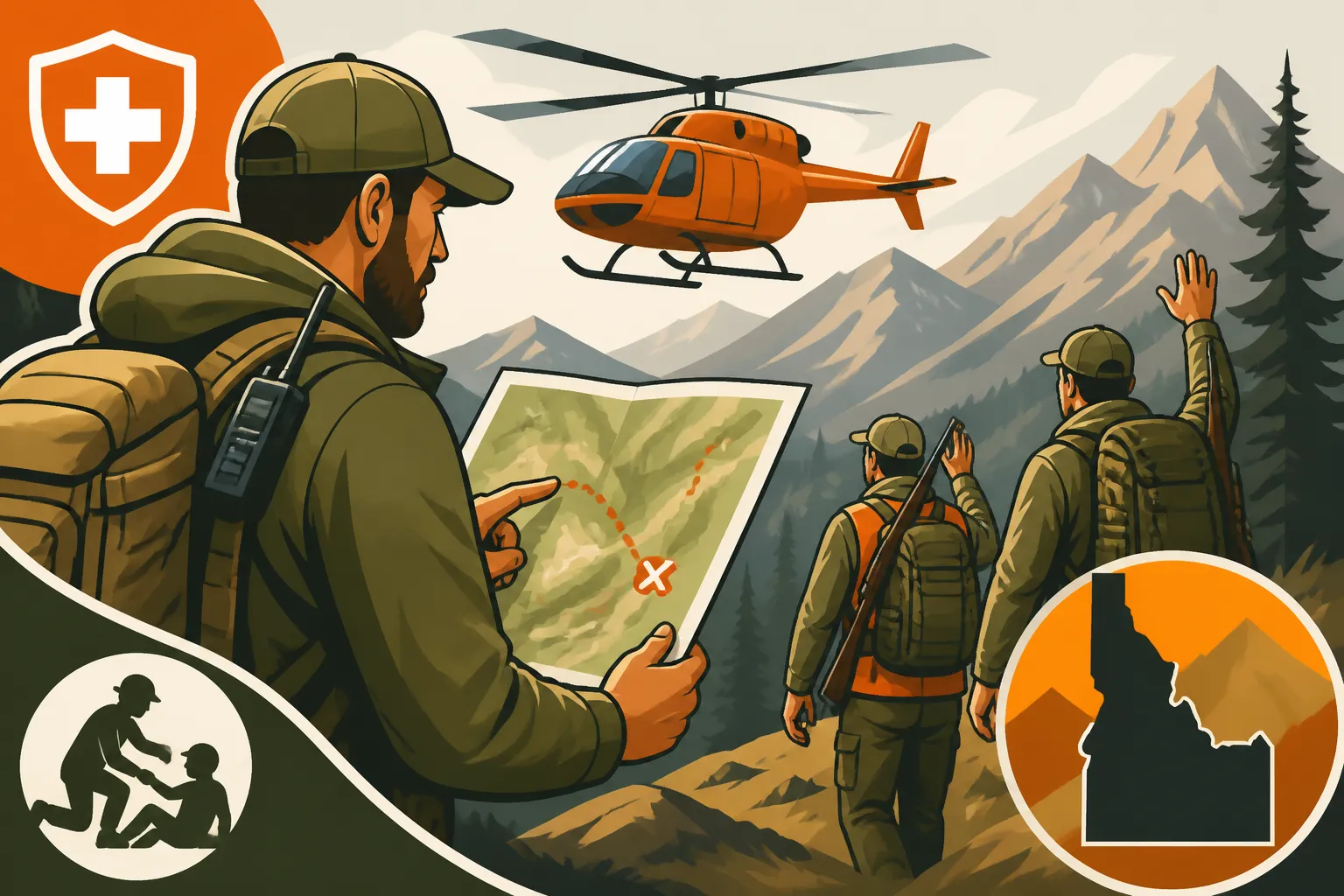
The most rapid and often life-saving evacuation method for critical emergencies is air transport: fixed-wing aircraft or helicopters. Helicopters can perform direct patient extraction from even very tight, rugged terrain, flying them directly to a waiting ambulance or hospital. Fixed-wing aircraft, on the other hand, require a suitable landing strip – and some remote airstrips exist deep within Idaho's wilderness areas, like those found in the Frank Church. However, air assets are expensive, weather-dependent, and require explicit coordination with Search and Rescue (SAR) and often the Forest Service or BLM. Outfitters will have pre-established relationships and procedures for calling in air support when needed, a testament to the robust planning behind How Outfitters Plan Emergency Evacuations.
The Coordination Behind an Idaho Emergency Evacuation
An emergency evacuation isn't a solo act. It's a complex ballet of communication, resources, and decision-making involving multiple agencies and individuals. For an Idaho outfitter, being able to seamlessly coordinate this effort is the hallmark of a truly professional and safety-conscious operation.
Linking Up with Local Emergency Services
One of the most critical aspects of an outfitter's emergency plan is their established relationship and understanding of local emergency services. When a guide activates an SOS signal or makes a satellite phone call for help, they aren't just calling a generic hotline; they're connecting with a network of dedicated professionals.
Typically, the initial contact for a backcountry emergency will be with the local county Sheriff's office, who then coordinates Search and Rescue (SAR) operations. Idaho's SAR teams are often volunteer-based, comprised of highly skilled individuals with extensive knowledge of the local terrain, tracking, and medical support. Outfitters will know the specific phone numbers and communication channels for the counties they operate in, as well as the protocols for initiating a rescue.
Beyond SAR, outfitters also maintain connections with Emergency Medical Services (EMS), the U.S. Forest Service (USFS), and the Idaho Department of Fish and Game (IDFG). The USFS, as the land manager for much of Idaho's national forests, plays a crucial role in granting access for rescue vehicles or aircraft and can provide localized intelligence about terrain or weather. IDFG might be involved if the incident relates to hunting regulations or wildlife interactions. The Idaho Outfitters and Guides Licensing Board Explained plays a role in ensuring outfitters meet certain standards, including safety protocols, which indirectly supports these external relationships.
Effective coordination also means the outfitter can provide precise GPS coordinates, detailed descriptions of the terrain, current weather conditions at the site, and a clear assessment of the patient's condition. This information allows emergency responders to quickly understand the situation and deploy the most appropriate resources.
Decision-Making in Crisis: When to Call for Help
Knowing when to call for outside help is a critical decision-making point that guides are trained for. It's not always black and white, especially in remote settings where calling for a helicopter can be incredibly expensive and can tie up vital resources. Guides are constantly assessing the severity of a situation, the resources they have on hand, and the environmental factors at play.
The decision hinges on several factors: Is the injury or illness life-threatening or likely to become so? Is the patient stable and able to move under their own power, or do they require assistance? What are the weather forecasts? A clear sunny day might allow for a helicopter evacuation, while a sudden blizzard would ground all air assets, forcing a slower, ground-based extraction. The guide must weigh the risks of trying to self-evacuate (even to a closer trail) against the risks and logistics of calling in professional rescue.
Furthermore, the guide must consider the available resources within their own party. Do they have enough trained personnel, medical supplies, and physical capacity to manage the situation for an extended period? If not, calling for external help becomes paramount. It's about making a realistic assessment of the situation and prioritizing the safety and well-being of the client above all else. This might involve a difficult conversation with the client, but ultimately, the guide is responsible for making the safest decision. This proactive approach is part of the comprehensive service described in What a Guided Idaho Elk Hunt Includes.
Client Responsibilities and Expectations
While the outfitter shoulders the primary responsibility for emergency planning, clients also have a vital role to play in their own safety. Before the hunt even begins, one of the most important things a client can do is provide accurate and comprehensive medical history. This includes any known allergies, pre-existing conditions (like heart issues, diabetes, asthma), current medications, and emergency contact information. This information is confidential but allows the outfitter to be prepared for specific scenarios and to inform rescue personnel accurately.
During the hunt, clients are expected to follow the guide's instructions without question, especially in potentially hazardous situations. Guides are intimately familiar with the terrain, wildlife, and weather patterns. Their directives, whether it's about staying on a certain trail, what to do if you encounter a bear, or how to cross a stream, are given for safety reasons. Bear Safety Practices in an Outfitter Camp are particularly important. If you encounter a grizzly, for instance, Grizzly Identification for Idaho Bear Hunters becomes vital information, and knowing your guide's plan is paramount.
Additionally, clients should arrive physically prepared for the demands of a backcountry hunt. While an outfitter can plan for emergencies, being in reasonable physical condition reduces the risk of injuries or exacerbating medical conditions. This means training beforehand and understanding the physical requirements of your specific hunt. Having a basic understanding of your outfitter's emergency procedures, even generally, can also provide peace of mind and help you react calmly if something goes wrong. Don't be shy about asking Questions to Ask an Idaho Outfitter regarding their safety protocols and emergency plans before you book your trip.
How Hunters Can Prepare for the Unexpected (Even with a Guide)
Even though your outfitter is meticulously planning for your safety, a smart hunter knows that personal preparedness is key. Thinking ahead and taking a few proactive steps can make a world of difference, not just for your own well-being but also in assisting your guide should an unexpected situation arise.
Physical and Mental Conditioning
You're heading into the Idaho wilderness, which is beautiful but also demanding. One of the best ways you can prepare for the unexpected is to arrive physically fit. This doesn't mean you need to be an Olympic athlete, but being able to hike comfortably for several miles with a pack, navigate uneven terrain, and handle the physical demands of field dressing an animal will significantly reduce your risk of injury or exhaustion. Injuries often happen when fatigue sets in, making you less coordinated and more prone to missteps.
Beyond the physical, mental conditioning is equally important. The backcountry can be tough, and frustrations can run high. Staying calm and collected in a stressful situation, such as an injury or getting turned around, is crucial. Panicking only complicates matters. Practice mindfulness, develop problem-solving skills, and trust in your guide's abilities. Your mental fortitude can be a huge asset to the entire hunting party, especially during prolonged or challenging situations. You can read more about getting ready for the rigors of your adventure in Physical Conditioning for Idaho Backcountry.
Personal Emergency Gear
Even with a fully equipped guide, carrying a small personal emergency kit is a smart move. Think of it as your "what if I get separated" kit. This shouldn't be a heavy, bulky pack, but a small, essential collection of items that could sustain you for 24-48 hours if you somehow ended up alone.
Here’s a basic list of what to consider:
- Whistle: For signaling. Three short blasts are a universal distress signal.
- Small First Aid Kit: For minor cuts, blisters, and pain relief. Your guide will have a comprehensive one, but personal immediate care is always good.
- Fire Starter: A reliable lighter, waterproof matches, or a ferro rod. The ability to make fire is paramount for warmth, signaling, and morale.
- Emergency Shelter: A lightweight space blanket, emergency bivy, or even a large garbage bag can provide critical protection from the elements.
- Extra Water/Filter: Enough water for a few hours, plus a small filter or purification tablets.
- High-Energy Snacks: A few energy bars or trail mix can keep your blood sugar up and maintain energy.
- Headlamp/Flashlight: With extra batteries. Getting stuck in the dark is disorienting and dangerous.
- Navigation Aid: A compass and a physical map of the area (even if you have a GPS device). Knowing how to use them is key.
- Personal Communication Device: If you own one, carrying a personal satellite messenger like an inReach can be an extra layer of security, though you should always coordinate its use with your guide.
These items are small, lightweight, and can easily fit into a daypack, providing a significant boost to your safety margin.
Understanding Your Outfitter's Plan
Before your boots even hit the trail, take the time to have a conversation with your outfitter about their emergency plan. Don't just assume; ask. A good outfitter will be transparent and confident in their preparations. You don't need to know every single detail, but understanding the general framework can greatly reduce anxiety and help you react appropriately if an emergency occurs.
Ask about:
- What communication devices they carry and how they use them.
- The level of medical training their guides have.
- How they handle different types of emergencies (e.g., lost hunter vs. severe injury).
- Their protocol for checking in with base camp.
- What you, as a client, should do in various emergency scenarios.
This conversation is not about doubting their capabilities; it's about being an informed and responsible participant in your own safety. Organizations like BookYourHunt and GoHunt often provide platforms where you can research outfitters and even see testimonials, but a direct conversation about safety plans is irreplaceable. Knowing these details will empower you and give you greater peace of mind, allowing you to fully immerse yourself in the incredible Idaho hunting experience.
Disclaimer
This article is for general informational purposes only and does not constitute professional advice. Laws, prices and regulations vary by location and change over time. Consult a qualified professional for guidance on your specific situation.