Float Hunting the Middle Fork With an Outfitter
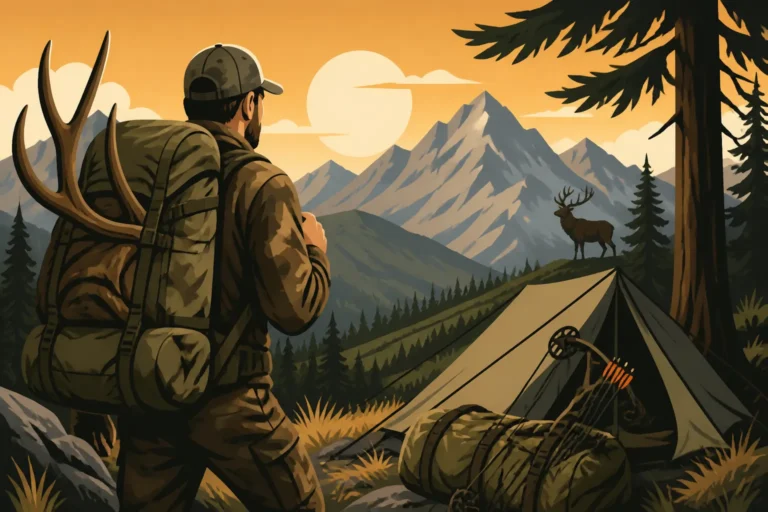
The Middle Fork of the Salmon River isn't just a river; it's a journey into the heart of Idaho's most rugged and pristine wilderness. For many hunters, the thought of floating deep into the Frank Church–River of No Return Wilderness, far from roads and crowds, is a dream. But the logistics of such an adventure can be daunting, especially for those unfamiliar with river permits, wilderness rules, and the sheer scale of the backcountry. This guide will walk you through what it really means to float hunt the Middle Fork with an experienced outfitter, helping you understand the unique challenges and incredible rewards of this iconic Idaho experience.
Understanding the Middle Fork and Its Unique Challenges
The Middle Fork of the Salmon River is a legendary stretch of water that carves its way through the vast Frank Church—River of No Return Wilderness. This isn't your average hunting trip; it's an immersive wilderness experience where the river is your highway and the mountains are your hunting grounds. The sheer remoteness and strict regulations make it a challenge, but also incredibly rewarding.
The Wilderness Experience and Its Regulations
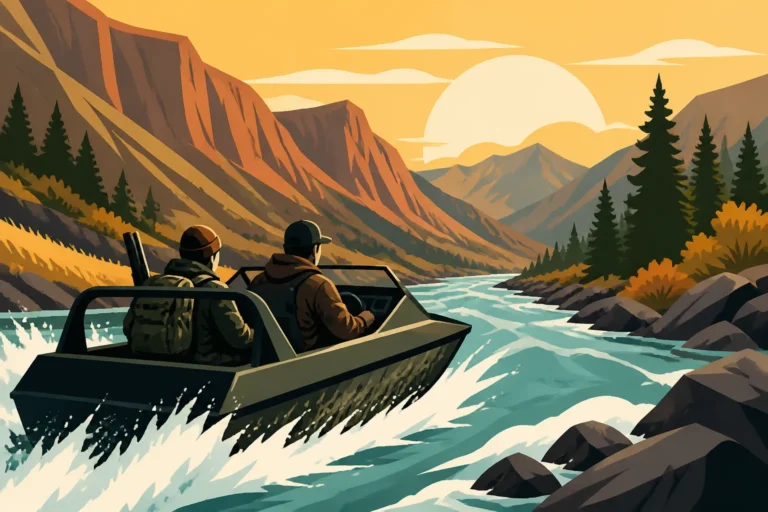
Imagine floating through canyons so deep the sun barely touches the river, the only sounds the whisper of the current and the distant call of an elk. That's the Middle Fork. It’s an experience defined by profound solitude and breathtaking landscapes. You’ll be entirely unplugged, surrounded by towering pines, granite cliffs, and the wild beauty that Idaho is famous for. This entire area falls within one of the largest designated wilderness areas in the lower 48, the Frank Church—River of No Return Wilderness. This designation comes with very specific rules, most notably the "no motors" policy, meaning all travel on the river is by oar, paddle, or drift.
Access to this wilderness by river is strictly controlled by a permit system, especially for the popular floating seasons. Outfitters spend years securing these coveted launch permits, which dictate the dates they can enter the wilderness corridor. For hunters, this means your hunting dates are often tied directly to your outfitter's permit. The physical demands of simply existing in this environment are significant. There are no convenience stores, no cell service, and certainly no easy exits. Everything you need for the duration of the trip must be packed in and then packed out. It’s an incredibly humbling place that tests your resolve and connects you deeply with the natural world. If you're serious about understanding the rules, diving into The Frank Church Wilderness and Idaho's Rules is a must.
Why an Outfitter Is Almost Essential for Nonresidents
For nonresidents, engaging an outfitter for a Middle Fork hunt is often less of a luxury and more of a legal and logistical necessity. Idaho has a specific regulation that requires nonresidents to hire a licensed outfitter or guide when hunting certain big game species within designated wilderness areas. Elk, for instance, fall under this rule. So, if your dream is a Middle Fork elk hunt, you're legally bound to use an outfitter. To delve deeper into this, check out Idaho Forces Nonresidents to Hire a Guide for Wilderness Elk. Even for species like deer or bear, which are generally exempt from this specific guide rule, attempting a DIY float hunt on the Middle Fork is a monumental undertaking.
Consider the sheer amount of equipment required: specialized rafts, oars, frames, dry bags, a full camp kitchen, tents, sleeping systems, and enough food and supplies for everyone for the entire trip. Then add the hunting gear. Navigating the Middle Fork's rapids requires expertise and experience. An outfitter provides all of this, from the specialized river equipment and experienced guides who are adept at both navigating the challenging waters and finding game, to managing all the logistics of camp setup and breakdown. They also have the crucial knowledge of the terrain, game movements, and, perhaps most importantly, how to efficiently pack out an animal from a remote location to the river, and then downriver. Without an outfitter, the dream of a Middle Fork hunt quickly becomes an overwhelming, potentially dangerous, and certainly cost-prohibitive nightmare for most.
What "Float Hunting" Actually Means
When we talk about "float hunting" the Middle Fork, it's important to clarify what that truly entails. This isn't like hunting from a boat on a lake or a large, calm river. You're not shooting from the raft. Instead, float hunting is a dynamic combination of river travel and traditional spot-and-stalk or still-hunting tactics. The river simply serves as your primary access corridor and base camp transport system.
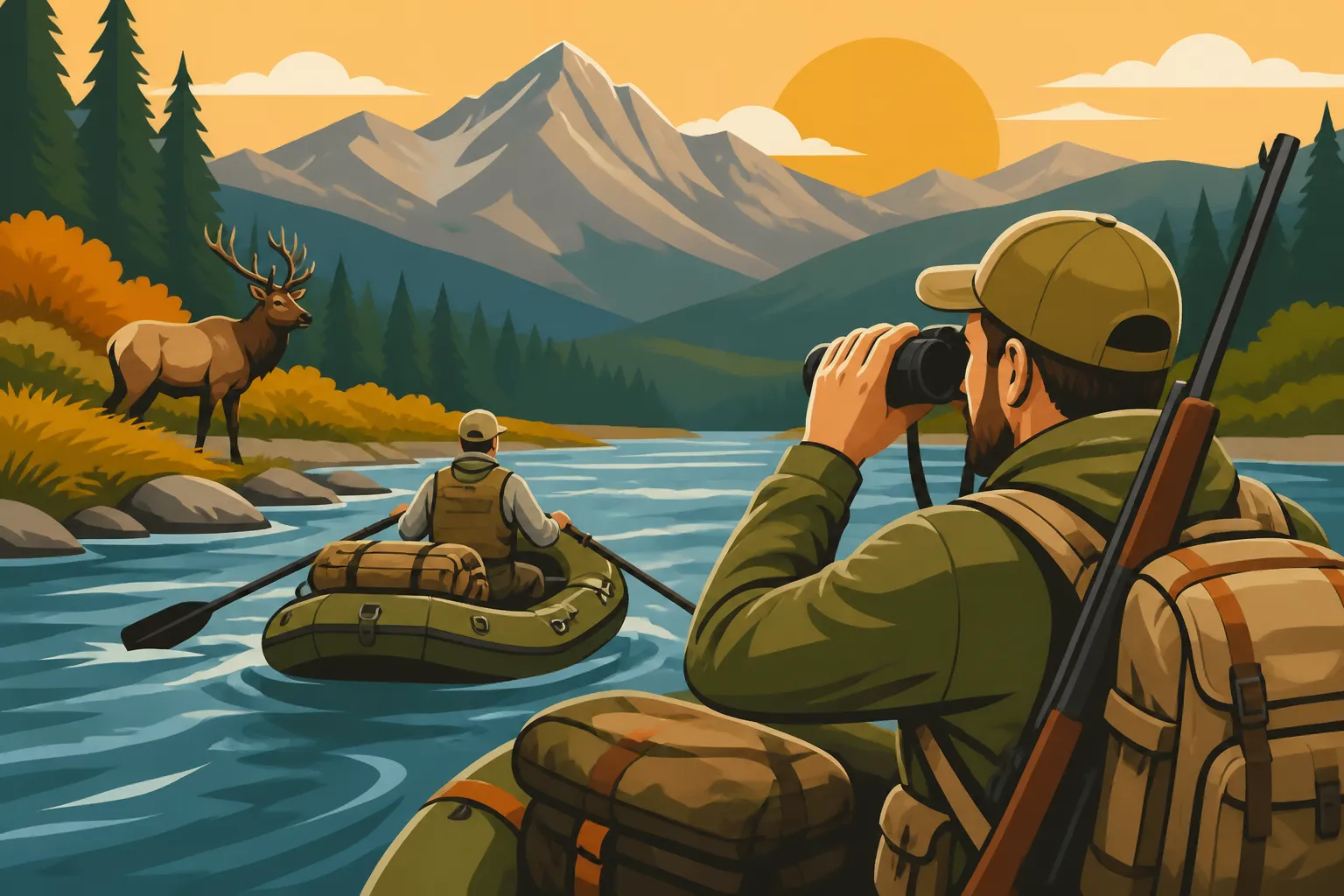
An outfitter will typically run multiple rafts, carrying all the gear, food, and people. Each day, you'll float downstream, navigating rapids and enjoying the scenery. As you move, the guides are constantly scouting, looking for game on the steep hillsides, in the timbered drainages, or on benches above the river. When promising sign is spotted – fresh tracks, rubs, beds, or even an animal itself – the rafts pull over to a suitable gravel bar or eddy. From there, hunters and guides disembark and head uphill, often into very steep and rugged country, to pursue the game on foot. The hunt itself unfolds much like any other backcountry hunt, requiring silent movement, careful glassing, and strategic stalking. After the hunt (successful or not), you return to the river, load back into the rafts, and continue downstream to the next promising area or a pre-determined camp spot. It's a continuous cycle of floating, stopping, hunting, and repeating, making it a truly unique and physically demanding way to experience Idaho's wilderness.
The Logistics of a Middle Fork Outfitted Hunt
Successfully embarking on a float hunt down the Middle Fork requires meticulous planning and a deep understanding of the unique logistical hurdles involved. An outfitter handles many of these, but knowing what goes into it ensures you're prepared for the adventure of a lifetime.
Permits, Licenses, and Booking Your Trip
While your chosen outfitter will handle the intricacies of the Middle Fork river permit – which is a huge undertaking in itself, given their scarcity – as a hunter, you are still solely responsible for securing your own Idaho hunting license and tags. This is a critical distinction that sometimes confuses first-time clients. The outfitter's permit allows them to launch a trip down the river; your license and tag allow you to hunt specific game animals during specific seasons.
These hunting licenses and tags, especially for nonresident elk or deer, are often part of a draw system in Idaho. This means you need to apply months in advance, typically in the spring, with results usually posted in the summer. Planning a float hunt must align perfectly with these draw deadlines and results. Imagine booking your dream Middle Fork trip only to find out you didn't draw a tag! Many outfitters offer advice on drawing odds or can help you navigate the application process. Resources like GoHunt can be invaluable for researching drawing odds, unit information, and understanding the general structure of Idaho's tag allocation. Similarly, platforms like BookYourHunt allow you to browse and connect with outfitters who specialize in these types of trips, though always confirm their specific Middle Fork expertise. It’s always best to communicate openly with your outfitter about the draw calendar and how they recommend approaching your application. Getting this wrong can definitely be a frustration for hunters. To ensure your dates line up with your permit, it’s worth reading up on Booking an Idaho Hunt Around the Draw Calendar.
What a Float Hunting Outfitter Provides
A Middle Fork float hunting outfitter isn't just a guide; they are essentially your entire logistical support system in one of the most remote places in the country. Their services are comprehensive, designed to make a challenging trip as comfortable and effective as possible. First and foremost, they provide all the specialized river equipment. This includes durable, high-quality rafts – often a mix of oar rafts (rowed by guides), paddle rafts (where clients may participate), and cargo rafts to carry gear. They'll have all the necessary frames, oars, repair kits, and safety equipment to navigate the river.
Beyond the river gear, they supply a full camp. This means comfortable tents, sleeping pads, a complete kitchen setup (think gourmet meals cooked riverside!), dining areas, and camp chairs. When you’re miles from civilization, a hot meal and a warm, dry tent are priceless. More importantly, your outfitter provides experienced guides. These individuals are not only skilled boatmen capable of safely navigating the river's rapids and challenges, but they are also seasoned hunters with intimate knowledge of the Middle Fork corridor. They know where game tends to hold, how to read the terrain for sign, and how to execute a successful stalk in this steep country. They also provide the crucial means of packing out any harvested game, ensuring the meat is handled properly and transported efficiently back to the river and then downriver. It's truly an all-inclusive adventure due to the inherent remoteness and difficulty, making Float Hunting Trips on Idaho Rivers a very unique service.
Physical Demands and Preparation
Let's be realistic: a Middle Fork float hunt is not a leisurely float trip with a bit of hunting thrown in. It is a physically demanding endeavor, and underestimating this aspect is a common pitfall for many hunters. While the river travel itself is often relaxing, the minute you step off the raft, the real work begins. The terrain along the Middle Fork is incredibly steep and rugged. You'll be gaining and losing significant elevation over uneven ground, often through thick timber, across rocky slopes, or up brushy draws. This isn't flat farmland.
Successful hunting here requires strong legs, good cardio, and endurance. You need to be able to hike for several hours, sometimes quickly, with a pack, and then hold steady for a shot. Moreover, if you are successful, you will be assisting in packing out meat, which means carrying heavy loads back down to the river. Many hunters train for months specifically for these types of backcountry hunts. Incorporating regular hiking with a loaded pack, stair climbing, and general strength training into your routine well before the trip is highly recommended. Don't let your physical conditioning be the weakest link in your hunt. An outfitter can tell you what to expect, but personal preparation is key. Take a look at Physical Conditioning for Idaho Backcountry for some great advice on getting ready. You might be surprised at how much difference even a few extra pounds of pack weight makes when you're going uphill on a steep grade and trying to read Reading Wind in Steep Timbered Country at the same time.
The Hunt Itself: Tactics and Expectations
The actual hunting experience on the Middle Fork is unlike many other hunts, blending the serene nature of river travel with the intense focus of backcountry pursuit. It requires a specific set of tactics and a clear understanding of what to expect from both the game and the environment.
River Corridor Strategy
The primary strategy for float hunting on the Middle Fork revolves around using the river as your vantage point and access route. Guides and hunters will constantly be scanning the river breaks, benches, and side drainages as they float downstream. Early mornings and late evenings, when game is often most active, are prime times for spotting animals from the rafts. Topographic features like saddles, timbered draws, and natural clearings are key areas to focus on. High-quality binoculars and spotting scopes are essential for picking apart the vast landscape from the water. It is amazing how much detail you can resolve when you are really focused on Glassing Breaks and Benches for Mule Deer from the middle of the river.
Once an animal or promising sign is located, the rafts will pull over. The real hunting then begins on foot. The approach is often a direct uphill climb, navigating dense brush and steep inclines. Stalking in this environment demands stealth, patience, and careful attention to wind direction, as thermals can shift rapidly in the canyons. Hunters need to be prepared for challenging shots, potentially at varying distances and angles. The success of a river corridor strategy relies heavily on the guide's knowledge of the local game patterns and the hunter's ability to quickly transition from floating to focused, physically demanding hunting.
Packing Out Game from the River
One of the most unique and challenging aspects of a Middle Fork float hunt is the logistics of packing out a downed animal. Unlike road-accessible hunts where you might drive to retrieve game, or horseback hunts where an animal can be packed out via trails, here, everything must come back to the river. This means after an animal is successfully harvested and field dressed, it must be quartered and packed by hand, often over extremely rugged and steep terrain, down to the river's edge.
Your outfitter and guides are absolutely critical during this phase. They come equipped with specialized game bags, ropes, and often extra rafts or gear to accommodate the weight. Once at the river, the meat, cape, and antlers are carefully loaded onto the rafts. Proper meat care is paramount in this remote environment, especially given the varying temperatures and multi-day journey. Guides are adept at keeping the meat cool and clean, ensuring it arrives at the take-out in excellent condition. This process highlights why choosing a reputable outfitter is so important – their experience and equipment for game retrieval are as vital as their hunting skills. Understanding Field Dressing and Carcass Transport Rules Explained is a good idea before your trip.
Species Targeted and Success Rates
The Middle Fork of the Salmon River country is primarily known for its excellent mule deer and elk hunting. These are the two species that draw the majority of hunters to this incredible region. While black bear are also present and can occasionally be pursued, and very limited mountain lion opportunities might exist, elk and mule deer are the bread and butter of Middle Fork float hunts.
| Species Targeted | Typical Hunt Method | Physical Demand | Success Rate (Outfitted) | Unique Challenge |
|---|---|---|---|---|
| Mule Deer | Spot-and-stalk from river | High | Moderate to High | Steep, broken terrain |
| Elk | Bugling, spot-and-stalk | Very High | Moderate | Thick timber, sheer size |
| Black Bear | Spot-and-stalk, incidental | Medium | Low to Moderate | Color phase variation |
| Mtn Lion | Hound hunting (rare) | Very High | Low (draw/quota) | Snow dependent, elusive |
It's crucial to set realistic expectations for success rates. While outfitted hunts significantly increase your chances compared to a DIY approach in such complex terrain, this is still wild, free-ranging game in a vast wilderness. Factors like weather, game movement, and hunter skill all play a role. Outfitters on the Middle Fork often boast respectable success rates, but it's important to differentiate between opportunity rates (seeing game) and harvest rates (taking an animal). A good outfitter will be transparent about their historical success and help you understand the challenge. The experience of the hunt itself, the immersion in pristine wilderness, is often considered a trophy in its own right, regardless of whether you punch a tag.
Choosing the Right Outfitter and What to Expect
Selecting the right outfitter for a Middle Fork float hunt is perhaps the most critical decision you'll make. This isn't just about finding someone with a boat; it's about entrusting your safety, experience, and significant investment to a team of professionals in a remote and challenging environment.
Vetting and Booking Your Outfitter
The first step in vetting any Idaho outfitter is to verify their licensing. Every legitimate outfitter in Idaho operates under the oversight of the Idaho Outfitters and Guides Licensing Board (IOGLB). You can, and should, contact the board directly to confirm that an outfitter is currently licensed and in good standing. This board is essential for maintaining standards and protecting clients, and you can learn more about its function in The Idaho Outfitters and Guides Licensing Board Explained. After confirming their license, dive into their reputation. Ask for a list of recent references – and actually call them! Inquire about their experience specifically on the Middle Fork of the Salmon, as it requires unique expertise compared to other Idaho hunts.
Discuss their philosophy on hunting, their safety protocols, and what specific services are included. You can use platforms like BookYourHunt or GoHunt for initial research and to discover outfitters operating in the region, but always follow up with direct, detailed conversations. Ask specific questions about guide-to-hunter ratios, what happens in an emergency, and their camp setup. Due to the limited number of Middle Fork permits, these trips book up years in advance. Don't procrastinate; if you're serious about a specific year, start the conversation and put down a deposit as soon as you've thoroughly vetted your choice. Open and honest communication from both sides is the foundation of a successful outfitted hunt.
Cost and What's Included
A Middle Fork float hunt is an investment, plain and simple. Due to the extreme logistics, specialized permits, skilled personnel, and top-tier equipment required for multi-day wilderness river trips, these hunts fall into the premium category. While specific figures will vary wildly depending on the length of the trip, the number of hunters, and the outfitter's reputation, expect the cost to reflect the comprehensive nature of the service.
What's typically included is extensive: professional guides for both river navigation and hunting, all river equipment (rafts, dry bags, safety gear), full camp setup (tents, cooking gear, sleeping pads, camp furniture), and all meals and non-alcoholic beverages for the duration of the trip. Crucially, it also includes the highly valuable Middle Fork river permit. What's generally not included, and where many hunters get surprised, are your personal Idaho hunting license and tags, transportation to and from the put-in/take-out points, sleeping bags, personal hunting gear and clothing, gratuities for the guides, meat processing and shipping, taxidermy, or any trophy fees. Always get a detailed, written contract that clearly outlines what is covered and what is not. This avoids any unwelcome surprises when you're deep in the backcountry. For a more comprehensive understanding of these common exclusions, refer to What Outfitter Prices Leave Out.
Embracing the Wilderness Mindset
While the goal of a float hunt is often to harvest a magnificent animal, it's essential to approach a Middle Fork trip with a broader wilderness mindset. This isn't just a hunting trip; it's a profound adventure into one of America's last truly wild places. The beauty of the canyons, the thrill of running rapids, the serenity of remote campfires under a blanket of stars – these are all integral parts of the experience, regardless of whether you punch your tag.
You'll be disconnecting from the constant hum of modern life, facing physical challenges, and experiencing nature in its purest form. The camaraderie developed with your guides and fellow hunters, sharing stories around the campfire, and navigating the river together, often becomes as memorable as any game spotted or harvested. The Middle Fork teaches patience, resilience, and respect for the natural world. So, while you'll be focused on the hunt, remember to soak in every moment of the journey. Embrace the unpredictable nature of the wilderness, appreciate the effort and expertise of your outfitter, and allow yourself to be fully immersed in the unparalleled beauty of Idaho's Frank Church. It will be an experience that stays with you long after you've left the river.
Disclaimer
This article is for general informational purposes only and does not constitute professional advice. Laws, prices and regulations vary by location and change over time. Consult a qualified professional for guidance on your specific situation.