Jet Boat Drop-Offs on the Salmon River
Navigating the vast, rugged wilderness of Idaho can feel like an impossible puzzle, especially when you're dreaming of hunting deep within areas like the Hunting the Frank Church River of No Return. The sheer scale of the landscape, combined with limited road access, leaves many hunters scratching their heads, wondering how on earth they're going to get themselves and their gear into those prime, untouched spots. This guide is all about one of the most unique and effective solutions for accessing the Salmon River backcountry: jet boat drop-offs, breaking down exactly how this incredible option works and what you need to know to make your hunt a reality.
The Unmatched Access of Jet Boat Drop-Offs on the Salmon River
Imagine looking at a topographic map of Idaho, specifically along the Salmon River corridor. You see vast tracts of pristine national forest and wilderness, far from any paved road or even a decent two-track. These are the places where elk still bugle freely, where mule deer bucks grow old and wise, and where the pressure from other hunters is dramatically lower. But how do you actually get there? For many, the Salmon River itself becomes the highway, and jet boats become your personal ferry, delivering you deep into otherwise inaccessible terrain. This isn't just a ride; it's a strategic move that fundamentally changes how you approach a backcountry hunt.
Why Remote Access is a Game Changer for Idaho Hunters
The pursuit of big game in Idaho often boils down to finding areas that others can't easily reach. When you can get into country that takes days of hard hiking or requires specialized gear just to approach, you instantly gain an advantage. Animals in these remote pockets are often less wary, following their natural patterns without constant human disturbance. For hunters seeking a true wilderness experience, far from the sounds of ATVs or the sight of other campfires, jet boat drop-offs are a revelation. They open up possibilities for multi-day expeditions, allowing you to set up a spike camp in an area that feels truly wild, where the only tracks you'll see are those of deer, elk, and maybe a bear. It's about more than just a trophy; it's about the deep satisfaction of earning a hunt in truly unspoiled territory.
The Specifics of Jet Boat Access on the Salmon River
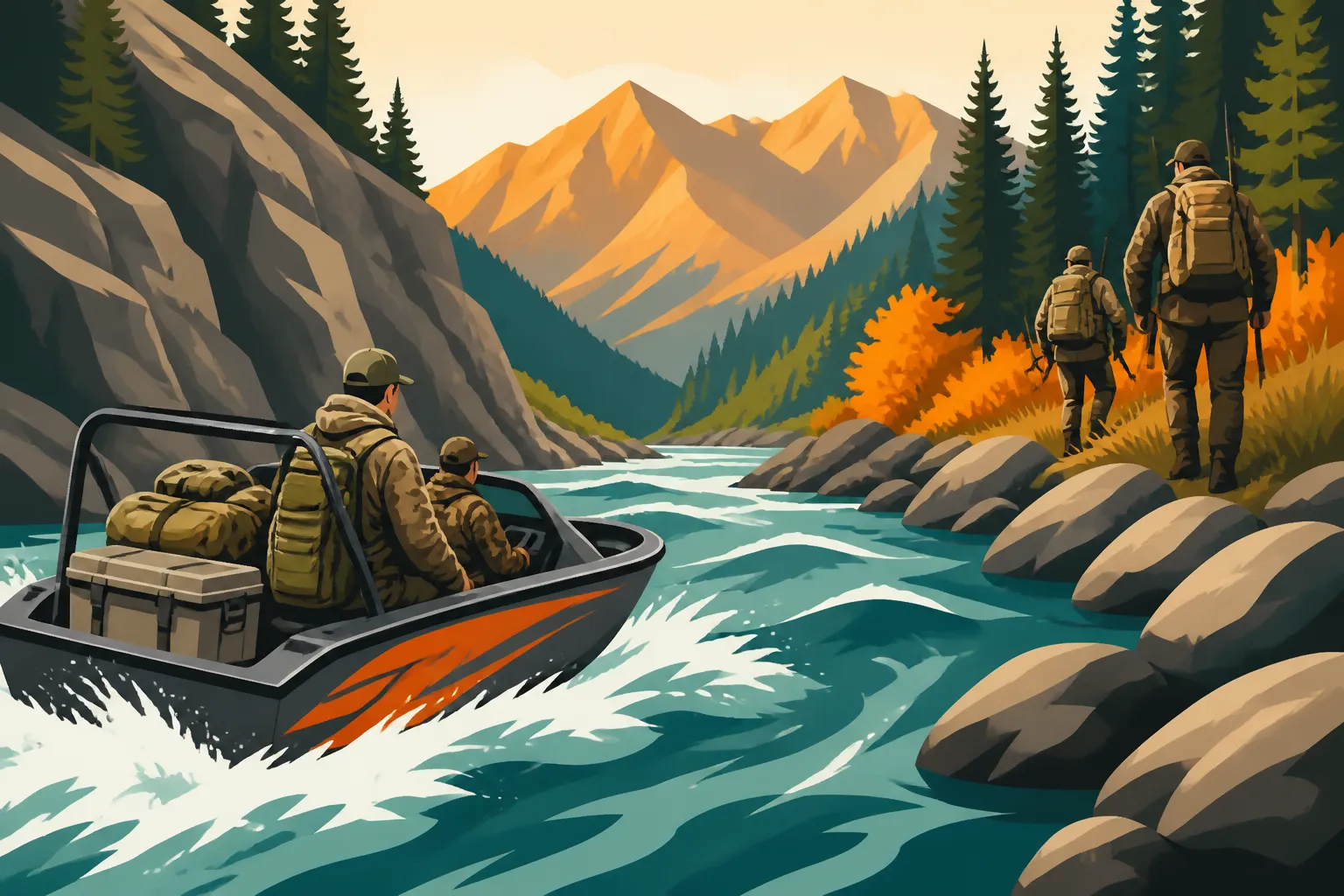
The Salmon River, often called the "River of No Return," carves its way through some of the most rugged and beautiful country in Idaho, much of it designated wilderness. This river is one of the few places where motorized access is permitted deep into these protected areas, albeit under strict regulations. Outfitters holding specific permits can navigate the river's swift currents and rapids using powerful jet boats, ferrying hunters and all their gear to designated drop-off points. These aren't just any spots; they are often remote beaches, gravel bars, or flat benches nestled along the riverbanks, serving as perfect staging grounds for a backcountry camp. The jet boat allows you to bypass miles of grueling hiking with heavy packs, saving your energy for the hunt itself. It’s a remarkable fusion of modern technology and ancient wilderness, creating an unparalleled hunting opportunity.
Planning Your Jet Boat Drop-Off Hunt: What to Expect
Embarking on a jet boat drop-off hunt is a serious undertaking that requires meticulous planning. It's not like driving to a trailhead and throwing on a pack; you're relying heavily on an outfitter for crucial transportation and often for key information about the area. Understanding the process and what's involved will make your experience smoother and safer.
Choosing and Vetting Your Jet Boat Outfitter
Your outfitter is your lifeline on a jet boat hunt. They are responsible for getting you safely into the backcountry and, more importantly, picking you up when your hunt is done. This isn't a decision to take lightly. Start by researching outfitters who specialize in Jet Boat Access Up the Salmon River and hold the necessary permits for the specific sections of the Salmon River you're interested in. Platforms like BookYourHunt can be a great starting point for finding reputable operations, but always follow up with direct communication and extensive vetting.
When you're talking to potential outfitters, don't be shy. Ask detailed questions about their experience, their safety protocols, and what's included in their drop-off service. Do they provide any emergency communication? What happens if river conditions change unexpectedly? Questions Worth Asking Before You Book should be at the top of your list. Confirm that they are licensed through the Idaho Outfitters and Guides Licensing Board – you can verify their credentials. This due diligence ensures you're putting your trust in a professional operation. Remember, a cheap deal might mean cutting corners on safety or reliability, and in the backcountry, that's not a risk you want to take.
Logistics and Gear: Packing for Remote River Access
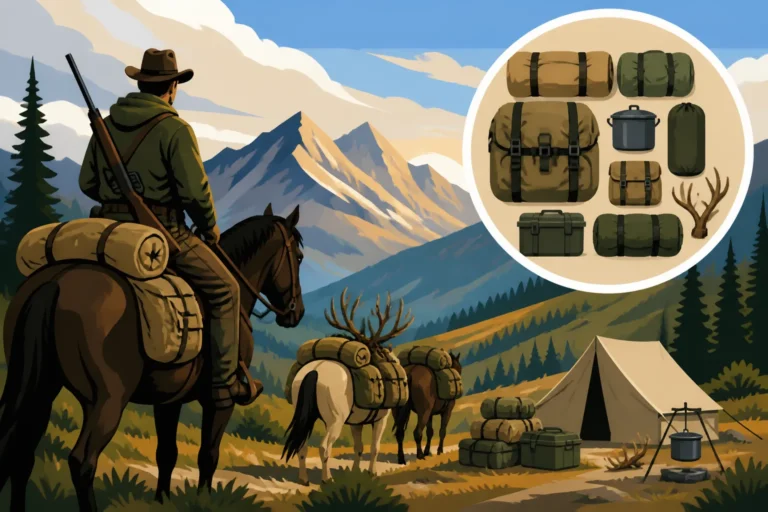
One of the biggest advantages of a jet boat drop-off is the ability to transport more gear than you ever could on your back. However, this doesn't mean you should pack the kitchen sink. You still need to be strategic. Your outfitter will likely have weight and volume limitations, as every piece of gear has to fit safely in the boat. Pack durable, waterproof bags and containers. Think about everything you'll need for self-sufficiency for the duration of your trip, plus a buffer for unexpected delays. This includes all your hunting gear, camp equipment, food, water filtration, first-aid supplies, and emergency signaling devices.
| Category | Essential Items | Notes |
|---|---|---|
| Hunting Gear | Rifle/bow, ammunition/arrows, optics, knife, game bags, hunting license/tag | Ensure all firearms are properly cased and secured for transport. |
| Camp Gear | Tent, sleeping bag, pad, cooking system, fuel, water filter, rope, headlamp | Redundancy is key; consider a backup light source. |
| Clothing | Layered system (base, mid, outer), rain gear, extra socks, warm hat, gloves | Weather can change rapidly in Idaho's mountains. |
| Food & Water | Non-perishable meals, snacks, electrolyte mixes, water filter/purifier | Plan for more than you think you'll need; river water needs treatment. |
| Safety & Nav. | First-aid kit, satellite messenger/inReach, GPS, maps, compass, bear spray | Essential for emergency communication and navigating Reading an Idaho Controlled Hunt Area Boundary. |
| Personal Items | Toiletries, medication, sunglasses, sunscreen, fire starter, multi-tool | Small but crucial items often overlooked. |
Think about how you'll manage your game after a successful harvest. You’ll need robust game bags and a plan for cooling and quartering your animal. While the jet boat can carry your harvested game out, you’ll still need to get it from the kill site back to the river, often over challenging terrain. Physical Conditioning for Idaho Backcountry is still paramount, even with a boat drop-off.
Navigating Regulations and Safety in the Salmon River Corridor
Hunting within the Salmon River corridor, especially in or near designated wilderness, comes with its own set of rules and considerations. These aren't just suggestions; they are critical for your safety, the preservation of the wilderness, and the legality of your hunt.
Understanding Wilderness Rules and Motorized Restrictions
A significant portion of the Salmon River flows through the Frank Church River of No Return Wilderness Area. This means that while a jet boat can drop you off, the rules change dramatically once your feet hit dry ground. For nonresidents, this is particularly important: Idaho Forces Nonresidents to Hire a Guide for Wilderness Elk when hunting specific species. While deer and bear are typically exempt, elk, moose, sheep, and goat require a licensed outfitter for the hunting portion of the trip, not just the transport. Confirm with your outfitter if your chosen drop-off location and target species fall under this rule, as an unguided nonresident hunting elk in the wilderness would be a serious violation.
Beyond the guide rule, remember that motorized travel is strictly prohibited within wilderness boundaries once you leave the river. This means no ATVs, dirt bikes, or even electric bicycles. Your hunt becomes entirely foot-powered or, if you've arranged it, reliant on Pack Stock Rules Inside Designated Wilderness. Also be mindful of Idaho's Motorized Hunting Rule Runs August Into December which applies to roads outside wilderness areas. In the backcountry adjacent to the Salmon, you'll be on foot, period. Leave no trace principles are vital; pack out everything you pack in, and minimize your impact on the pristine environment.
River Safety and Emergency Preparedness
While your outfitter is responsible for your safety on the river, once you're dropped off, you are on your own. The Salmon River is a powerful, dynamic entity. Understanding basic river safety, even if you're not directly navigating it, is important. High water levels, sudden storms, or unexpected changes in river conditions can all impact your pick-up schedule.
Always have reliable emergency communication devices, such as a satellite messenger or an InReach device, and know how to use them. Cell service is virtually nonexistent in this remote country. Share your float plan and hunting itinerary with a trusted contact who knows when to expect you back and who to call if you miss your check-in time. Bear Safety Practices in an Outfitter Camp are also crucial, as you'll be in prime bear country. Proper food storage and awareness of your surroundings are non-negotiable. Being prepared for the unexpected is not just a good idea; it's a necessity for a successful and safe wilderness hunt.
The Pros and Cons of a Jet Boat Drop-Off Hunt
Every hunting strategy has its advantages and disadvantages, and jet boat drop-offs are no exception. Weighing these carefully will help you decide if this unique approach is the right fit for your Idaho adventure.
The Unrivaled Benefits: Deep Access and Extended Stay
The primary benefit of a jet boat drop-off is the access it provides to truly remote, low-pressure hunting grounds. Instead of competing with dozens of other hunters pouring out of popular trailheads, you can find yourself in country where you might not see another soul for days. This often translates to less wary animals and a more authentic wilderness experience. The ability to bring in more gear, food, and water also means you can establish a more comfortable and sustained camp, allowing for longer hunting trips deep in the backcountry. You can focus your energy on hunting, rather than solely on the arduous task of getting to and from your desired area. This is particularly appealing for hunters who want to immerse themselves fully in the wild without the extreme physical demands of a true pack-in hunt. For serious hunters, utilizing tools like The Idaho Hunt Planner Is the Tool to Start With or resources from GoHunt to scout these less-pressured units, then using a jet boat to access them, creates a powerful combination.
The Realistic Downsides: Cost, Reliance, and Unpredictability
Despite the significant advantages, jet boat drop-offs come with their own set of challenges. Firstly, cost is a major factor. Hiring an outfitter for a jet boat drop-off service is an investment, often comparable to a semi-guided hunt, though typically less than a fully guided one. What a Guided Idaho Elk Hunt Costs will give you a sense of the expense involved in any outfitted experience. Secondly, you are entirely reliant on your outfitter for transportation. If river conditions become too dangerous due to low water, high water, or ice, your trip could be delayed or even canceled. This unpredictability means you need to be flexible and have contingency plans.
Weather in Idaho's mountains can be notoriously fickle, and a sudden snowstorm or heavy rain can turn a comfortable camp into a soggy challenge. Lastly, the noise and presence of a motorized boat, however fleeting, does impact the wilderness experience for a short time, though the benefit of gaining deep access often outweighs this brief disturbance for many hunters. It’s a trade-off: you get incredible access, but you also surrender a degree of personal control over your travel schedule and must factor in the expense and potential for weather-related delays.
Disclaimer
This article is for general informational purposes only and does not constitute professional advice. Laws, prices and regulations vary by location and change over time. Consult a qualified professional for guidance on your specific situation.